The Foundation of Your Home Garage
The garage has long been a sanctuary for American car lovers, a place where passion meets practicality. As vehicles become more complex, the desire to maintain that hands-on connection has only grown, turning DIY maintenance into a rewarding pursuit. Building a quality toolkit is about more than just saving money on repairs. It’s about the satisfaction of solving a problem yourself and the confidence that comes from knowing your vehicle inside and out.
Working on your own car requires precision. The right tools are fundamental for your safety and for preventing a simple job from turning into a costly mistake. A stripped bolt or a cracked plastic component can quickly sour the experience. This guide moves beyond the basic socket set to focus on ten specific DIY car enthusiast tools that solve common, frustrating problems. These are the items that will truly expand your capabilities and make your time in the garage more productive and enjoyable.
The Core 10 Must-Have Tools for Your Garage
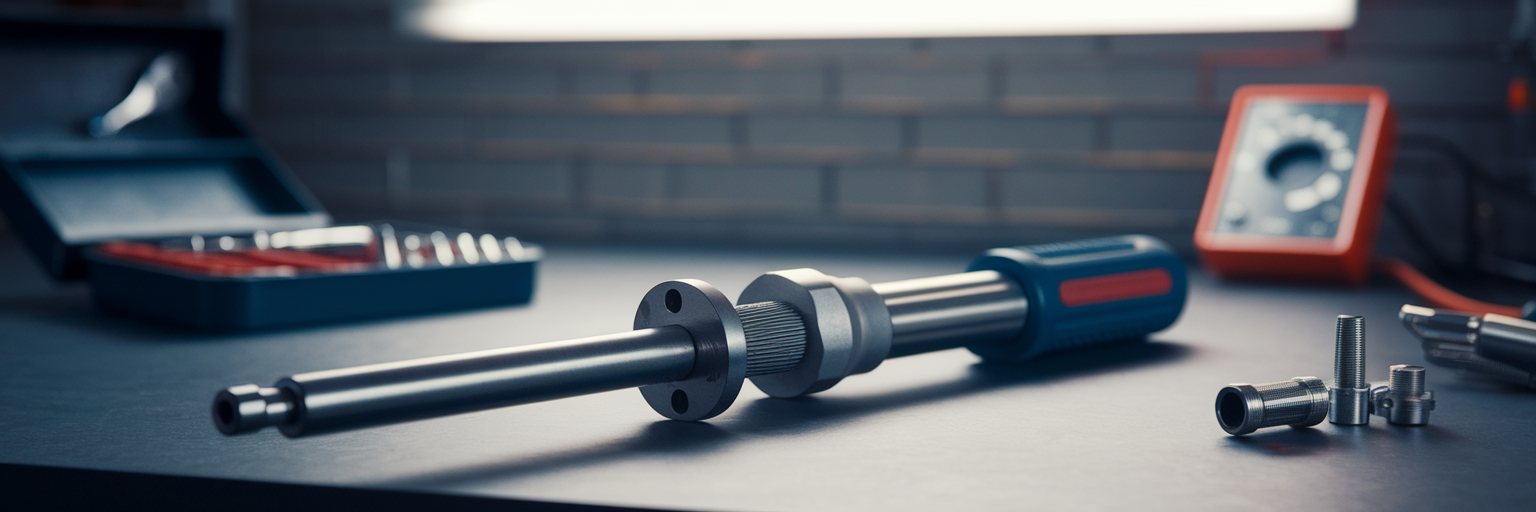
Assembling the right collection of equipment is what separates a frustrating afternoon from a successful repair. While a basic wrench set gets you started, these ten pieces of equipment are the ones you will thank yourself for buying. They represent some of the best car repair tools 2025 has to offer for the home mechanic, turning difficult jobs into manageable tasks.
1. A Quality Torque Wrench
A torque wrench is non-negotiable for any serious DIYer. Its job is to apply a specific amount of rotational force to a fastener, ensuring it’s perfectly tightened. This prevents stripped threads from over-tightening and dangerous component failures from under-tightening. Think about your lug nuts. Too loose, and a wheel could come off. Too tight, and you risk warping the brake rotor. A good torque wrench for cars removes the guesswork. We believe every critical component, from engine parts to suspension bolts, demands this level of precision.
2. Compact Cordless Impact Wrench
We’ve all been there, fighting a seized lug nut with a breaker bar, putting our whole body weight into it. A compact cordless impact wrench makes that struggle a memory. It delivers rapid, powerful rotational impacts to break loose the most stubborn fasteners in seconds. It’s a lifesaver for suspension work on trucks like the 2025 Ford F-150, where bolts are larger and torqued much higher. Its speed also dramatically cuts down the time for tasks like tire rotations.
3. Digital Multimeter
Modern cars are rolling networks of electronics, and a digital multimeter is your window into that world. It measures voltage, current, and resistance, allowing you to diagnose electrical gremlins with certainty. Instead of guessing why your car won’t start, you can systematically test the battery, check the alternator’s output, or hunt for a parasitic drain. It helps you determine if the issue is a dead battery, a faulty alternator, or a parasitic drain, which is a common reason why a car won’t start. It’s an indispensable diagnostic tool.
4. OBD-II Scanner with Live Data
When the check engine light comes on, a basic code reader gives you a cryptic code. An OBD-II scanner with live data capabilities tells you the whole story. It lets you view real-time information from your car’s sensors, like oxygen sensor readings, fuel trim, and engine temperature. This context is critical for accurately diagnosing a problem instead of just throwing parts at it. You can watch how the engine behaves under different conditions, helping you pinpoint the root cause of a performance issue.
5. Snap Ring Pliers Set
Few things are more frustrating than trying to remove a snap ring with a pair of needle-nose pliers. A dedicated set of snap ring pliers, with interchangeable tips for internal and external rings, makes the job effortless. These are essential for many drivetrain and suspension components. This is especially true during brake jobs, where removing clips without the right tool can be a nightmare and might even be related to that annoying sound you’ve been trying to diagnose, like when your car is squeaking when you drive.
6. Brake Caliper Wind-Back Tool
If you’ve ever tried to replace rear brake pads on a car with an integrated parking brake, you know the piston doesn’t just push back in. It needs to be rotated and compressed simultaneously. A brake caliper wind-back tool, like the OEM 24411 kit, is designed for this specific task. Using C-clamps or pliers can damage the caliper’s internal mechanism, leading to a much more expensive repair. This tool ensures you do the job correctly and safely.
7. Low-Profile Floor Jack and Jack Stands
Your car’s factory scissor jack is for emergencies only. A low-profile hydraulic floor jack provides the stability and lifting power needed for safe work. Its low clearance allows it to slide under modern sports cars and sedans with ease. Most importantly, it must always be paired with a set of high-quality jack stands. Never work under a vehicle supported only by a jack. This combination is the absolute foundation of safe under-car maintenance.
8. Flex-Head Ratcheting Wrench Set
Have you ever located a bolt but found there’s no room to swing a ratchet? A set of flex-head ratcheting wrenches is the solution. The ratcheting mechanism lets you loosen or tighten fasteners with minimal movement, while the flexible head pivots to access bolts at awkward angles. They are perfect for reaching serpentine belt tensioners, alternator bolts, and other components buried deep in a crowded engine bay.
9. Fluid Extractor and Pump
Changing fluids like transmission oil, differential fluid, or power steering fluid can be a messy ordeal. A fluid extractor, such as the Duralast 51-220, uses a vacuum to suck old fluid out through the dipstick tube, minimizing spills. It can also be used to pump new fluid into hard-to-reach fill plugs. It transforms a messy, dreaded task into a clean and simple maintenance procedure, making it one of the most valuable must-have mechanic tools for keeping your vehicle’s systems healthy.
10. Trim and Molding Tool Set
Using a screwdriver to pry off an interior door panel is a surefire way to leave scratches and break delicate plastic clips. A set of nylon trim removal tools is designed to pop off panels, molding, and emblems without causing damage. These tools are soft enough not to mar surfaces but strong enough to release retaining clips. They are essential for any job that requires accessing components behind the dashboard or inside the doors, preserving your car’s fit and finish.
Choosing Tools That Last a Lifetime
With your list of essential tools for car maintenance ready, the next question is how to invest wisely. The sheer number of brands and price points can be overwhelming, but a few key principles can guide your decisions on how to choose car tools that will serve you well for years.
Material Quality and Durability
The material a tool is made from is its most important attribute. Look for tools, especially wrenches and sockets, made from chrome vanadium steel. This alloy is known for its strength, toughness, and resistance to abrasion and rust. A well-made chrome vanadium tool will withstand high torque without deforming and will resist corrosion even in a damp garage environment. The finish matters too. A polished chrome finish is not just for looks; it makes the tool easier to clean.
Cost vs. Quality: Finding the Sweet Spot
The tool market can be broken down into tiers. While premium brands offer exceptional quality, many enthusiast-grade options provide the best balance of cost and durability for home use. A 2025 guide from Tekmetric on the best mechanic tool brands confirms this, noting the trade-offs between different levels. Understanding these tiers helps you allocate your budget effectively.
| Tier | Price Point | Key Characteristics | Best For |
|---|---|---|---|
| Professional Grade (e.g., Snap-On, Matco) | High | Superior materials, lifetime warranty, often sold from tool trucks | Professional mechanics or serious enthusiasts investing for a lifetime |
| Prosumer/Enthusiast (e.g., Craftsman, GearWrench, Tekton) | Moderate | Good quality steel, strong warranties, widely available in stores | The dedicated DIYer who needs reliable performance without the premium price |
| Budget-Friendly (e.g., Duralast, Pittsburgh) | Low | Functional for occasional use, often store-branded, variable quality | Beginners building their first set or for less critical, infrequent tasks |
Smart Shopping Strategies
When you’re ready to buy, keep these strategies in mind:
- Check for a lifetime warranty. Many reputable brands stand behind their hand tools for life. This is a strong indicator of quality and a great safety net.
- Read real-world user reviews. See what other DIYers are saying about a tool’s performance and longevity. Pay attention to reviews from people who work on similar vehicles to yours.
- Handle the tools in-store if possible. Feel the weight, check the grip, and operate any moving parts. A tool should feel balanced and solid in your hand.
Ultimately, it comes down to the old saying: “buy it nice or buy it twice.” Investing in quality tools from the start saves money and frustration in the long run. Building a quality toolkit is a core part of the journey for any true car fanatic.
Organizing and Maintaining Your Toolkit
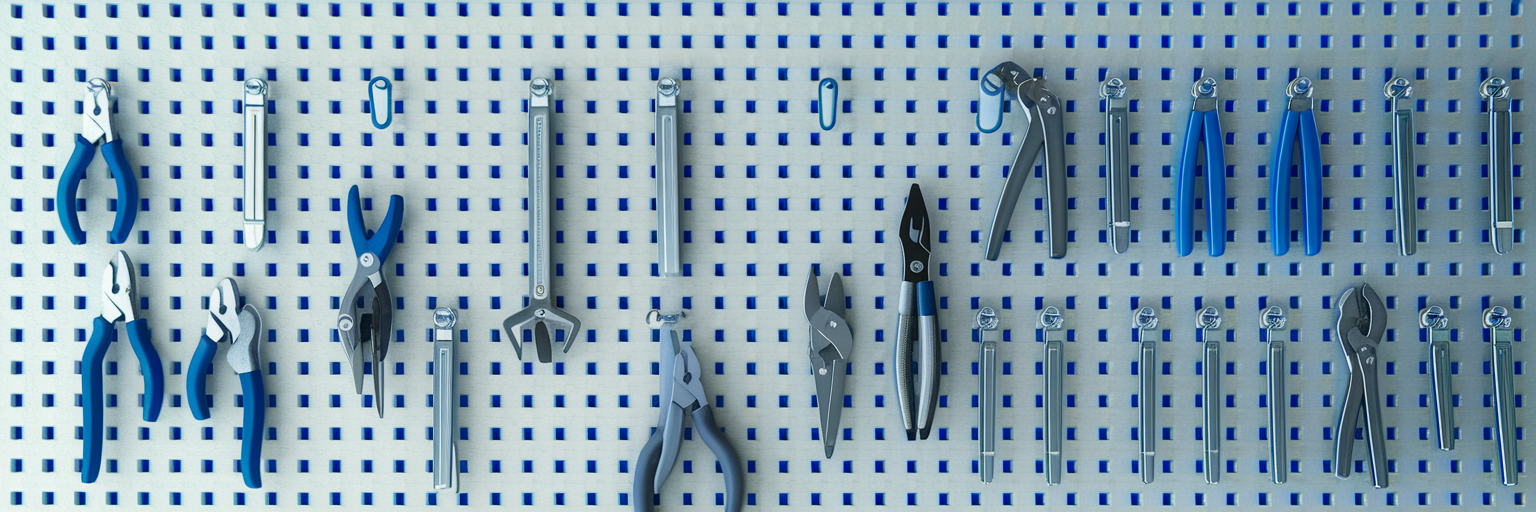
A great set of tools deserves a great home. Proper organization and maintenance not only protect your investment but also make your work more efficient. There is nothing more frustrating than stopping a job to search for a misplaced 10mm socket. A well-organized space lets you focus on the task at hand.
For storage, consider your workspace. A rolling tool chest is perfect for larger garages, offering mobility and extensive, secure storage. For smaller spaces or for keeping frequently used tools within arm’s reach, a pegboard system is an excellent solution. It keeps everything visible and accessible, turning your wall into a functional display.
Caring for your tools is simple but crucial. Follow these habits to ensure they last a lifetime:
- Wipe them down after every use. Removing grease and grime prevents buildup and allows you to inspect the tool for wear.
- Apply a light coat of oil. A thin layer of machine oil on metal surfaces prevents rust, especially for tools stored in humid environments.
- Perform regular checks. Periodically inspect ratchets for smooth operation, check sockets for cracks, and ensure screwdriver tips are not worn.
This discipline of care is part of the DIY ethos. It reflects a respect for your craft and your equipment. A clean, organized toolkit ensures you’re always ready for the next project, whether it’s routine maintenance or a weekend restoration on one of your favorite muscle cars.