The allure of a used sports car is undeniable. It represents a chance to own a piece of high-performance engineering without the steep initial depreciation. However, these vehicles often live harder lives than their more practical counterparts. The excitement of the purchase can easily overshadow the diligence required, leading to costly oversights. Avoiding a few common mistakes buying used cars is the difference between securing a thrilling ride and inheriting someone else’s expensive problems. A methodical approach ensures your dream car doesn’t turn into a financial nightmare.
Failing to Scrutinize the Vehicle’s History
Before you even see the car in person, your first line of defense is its paper trail. A vehicle history report for a performance car often tells a story the seller might not. It can reveal a past filled with aggressive driving, track days, or recurring repairs that suggest underlying issues. Think of it as the initial detective work you can do from your own home. While a clean report isn’t a guarantee of a perfect car, a problematic one is a clear signal to walk away immediately.
When reviewing the report, you are looking for specific red flags that are particularly critical when buying a used sports car. Pay close attention to these details:
- Title issues: Any branding like ‘salvage,’ ‘rebuilt,’ or ‘flood damage’ should be an immediate deal-breaker. These titles indicate the car was declared a total loss by an insurance company at some point, and repairs may not have restored its structural integrity or safety.
- Odometer discrepancies: The mileage should show a logical progression over time. Any signs of a rollback or inconsistent entries are a major warning sign of fraud.
- Lien status: You must verify the seller owns the car outright. If a financial institution has a lien on the vehicle, you cannot legally take ownership until the loan is fully paid.
- Number of previous owners: A high turnover rate, especially in a short period, can suggest a persistent, frustrating problem that previous owners were unable or unwilling to fix.
You can obtain comprehensive reports from paid services, but free resources also provide valuable initial checks. As noted by sources like Consumer Reports, the National Insurance Crime Bureau (NICB) offers a free VINCheck service that can reveal if a car has been reported stolen or issued a salvage title.
Skipping a Specialist Pre-Purchase Inspection

After confirming the vehicle has a clean history on paper, the next step is a thorough physical examination. However, for a performance vehicle, a standard mechanical check is simply inadequate. This is where many buyers make a critical error. Taking a used Porsche to a general mechanic is like asking a family doctor to perform heart surgery. You need a specialist who understands the specific complexities and common failure points of that particular make and model. A pre-purchase inspection for sports car models is a non-negotiable step.
This specialist inspection goes far beyond checking the oil and tires. A proper used sports car inspection should include a detailed evaluation of components that endure the most stress. This means running an engine compression test to check the health of the cylinders and scanning the car’s computer (ECU) for over-rev codes, which are a tell-tale sign of mechanical abuse. The inspector will also meticulously examine the suspension, bushings, and chassis for wear and tear consistent with hard driving or track use. They know exactly where to look for hidden rust, previous accident repairs, and model-specific gremlins that a generalist would miss.
Consider the cost of this inspection, typically a few hundred dollars, as an investment rather than an expense. It provides one of two outcomes. Either it confirms you’ve found a solid car, giving you peace of mind, or it uncovers issues that give you powerful negotiation leverage. If significant problems are found, that fee just saved you from a multi-thousand-dollar mistake. To find a qualified inspector, search for independent shops that specialize in the brand you’re considering. Their focused expertise is your best tool for making a confident purchase.
Conducting a Superficial Test Drive
The test drive is your opportunity to connect with the car, but it should be treated as a diagnostic session, not just a joyride. This is where you use your own senses to validate the car’s condition under real-world stress. A quick spin around the block is not enough. You need to experience the car in various settings, from low-speed city traffic to assess clutch feel and engine smoothness, to highway speeds to check for stability, vibrations, and unusual noises. This is your chance to build a mental used sports car checklist of how the car feels, sounds, and responds.
During the drive, be methodical and pay attention to every detail. A common issue can be strange sounds, and if you find yourself wondering why is my car squeaking when I drive, the test drive is the time to identify the source. Also, pay attention to how the car behaves on startup, as this can reveal hidden issues and prevent a future situation where you’re asking why wont my car start. Follow these steps to cover your bases:
- Feel for vibrations through the steering wheel or brake pedal, which could indicate warped rotors or wheel balance issues.
- Listen for suspension creaks or clunks when driving over bumps or uneven surfaces.
- Check the exhaust for any colored smoke on startup (blue for oil, white for coolant) and under acceleration.
- Test the transmission by shifting through all gears under both light and heavy acceleration to ensure smooth engagement.
- Verify all electronic components, from the infotainment screen and climate control to active suspension modes and convertible tops, function correctly. These systems are often complex and extremely expensive to repair.
Ignoring the True Cost of Ownership
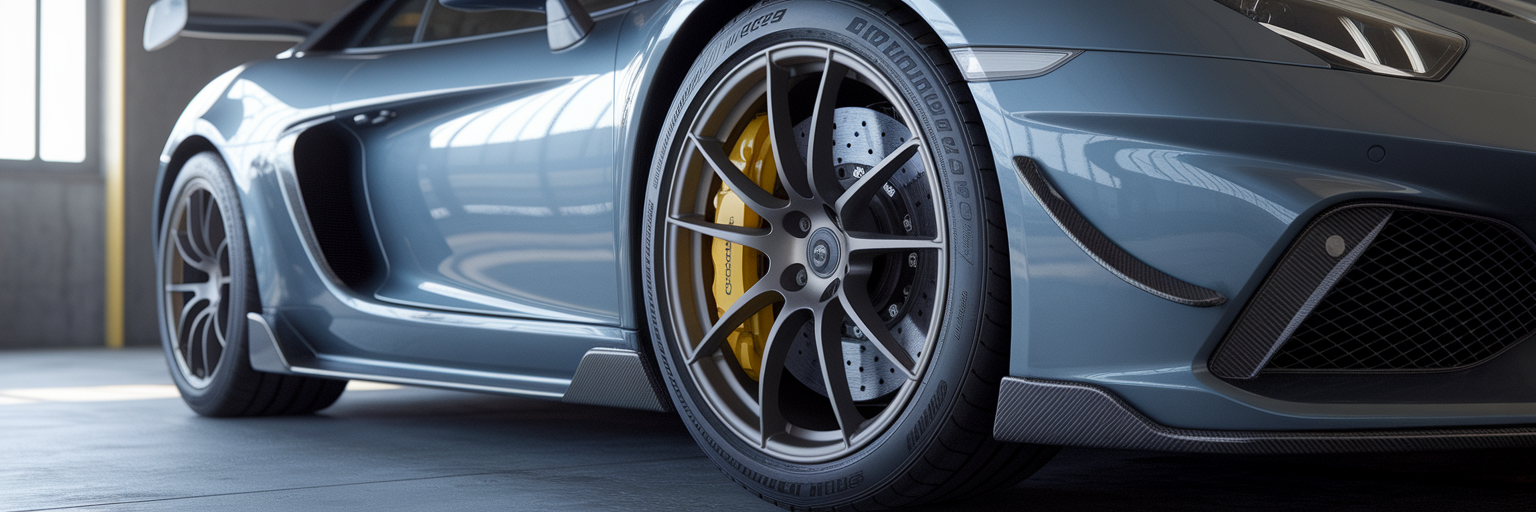
One of the most significant mistakes is focusing solely on the purchase price. For a sports car, the sticker price is merely the entry fee. The true cost of ownership includes a range of expenses that are substantially higher than those for a standard vehicle. Failing to budget for these ongoing costs can quickly turn your dream car into a source of financial stress. Everything from insurance to routine maintenance comes with a performance premium.
Insurance premiums are often double or triple that of a family sedan due to higher repair costs and risk profiles. Performance tires, designed for grip, wear out much faster and can cost thousands of dollars to replace. Even routine services like oil changes require expensive synthetic fluids and larger quantities. Brake systems, especially advanced carbon-ceramic options, can cost more to replace than an entire used economy car. This “parts and labor premium” extends to nearly every component, as specialized parts and the technicians qualified to install them come at a higher price.
To put it in perspective, here is a rough comparison of estimated annual ownership costs. This table clearly illustrates the financial commitment required.
| Expense Category | Standard Sedan (e.g., Honda Accord) | Used Sports Car (e.g., Porsche 911) |
|---|---|---|
| Insurance (Annual) | $1,500 | $3,000+ |
| Tire Set (Performance) | $800 | $2,000+ |
| Brake Pad & Rotor Replacement (Front) | $400 | $1,200+ |
| Synthetic Oil Change | $100 | $250+ |
| Annual Maintenance Fund (Recommended) | $500 | $2,500+ |
Note: Costs are estimates and can vary significantly based on location, driving habits, and specific model year. The figures illustrate the proportional increase in expenses for performance vehicles.
Before you buy, create a detailed budget and set aside a contingency fund for both immediate post-purchase needs and ongoing annual maintenance.
Entering Negotiations Unprepared
After all your research, inspections, and test drives, the final step is the negotiation. Many buyers make the mistake of accepting the asking price without question, leaving a significant amount of money on the table. Negotiation is an expected part of the process, and approaching it with data rather than emotion is your greatest advantage. Your goal is to understand how to negotiate used car price effectively by using facts to support your offer.
Your preparation starts with establishing the car’s fair market value. Use online valuation tools and browse listings for comparable models with similar mileage and condition. This research gives you a realistic price range and prevents you from overpaying. The real power, however, comes from leveraging the information you gathered earlier. The findings from the vehicle history report and, most importantly, the specialist pre-purchase inspection are your objective negotiation tools. Instead of saying “I think the price is too high,” you can present a fact-based argument. For example: “The inspection noted the rear tires will need replacement soon, which is a $900 expense. I’d like the price to reflect that.”
Whether you are looking at American muscle cars or European roadsters, the principles of market research remain the same. The most critical piece of advice is to be emotionally prepared to walk away. Falling in love with a specific car weakens your position and makes you susceptible to paying more than you should. There will always be another car.
Ensuring a Smart and Rewarding Purchase
Buying a used sports car is an exciting prospect, but that excitement should be balanced with careful diligence. By avoiding these common pitfalls, you transform a potentially high-risk purchase into a confident investment in driving pleasure. Remember to scrutinize the vehicle’s history, insist on a specialist inspection, conduct a thorough test drive, budget for the true cost of ownership, and negotiate from a position of knowledge.
A patient and methodical approach is your best asset. It ensures the car you bring home is the thrilling and reliable machine you envisioned, not a constant drain on your wallet. By following these guidelines, you can confidently navigate the market and make your automotive dream a reality, and Carphanatics is here to help you on that journey.