
The first-generation Honda Accord, produced between 1976 and 1981, marked a significant turning point in automotive history. Honda’s strategic entry into the midsize sedan market with this innovative model reshaped consumer expectations and industry standards alike. Combining efficient engineering, innovative design, and impressive reliability, the first-generation Honda Accord quickly became a benchmark in its class.

Design and Styling Innovations of the First-Generation Honda Accord
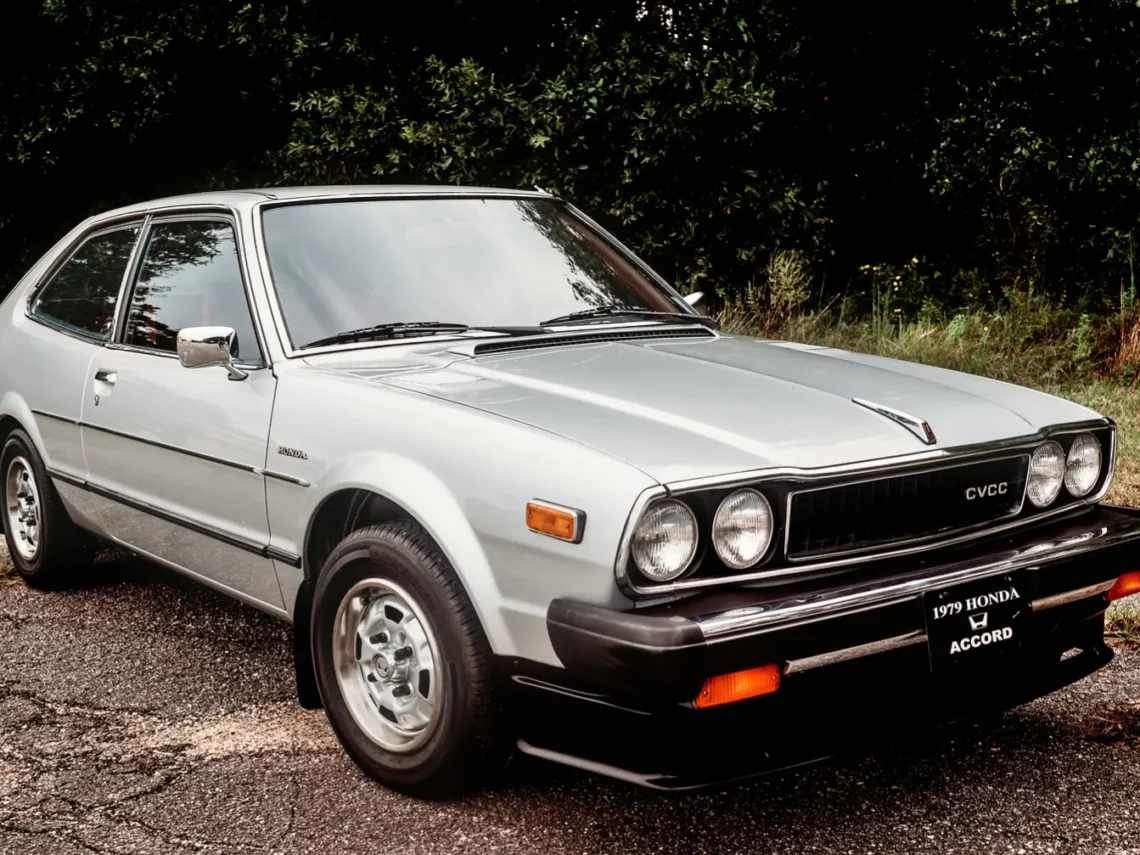
When the first-generation Honda Accord debuted in 1976, it was clear that Honda had crafted something special. The Accord featured a clean, modern design that appealed to both European and American tastes. Its compact, yet spacious layout offered ample interior room despite its modest exterior dimensions. Notably, the Accord introduced sleek styling cues, including chrome accents, rectangular headlights, and aerodynamic lines that enhanced both aesthetics and fuel efficiency.
Over its initial production run, the first-generation Honda Accord saw incremental design refinements, including:
- Updated grille and bumper designs to enhance visual appeal
- Improved interior materials and finishes, creating a more refined look and feel
- Advanced ergonomics and increased cabin comfort, aligning with consumer demands
These thoughtful enhancements kept the Accord fresh and competitive throughout its early years.
Engineering Excellence and Performance Characteristics
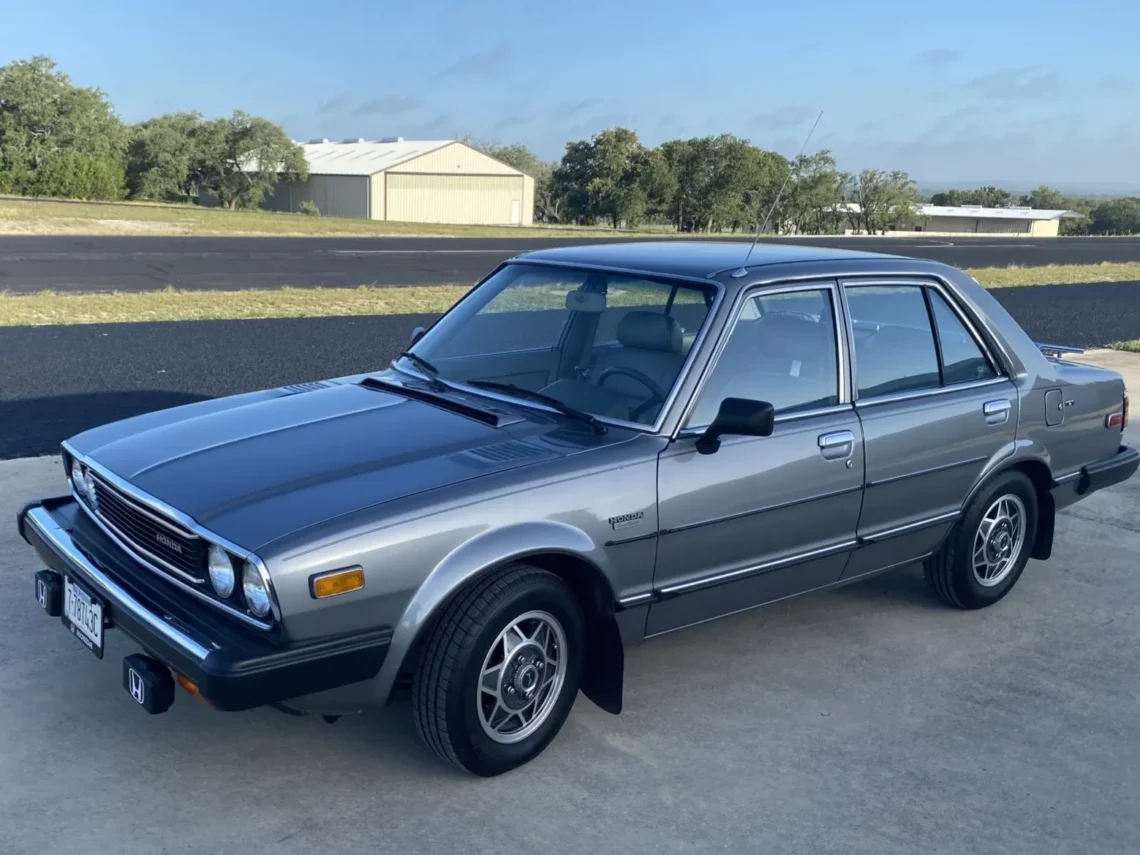
At its heart, the first-generation Honda Accord boasted impressive engineering that prioritized fuel efficiency, reliability, and smooth performance. Initially powered by a 1.6-liter four-cylinder engine producing roughly 68 horsepower, the Accord provided a practical balance between performance and fuel economy. This engine was paired with either a five-speed manual or a two-speed Hondamatic automatic transmission, offering consumers flexibility based on their driving preferences.
Technical specifications evolved significantly over this model’s lifecycle:
- In 1979, Honda introduced a larger and more powerful 1.8-liter engine, boosting horsepower to 72.
- Honda’s pioneering CVCC (Compound Vortex Controlled Combustion) technology minimized emissions, enabling the Accord to meet stringent environmental regulations without relying on catalytic converters initially.
- Suspension enhancements, including independent front and rear suspension systems, allowed the Accord to deliver superior handling characteristics compared to many rivals.
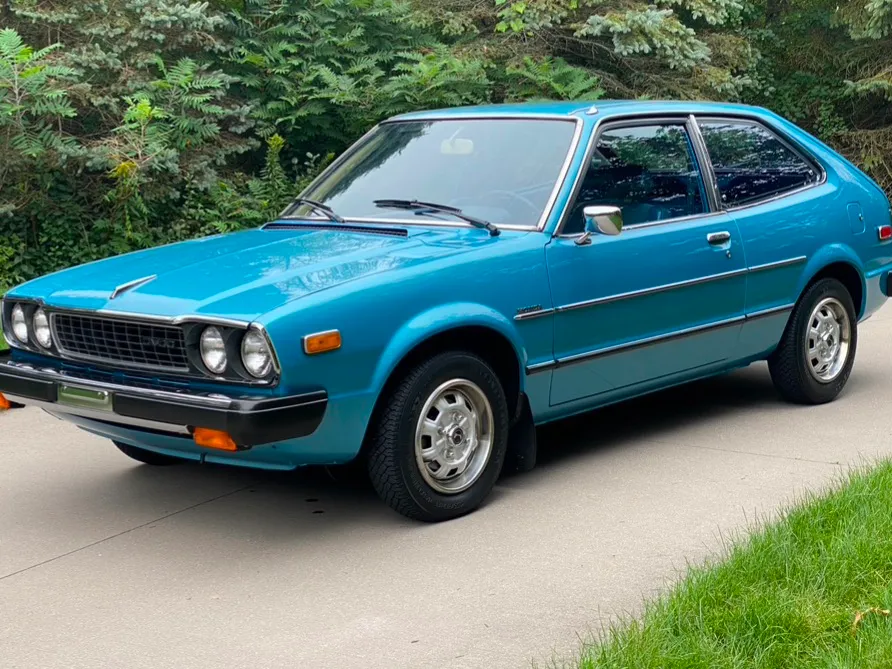
The Accord’s lightweight construction, efficient powertrain, and advanced suspension systems resulted in a vehicle that was enjoyable to drive, economical to own, and easy to maintain—qualities that resonated strongly with global consumers.
Market Reception and Historical Significance
Upon its release, the first-generation Honda Accord rapidly gained popularity and critical acclaim. It was praised for its practicality, affordability, and superior build quality, quickly establishing itself as a reliable choice within the crowded midsize segment. The Accord’s market reception was particularly strong in the United States, where consumers were increasingly seeking fuel-efficient alternatives amid rising fuel costs during the late 1970s oil crises.

The Accord’s success had several lasting impacts on the automotive industry:
- It proved Japanese automakers could compete effectively with established American and European brands in the midsize sedan market.
- Its popularity paved the way for Honda’s continued investment in the Accord brand, leading to successive generations that would become bestsellers worldwide.
- The Accord set new standards for fuel economy, emissions control, and reliability, influencing future automotive design and engineering across the industry.
By the end of its first-generation run in 1981, the Honda Accord had firmly positioned itself as a symbol of automotive innovation and quality. It had not only captured the attention of consumers globally but also reshaped the midsize sedan market significantly.
In conclusion, the first-generation Honda Accord remains a landmark model in automotive history. Its innovative design, engineering prowess, and market success demonstrated Honda’s ability to deliver vehicles that met evolving consumer demands and environmental standards. Today, this pioneering model continues to be celebrated by automotive enthusiasts and historians alike, recognizing its enduring influence and legacy.