
The New Era of Performance and Practicality
For decades, the roar of a performance engine was almost always accompanied by the disappointing sight of a rapidly dropping fuel gauge. The muscle car era cemented a simple equation in our minds: more power meant more fuel, and thrilling drives were an expensive indulgence. That trade-off, however, is a relic of the past. Today, sophisticated engineering has completely rewritten the rules for enthusiast vehicles.
This shift isn’t just about technology. It reflects a change in the enthusiast mindset, shaped by fluctuating fuel prices and a growing awareness of our environmental footprint. We still crave the connection and excitement of a great drive, but we are no longer willing to accept inefficiency as a necessary evil. Manufacturers have responded, bringing technologies once reserved for high-end supercars into the mainstream.
Advanced turbocharging, direct fuel injection, and the strategic use of lightweight materials like aluminum and carbon fiber composites are now common. These innovations allow engineers to extract impressive power from smaller, more efficient engines. The result is a new generation of cars that are both engaging and sensible. This guide is for the enthusiast who refuses to compromise, showcasing vehicles that prove a respectable MPG rating and a thrilling driving experience can coexist beautifully.
What Defines an Economical Enthusiast Car

Before we highlight specific models, it is important to establish the criteria for our selections. This is not just a list of cars with good fuel economy. We are looking for vehicles that deliver genuine driving pleasure while being mindful of running costs. Our benchmark for “fuel-efficient” in this context is a combined rating of 24 MPG or higher. For a modern performance car, this figure represents an excellent balance between spirited driving and manageable fuel bills.
Of course, MPG is only one part of the equation. A true enthusiast car is defined by how it feels from behind the wheel. We focused on several other critical metrics:
- Power-to-Weight Ratio: A lighter car requires less energy to accelerate, corner, and stop. This fundamental principle benefits both performance and efficiency, proving that brute force is not the only path to speed.
- Drivetrain and Transmission: We prioritized cars with a rear-wheel-drive layout for its balanced dynamics and included options with engaging manual transmissions, even if their automatic counterparts sometimes post slightly better MPG figures. The tactile connection of a manual is a joy worth preserving.
- Chassis Dynamics: Responsive steering, predictable handling, and a suspension that communicates the road surface are non-negotiable. The car must feel like an extension of the driver.
With these criteria in mind, we will explore two primary archetypes of economical performance cars: the nimble, all-weather “hot hatch” and the pure, balanced “rear-wheel-drive coupe.” Each offers a distinct personality, proving that efficiency does not mean conformity. These modern machines stand in sharp contrast to the straight-line focus of classic muscle cars, offering a more holistic performance experience.
The Hot Hatch Brigade: Compact and Capable
Hot hatches have long been the champions of accessible fun, blending everyday practicality with a mischievous performance streak. The latest models have perfected this formula, offering impressive power and sharp handling without demanding constant trips to the petrol station. They prove that a family-friendly five-door can also be a weekend warrior.
Volkswagen GTI: The Refined All-Rounder
The GTI has always been the grown-up in the room, and the 2025 model continues that tradition. With a combined MPG of 27 MPG with the automatic transmission, it is a remarkably efficient daily driver. Its true strength lies in its sophisticated balance. The handling is sharp and composed, the interior feels a class above its rivals, and its power delivery is smooth and predictable. It is the hot hatch for the enthusiast who values refinement as much as speed.
Toyota GR Corolla: The Rally-Bred Rebel
If the GTI is refined, the GR Corolla is raw and unfiltered. Its unique 1.6L turbocharged three-cylinder engine is a marvel of engineering, and its rally-derived all-wheel-drive system provides immense grip and driver confidence. It achieves a respectable 24 MPG combined, a small price for such a visceral and engaging experience. This is a car that begs to be driven hard, rewarding its driver with a distinctive engine note and tenacious cornering ability.
Honda Civic Type R: The Track-Day Champion
The Civic Type R is a masterclass in front-wheel-drive dynamics. Every element, from its aggressive aerodynamics to its telepathic steering, is honed for performance. The Honda Civic Type R mpg comes in at 24 MPG combined, which is astounding for a car with this level of track capability. Its six-speed manual transmission is one of the best in the business, offering short, precise throws that make every gear change an event. For those interested in more of what the brand offers, you can explore other models from Honda that share this engineering excellence.
Hyundai Elantra N: The Aggressive Newcomer
The Elantra N has burst onto the scene with a bold personality and an unapologetic focus on fun. It matches its rivals with a 24 MPG combined rating but stands out with its aggressive exhaust note and highly customizable drive modes. The “N Grin Shift” button provides a temporary power boost, adding a touch of drama to the driving experience. It offers incredible performance for its price, making it a compelling choice for enthusiasts on a budget.
| Model | Engine | Combined MPG | Key Enthusiast Trait |
|---|---|---|---|
| Volkswagen GTI | 2.0L Turbo I-4 | 27 MPG (Auto) | Refined handling and premium interior |
| Toyota GR Corolla | 1.6L Turbo I-3 | 24 MPG (Manual) | Rally-derived AWD and raw power delivery |
| Honda Civic Type R | 2.0L Turbo I-4 | 24 MPG (Manual) | Track-focused aerodynamics and precision chassis |
| Hyundai Elantra N | 2.0L Turbo I-4 | 24 MPG (Manual) | Aggressive exhaust note and customizable drive modes |
Rear-Wheel Drive Purity Meets Modern Efficiency
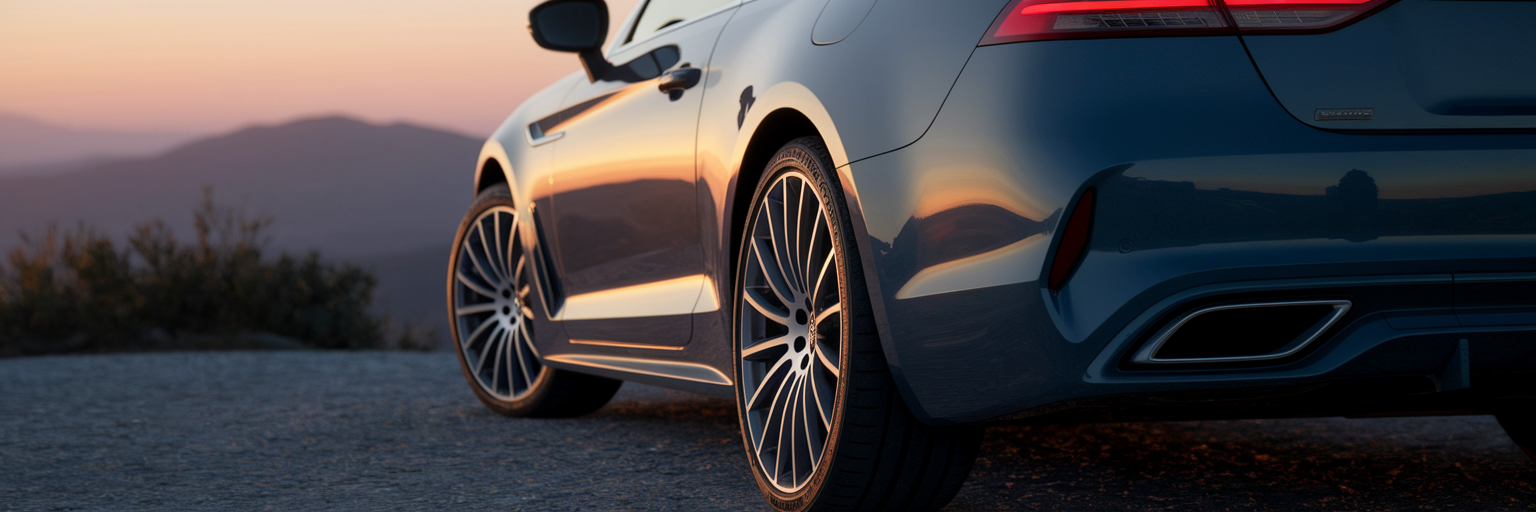
There is a unique satisfaction that comes from driving a well-balanced, rear-wheel-drive car. The feeling of the front wheels steering and the rear wheels pushing is a core tenet of sports car design. For years, this layout was often associated with thirstier engines, but modern engineering has made the pure RWD experience more accessible and efficient than ever. These cars celebrate balance, feedback, and the timeless joy of a classic sports car layout.
Ford Mustang EcoBoost: The Modern Pony Car
The Mustang is an icon, but the EcoBoost model reinterprets the pony car formula for the 21st century. It combines classic long-hood, short-deck proportions with a surprisingly potent and efficient turbocharged four-cylinder engine. The Ford Mustang Ecoboost mpg is impressive, with U.S. News reporting that the 2025 model achieves 26 MPG combined with the automatic transmission. It offers a compelling blend of style, performance, and daily usability, proving a Mustang can be both fun and frugal. For more on their performance lineup, you can explore our dedicated Ford brand page.
Subaru BRZ & Toyota GR86: The Purist’s Choice
The BRZ and GR86 are twin siblings built on a shared philosophy: lightweight design, perfect balance, and unfiltered driver feedback. These cars are not about outright power. They are about momentum, communication, and the joy of carving through a corner with precision. Their naturally aspirated boxer engine provides instant throttle response, and their low center of gravity delivers sublime handling. The Subaru BRZ fuel economy is rated at 25 MPG combined (with the automatic), making this pure sports car experience surprisingly affordable to run.
Acura Integra: The Premium Sport Compact
The Acura Integra returns as a premium sport compact that blends luxury with an engaging driving experience. While primarily a front-wheel-drive platform, the top-tier A-Spec with the Technology Package can be equipped with a slick six-speed manual transmission, transforming its character. It offers a more refined and comfortable ride than the hardcore purist cars, making it an excellent choice for someone who wants a sporty daily driver with a premium feel. It delivers a solid 28 MPG combined, offering a sophisticated and efficient entry into the enthusiast world.
Maximizing Both MPG and Driving Pleasure
Choosing an efficient car is only half the battle. Your driving style plays a significant role in the real-world fuel economy you achieve. This is not about “hypermiling” or driving slowly. It is about being a smoother, more skillful driver, which often translates into a more enjoyable and engaging experience behind the wheel.
Many enthusiasts prefer the tactile connection of a manual transmission, and we wholeheartedly support that choice. While modern automatics can sometimes post higher official MPG numbers due to their optimized shift logic, the difference in real-world driving is often negligible. The key is not the transmission itself, but how you use it.
Here are a few techniques to improve your MPG without sacrificing fun:
- Be Smooth: Abrupt throttle and brake inputs waste energy. Practice being gentle and deliberate. A smooth driver is often a fast driver because they maintain the car’s balance and momentum.
- Look Ahead: Anticipate traffic flow. By looking far down the road, you can ease off the throttle early instead of braking at the last second, saving fuel and brake pads.
- Carry Momentum: This is the art of performance driving. Instead of braking hard into a corner and accelerating aggressively out of it, focus on maintaining a consistent speed through the turn. It is more efficient and often faster.
Finally, do not overlook simple maintenance. Ensuring your tires are at the correct pressure reduces rolling resistance, which improves both handling and fuel economy. When it is time for new tires, consider modern low-rolling-resistance performance tires that offer excellent grip without a significant MPG penalty. For more tips, our news section often covers maintenance topics that affect performance.
Choosing the Right Fuel for Your Performance Engine

One of the most critical yet misunderstood aspects of owning one of these cars is fuel choice. It might be tempting to save a few pounds at the pump by choosing standard unleaded, but for the best mpg sports cars, this is a false economy. The advanced engines in these vehicles are specifically designed for higher octane fuel.
Octane rating is a measure of a fuel’s resistance to detonation, or “engine knock.” High-compression and turbocharged engines, like those found in the cars on our list, create immense pressure and heat inside the cylinders. Higher octane fuel (typically 95 RON or higher, often labeled as premium or super unleaded) is more stable under these conditions. As an analysis by AMTAUTO.co.uk highlights, using a lower octane fuel than recommended can cause the engine’s computer to retard ignition timing to prevent knock, which directly reduces both power and efficiency.
This is not about luxury. It is about engine health and performance. Using the wrong fuel can lead to long-term damage and will prevent the car from delivering the power and economy it was engineered for. The takeaway is simple and firm: always follow the manufacturer’s recommendation. You can find this information inside the fuel filler door or in the owner’s manual. For the fuel-efficient sports cars 2025 has to offer, using the correct premium fuel is an essential and non-negotiable part of ownership.