
Defining Your Driving Persona
The allure of a sports car often begins with a feeling, not a spec sheet. It is the promise of an open road and a machine that responds to your every input. Before you get lost in horsepower figures and lap times, the first step in how to choose a sports car is honest self-reflection. Who are you as a driver?
Understanding your driving identity provides a clear starting point. We all picture ourselves on a scenic mountain pass, but the reality might be a daily commute through city traffic. Identifying your primary driving persona helps align your expectations with the right vehicle, preventing the frustration of owning a car that is mismatched to your life. A track-focused machine will feel punishing and tiresome on a potholed city street, just as a comfortable cruiser might feel underwhelming on a winding road. This initial step is fundamental for long-term satisfaction.
To help with this, consider which of these four personas best describes you.
| Driving Persona | Primary Environment | Key Car Attributes | Potential Pitfall |
|---|---|---|---|
| The Canyon Carver | Winding back roads, mountain passes | Lightweight, sharp steering, responsive chassis | Can be too harsh or noisy for long trips |
| The Grand Tourer | Highways, cross-country journeys | Comfortable suspension, powerful engine, supportive seats | May feel too large or soft on tight roads |
| The Track Day Enthusiast | Race circuits, autocross events | Durability, powerful brakes, high-revving engine | Impractical and uncomfortable for daily driving |
| The Urban Stylist | City streets, social events | Striking aesthetics, compact size, brand prestige | Performance may be secondary to looks |
Matching Performance Metrics to Your Preferences
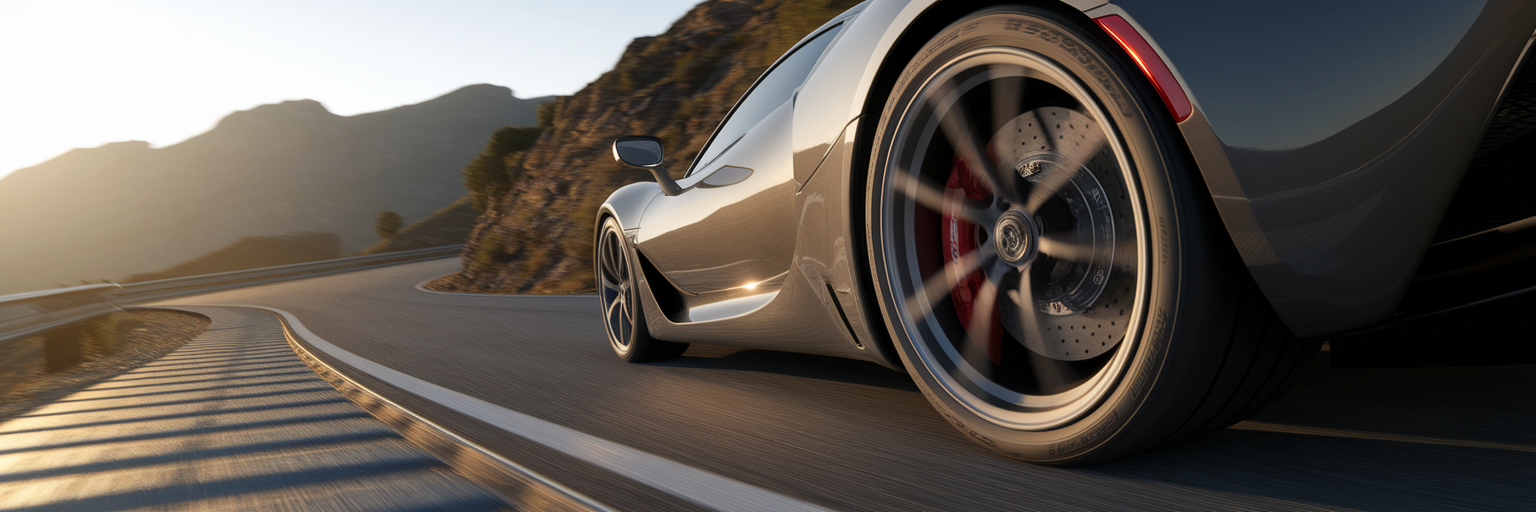
Once you have a clearer picture of your driving persona, you can start translating that identity into tangible engineering. This is where sports car performance explained becomes less about jargon and more about feeling. The numbers on a specification sheet only matter if they deliver the experience you crave.
Horsepower vs. Torque: What You Actually Feel
Many buyers fixate on horsepower, but it is torque that you feel in your gut. Think of torque as the immediate shove that pushes you back in your seat when you accelerate from a standstill. It is what makes a car feel effortlessly quick in everyday driving. Horsepower, on the other hand, defines the car’s ability to build and sustain speed at the top end of the rev range. For city driving or spirited back roads, a torque-rich engine is often more satisfying than a high-horsepower one that only comes alive at illegal speeds.
Drivetrain Dynamics: RWD, AWD, and FWD
The way a car delivers power to its wheels fundamentally shapes its character. Rear-wheel drive (RWD) is the purist’s choice, offering a balanced feel and the potential for controlled slides. All-wheel drive (AWD) provides superior traction and security in all weather conditions, though it can sometimes feel less engaging. Front-wheel drive (FWD), once dismissed by enthusiasts, has been perfected by brands like Honda into a remarkably balanced and fun setup in many sport compacts.
The Transmission Debate: Engagement vs. Speed
Do you want to be a part of the machine or just command it? A manual transmission offers an unmatched sense of connection and control, turning every gear change into a rewarding mechanical interaction. In contrast, a modern dual-clutch automatic delivers lightning-fast shifts and greater convenience, often resulting in quicker acceleration times. There is no wrong answer, only what feels right to you.
Suspension’s Role in Ride and Handling
A car’s suspension manages the constant trade-off between comfort and control. A stiff setup keeps the car flat and responsive through corners but can make daily commutes a jarring experience. A softer suspension glides over bumps but may feel less precise when pushed. Adaptive suspension systems offer the best of both worlds by adjusting firmness on the fly, but this versatility comes at a higher cost.
Practicality for Daily Life or Weekend Escapes
With the performance aspects narrowed down, it is time for a reality check. Will this car be your companion for the daily grind or a special escape for the weekend? Answering this question honestly is critical. The best sports car for daily driving needs to do more than just go fast. It requires reasonable ride comfort to handle imperfect roads, good visibility for navigating traffic, and a cabin quiet enough for phone calls or conversation. Even simple things like how easy it is to get in and out of become important when you do it multiple times a day.
In contrast, a weekend car can get away with far more compromises. A loud exhaust, a stiff ride, and a spartan interior can all be part of the charm when experienced in short, exhilarating bursts. As noted in a sports car buying guide from Kelley Blue Book, these vehicles often sacrifice everyday comfort for peak performance. The key is knowing which compromises you are willing to make. Some luxury brands are bridging this gap, with lineups like those from Genesis showing how performance and daily usability can coexist.
Before you fall in love with a particular model, consider these often-overlooked practicalities:
- Storage Space: Can you fit a week’s worth of groceries or luggage for a weekend trip? The tiny trunk of a two-seater roadster is a world away from the utility offered by a 2+2 coupe with folding rear seats.
- Cabin Ergonomics: On a long drive, seat comfort is paramount. Are the controls logically placed and easy to reach? A cluttered or confusing dashboard can quickly become an annoyance.
- Physical Footprint: A wide car with a low front splitter can be a constant source of anxiety in cities with tight parking spaces and steep driveways. Measure your garage and consider your typical routes.
Understanding the Total Cost of Ownership

The sticker price is just the beginning of your financial commitment. A complete sports car buying guide must address the Total Cost of Ownership (TCO), which includes all the expenses that follow you home from the dealership. Ignoring these can turn a dream purchase into a financial burden. Budgeting for these ongoing costs ensures you can enjoy your car without worry.
Here are the primary expenses to plan for:
- Insurance Premiums: Sports cars are associated with higher risk, which means higher insurance rates. Performance, repair costs, and theft rates all play a role. Always get insurance quotes for specific models before you commit to buying.
- Fuel Consumption: High-performance engines are thirsty. While fuel economy might not be your top priority, the cost of premium fuel can add up quickly, especially if you plan to drive the car regularly.
- Maintenance and Tires: Specialized parts mean specialized costs. Performance tires offer incredible grip but wear out much faster than standard ones. Larger brakes provide immense stopping power but come with a hefty replacement bill. Researching a model’s reliability and common issues, such as figuring out why a car is squeaking when you drive, can save you from future headaches.
- Depreciation: With a few rare exceptions, sports cars lose value over time. Some models, however, depreciate much more slowly than others. Choosing a car with a strong history of value retention is a smart financial decision that protects your investment.
Making the Most of Your Test Drive
After all the research, it is time for the most important step: the test drive. No review or spec sheet can replace the feeling you get from behind the wheel. This is where theory meets reality, and it is your best opportunity to validate your choice. When test driving a sports car, do not just take a quick spin around the block.
Plan a route that simulates your actual driving habits. Include a mix of city traffic, highway cruising, and, if possible, a few challenging corners. This is your chance to see if the car truly fits your life and expectations. As you drive, use a sensory checklist to guide your evaluation and move beyond just the raw acceleration. For more in-depth information on specific models you are considering, you can always find the latest news and reviews on our homepage at CarPhanatics.com.
Focus on these key areas:
- Feel: How does the steering communicate what the front tires are doing? Is the brake pedal firm and confidence-inspiring, or is it soft and vague? Does the throttle respond instantly to your inputs, or is there a noticeable delay?
- Fit: Does the driving position feel natural? Can you adjust the seat and steering wheel to get comfortable? Are all the essential controls within easy reach? Pay attention to visibility, especially in coupes with small rear windows.
- Sound: Listen beyond the exhaust note. At highway speeds, is there excessive wind or road noise that would become tiring on a long trip? Do you hear any rattles or squeaks that might suggest questionable build quality?
Evaluating Modern Safety and Technology
In the pursuit of driving pleasure, it is easy to overlook modern technology, but today’s safety systems are an asset, not a hindrance. Features like Electronic Stability Control (ESC) and advanced anti-lock braking systems (ABS) act as a crucial safety net. They work in the background, allowing you to explore a car’s limits with greater confidence, knowing there is a system ready to help if you make a mistake.
Driver aids also offer real-world benefits. Blind-spot monitoring is incredibly useful in a coupe with thick pillars and poor rear visibility. Passive safety, including a rigid chassis and a comprehensive airbag system, provides peace of mind. Brands with a deep performance heritage, like Ford, have successfully integrated these modern technologies without diluting the driving experience.
Ultimately, the perfect sports car is a deeply personal compromise between performance, practicality, cost, and style. The goal is not to find the fastest or most expensive car, but the one that consistently brings a smile to your face. Whether it is a nimble roadster for weekend drives or a powerful muscle car, the right choice is the one that feels like an extension of you.