
The Shift Toward Performance-Oriented Electrification
Not long ago, the term “hybrid” brought to mind images of sensible, fuel-sipping sedans designed for economy above all else. That perception is now being completely rewritten. The electric motors once used solely to nudge up mileage figures are now the key to unlocking staggering performance. For 2025, manufacturers are leveraging electrification not as a compromise, but as a competitive advantage.
The reason for this shift is simple: instant torque. While an internal combustion engine needs to build revs to deliver its peak power, an electric motor provides its full thrust from a standstill. This partnership creates an explosive, seamless wave of acceleration that a traditional engine simply cannot match on its own. This broader move towards electrification is reshaping what we expect from performance vehicles, a topic we’ve explored in depth across our electric vehicle coverage.
Of course, this introduces a significant engineering challenge. Integrating the weight of batteries and electric motors without compromising the agility expected of a sports car is a delicate balancing act. Automakers are turning to advanced, lightweight materials like carbon fibre and employing sophisticated chassis tuning to maintain a sharp, responsive feel. The result for drivers is a car that offers near-instantaneous acceleration, enhanced cornering grip through electric torque vectoring, and surprisingly, improved overall efficiency. The lineup of new performance hybrid cars for 2025 demonstrates that there is no single formula, with each brand bringing its own unique philosophy to the table.
Supercar Contenders Forging Power and Innovation
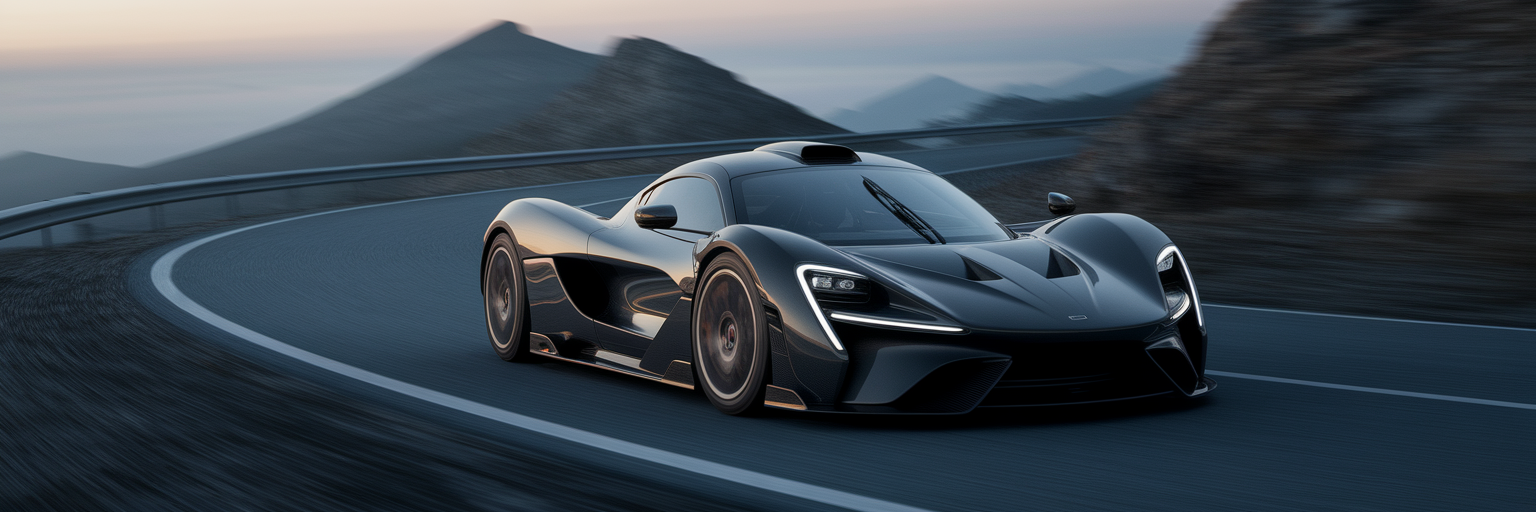
Building on that foundation of electrified performance, the supercar segment is where these concepts are pushed to their absolute limits. Here, hybrid technology is not about saving fuel but about shattering performance benchmarks. Two distinct philosophies are emerging, perfectly illustrated by Toyota and McLaren.
Toyota GR GT: Motorsport DNA with a Hybrid Heart
Born from Toyota’s Gazoo Racing motorsport division, the GR GT is a clear statement of intent. It is a race car for the road, designed with an uncompromising focus on speed. As reported by MotorTrend in its first look, the heart of this machine is a twin-turbo V8 hybrid powertrain. The projected Toyota GR GT specs are formidable, with an output expected to exceed 641 horsepower and a 0-60 mph time under three seconds. To manage this immense power while keeping the car nimble, its entire structure is built from carbon fibre reinforced polymer (CFRP), a material and technique borrowed directly from top-tier racing.
McLaren Artura: The Benchmark for Lightweight Agility
Where Toyota uses hybrid power to amplify a large engine, McLaren takes a different approach with the McLaren Artura plug-in hybrid. It represents a masterclass in lightweight engineering, pairing a compact 3.0-litre twin-turbo V6 with an axial flux electric motor. This setup is designed for more than just raw power; it is engineered for response. The electric motor provides “torque-fill,” a clever solution that completely eliminates turbo lag. The moment the driver presses the accelerator, the motor provides instant thrust, filling the split-second gap while the turbochargers spool up. The result is a power curve that feels immediate and perfectly linear, delivering the sharp feedback McLaren is known for. These two models are set to be among the fastest hybrid cars 2025 has to offer, proving that electrification is a powerful tool for creating entirely new driving experiences.
Grand Tourers Blending Luxury with Electric Thrust
While supercars chase lap times, the grand tourer (GT) category uses hybrid technology to perfect the art of crossing continents in style and comfort. Here, electrification adds a layer of silent refinement and effortless power, creating vehicles with a compelling dual personality. This is where luxury meets immense, on-demand performance.
Bentley Continental GT Speed: Redefining Effortless Power
Bentley has always been synonymous with immense, effortless torque, and the upcoming Bentley Continental GT hybrid takes this principle to a new height. Its formidable 4.0-litre V8 hybrid system is projected to produce an astonishing 771 horsepower. This power is not for aggressive track attacks but for providing a limitless-feeling surge of acceleration on the open road, all while maintaining the serene ride quality Bentley is famous for. The engineering feat lies in integrating a heavy hybrid system without disturbing the car’s luxurious composure, a task achieved through advanced adaptive air suspension and sophisticated chassis controls that constantly adjust to road conditions.
Polestar 5: An All-Electric Vision of Grand Touring
Challenging the traditional GT formula is the Polestar 5, an all-electric interpretation of a high-performance tourer. With a dual-motor setup targeting around 872 horsepower, it promises breathtaking speed. However, its most significant innovation is its 800-volt architecture. For a GT driver, this translates to a crucial real-world benefit: dramatically faster charging times. This technology directly addresses one of the main hurdles of long-distance electric travel, making the Polestar 5 a viable continent-crosser. The emergence of focused brands like Polestar in the luxury space is a fascinating trend, much like how newcomers such as Genesis have successfully carved out their own niche. Together, these vehicles demonstrate the modern GT’s ability to glide silently through city centres on electric power before unleashing explosive performance on command.
Accessible Performers Delivering Everyday Speed
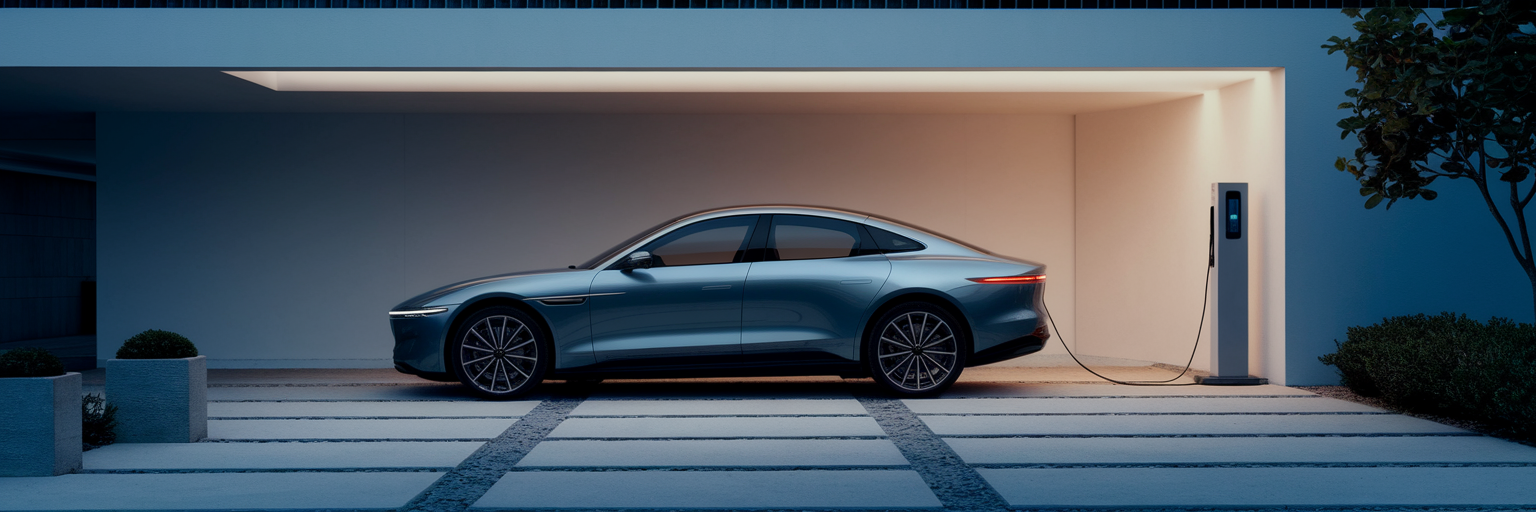
The excitement of hybrid performance is not confined to six-figure supercars and grand tourers. A growing segment of the 2025 hybrid sports cars market is focused on blending spirited driving with daily usability, making the technology more attainable for a wider range of enthusiasts. These cars answer the question: what if you need one vehicle to handle the commute, the weekend drive, and everything in between?
The 2025 Lexus LC Hybrid is a prime example of this philosophy. It is a style-conscious and refined choice, with a V6 hybrid system tuned for smooth, linear power delivery rather than brutal acceleration. It offers the ability to cruise silently on electric power in traffic, making it an elegant and efficient daily driver that still possesses a sporty character. On the other side of the spectrum is the Porsche Panamera E-Hybrid. It represents the ultimate versatile performance hybrid, combining four-door functionality and all-wheel drive with the sharp driving dynamics Porsche is renowned for.
It is important to acknowledge the trade-offs. These vehicles do not chase the extreme performance figures of a dedicated supercar. Instead, they offer a more balanced and usable package. They provide a compelling solution for the enthusiast who needs a single car to fill multiple roles, proving that performance and practicality do not have to be mutually exclusive. To stay informed on the latest models in this dynamic segment, you can always check the latest automotive news on our site.
| Category | Primary Focus | Typical Powertrain Philosophy | Ideal Use Case |
|---|---|---|---|
| Supercar Contenders | Maximum track performance and acceleration | Augmenting large or downsized ICE with electric motors for instant power and torque-fill | Track days and high-performance driving |
| Grand Tourers | Effortless long-distance speed and luxury | Large-displacement ICE with powerful electric motors for immense, smooth torque | Cross-country journeys and luxurious daily driving |
| Accessible Performers | Versatility, daily usability, and efficiency | Full or plug-in hybrid systems balanced for both electric-only range and spirited driving | Commuting, family transport, and weekend fun |
This table summarizes the distinct approaches manufacturers are taking in the performance hybrid market for 2025. The data reflects the core design intent behind each vehicle category discussed.
The Core Technologies Driving the Hybrid Revolution
Now that we have seen what these cars can do, it is worth understanding the core technologies that make it all possible. The performance gains are not just about adding a motor; they are the result of sophisticated engineering in powertrains, batteries, and software. As highlighted by sources like CarBuzz in its analysis of the market, the variety of systems shows how tailored these solutions have become.
The two primary configurations are full hybrids and plug-in hybrids (PHEVs), each with distinct advantages:
- Full Hybrids, like the system in the Lexus LC, automatically manage the blend of petrol and electric power. They cannot be plugged in and recharge their small batteries primarily through braking. Their main benefit is improved efficiency and smooth, low-speed electric cruising.
- Plug-In Hybrids (PHEVs), found in the McLaren and Porsche, feature larger batteries that can be charged from an external power source. This allows for a significant electric-only driving range, making it possible to complete daily commutes without using any fuel.
Advancements in battery and motor technology are critical. High-voltage systems, such as the 800V architecture in the Polestar 5, enable much faster charging and can sustain high power output without overheating. At the same time, electric motors have become more compact and power-dense, allowing them to be integrated without upsetting a car’s balance. The unsung hero in all of this is the software, which manages the complex interplay between the engine and motor. It enables performance-enhancing features like torque-fill to eliminate lag and regenerative braking to capture energy during deceleration, turning wasted momentum into usable power. As we look ahead, innovations like solid-state batteries and AI-driven powertrain management promise even greater capabilities, ensuring the hybrid performance story is just beginning. To continue your journey into the future of automotive technology, feel free to explore more topics on CarPhanatics.