
Initial Warning Signs and Immediate Actions
Your car’s engine generates an incredible amount of heat, and the cooling system is the unsung hero that keeps it from melting down. According to Firestone Complete Auto Care, engine overheating is one of the most common reasons drivers get stranded, and it can cause irreversible damage in minutes. Recognizing the warning signs isn’t just good practice; it’s critical for your safety and your vehicle’s survival.
Before you can think about causes, you need to react to the crisis. The signs of engine overheating are hard to miss if you know what to look for. You might see the temperature gauge needle climb into the red zone. You could see clouds of steam or white smoke billowing from under the hood. And you might notice a distinct, sweet smell, almost like maple syrup, which is the unmistakable scent of leaking antifreeze.
If you experience any of these, your next moves are crucial. Here is exactly what to do when car overheats:
- Turn off the air conditioning immediately and turn your heater on full blast. This sounds counterintuitive, but your car’s heater core acts like a secondary radiator. Turning it on pulls heat away from the engine and into the cabin, giving you a few precious moments to find a safe place to stop.
- Pull over and shut off the engine. Find the nearest safe spot to get off the road. Once you’re stopped, turn the engine off completely to prevent further damage.
- Do not open the hood right away. More importantly, never attempt to open the radiator cap when the engine is hot. The cooling system is highly pressurized, and opening the cap can release a violent spray of boiling coolant, causing severe burns. Let the engine cool for at least 30 minutes before you even consider touching anything under the hood.
Common Culprits Behind an Overheating Engine
Once the immediate danger has passed and the engine has cooled, the question becomes: why did this happen? Understanding the most common car engine overheating causes can help you identify the root of the problem. These issues range from simple fixes to major repairs, but they all disrupt the cooling system’s ability to manage heat.
The most frequent offender is simply a low coolant level. Coolant, or antifreeze, is the lifeblood of the system, absorbing heat from the engine and carrying it to the radiator. If the level is low, it’s almost always due to a leak somewhere in the system. These are classic low coolant level symptoms that often go unnoticed until it’s too late. Another common issue is a failed thermostat. Think of it as a valve that controls coolant flow. When it gets stuck closed, it blocks coolant from reaching the radiator, causing the engine to overheat quickly.
Deeper within the system, you might have a failing water pump. This component is the heart of the cooling system, responsible for circulating coolant. If it fails, the coolant stagnates, and heat builds up rapidly. Similarly, a clogged radiator or a broken cooling fan can trap heat. The radiator dissipates heat into the air, and the fan helps, especially at low speeds. If either isn’t working, the heat has nowhere to go. While overheating points to the cooling system, other symptoms can be confusing. If your vehicle is also having trouble starting, it’s worth understanding the potential reasons we’ve outlined, as some issues can overlap.
Finally, the most severe cause is a blown head gasket. This gasket seals the engine’s combustion chambers from its coolant passages. When it fails, hot exhaust gases are forced into the cooling system, overwhelming it with heat and pressure.
Common Overheating Causes and Their Characteristics
| Component | Function | Common Failure Symptom | Typical Repair Complexity |
|---|---|---|---|
| Coolant | Absorbs and transfers engine heat | Sweet smell, visible puddles (green/orange/pink) | Low (if topping off) to Medium (if fixing a leak) |
| Thermostat | Regulates coolant flow to the radiator | Engine overheats quickly; top radiator hose is cool | Low to Medium |
| Water Pump | Circulates coolant through the engine | Whining noise from engine bay, coolant leak from the pump | Medium to High |
| Radiator / Cooling Fan | Dissipates heat from the coolant | Fan doesn’t spin when hot; visible debris on radiator fins | Medium |
| Head Gasket | Seals combustion chamber from coolant passages | White smoke from exhaust, milky oil, constant bubbling in coolant | High |
Basic Diagnostic Checks You Can Perform
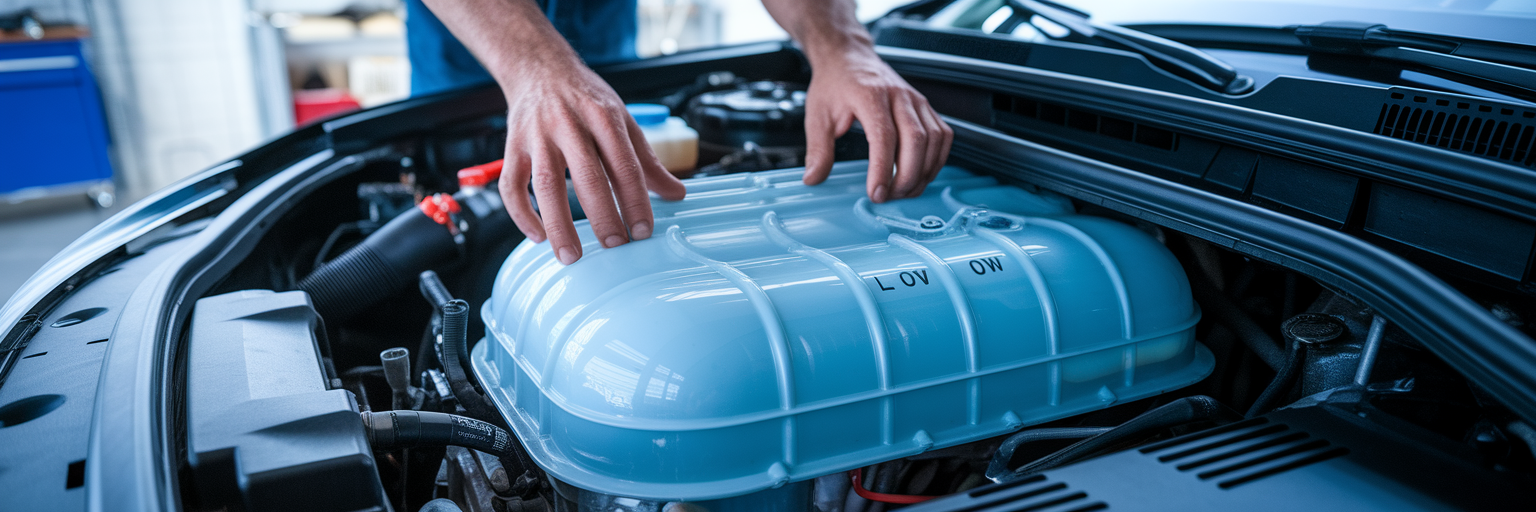
With an understanding of what might be wrong, you can perform a few simple checks yourself. These steps won’t solve every problem, but they can help you pinpoint obvious issues and communicate more effectively with a mechanic. Remember, safety first: always wait until the engine is completely cold before performing any of these inspections.
- Safely Check the Coolant Level. Locate the translucent plastic coolant reservoir, which is usually mounted to the side of the engine bay. The fluid level should be between the “MIN” and “MAX” lines marked on the side. If it’s low, you’ve likely found a primary contributor to your problem. Again, do not open the metal radiator cap itself.
- Perform a Visual Leak Inspection. Place a large piece of cardboard under your car overnight. In the morning, check for any colorful drips. Green, orange, or pink fluid indicates a coolant leak. You should also visually inspect the rubber hoses connected to the radiator and engine. Look for cracks, bulges, or soft, spongy spots, which are signs of a hose about to fail.
- Test the Electric Cooling Fan. This is a simple but effective test. With the engine cold, start the car and turn the air conditioning on its highest setting. This usually forces the cooling fan to engage. Look through the grille; the fan or fans behind the radiator should start spinning. If they don’t, the fan motor, a fuse, or a sensor could be the culprit.
Once you’ve checked for leaks and fan function, it’s also a good habit to listen for other unusual sounds. If you’ve been wondering ‘why is my car squeaking when I drive?‘, now is a good time to try and pinpoint the source while you’re already investigating.
Professional Diagnostic Tools and Techniques
While your own eyes and ears can spot obvious problems, some cooling system failures are subtle and require specialized equipment to diagnose accurately. This is where a professional mechanic earns their keep. They use specific tools to find the exact point of failure without guesswork.
One of the most common tools is a cooling system pressure tester. A mechanic attaches this device to the radiator or coolant reservoir and pumps air into the system. This pressure forces coolant out of even the tiniest, most hidden leaks, making them easy to spot. It’s far more reliable than just looking for drips. As noted by Fleet Maintenance magazine, technicians rely on tools like these to reduce misdiagnosis rates significantly.
For modern vehicles, an OBD-II scan tool is essential. This device plugs into your car’s computer and reads fault codes and live data from sensors. It can instantly tell a technician if the engine temperature sensor is faulty and sending incorrect information. These sophisticated diagnostic tools are essential for modern vehicles, where the cooling system is tightly integrated with the engine control unit, a trend seen in luxury SUVs like the upcoming 2026 Genesis GV70.
To diagnose a suspected blown head gasket, mechanics use a combustion leak detector. This tool samples the air in the cooling system and uses a special chemical fluid that changes color if it detects exhaust gases. This provides definitive proof of a head gasket failure without tearing the engine apart. They may also use an infrared thermometer to aim at the radiator and find “cold spots,” which indicate internal clogs that are blocking coolant flow.
Solutions for Common Overheating Issues
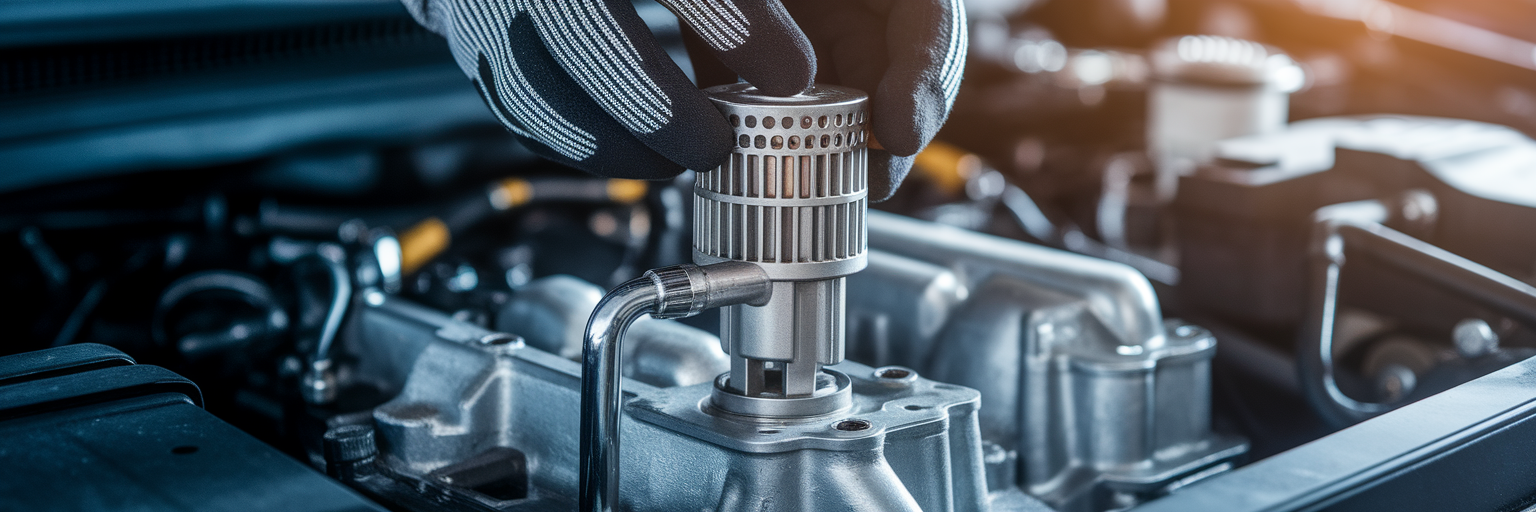
Once the problem is diagnosed, the next step is the repair. Knowing how to fix an overheating car depends entirely on the cause. Some solutions are simple enough for a weekend DIY project, while others are best left to a professional with the right tools and experience.
The most basic service is a coolant flush and refill. This involves draining the old, degraded fluid and replacing it with a fresh mixture. It’s critical to use the correct type of antifreeze specified by your vehicle’s manufacturer and to mix it 50/50 with distilled water. This simple maintenance removes sludge and restores the coolant’s anti-corrosive properties.
Replacing a thermostat or radiator cap are also high-impact, low-cost repairs. A new thermostat ensures proper temperature regulation, while a new cap maintains the correct pressure in the system. These are often manageable DIY jobs for those with basic tools.
However, it’s important to know your limits. While topping off coolant is simple, replacing a water pump or radiator can be a complex task. On larger vehicles like the 2025 Ford F-150, the job can be significantly more complex due to tight spaces and the need for specialized tools. These jobs are typically best left to a professional.
A blown head gasket repair is the most intensive and expensive fix. It requires a technician to remove the cylinder head from the engine block, replace the gasket, and often machine the surfaces to ensure a perfect seal. It’s a labor-heavy job, which is why the repair cost is so high, but ignoring it will lead to complete engine failure.
Preventative Maintenance for a Healthy Cooling System
The best way to deal with an overheating engine is to prevent it from happening in the first place. A little proactive care goes a long way in keeping your cooling system reliable and your engine safe. It all starts with the fluid itself.
Maintaining a 50/50 ratio of coolant to distilled water is non-negotiable. This mixture provides the perfect balance, preventing the fluid from boiling over in the summer and freezing solid in the winter. Using tap water is a common mistake; its minerals can cause corrosion and build up inside the narrow passages of your radiator and engine.
It’s also important to understand the danger of old coolant. Over time, the anti-corrosive additives in antifreeze break down. When this happens, the fluid becomes acidic and starts to eat away at the metal components of your cooling system. This corrosion creates rust and sludge that can clog the radiator, heater core, and engine block, leading to chronic overheating issues that are difficult to trace.
As a general rule, you should plan for a cooling system flush and refill every two years or 30,000 miles. However, this is just a guideline. Always consult your vehicle’s owner’s manual for the specific service interval recommended by the manufacturer. By following a regular maintenance schedule and staying informed on the latest in automotive care, you can keep your vehicle running reliably for years to come. For more tips and news, visit Carphanatics.