Setting the Stage for a Full-Size Truck Showdown
The rivalry between the Ford F-150 and Toyota Tundra is a long-standing battle in the American truck market. Ford’s F-Series has dominated sales charts for decades, becoming a benchmark for capability and innovation. In the other corner, the Tundra has carved out a loyal following built on a foundation of legendary durability and steadfast reliability. Many buyers are searching for a direct 2025 Toyota Tundra vs 2025 Ford F-150 V8 comparison, but there’s a fundamental shift to understand first.
Toyota has moved away from V8 engines in its latest generation Tundra. The powerhouse is now the i-FORCE 3.4L twin-turbo V6, a modern engine designed for low-end torque and efficiency. Ford, however, continues to offer its celebrated 5.0L V8, a powertrain that delivers the traditional sound and linear power delivery many truck owners expect. This comparison, therefore, pits Ford’s classic V8 muscle against Toyota’s advanced V6 engineering, as these represent the core gasoline philosophies of each brand for their most popular trucks.
To keep the analysis relevant for the majority of buyers, we will focus on the popular CrewMax (Tundra) and SuperCrew (F-150) four-door configurations. We will examine how these two distinct powertrain approaches affect everything from engine dynamics and real-world capability to interior comfort and long-term value.
Engine Performance and Powertrain Dynamics
The heart of this comparison lies in how each truck generates and delivers power. The Ford F-150 holds true to tradition with its 5.0L “Coyote” V8. The latest F-150 V8 specs show it produces around 400 horsepower at a high 6,000 rpm and 410 lb-ft of torque at 4,250 rpm. This is a powertrain that loves to rev, delivering its strength in a smooth, predictable climb up the tachometer. It’s paired with a sophisticated 10-speed automatic transmission that generally provides seamless shifts, though it can sometimes hunt for the right gear under light throttle.
In contrast, the 2025 Toyota Tundra’s 3.4L i-FORCE twin-turbo V6 offers a completely different character. It produces 389 horsepower at a lower 5,200 rpm, but its main advantage is a massive 479 lb-ft of torque available at just 2,400 rpm. This immediate, low-end grunt is the magic of modern turbocharging. The sensation from behind the wheel is one of effortless acceleration from a standstill. Any Tundra i-FORCE V6 review will note that the power feels instantly accessible, making the truck feel surprisingly quick in city driving. Its 10-speed automatic is well-calibrated to keep the engine in its sweet spot.
The driving experience is also audibly different. The F-150 delivers the satisfying, deep rumble that V8 enthusiasts crave. The Tundra is much more subdued, with a refined and modern engine note that prioritizes quietness over acoustics. While 0-60 mph times are closely matched, the Tundra often feels quicker off the line due to its instant torque. In terms of fuel economy, EPA estimates for 4×4 models are competitive, but the twin-turbo V6 can be more sensitive to driving style. A heavy foot in the Tundra will see fuel consumption rise more dramatically than in the naturally aspirated F-150.
Towing Muscle and Hauling Capability
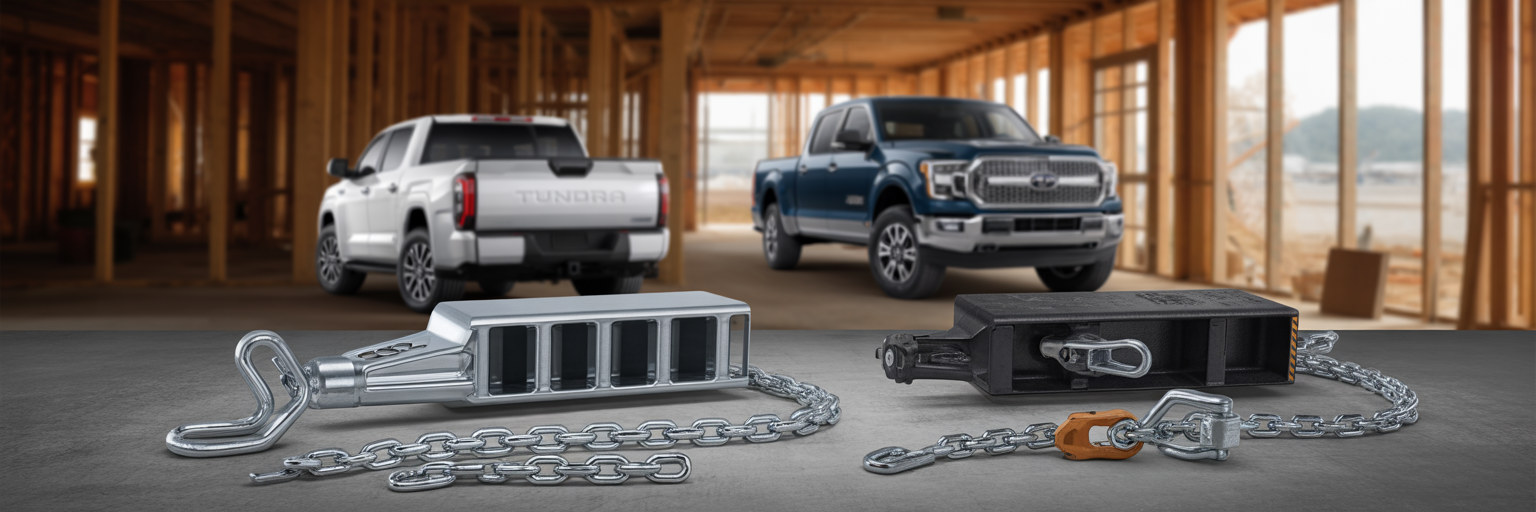
While engine specs tell part of the story, true capability is measured by how these trucks perform under load. When it comes to the raw numbers, the Ford F-150 maintains a slight edge in maximum capacity. A look at the Tundra vs F-150 towing capacity reveals that a properly configured 2025 Ford F-150 can out-pull and out-haul its rival.
| Specification | 2025 Toyota Tundra (i-FORCE V6) | 2025 Ford F-150 (5.0L V8) |
|---|---|---|
| Max Towing Capacity | Up to 12,000 lbs | Up to 13,500 lbs |
| Max Payload Capacity | Up to 1,940 lbs | Up to 2,230 lbs+ |
| Engine Horsepower | 389 hp @ 5,200 rpm | ~400 hp @ 6,000 rpm |
| Engine Torque | 479 lb-ft @ 2,400 rpm | ~410 lb-ft @ 4,250 rpm |
| Rear Suspension | Multi-link with Coil Springs | Leaf Springs |
Note: Figures are based on the latest available 2025 model year data for properly equipped CrewMax/SuperCrew configurations. Specific ratings can vary based on trim, drivetrain, and optional packages. Ford’s V8 payload can exceed this figure with specific configurations.
Beyond the numbers, suspension design creates a significant difference. The F-150 uses a traditional leaf spring rear suspension, a design proven for its durability and strength under heavy loads. It manages weight with confidence, providing a stable platform for serious work. The Tundra, however, comes standard with a multi-link rear suspension with coil springs. This more modern setup improves ride quality but can feel slightly less planted than the F-150 when approaching its maximum towing limit without optional air springs. For a contractor hauling equipment daily, the F-150’s robust feel might be preferable. For the weekend warrior towing a boat, the Tundra is more than capable.
Both trucks offer impressive towing technology. Ford’s Pro Trailer Backup Assist allows you to steer the trailer with a simple knob, while Toyota’s Trailer Back-Up Guide with Straight Path Assist helps you reverse in a straight line automatically. These features make a real difference, turning a stressful task into a manageable one.
Ride Quality, Handling, and Overall Comfort
The conversation about suspension continues when we look at the daily, unladen driving experience. This is where the Tundra’s engineering choices truly shine. Its multi-link coil spring rear suspension, which can be a slight compromise for maximum payload, delivers a significantly smoother and more composed ride on bumpy roads. It absorbs imperfections with an almost SUV-like grace, making it an exceptionally comfortable daily driver. We’ve all felt that jarring shudder from the rear of an empty truck hitting a pothole; the Tundra largely eliminates that sensation.
The F-150, with its work-focused leaf springs, feels more like a traditional truck. The ride is firmer and can be jittery over rough pavement when the bed is empty. While Ford has made great strides in tuning its suspension, the fundamental design difference is apparent. Some buyers may actually prefer this stiffer feel, as it communicates a sense of ruggedness and capability even on a trip to the grocery store.
In terms of handling, both trucks are surprisingly agile for their size. The Tundra’s steering feels direct and responsive, while the F-150 is predictable and easy to place on the road. Cabin quietness is another area where the Tundra excels, with impressive isolation from wind and road noise at highway speeds. The F-150 is by no means loud, but the Tundra’s cabin provides a more serene environment for long journeys.
A Look Inside the Cabin and Technology
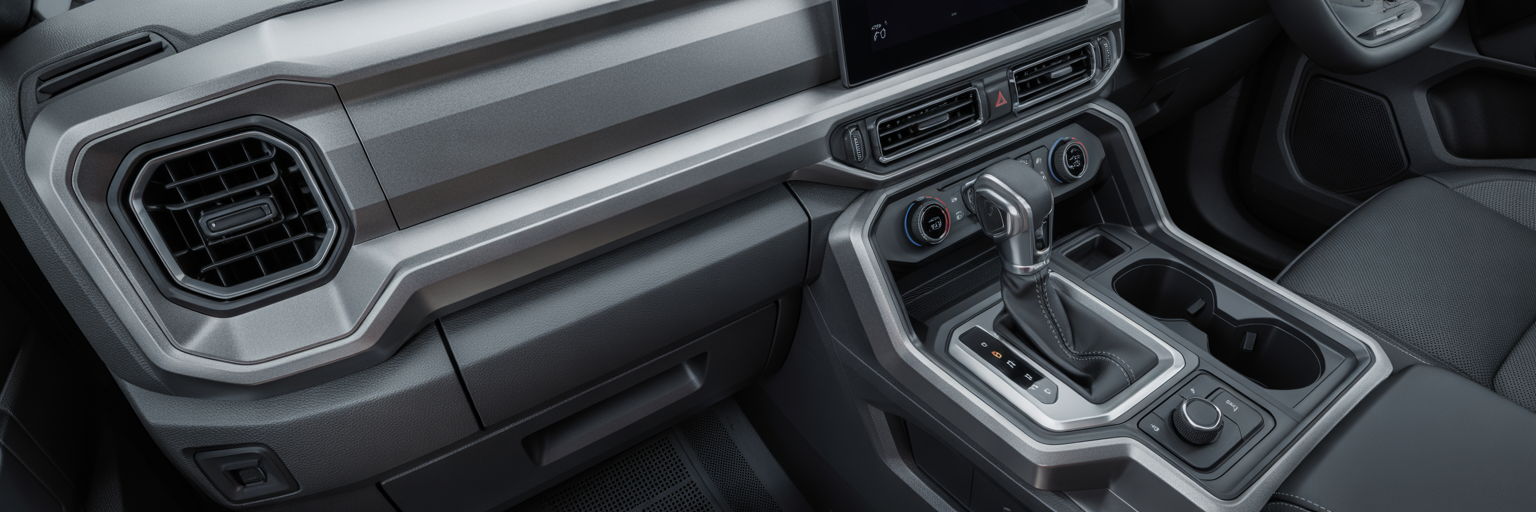
Inside, both trucks offer a blend of functionality and modern technology, but with different design philosophies. The choice between them often comes down to personal preference in ergonomics and user interface.
Infotainment and Connectivity
In popular mid-level trims like the Tundra SR5 and F-150 XLT, both trucks feature large central touchscreens. Toyota’s system is generally praised for its responsiveness and intuitive layout, while Ford’s SYNC 4 system is powerful and feature-rich. Both offer standard wireless Apple CarPlay and Android Auto, making smartphone integration seamless. The Tundra’s screen is landscape-oriented and feels well-integrated, whereas the F-150 offers an available 12-inch screen that can feel like a command center for your work and life.
Driver-Assist Suites
Both brands make safety a priority. The Tundra comes standard with Toyota Safety Sense 2.5, which includes:
- Pre-Collision System with Pedestrian Detection
- Full-Speed Range Dynamic Radar Cruise Control
- Lane Departure Alert with Steering Assist
The F-150 counters with its Ford Co-Pilot360 suite, which offers a similar set of features. A key advantage for Ford is the availability of BlueCruise, a hands-free highway driving system that is more advanced than what Toyota currently offers in the Tundra.
Cabin Design and Practicality
The Tundra’s interior has a chunky, durable aesthetic with large, easy-to-use controls. It feels built to last. The F-150’s cabin is a masterclass in practicality, with clever solutions like the available Interior Work Surface, which allows the shifter to fold flat to create a desk. Rear-seat legroom is generous in both the CrewMax and SuperCrew, but the F-150’s completely flat rear floor makes it slightly more versatile for hauling cargo inside the cab. Material quality is comparable in equivalent trims, with a mix of hard-wearing plastics and soft-touch surfaces.
Safety Ratings and Standard Features
When it comes to protecting occupants, both the Tundra and F-150 perform admirably in crash tests. According to U.S. News & World Report, which aggregates official data, both trucks have historically earned high marks from the National Highway Traffic Safety Administration (NHTSA) and the Insurance Institute for Highway Safety (IIHS). For the 2025 model year, you can expect both to receive strong ratings, with the Tundra earning a Top Safety Pick+ award from the IIHS in previous years.
What’s more important is that critical safety technologies are no longer reserved for top-tier trims. Both trucks come standard with a robust suite of active safety features, including:
- Automatic Emergency Braking: Helps prevent or mitigate frontal collisions.
- Lane Keeping Assist: Provides steering input to keep the truck centered in its lane.
- Automatic High Beams: Adjusts headlight intensity for oncoming traffic.
This standardization means that regardless of which truck you choose, you are getting a vehicle equipped with modern safety aids designed to prevent accidents before they happen.
Value Proposition and Long-Term Ownership Costs
The financial equation is a critical part of any vehicle purchase. Starting MSRPs for a comparably equipped 2025 Tundra SR5 CrewMax 4×4 and an F-150 XLT SuperCrew 4×4 with the V8 are typically very close. However, the story of value extends far beyond the initial sticker price. This is where the debate over Ford vs Toyota truck reliability becomes central.
Toyota has built an unparalleled reputation for long-term durability and high resale value. Tundras are known to hold their value exceptionally well, which significantly lowers the total cost of ownership over five or ten years. This financial predictability is a major reason many buyers choose Toyota. The F-150 also boasts strong resale value, thanks to its immense popularity, but historically it has not matched the Tundra’s chart-topping performance in this area.
Warranty coverage is similar, with both offering 3-year/36,000-mile bumper-to-bumper and 5-year/60,000-mile powertrain warranties. However, Toyota adds a significant perk with ToyotaCare, a complimentary plan that covers normal factory-scheduled maintenance for 2 years or 25,000 miles. This adds tangible, out-of-pocket savings during the first two years of ownership that Ford does not match. The F-150 may offer more frequent incentives and a wider range of configurations, but the Tundra’s long-term value proposition is hard to ignore when planning your automotive finances on Carphanatics.
Final Verdict: The Right Truck for the Job
After comparing these two titans, it’s clear that they are designed for slightly different buyers. The choice between them depends entirely on your priorities. There is no single best full-size truck 2025 for everyone, but there is a right truck for you.
Why Choose the 2025 Ford F-150 V8:
- You prioritize maximum towing and payload capability above all else.
- You want the traditional sound and linear power delivery of a naturally aspirated V8.
- You value endless customization options and innovative work-focused features like Pro Power Onboard.
- You need the absolute highest capacity for professional or demanding recreational use.
Why Choose the 2025 Toyota Tundra:
- You value a smooth, comfortable daily ride more than ultimate capability.
- Long-term reliability and high resale value are your top financial priorities.
- You prefer the modern, effortless low-end torque of a twin-turbo V6.
- You want a generous suite of standard features and complimentary maintenance.
Ultimately, the decision is clear. The Ford F-150 V8 remains the undisputed champion for those who need a workhorse without compromise. Its superior capability and practical innovations make it the go-to choice for serious hauling. The Toyota Tundra, on the other hand, is the smarter pick for the modern truck owner who uses their vehicle as a daily driver just as often as a tool. Its blend of comfort, reliability, and modern efficiency makes it an outstanding all-around package.