For decades, the rivalry between the Honda Accord and Toyota Camry has been a defining story in the American automotive market. It’s a competition that has played out in driveways, on highways, and in family budgets across the country. The 2026 model year marks the next chapter in this battle, but the battlefield has shifted. This is a war fought on the hybrid frontier, where efficiency, technology, and driving pleasure collide.
This comparison is more than just a spec sheet showdown. It’s about two distinct philosophies for the modern driver. The 2026 Honda Accord Hybrid represents a clear push toward a more premium, driver-focused experience. It asks for more of your budget, signaling its ambition to feel like a step up. On the other side, the 2026 Toyota Camry Hybrid doubles down on its legacy of supreme reliability and efficiency, a formula that has earned the trust of millions. Hybrid sedans have evolved far beyond their origins as quirky, economy-first vehicles. They are now mainstream powerhouses that blend performance with impressive savings at the pump.
This evolution makes the choice between these two titans more significant than ever. The pricing tells a crucial part of the story. The Accord Hybrid’s higher starting point, around $43,700, is a statement of its near-luxury intentions. It contrasts sharply with the Camry Hybrid’s more accessible entry price of about $35,075, which firmly plants its flag in the territory of value and practicality. This financial gap frames the central question for any prospective buyer. Do you prioritize a refined, engaging experience that feels special every day, or do you lean toward the quiet confidence that comes with proven, cost-effective dependability?
The decision isn’t simple, as both vehicles are exceptional. This kind of in-depth analysis is what we specialize in, and you can explore many more vehicle showdowns on our site to see how different models stack up. For now, this article will dissect every aspect of the 2026 Accord and Camry hybrids to help you determine which one truly aligns with your needs. We will not focus on specific performance or interior details in this introduction. Instead, we are setting the stage for a comprehensive comparison that will define the stakes and guide you to the right choice.
Powertrain Performance and Fuel Economy
At the heart of this rivalry are two brilliant but fundamentally different approaches to hybrid power. Understanding how each car generates motion is key to appreciating its unique character on the road. One is engineered for engagement, the other for ultimate, unobtrusive efficiency.
Engineering Philosophies: Two Paths to Efficiency
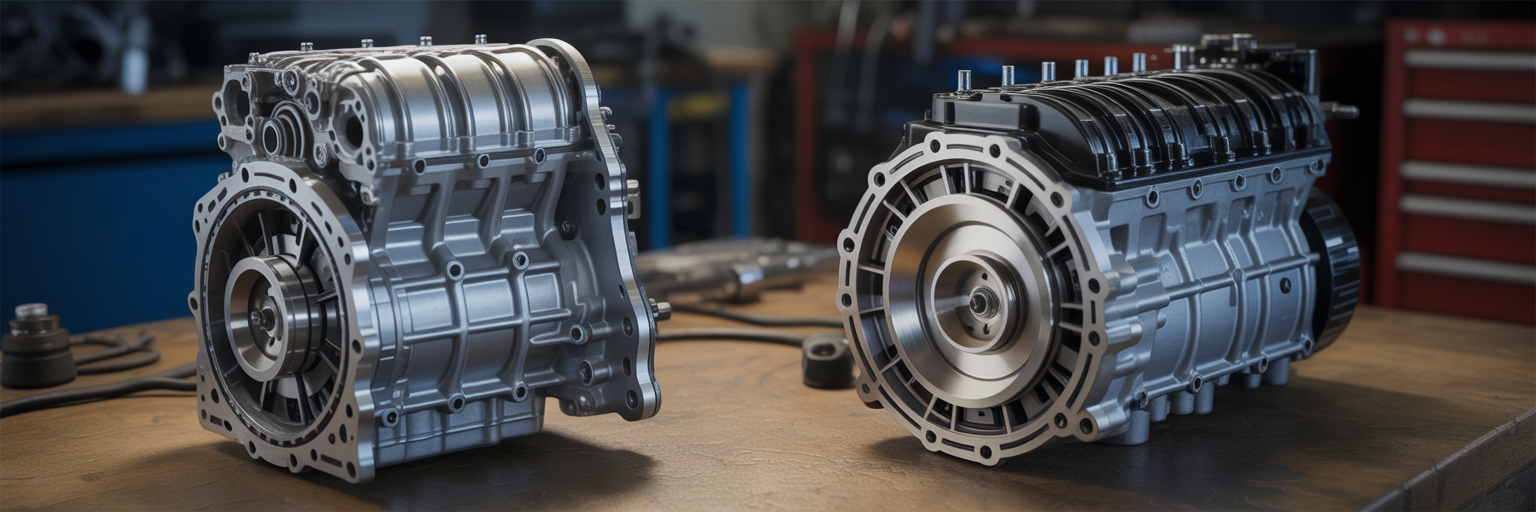
Honda and Toyota have spent years perfecting their hybrid systems, and their current iterations are masterpieces of engineering. Honda’s two-motor hybrid system is unique in its operation. At lower speeds and under gentle acceleration, the gasoline engine often acts as a generator, powering an electric motor that drives the wheels. This makes the Accord feel surprisingly like an electric vehicle in city traffic, delivering smooth, instant torque without the direct intervention of the engine. It’s a sophisticated setup that prioritizes a seamless and responsive feel.
Toyota, in contrast, uses its legendary Hybrid Synergy Drive. This system is built around a planetary gearset that continuously blends power from the gasoline engine and electric motors. Think of it as a brilliant mechanical mediator, always adjusting the power mix to achieve maximum efficiency. It’s a design that has been proven over millions of vehicles and hundreds of billions of miles. Its complexity is hidden from the driver, resulting in an incredibly reliable and predictable powertrain engineered for one primary goal: squeezing the most distance out of every gallon of fuel.
Acceleration and Real-World Responsiveness
These differing philosophies translate directly to how the cars feel when you press the accelerator. The Accord Hybrid’s throttle response is tuned to be more spirited. It feels eager and ready to go, making it satisfying during city driving and confident when merging onto a busy highway. The instant torque from the electric motor gives it a punchiness that can be genuinely fun. A comparison test from Car and Driver highlighted the Accord Hybrid’s more responsive nature, noting its quicker reaction times.
The Camry Hybrid’s acceleration is best described as competent and composed. It gets up to speed with a deliberate smoothness, never feeling strained but also never trying to be a sports sedan. The powertrain is calibrated to avoid sudden bursts of power that would hurt fuel economy. For the driver who wants a calm, stress-free commute, the Camry’s measured approach is perfect. It does its job quietly and efficiently, without any unnecessary drama.
The Bottom Line: Fuel Economy Numbers
When it comes to the numbers, both sedans are champions of efficiency. The 2026 Toyota Camry Hybrid, particularly in its front-wheel-drive configurations, often stands out as the most fuel efficient midsize sedan available, with EPA estimates frequently exceeding 50 MPG combined. The 2026 Honda Accord Hybrid is not far behind, posting excellent figures that are still at the top of the class.
However, real-world driving can tell a slightly different story. The Accord’s engaging nature might tempt you into a more aggressive driving style, which can easily pull your average MPG down. Its responsiveness is rewarding, but those rewards come at a small cost in fuel. The Camry, on the other hand, almost encourages you to drive economically. Its smooth, gentle power delivery makes it easy and natural to achieve those impressive EPA numbers. While these sedans are exceptionally efficient, buyers who need more utility might be curious how modern trucks are also improving. You can explore this in our guide on which 2025 trucks offer the best towing and fuel economy. In summary, the Accord’s powertrain offers a refined, almost sporty character, while the Camry’s is the benchmark for quiet, economical, and utterly stress-free operation.
Ride Quality and Handling Dynamics
The engineering differences under the hood create two distinct personalities on the road. How a car feels as it glides over pavement or carves through a corner is just as important as its acceleration. This is where the choice between the Accord and Camry becomes a matter of physical sensation and driver preference. One connects you to the road, while the other provides a serene escape from it.
Comfort and Composure: The On-Road Feel
The 2026 Honda Accord Hybrid delivers a ride that feels surprisingly sophisticated. Its suspension is tuned to be both comfortable and controlled, effectively absorbing bumps and road imperfections without feeling floaty or disconnected. It manages to isolate the cabin from the harshness of a poorly maintained road, giving it a composure that borders on what you’d expect from a near-luxury vehicle. The feeling is one of solid, well-damped stability that inspires confidence on any surface.
The 2026 Toyota Camry Hybrid, by contrast, prioritizes softness. Its ride is plush and comfortable, especially during typical daily commutes on relatively smooth roads. It excels at creating a calm, quiet environment for the driver and passengers. However, when faced with larger bumps or uneven pavement, it can feel less composed than the Accord. The suspension is tuned for maximum comfort in most situations, but it lacks the sophisticated damping that gives the Honda its premium feel. It’s a classic midsize sedan ride, perfected for comfort above all else.
Driver Engagement: Cornering and Steering
When the road starts to curve, the Accord Hybrid reveals itself as the clear athlete of the two. This is where a detailed Honda Accord Hybrid review of its handling truly shines. The steering is responsive and precise, giving you a clear sense of connection to the front wheels. There is minimal body roll, and the chassis feels communicative and agile. It’s a car that can be genuinely enjoyable to drive on a winding road, encouraging you to take the scenic route home. It never forgets it’s a family sedan, but it has a spark of sportiness that is hard to ignore.
The Camry Hybrid’s handling is best described as safe, predictable, and secure. The steering is light and requires little effort, making it perfect for navigating tight parking lots or cruising down the highway. It remains stable and composed through corners, but it doesn’t provide the same level of feedback or engagement as the Accord. The Camry is designed for drivers who see their commute as a task to be completed with minimal effort and maximum peace of mind. It insulates you from the nuances of the road, delivering an effortless and stress-free experience from point A to point B.
Interior Design, Comfort, and Technology
Stepping inside these two sedans reveals just as much about their differing philosophies as driving them does. The cabin is where you will spend all your time, and the choices made in materials, technology, and ergonomics have a huge impact on the ownership experience. The Accord aims for a premium, modern aesthetic, while the Camry focuses on straightforward practicality and durability.
Materials and Craftsmanship: Premium vs. Practical
The 2026 Honda Accord Hybrid’s interior makes a strong first impression. The design is clean and upscale, with a prominent metal-mesh trim that spans the dashboard, cleverly hiding the air vents. Most surfaces you touch are soft, and the overall build quality feels solid and substantial. It’s an environment that feels thoughtfully designed and well-executed, helping to justify the car’s higher price point. You get the sense that Honda’s designers aimed to create a cabin that feels a class above.
The 2026 Toyota Camry Hybrid’s interior is built with a different priority: function. The design is logical and user-friendly, but it relies more on durable, harder plastics. While these materials are chosen for their ability to withstand years of use and abuse, they don’t impart the same premium feel as the Accord’s cabin. The focus here is on practicality and longevity. It’s a workspace designed to be comfortable and last a long time, rather than a lounge designed to impress.
Infotainment and Connectivity
In today’s market, the technology interface is a critical part of the driving experience. The Accord takes a clear lead with a standard 12.3-inch touchscreen across all hybrid trims. Higher trims also feature Google built-in, which seamlessly integrates Google Maps, Google Assistant, and other apps for a modern, smartphone-like experience. The available 12-speaker Bose premium sound system is tuned to provide crisp, clear audio.
The Camry comes standard with a smaller 8.0-inch touchscreen, though a larger 12.3-inch screen is available on higher trims. The system is known for its straightforward operation and reliability. It may not have the cutting-edge feel of the Accord’s Google integration, but it gets the job done without fuss. Both vehicles offer standard wireless Apple CarPlay and Android Auto. For audio, the Camry offers an available 9-speaker JBL premium system that delivers solid performance. Finding this level of technology is becoming more common, and for those considering other body styles, our list of the best hybrid SUVs under $35k offers similar insights into value-packed features.
| Feature | 2026 Honda Accord Hybrid | 2026 Toyota Camry Hybrid |
|---|---|---|
| Standard Infotainment Screen | 12.3-inch Touchscreen | 8.0-inch Touchscreen |
| Available Infotainment Screen | 12.3-inch with Google built-in | 12.3-inch Touchscreen |
| Standard Digital Gauge Cluster | 10.2-inch Digital Instrument Cluster | 7.0-inch Digital Instrument Cluster |
| Available Premium Audio | 12-speaker Bose Premium Sound System | 9-speaker JBL Premium Audio System |
| Wireless Apple CarPlay/Android Auto | Standard | Standard |
Cabin Comfort and Ergonomics
Both sedans offer comfortable and spacious cabins, but they excel in different areas. The Accord has earned a reputation for its excellent front-seat comfort. The seats are supportive and well-shaped, making them ideal for long road trips. The driving position is spot-on, giving you a good view of the road and easy access to all controls.
The Camry, while also comfortable up front, often gets praised for its spacious and practical rear-seat area. The cabin feels airy, and there is ample legroom and headroom for adult passengers in the back. This makes the Camry a strong choice for families or anyone who frequently carries passengers. The ergonomics in both cars are sound, but your priority might shift depending on whether you’re usually driving alone or with a full car.
Safety, Reliability, and Ownership Costs
A car is a long-term commitment, and the purchase price is only the beginning of the financial story. Factors like safety, reliability, and overall ownership costs are where the practical differences between the Accord and Camry become most apparent. This is where Toyota’s legendary reputation often becomes the deciding factor for many buyers.
Advanced Safety Suites: Honda Sensing vs. Toyota Safety Sense
Both Honda and Toyota are leaders in democratizing advanced safety technology. The 2026 Accord comes standard with the latest version of Honda Sensing, while the 2026 Camry features Toyota Safety Sense. Both suites include a comprehensive array of driver-assistance features like adaptive cruise control, lane-keeping assist, and automatic emergency braking. For the 2026 models, these systems have been refined for more natural operation. Often, drivers report that Honda’s lane-keeping and adaptive cruise control systems feel slightly more intuitive and human-like in their interventions, but both are excellent at reducing driver fatigue and improving safety.
The Reliability Benchmark
When it comes to reliability, one name stands above the rest. The discussion around Toyota Camry Hybrid reliability is less of a question and more of a statement. Toyota has built an empire on its reputation for bulletproof durability and low maintenance needs. The hybrid system, in particular, is known for its incredible longevity. This gives owners a profound sense of peace of mind. The Honda Accord also has a very strong reliability record and is consistently ranked as one of the most dependable vehicles in its class. However, it competes against a legend. While the Accord is excellent, the Camry is the undisputed industry benchmark for long-term, trouble-free ownership.
Long-Term Financial Picture
A complete breakdown of the Accord vs Camry ownership cost reveals a clear advantage for the Toyota. While the Accord’s premium experience may feel worth the initial investment, the Camry is the champion for the budget-conscious buyer. According to data from sources like U.S. News & World Report, both sedans score highly, but the Camry consistently holds an edge in predicted reliability ratings, reinforcing its reputation. Here are the key financial factors to consider:
- Resale Value: Both vehicles hold their value exceptionally well. However, the Camry’s lower initial purchase price and stellar reputation often mean that owners lose less money in total depreciation over the life of the vehicle.
- Insurance Costs: Costs are generally comparable, but insurance rates can vary slightly based on specific trim levels, local data, and the perceived repair costs of their advanced safety systems. It is always wise to get quotes for both.
- Maintenance and Repairs: This is where the Camry’s advantage is most pronounced. Thanks to its long-proven components and vast production scale, parts and labor for the Camry are historically among the most affordable in the industry. Over a decade of ownership, these small savings can add up significantly.
The Final Verdict: Which Hybrid Is Your Perfect Match?
After examining every angle of the 2026 Honda Accord vs Toyota Camry debate, it’s clear that there is no single winner. Instead, there are two exceptional sedans designed for two different types of buyers. The best choice is not about which car is superior overall, but which car is the perfect match for your priorities, your budget, and your definition of a great vehicle.
To make the decision easier, we have created two distinct buyer profiles. See which one sounds more like you.
The 2026 Honda Accord Hybrid is for you if:
- You prioritize a premium, near-luxury driving experience and interior feel.
- You value an engaging, spirited ride with responsive handling.
- You want the latest in-cabin technology and a modern design aesthetic.
- You are willing to pay a premium for a more sophisticated and complete package.
The 2026 Toyota Camry Hybrid is for you if:
- Your top priorities are proven reliability and peace of mind.
- You seek the lowest possible long-term ownership costs and maximum fuel efficiency.
- You prefer a comfortable, practical, and stress-free daily driver.
- You value function and dependability over sporty dynamics or luxurious materials.
Ultimately, the 2026 Honda Accord Hybrid strikes a more ambitious balance. It aims to be a great family car, an efficient commuter, a tech-forward vehicle, and a fun-to-drive sedan all at once. For the driver who wants a car that does everything well with a touch of class, it may be the best hybrid sedan 2026 has to offer. However, for the millions of buyers who define “balance” as the perfect intersection of affordability, efficiency, and unwavering dependability, the 2026 Toyota Camry Hybrid remains the clear, logical, and undisputed champion. For more expert reviews and in-depth guides, explore everything Car Phanatics has to offer.