
Defining True Highway Comfort in a Modern Vehicle
The average American spends nearly an hour commuting each day, a figure that turns the quality of our time on the road from a simple preference into a daily necessity. We often think of highway comfort as just soft seats and a floaty ride, but that’s an outdated picture. Modern highway comfort is an engineered science, meticulously designed to combat the mental and physical fatigue of long drives. It’s about arriving at your destination feeling refreshed, not drained.
To find the most comfortable cars under $30000, we need to look beyond the surface. This guide evaluates vehicles based on six core pillars that together create a serene and stress-free driving experience. These are not just features, but fundamental aspects of automotive design that directly impact your well-being.
The six pillars we will explore are:
- A quiet cabin to insulate you from the drone of the road.
- Supportive seating that prevents aches and pains over hundreds of miles.
- A smooth, composed ride that absorbs imperfections without feeling disconnected.
- High-speed stability for a confident, planted feel on the interstate.
- Efficient fuel economy to reduce the frequency and stress of stops.
- Fatigue-reducing driver-assist tech that acts as a helpful co-pilot.
This approach mirrors principles seen in other disciplines. For instance, as noted in architectural design discussions like those on Modal Archi’s FAQ page, creating serene and functional living spaces is a multidisciplinary field focused on ergonomics and reducing cognitive load. Automakers are now applying these same ideas to car interiors, transforming them from mere transportation pods into environments that enhance well-being. This guide will apply this framework to the top new 2026 sedans, crossovers, and one standout hatchback, all while keeping a firm budget in mind.
The Six Pillars of a Comfortable Highway Cruiser
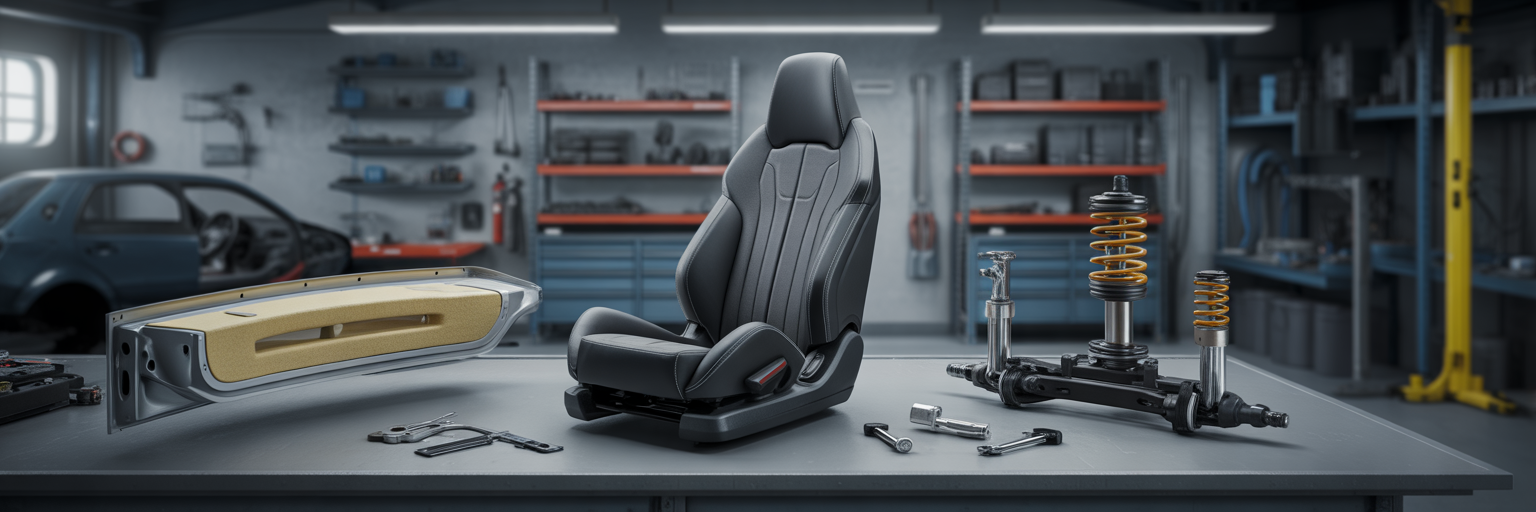
Understanding what makes a car genuinely comfortable on the highway requires looking at the specific engineering choices behind the sheet metal. It’s a combination of factors working in harmony to reduce the physical and mental toll of driving. Let’s break down the six pillars that separate a merely adequate car from the best cars for highway driving.
Pillar 1: The Quiet Cabin (NVH Reduction)
A serene interior is the foundation of a relaxing drive. Automakers fight a constant battle against Noise, Vibration, and Harshness (NVH). The drone of tires on pavement, the rush of wind at 75 mph, and the hum of the engine all contribute to subconscious stress. To combat this, engineers employ a suite of solutions. Acoustic laminated glass in the windshield and side windows blocks high-frequency wind noise. Triple-sealed doors prevent air from whistling through gaps. Sound-deadening insulation is strategically placed in the floor, firewall, and wheel wells to absorb road noise. Some premium models even use active noise cancellation, where microphones detect undesirable sound frequencies and the audio system emits opposing sound waves to cancel them out, creating some of the quietest cars for long trips.
Pillar 2: Supportive Seating and Ergonomics
Anyone who has felt a dull ache in their lower back after a two-hour drive knows that seat comfort is more than just soft cushioning. True ergonomic design is about maintaining proper posture to reduce muscle strain. Look for seats with multi-way power adjustments, especially four-way lumbar support that can be moved up, down, in, and out to match the curve of your spine. Thigh extenders are another excellent feature, providing support for longer legs and preventing pressure points. The goal of a great seat is to distribute your weight evenly and hold you securely, so you aren’t constantly tensing your muscles to stay in place through curves.
Pillar 3: Smooth and Composed Ride Quality
There’s a critical difference between a “soft” ride and a “composed” one. A soft, floaty suspension might feel luxurious over gentle swells in the road, but it can become unsettled and bouncy over sharp bumps or uneven pavement. A composed ride, on the other hand, uses sophisticated suspension components to absorb impacts without losing control. A multi-link rear suspension, for example, allows each wheel to react to bumps independently, keeping the car more stable. Advanced dampers can adjust their firmness based on the road surface, providing a soft response to small imperfections but firming up to prevent excessive body motion over larger ones.
Pillar 4: High-Speed Stability and Handling
Feeling secure and planted at highway speeds is a major psychological comfort. If a car wanders in its lane or is easily upset by crosswinds, the driver must make constant, tiny steering corrections. This activity, while often subconscious, is mentally taxing over a long journey. Excellent high-speed stability comes from a combination of factors: smart aerodynamics that press the car onto the road, a stiff chassis that resists flexing, and well-calibrated steering that feels precise and predictable. A stable car tracks straight and true, allowing the driver to relax their grip and focus on the road ahead.
Pillar 5: Efficient Highway Fuel Economy (MPG)
How can fuel economy be a comfort feature? It’s simple: a car with a long range reduces the mental burden of your trip. Knowing you can travel 400 or 500 miles on a single tank eliminates the low-grade anxiety of constantly scanning for the next gas station. It means fewer interruptions and a more fluid journey. Modern hybrid powertrains are champions here, often delivering exceptional highway MPG that directly translates into a less stressful, more convenient travel experience.
Pillar 6: Fatigue-Reducing Driver-Assist Technologies
Modern driver-assist systems are more than just safety nets; they are powerful tools for reducing fatigue. The most important for highway comfort is Adaptive Cruise Control (ACC) with Lane Keeping Assist. This system acts as a digital co-pilot. It automatically maintains a set following distance from the car ahead, slowing down and speeding up with the flow of traffic. Simultaneously, it provides gentle steering inputs to keep the car centered in its lane. This combination dramatically reduces the driver’s physical and cognitive workload, especially in moderate to heavy traffic, making long stretches of highway far less demanding. For those wanting to learn more, there are many informative articles on automotive technology that explain these systems in greater detail.
Top Sedans Engineered for Serene Long-Distance Travel
For decades, the midsize sedan has been the gold standard for highway cruising. Their lower center of gravity and aerodynamic efficiency give them an inherent advantage in stability and quietness. For 2026, two models stand out for their exceptional execution of the six comfort pillars.
Contender 1: 2026 Honda Accord Hybrid – The Balanced Benchmark
The Honda Accord Hybrid has long been a benchmark for its blend of comfort, efficiency, and refinement. It excels by offering a complete package with no significant weaknesses. The Honda Accord highway comfort is defined by its incredibly composed ride. It feels sophisticated, absorbing bumps with a firm yet forgiving quality that inspires confidence. The cabin is a standout, with extensive sound insulation and active noise cancellation creating a peaceful environment that rivals more expensive vehicles. Honda’s “Body Stabilizing” front seats are engineered for long-haul support, reducing fatigue on all-day drives. Finally, the Honda Sensing driver-assist suite is known for its smooth and natural-feeling inputs, making it a trustworthy partner on the interstate.
Contender 2: 2026 Toyota Camry Hybrid – The Efficiency Champion
If your driving involves racking up serious highway miles, the Toyota Camry Hybrid is an unbeatable tool for the job. Its primary strength is its phenomenal fuel economy. With the Toyota Camry Hybrid MPG reaching impressive figures, it minimizes both fuel costs and the stress of frequent stops. According to figures reported by outlets like MotorTrend, the Camry Hybrid can achieve up to 53 MPG on the highway, making it a leader in its class. Beyond efficiency, the Camry offers a plush, absorbent ride that excels at isolating occupants from rough pavement. It glides over expansion joints and broken asphalt, delivering a classic, relaxed cruising experience. Its high-speed stability is also excellent, tracking straight with minimal effort from the driver.
Sedan vs. Crossover Trade-offs for Highway Driving
When choosing a highway vehicle, it’s important to understand the fundamental differences between body styles. A sedan’s lower height and sleeker profile give it a distinct aerodynamic advantage over a taller crossover. This typically results in less wind noise, better stability in crosswinds, and superior fuel efficiency. The lower center of gravity also contributes to a more planted, secure feeling on the road. While modern crossovers have narrowed the gap, a well-engineered sedan often remains the purist’s choice for ultimate long-distance comfort. Exploring detailed vehicle showdowns can help buyers weigh these options more thoroughly.
| Comfort Pillar | 2026 Honda Accord Hybrid | 2026 Toyota Camry Hybrid |
|---|---|---|
| Cabin Quietness (NVH) | Excellent; extensive sound insulation and active noise cancellation. | Very Good; quiet powertrain, but slightly more tire noise than Accord. |
| Ride Quality | Composed and sophisticated; balances comfort with handling. | Plush and isolating; excels at absorbing bumps. |
| Seating Ergonomics | Supportive ‘Body Stabilizing’ seats designed for long drives. | Comfortable and soft, with good adjustability. |
| Highway Stability | Excellent; low center of gravity provides a planted feel. | Excellent; tracks straight with minimal driver input. |
| Highway MPG (Est.) | Up to 44 MPG | Up to 53 MPG |
| Driver-Assist Suite | Honda Sensing; known for smooth, natural inputs. | Toyota Safety Sense; highly reliable and effective. |
Note: This table provides a summary based on established model characteristics and initial 2026 projections. MPG figures are estimates and can vary. The focus is on how each vehicle prioritizes different aspects of comfort.
Versatile Crossovers That Master the Interstate

Modern crossovers have made huge strides in highway comfort, offering a compelling blend of space, visibility, and refinement. The best models manage to overcome the inherent challenges of a taller build, such as increased wind resistance and a higher center of gravity, to deliver a serene long-distance experience.
Contender 1: 2026 Honda CR-V Hybrid – Sedan-Like Refinement in a Crossover
The Honda CR-V Hybrid is the ideal choice for drivers who want the practicality of a crossover without sacrificing the polished ride of a sedan. Its standout quality is its controlled, composed demeanor on the highway. It avoids the bouncy, top-heavy feel that can plague some SUVs, instead feeling planted and secure. Recent road tests, like those conducted by roadmapmag.com, have praised the CR-V for its controlled ride and low-stress driver-assist features on long journeys. The cabin adds another layer of comfort; its airy, spacious design provides a psychological boost on long trips, while the generous cargo area easily swallows luggage for a week-long road trip. It’s a practical, comfortable, and remarkably refined package.
Contender 2: 2026 Mazda CX-50 Hybrid – The Driver-Focused Comfort Choice
Mazda approaches comfort from a different angle with the CX-50 Hybrid. Instead of trying to completely isolate the driver from the road, Mazda focuses on creating a harmonious, low-stress connection between driver and machine. The ride is slightly firmer than its competitors, but it’s tuned for control and confidence rather than harshness. The real comfort comes from the cockpit design. The ergonomics are superb, with controls that fall perfectly to hand and an intuitive layout that reduces mental workload. The use of premium materials and a quiet cabin creates a sense of well-being. For the driver who finds comfort in feeling connected and in control, the CX-50 offers a uniquely satisfying highway experience. As the market for fuel-efficient SUVs grows, buyers with flexible budgets can explore even more options in our guide to the best hybrid SUVs under $35k.
How Modern Crossovers Conquer Highway Challenges
So, how do models like the CR-V and CX-50 deliver such impressive highway manners? It comes down to smart engineering. Automakers now use advanced aerodynamic tuning, including underbody panels and active grille shutters, to manage airflow and significantly reduce wind noise. Suspension systems have become far more sophisticated, with engineers meticulously tuning spring rates and damper settings to control body motion without creating a harsh ride. Furthermore, the extensive use of lightweight, high-strength steel in the vehicle’s structure creates a more rigid chassis. This stiffness not only improves safety but also provides a solid foundation for the suspension to work effectively, enhancing stability and reducing vibrations.
The Smart Hatchback Choice for Comfort and Utility
In the search for highway comfort, the compact hatchback is often overlooked. Yet, one model, in particular, leverages brilliant engineering to deliver a level of refinement and practicality that punches far above its weight class, making it a compelling alternative to larger, more expensive vehicles.
Contender: 2026 Honda Civic Hatchback
The 2026 Honda Civic Hatchback is the dark horse of this guide. Sharing much of its engineering DNA with the larger Accord, it brings a surprising degree of sophistication to the compact segment. It proves that you don’t need a large car to enjoy a comfortable long-distance journey. It’s the perfect solution for someone who wants an agile daily driver that can also confidently tackle a cross-country road trip.
Analyzing its Comfort Credentials
The Civic’s highway prowess starts with its chassis. It features a fully independent rear suspension, a component often reserved for more expensive vehicles, which allows it to remain composed and stable over imperfect roads. The cabin is remarkably quiet for its class, a testament to Honda’s focus on NVH reduction across its lineup. Inside, the front seats are exceptionally supportive, borrowing design cues from the Accord to provide excellent long-haul comfort. Combined with efficient engine options that deliver outstanding highway MPG, the Civic Hatchback makes a strong case against its larger rivals.
The Unbeatable Practicality Advantage
Where the Civic Hatchback truly shines is its versatility. The hatchback design offers crossover-like cargo capacity, easily accommodating bulky items, luggage for two, or even a bicycle with the rear seats folded down. This practicality comes without the typical crossover compromises of a higher center of gravity and reduced fuel economy. It’s the ideal do-it-all vehicle for the urban commuter who needs a car that is just as capable on a weekend mountain getaway as it is navigating city traffic, making it one of the best commuter cars 2026. To discover more great vehicles, you can explore our homepage for additional reviews and insights.
Finding Exceptional Value in the Pre-Owned Market
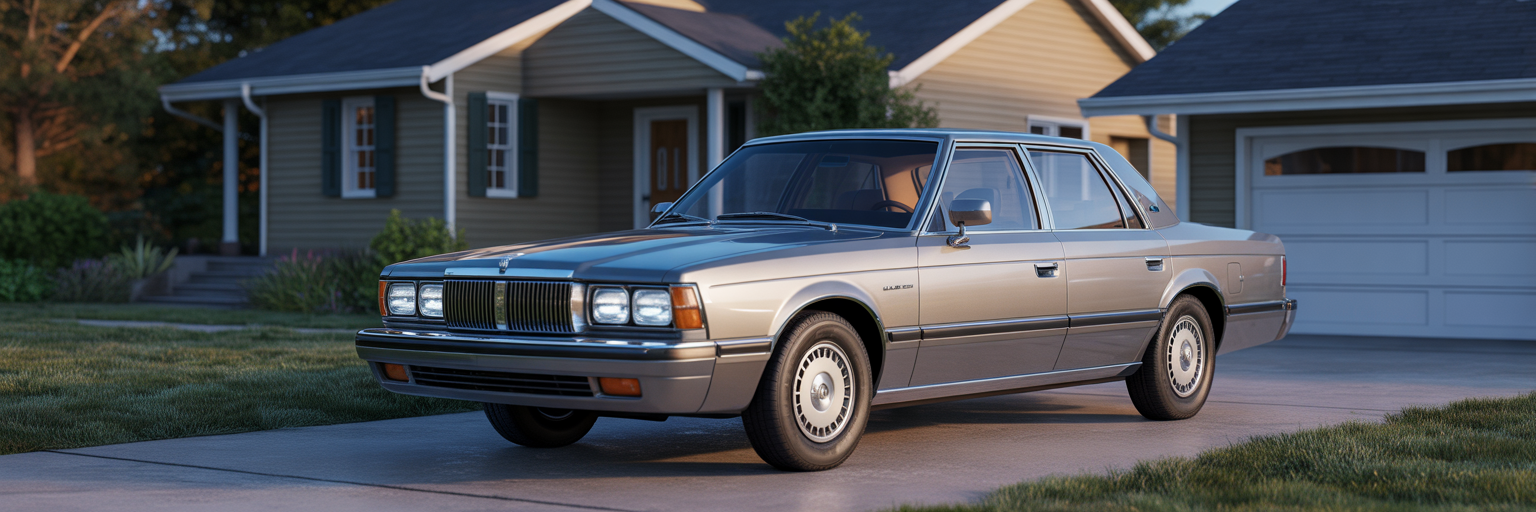
While a new car is appealing, exceptional highway comfort is well within reach on the used market. A well-maintained, two-to-four-year-old vehicle can offer the majority of modern comfort technologies and refinement for a fraction of the original price. The key is to focus on models with a proven track record for reliability and a comfortable ride.
Top Used Pick: Honda Civic (2020-2023)
The 10th and 11th generation Honda Civics are fantastic used buys. They are known for their sophisticated ride quality, quiet cabins, and reliable powertrains. Look for EX, EX-L, or Touring trims, as these often include the full Honda Sensing driver-assist suite, better seats, and more sound insulation, delivering a near-premium highway experience.
Top Used Pick: Toyota Corolla (2020-2023)
The 12th generation Toyota Corolla marked a major step forward in comfort and refinement. Built on a modern platform with an independent rear suspension, it offers a smooth and composed ride that belies its price point. Higher trims like the XLE or XSE are equipped with Toyota Safety Sense, comfortable seating, and a quiet interior. Models like the Honda Civic and Toyota Corolla are consistently ranked by experts like Kelley Blue Book among the most comfortable and reliable used cars available.
Key Inspection Points for Used Highway Cars
When shopping for a used car intended for long drives, your inspection should be thorough. Here’s a practical checklist:
- Highway Test Drive: This is non-negotiable. Get the car up to at least 65 mph on a highway. Turn the radio off and listen for excessive wind noise from the mirrors or door seals, and for humming or droning tire noise.
- Tire Check: Cheap or worn-out tires can completely ruin the ride of a great car. Check the brand, tread depth, and date code on the tires. Mismatched or budget-brand tires are a red flag.
- Feature Functionality: Methodically test every feature. Engage the adaptive cruise control, verify the lane-keeping assist works, and run through all the power seat adjustments to ensure everything functions correctly.
- Suspension Check: During your test drive, listen carefully for any clunks, squeaks, or rattles when driving over bumps. These sounds can indicate worn-out suspension components that will be costly to repair.
Making Your Final Decision: Our Top Picks for 2026
After analyzing the top contenders through the lens of our six pillars of comfort, the choices become clear. Each of our top picks excels in a specific way, offering a tailored solution for different types of drivers and budgets. Here are our final verdicts for the best highway comfort cars under $30,000.
- Best Overall for Highway Comfort: 2026 Honda Accord Hybrid. It delivers the most complete and balanced execution of all six comfort pillars, from its serene cabin and supportive seats to its sophisticated, composed ride.
- Best for High-Mileage Commuters: 2026 Toyota Camry Hybrid. Its unbeatable highway MPG and plush, isolating ride make it the ultimate tool for stress-free, cost-effective long-distance travel, solidifying its place as one of the best commuter cars 2026.
- Best Used Value: A 2020-2023 Honda Civic or Toyota Corolla. These models prove that exceptional highway comfort is attainable on a budget, representing the smartest choice for proven reliability and refinement without the new-car price tag.