
The Common Source of Harmless Water Drips
That moment of dread is familiar to many drivers. You pull out of a parking spot and notice a fresh puddle on the pavement where your car just was. Your mind immediately jumps to expensive repairs. But before you panic, take a closer look. If you see clear water dripping under car, chances are it is completely harmless. In most cases, this is just condensation from your air conditioning system doing its job.
Think of it like a cold glass of iced tea on a hot summer day. Moisture from the warm, humid air condenses on the cold surface of the glass, forming droplets that run down the side. Your car’s A/C system works in a very similar way. A component called the evaporator core, located deep within your dashboard, gets extremely cold to cool the air blown into the cabin. As it pulls heat from the air, it also pulls out humidity.
This collected moisture turns into water, which needs to go somewhere. Automakers designed a small rubber drain tube that channels this water from the evaporator housing safely out of the vehicle and onto the ground. You will typically find this drip spot under the passenger side of the engine bay or near the center of the vehicle. It is a sign that your A/C is working exactly as it should.
You might also notice the size of the puddle changes. On a hot, muggy day in Florida, your A/C works overtime to dehumidify the cabin, producing a significant puddle. On a dry day in Arizona, you might see only a few drops or none at all. As experts at AutoZone point out, your car’s A/C system can remove a significant amount of moisture from the air, which is why you’ll see more water on particularly muggy days. Understanding these normal functions is part of being a savvy car owner, and at Car Phanatics, we provide insights on everything from simple drips to complex engine performance.
Understanding Exhaust System Condensation
While the A/C system is the most frequent source of a harmless water drip in warm weather, it is not the only one. Your car’s exhaust system can also produce clear water, especially during cooler weather or on short trips. This is a completely different process from the A/C condensation we just discussed.
Water (H₂O) is a natural byproduct of the combustion process that happens inside your engine when it burns gasoline. When you first start your car, the exhaust system is cold. The hot exhaust gases, which are full of water vapor, travel through the cold pipes and muffler, causing the vapor to condense back into liquid water. You will see this water dripping directly from the tip of your tailpipe.
Have you ever wondered why some mufflers seem to have a tiny hole in them? That is not a defect. Many manufacturers intentionally design mufflers with a small “weep hole” at their lowest point. This clever feature allows the condensed water to drain out instead of pooling inside. Without it, the trapped water would quickly cause the muffler and exhaust pipes to rust from the inside out, leading to premature failure. So, a small drip from your muffler is actually a sign of a well-designed system.
The key difference to remember is the condition. A water leak under car from the A/C is most common when it is hot and humid outside and you have been running the air conditioner. In contrast, water from the exhaust is most noticeable when the engine is warming up on a cool day or after a series of short drives where the exhaust system never gets hot enough to evaporate all the moisture.
How to Distinguish Water From Other Fluids
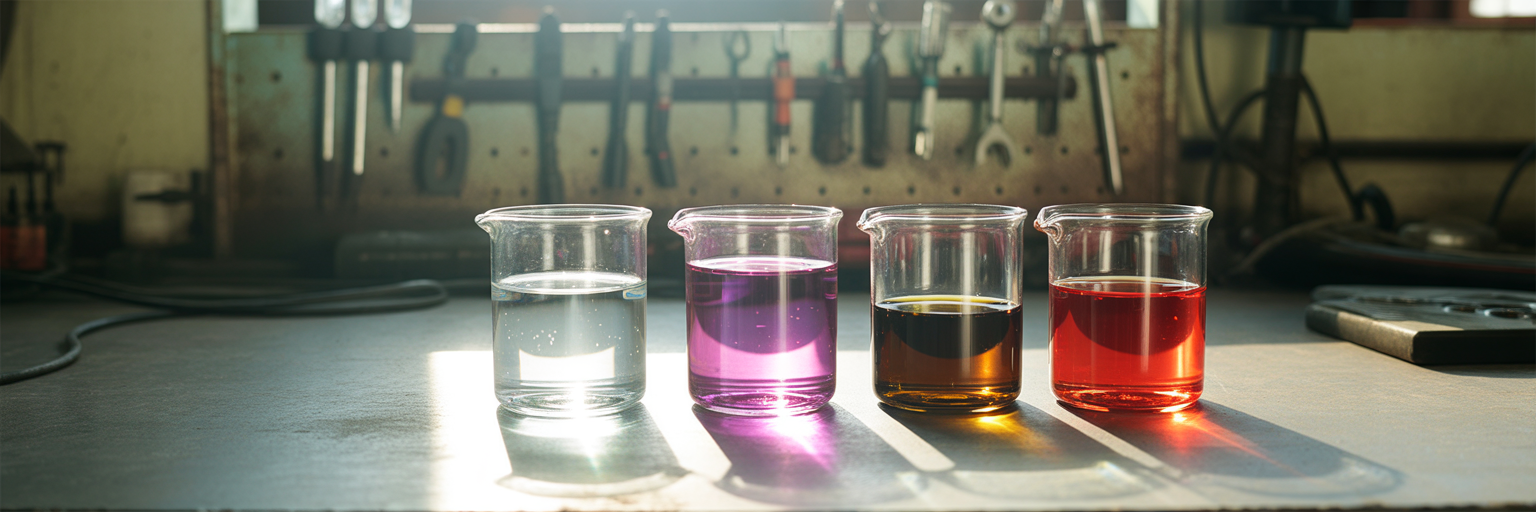
So, you have found a puddle under car after parking. The first step is to determine if it is just water or something more serious. You do not need to be a mechanic to perform a few simple checks. By using your senses, you can gather important clues about the fluid’s identity.
- Color: The most obvious clue. Water is clear. If the puddle has any color at all, it is not water. Engine coolant can be bright green, orange, pink, blue, or even yellow. Motor oil is typically amber when new and dark brown or black when used. Transmission fluid is reddish, and windshield washer fluid is often blue or green.
- Texture: This is a very telling test. Dip a piece of paper towel into the puddle. Water feels like, well, water. It is thin and not slippery. In contrast, engine oil, transmission fluid, and power steering fluid will all feel slick and oily. Coolant has a distinct, slightly slimy feel between your fingers.
- Odor: Water is odorless. This is a major giveaway. Most other automotive fluids have a distinct smell. Coolant has a noticeably sweet, syrupy scent. Motor oil has an oily smell that can be acrid or burnt if it is old. Gasoline has a sharp, unmistakable odor. If you smell anything at all, it is a sign that the fluid is not just water.
- Evaporation Test: This is a simple and effective trick. If the puddle is on warm pavement, watch it for a few minutes. Plain water will begin to evaporate and disappear. Oils, coolants, and other fluids will not evaporate and will often leave a visible stain behind.
- Fluid Level Check: If you suspect a leak of a specific fluid, the final confirmation is to check its reservoir. With the engine cool and the car on level ground, check the dipstick for your engine oil and transmission fluid, and check the translucent reservoirs for your coolant, brake fluid, and power steering fluid. If a level is dropping, you have found your leak.
By following these steps, you can quickly move from worrying about a mysterious puddle to confidently identifying its source.
A Comparative Guide to Common Automotive Fluids
Once you have gathered clues about the color, texture, and smell of the leak, you can use this guide to pinpoint what is leaking from my car. Each fluid has a unique profile.
Engine Coolant (Antifreeze)
Coolant is vital for preventing your engine from overheating. A common mistake is assuming it is always bright green. Modern vehicles use a variety of formulas, so it can be orange, pink, blue, yellow, or even clear. Its most reliable identifiers are its sweet, syrupy smell and slightly slimy texture. Coolant is highly toxic, so it is critical to keep it away from pets and children.
Motor Oil
Motor oil lubricates your engine’s moving parts. When new, it is a light amber color, but it quickly darkens to brown or black as it circulates. It has a distinct oily feel and smell. A few drops are no cause for alarm, but a steady drip needs attention. Clean oil is the lifeblood of your vehicle, and regular checks are essential for anyone wondering how to keep your car’s engine running for years.
Transmission Fluid
This fluid lubricates and cools the transmission. It is typically red and has a petroleum-like smell. As it ages, it can turn dark brown or black. It feels oily and slick, similar to motor oil but with a different color and scent.
Brake Fluid
Brake fluid is a critical safety component. It is usually clear to light yellow and has a medium viscosity. A brake fluid leak is extremely dangerous as it can lead to a complete loss of braking ability. If you suspect a brake fluid leak, do not drive the vehicle.
Power Steering Fluid
This fluid makes it easier to turn your steering wheel. It can be amber, red, or sometimes clear, and it feels like a thin oil. A leak is often accompanied by a whining or groaning sound when you turn the wheel.
Windshield Washer Fluid
This is one of the few non-critical leaks. It is usually blue, green, or orange, feels just like water, and has a distinct smell of alcohol or window cleaner.
Differential Fluid
Found in rear-wheel-drive and all-wheel-drive vehicles, this is a heavy gear oil. It is very thick, dark amber or brown, and has a strong, unpleasant sulfur-like odor that is hard to mistake.
| Fluid Type | Common Colors | Texture | Odor |
|---|---|---|---|
| Water | Clear | Watery | Odorless |
| Engine Coolant | Green, Orange, Pink, Blue, Yellow, Clear | Slightly slimy, slick | Sweet, syrupy |
| Motor Oil | Light Amber to Dark Brown/Black | Oily, slick | Oily, can smell burnt |
| Transmission Fluid | Red (new) to Brown/Black (old) | Oily, slick | Petroleum-like |
| Brake Fluid | Clear to Light Yellow/Amber | Slick, medium viscosity | Slight, distinct chemical smell |
| Power Steering Fluid | Amber, Red, or Clear | Thin, oily | Slightly burnt, like oil |
| Windshield Washer Fluid | Blue, Green, Orange | Watery | Alcohol or window cleaner |
| Differential Fluid | Dark Amber to Brown | Very thick, heavy oil | Strong, sulfur-like |
Pinpointing Leaks by Their Location
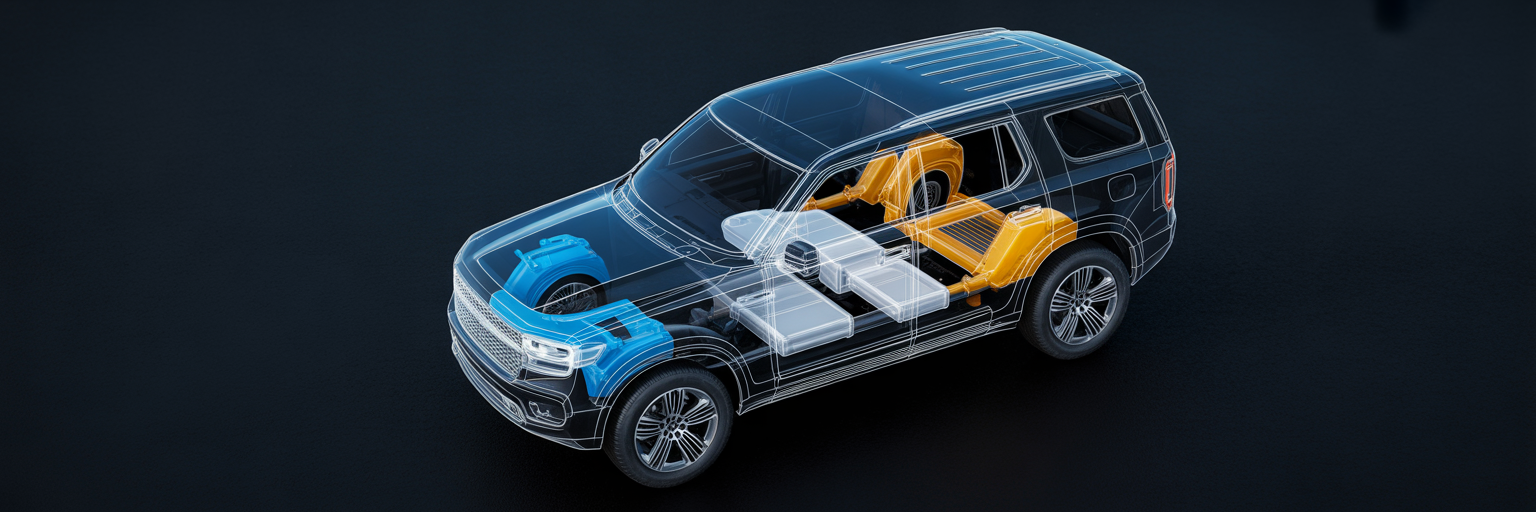
Where a puddle forms under your car is just as important as what it looks like. The location of the drip provides a huge clue about its origin, creating a mental map of your vehicle’s systems. By combining the fluid type with its location, you can narrow down the problem with surprising accuracy.
Front of the Vehicle
The engine bay is the most crowded area under your hood, so it is no surprise that most leaks originate here. A puddle at the very front could be coolant from the radiator or its hoses. A drip of motor oil might come from the oil pan at the bottom of the engine or from a valve cover higher up. Power steering fluid leaks often appear toward the front on one side, while washer fluid leaks usually come from the reservoir, which is typically located in a front corner.
Center of the Vehicle
A drip in the middle of the car, especially under the passenger area, is the classic spot for a normal water leak under car from the A/C drain. However, this area also houses other critical components. A red or brown oily fluid here could be from the transmission. You might also find brake fluid if a line running the length of the vehicle has been damaged.
Rear of the Vehicle
Leaks at the back are less common but have specific sources. On a rear-wheel-drive or all-wheel-drive vehicle, a thick, smelly oil leak is almost certainly from the rear differential. You might also see water from the exhaust tailpipe, as discussed earlier. A strong smell of gasoline indicates a leak from the fuel tank or its lines, which is a serious fire hazard.
Near the Wheels
Any fluid found near the wheels should be treated with extreme caution. An oily fluid on the inside of a tire or on the ground directly below it is a strong indicator of a brake fluid leak from a caliper or brake line. This is a critical safety issue. A thick, dark grease splattered in the wheel well points to a torn CV axle boot, which protects an important drivetrain joint.
| Leak Location | Common Fluids Found | Potential Source System |
|---|---|---|
| Front (Engine Bay) | Coolant, Motor Oil, Power Steering Fluid, Washer Fluid | Radiator, Engine, Steering System, Washer Reservoir |
| Center (Under Cabin) | Water, Transmission Fluid, Brake Fluid | A/C Drain, Transmission, Brake Lines |
| Rear | Water, Differential Fluid, Fuel | Exhaust, Rear Axle/Differential, Fuel Tank |
| Near the Wheels | Brake Fluid, Grease | Brake Calipers/Lines, CV Axle Boot |
When the Water Drip Moves Inside Your Car
Finding a puddle under your car is one thing, but discovering water inside the cabin is another level of frustration. If you find your passenger-side floor mat is mysteriously damp or even soaked, the culprit is almost always a clogged A/C drain tube. This is the most common reason for a car ac leaking water into the interior.
Remember that small rubber tube designed to drain condensation outside? Over time, it can become blocked with dirt, leaves, road grime, or even insects. When the tube is clogged, the water from the evaporator has nowhere to go. It backs up inside the A/C housing in your dashboard until it finds the lowest point to escape, which is often an opening that leads directly into the passenger footwell.
The signs are unmistakable. The first is usually a wet carpet on the passenger side. You might also notice a persistent musty or mildewy odor inside the car, caused by the dampness. In some cases, you can even hear a distinct sloshing sound from behind the dashboard as you make turns, which is the sound of the trapped water moving around in the A/C housing.
While this issue does not pose an immediate mechanical danger to your engine, it requires prompt attention. Constant dampness will lead to mold and mildew growth, which can be unpleasant and unhealthy. More importantly, many modern cars have sensitive electronic modules and wiring harnesses located under the carpet or behind the dashboard. Soaking them in water can lead to expensive and difficult-to-diagnose electrical problems. Fixing small problems like this promptly is a key reason why some high-mileage cars age better than others, avoiding costly interior and electrical repairs down the road.
A Safe and Simple Inspection Process

When you find a leak, a methodical inspection can give you answers without putting you at risk. Follow these steps to safely diagnose the drip.
- Park on a Clean, Level Surface: Find a spot on dry, light-colored concrete or asphalt. A sloped surface can cause the fluid to run, making it harder to pinpoint the source, and a dirty surface can obscure the fluid’s true color.
- Use Cardboard: This is the single best trick for leak diagnosis. Place a large, clean piece of cardboard under the area where you suspect the leak. Let the car sit for a few hours or overnight. The cardboard will catch any drips, giving you a perfect sample.
- Analyze the Drip: With the sample on the cardboard, you can easily see the fluid’s true color without having to get on the ground. You can touch it to check the texture and smell it to identify any odor. This simple step provides a wealth of information.
- Check Fluid Reservoirs: Once you have an idea of what the fluid might be, confirm your suspicion by checking the corresponding reservoir. Always do this when the engine is cool, especially for the coolant system, which is under pressure when hot. If a fluid level is low, you have found your culprit.
- Isolate the A/C: If you suspect the drip is just water from the air conditioner, this is the definitive test. Drive your car for a while with the A/C system turned completely off. Park it over a clean piece of cardboard. If no puddle forms, you have confirmed the source is a normal car water leak from the A/C.
While inspecting, always prioritize your safety. Keep these critical warnings in mind:
- NEVER taste an automotive fluid. Many fluids, especially coolant, are extremely toxic and can be fatal even in small amounts.
- Avoid touching unknown fluids with bare skin. Some fluids can be corrosive or cause skin irritation. Use gloves or a paper towel.
- Do not inhale fuel vapors closely. If you smell gasoline, there is a risk of fire. Ventilate the area and do not start the engine.
Knowing When to Drive and When to Call a Pro
After your inspection, the final step is to decide on a course of action. Not all leaks are created equal. Some are harmless, while others are a sign that your vehicle is unsafe to drive.
When It’s Safe to Drive
You can breathe a sigh of relief if your investigation confirms a normal car water leak. Clear, odorless water dripping from the center of the car (A/C condensation) or the tailpipe (exhaust condensation) is perfectly fine. A minor leak of blue or green windshield washer fluid is also not an emergency, though you may want to get it fixed for convenience.
When to Seek Professional Help Soon
Some leaks are not immediate emergencies but should not be ignored. A slow, consistent drip of engine oil or transmission fluid falls into this category. While your car will likely run fine for a short time, these leaks will only get worse, potentially leading to major component damage if the fluid level drops too low. Schedule an appointment with a mechanic to have it inspected and repaired.
When to Stop Driving Immediately
Certain leaks are red flags that demand you stop driving and call for a tow.
- Any brake fluid leak. This is often accompanied by a soft or spongy brake pedal. A loss of brake fluid means a loss of braking power.
- A large or fast coolant leak. If you see a significant puddle of coolant and your temperature gauge is climbing, pull over immediately. Overheating can cause catastrophic engine damage.
- Any fuel leak. The smell of gasoline is a major warning sign. A fuel leak presents a serious fire hazard and should be addressed without delay.
A simple rule to live by is: When in doubt, get it checked out. Your safety is always more important than guessing. For more expert advice on maintaining your vehicle and understanding its systems, explore our collection of informative guides.
Frequently Asked Questions About Under-Car Drips
Even after a thorough inspection, you might still have a few questions. Here are answers to some of the most common ones.
How much water from the A/C is considered normal?
There is no single answer. The amount of water produced by your A/C system varies dramatically with the weather. A car running its A/C on a 95-degree day with 90% humidity in Houston will produce a large puddle, sometimes looking like a continuous stream. The same car on a 75-degree day with low humidity in Denver might not drip at all. Both scenarios are completely normal. The key is that the fluid is clear, odorless water.
Why does water only drip from my car after I park?
The condensation is actually being produced the entire time you are driving with the A/C on. However, while the car is in motion, the water often gets blown back along the undercarriage or pools on parts of the subframe. When you stop the car, all that collected water finally has a chance to drip down onto the ground in one spot, making it seem like the leak just started.
My passenger-side carpet is wet. Is this a coolant leak?
While it is possible, it is not the most likely cause. A leaking heater core can spill coolant into the passenger footwell, but you would notice a strong, sweet smell and the fluid would feel slimy. A far more common cause for a wet passenger carpet is a clogged A/C drain line, which involves only plain, odorless water. Check for a musty smell and listen for a sloshing sound from the dash.
Is a coolant leak always green?
Absolutely not. This is a dangerous misconception. While older vehicles almost exclusively used green coolant, modern formulas come in a rainbow of colors, including orange, pink, blue, and yellow. Some are even nearly clear. Do not rely on color alone. The sweet smell and slick texture are much more reliable indicators of a coolant leak.
Can I just add more fluid if I have a leak?
Topping off a leaking fluid is only a temporary fix to get you safely to a repair shop. It does not solve the underlying problem. For non-critical systems like windshield washer fluid, it is fine. But for essential systems like brakes, cooling, or fuel, a leak must be properly repaired. Continuously adding fluid is not a sustainable or safe solution.