
The sport compact sedan has long held a special place in the American automotive landscape. It represents the ideal compromise: a single vehicle that can carve up a winding backroad on Sunday and still handle the Monday morning commute with ease. This comparison of the Honda Civic Si vs Hyundai Elantra N zeroes in on the 2026 model year versions of two of the segment’s most compelling contenders. They are both front-wheel-drive, four-door sedans available for under $40,000, yet they embody fundamentally different philosophies on how to create the ultimate affordable performance sedan.
First is the 2026 Honda Civic Si. Born from a long legacy of balanced, driver-focused cars, the Si prioritizes refinement and engagement over raw power. Its design is built around a sublime manual gearbox, a responsive chassis, and a driving experience that delivers usable fun in nearly any situation. It is the modern evolution of the classic sport compact, a car that does everything well without shouting about it.
In the other corner is the 2026 Hyundai Elantra N. This is the aggressive, track-honed challenger, bringing a massive power advantage and motorsport-derived technology to the fight. It is loud, dramatic, and unapologetically focused on dominating the performance metrics of its class. It is crucial to distinguish this model from the milder Elantra N Line; the full N is a different machine entirely. This detailed 2026 Honda Civic Si review and 2026 Hyundai Elantra N review will explore which car makes the best sport compact daily driver by examining not just performance, but also real-world practicality, comfort, and long-term ownership costs to help you decide which is right for you.
Honda Civic Si vs Hyundai Elantra N: The 2026 Sport Compact Showdown
The enduring appeal of the sport compact sedan in the United States lies in its duality. It must be a thrilling performance car when you want it to be, yet also a competent partner for commuting, errands, and even family duties. This is the core challenge in the 2026 Honda Civic Si vs Hyundai Elantra N matchup. Both are front-wheel-drive, four-door sedans priced accessibly, but they represent two distinct approaches to creating an affordable performance sedan.
The Honda Civic Si is the product of decades of refinement. It is built on a principle of balance, where driver engagement and a sublime manual transmission are more important than outright horsepower figures. Its chassis is tuned for usable fun on public roads, making it a direct descendant of the classic “do-it-all” sport compact formula. It is the sophisticated, well-rounded athlete.
Conversely, the Hyundai Elantra N arrives as the aggressive, track-focused challenger. It brings a significant power advantage, motorsport-derived technologies like an electronic limited-slip differential, and a dramatic flair straight from the factory. Its primary goal is to deliver the highest level of performance possible in its class. It is important to clarify that this comparison focuses on the full-performance N model, not the less potent Elantra N Line, as the two offer vastly different experiences.
This 2026 Honda Civic Si review and 2026 Hyundai Elantra N review will move beyond simple spec-sheet comparisons. We will analyze how each car handles real-world daily driving, from the comfort of the commute to the practicality of carrying passengers and cargo. By also considering long-term ownership costs, we can deliver a clear verdict tailored to different types of buyers, helping you determine which of these excellent sport sedans truly fits your life.
Engine Power, Drivetrain Feel, and Acceleration
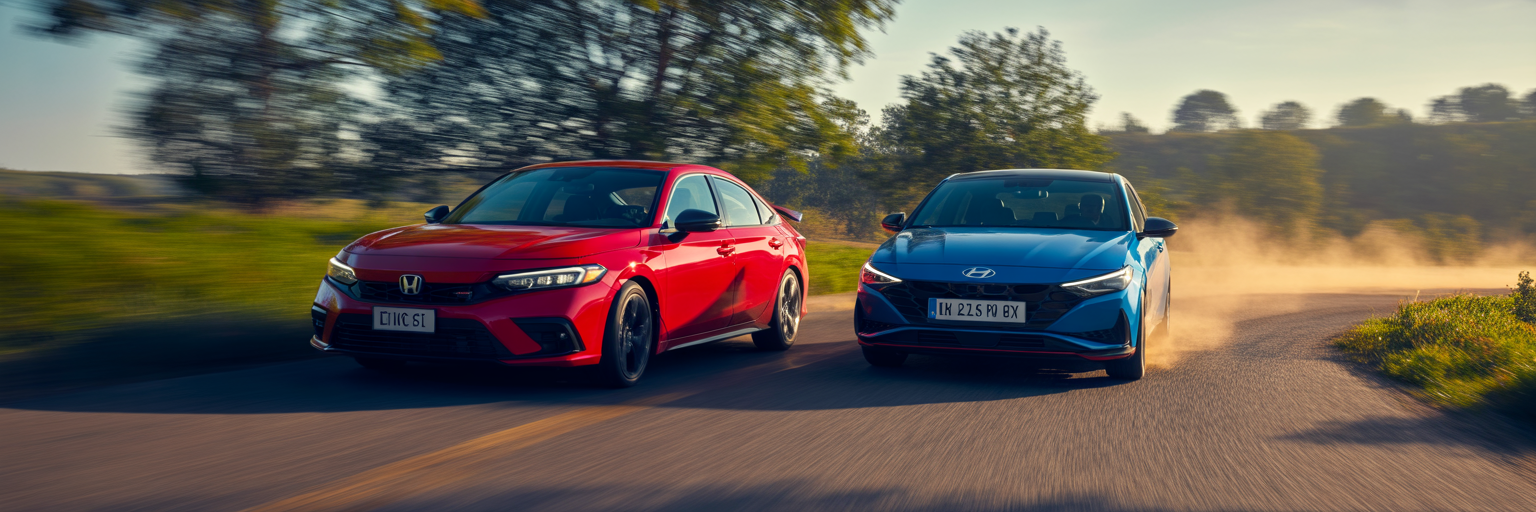
The character of a performance car begins with its engine and drivetrain. Here, the Civic Si and Elantra N present a classic contrast between finesse and force. Their differing approaches to generating and delivering power define their personalities on the road.
Engine Specifications and Power Delivery
The 2026 Honda Civic Si is powered by a 1.5-liter turbocharged four-cylinder engine producing 200 horsepower and 192 lb-ft of torque. This engine is defined by its responsiveness and eagerness to rev. Power delivery is smooth and linear, encouraging the driver to work the gearbox and keep the engine in its sweet spot. It feels energetic and willing, rewarding active participation.
The 2026 Hyundai Elantra N counters with a much larger 2.0-liter turbocharged four-cylinder, generating a formidable 276 horsepower and 289 lb-ft of torque. This significant advantage in displacement and output creates a completely different sensation. The Elantra N delivers a massive wave of mid-range torque that makes it feel muscular and effortlessly potent. Acceleration is forceful and immediate, requiring less effort to access its impressive performance.
Transmission Choices and Feel
Honda offers the Civic Si exclusively with a six-speed manual transmission, a decision that underscores its focus on driver engagement. This gearbox is widely praised for its short, precise throws and satisfying mechanical feel. The clutch is light and easy to modulate, making it a joy in spirited driving and surprisingly manageable in daily traffic.
Hyundai provides more choice for the Elantra N. It is available with a solid six-speed manual that includes a rev-matching feature, but many buyers will opt for the eight-speed wet dual-clutch transmission (DCT). The DCT delivers lightning-fast shifts and enables the car’s quickest acceleration times. For a daily driver, it offers convenience in stop-and-go traffic, but it trades the pure, mechanical connection of the Civic Si’s manual for automated speed.
Real-World Acceleration and the Sensation of Speed
On paper, the performance gap is stark. The Elantra N can sprint from 0 to 60 mph in approximately 5.0 seconds with the DCT, while the Civic Si takes around 6.6 seconds. In a straight line, the Hyundai is dramatically faster. However, the sensation of speed on public roads is more nuanced. The Civic Si’s well-spaced gears and linear powerband make it feel rewarding to push toward its limits without reaching highly illegal speeds. The Elantra N’s explosive power is thrilling but can be more difficult to fully exploit safely on a typical commute.
The Role of the Limited-Slip Differential
Both cars use a limited-slip differential (LSD) to effectively put their power down through the front wheels, especially when accelerating out of corners. The Civic Si employs a mechanical helical LSD. It operates smoothly and seamlessly, improving traction without calling attention to itself. The Elantra N features an electronically controlled version called the “N Corner Carving Differential.” This system is more aggressive, actively managing torque distribution to pull the car through a turn. It is highly effective but can feel more artificial than the Honda’s purely mechanical setup.
Chassis Dynamics: Ride, Handling, and Braking
Beyond the engine, a car’s connection to the road is defined by its suspension, steering, and brakes. This is where the Civic Si’s refined balance clashes with the Elantra N’s aggressive, track-ready focus, creating distinct experiences for the daily driver.
Suspension Philosophy: Comfort vs. Control
The 2026 Civic Si uses a masterfully tuned passive suspension. Honda’s engineers have found a near-perfect balance between comfort and control, creating a ride that is compliant over the broken pavement of city streets yet firm enough to feel composed and confident on a winding road. This setup is a significant advantage for daily comfort.
The 2026 Elantra N, in contrast, features an electronically controlled adaptive suspension with multiple modes. In its Normal setting, the ride is firm but tolerable. However, in its more aggressive Sport or N modes, the suspension becomes exceptionally stiff. While this provides superior body control for a track day, it can feel harsh and unforgiving on imperfect public roads, a clear trade-off for its higher performance ceiling. When considering the balance of performance and practicality, it’s useful to see how these sedans compare to other versatile vehicles, such as those that are great for family road trips without being boring.
Steering Feel and Driver Confidence
Steering in the Civic Si is light, precise, and wonderfully communicative. It gives the driver a clear and natural sense of what the front tires are doing, building confidence in both spirited driving and relaxed daily navigation. The feedback is intuitive, making the car feel like an extension of the driver.
The Elantra N’s steering is much weightier and features a variable ratio that makes it incredibly quick to turn in. While effective for sharp corners, it can feel less natural and more digitally assisted, especially in its most aggressive settings. For some, this quick response is exciting, but others may prefer the Honda’s more organic feel for everyday driving.
Braking Performance and Pedal Feel
Both cars feature upgraded brakes over their standard counterparts, but the Elantra N’s are significantly larger and more powerful, designed for repeated hard use on a track. They offer immense stopping power. However, for daily driving, brake pedal feel and modulation are just as important. The Civic Si’s brakes are more than strong enough for street use and provide a progressive, easy-to-modulate pedal that makes smooth, predictable stops in traffic effortless. The Elantra N’s pedal can feel grabbier, requiring more finesse for smooth operation.
The Auditory Experience
The two cars could not be more different in their sound. The Civic Si is refined, offering a sporty exhaust note that is present when you accelerate but fades into the background when cruising. It adds to the fun without attracting unwanted attention. The Elantra N is theatrical. In its N mode, the exhaust produces loud, aggressive pops and bangs on overrun. While thrilling for an enthusiast, this auditory drama can become tiresome or even annoying during a quiet neighborhood commute.
Interior Space, Comfort, and Daily Practicality
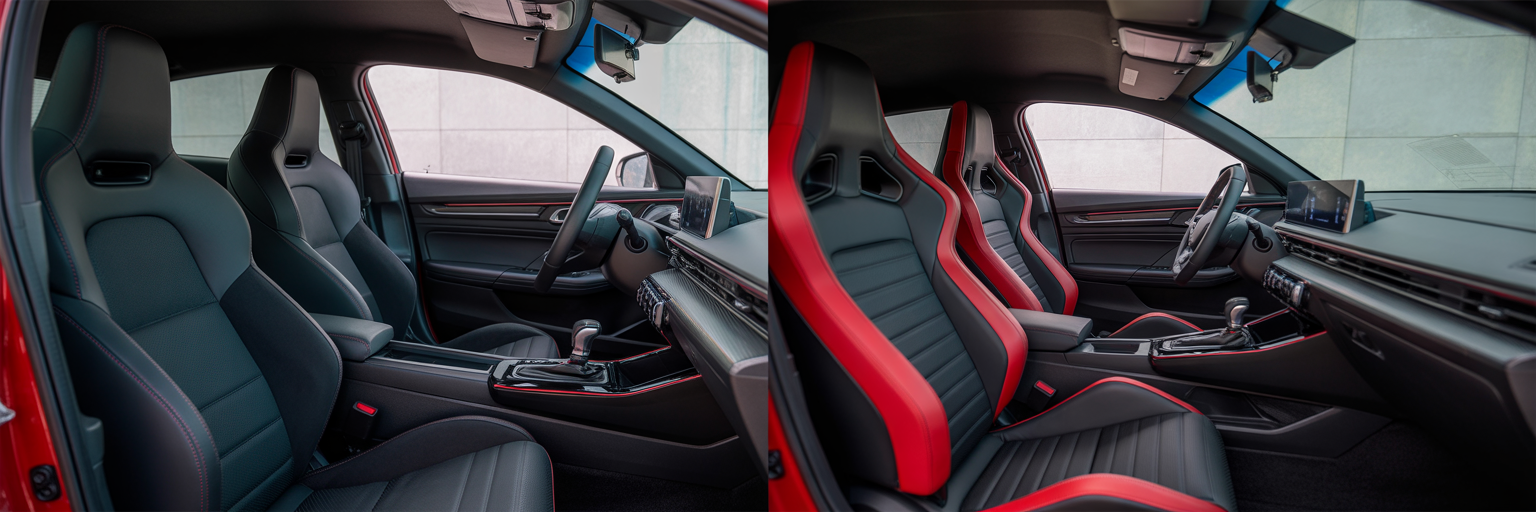
A sport sedan must also be a sedan. This section evaluates the Civic Si vs Elantra N practicality, looking at how well each car accommodates the driver, passengers, and the demands of everyday life.
The Driver’s Cockpit: Seating and Ergonomics
Inside the 2026 Civic Si, the driver is treated to seats that represent an excellent compromise. They feature prominent red accents and offer enough bolstering to hold you in place during spirited driving, yet they remain comfortable for long commutes or road trips. The overall ergonomics are superb, with controls that are logically placed and easy to use.
The 2026 Elantra N features much more aggressive, heavily bolstered sport seats. These seats, which can even be optioned with illuminated N logos, provide outstanding lateral support in corners. However, their confining nature may not be suitable for all body types and can become fatiguing on extended drives. They clearly prioritize performance support over long-haul comfort.
Rear-Seat Passenger Room and Accessibility
Both cars are functional four-door sedans, but there are subtle differences for rear passengers. On paper, the Elantra N offers a slight advantage in rear legroom, which can make a difference for taller occupants. However, the overall experience is comparable in both. The Civic Si’s slightly more compliant ride quality might make it the preferred choice for passengers on longer journeys over bumpy roads.
The Family Test: Child-Seat Installation
For buyers needing their fun car to double as a family hauler, this is a critical test. Both vehicles are equipped with LATCH anchors for securing child seats. The Civic’s wide-opening rear doors and straightforward seat design generally make installation a bit easier. The Elantra N’s more sculpted rear seats can sometimes complicate the process of getting a child seat perfectly level and secure. In either car, a rear-facing infant seat will require the front seat to be moved forward, but both can accommodate the task.
Cargo Duty: Trunk Space and Usability
When it comes to hauling groceries, luggage, or other bulky items, trunk space matters. The Elantra N offers a respectable 14.2 cubic feet of cargo capacity. The Civic Si is nearly identical at 14.1 cubic feet. The practical differences are minimal. Both feature 60/40 split-folding rear seats to accommodate longer items. The shape of the trunk opening and the lift-over height are comparable in both, making them equally useful for the cargo duties of daily life.
Onboard Technology and Driver-Assist Systems
The modern driving experience is shaped as much by screens and software as it is by mechanical components. The digital interfaces and driver aids in these two cars reveal their different priorities: daily convenience versus performance-focused data.
Infotainment and Connectivity
The 2026 Elantra N features a large, impressive 10.25-inch central touchscreen that is paired with a digital instrument cluster of the same size, creating a sweeping, high-tech dashboard. The system is responsive and packed with features. The 2026 Civic Si uses a slightly smaller 9-inch touchscreen. While not as flashy, Honda’s system is praised for its simple, intuitive user interface and the inclusion of a physical volume knob. Both systems come standard with wireless Apple CarPlay and Android Auto, ensuring seamless smartphone integration.
Digital Gauges: Information vs. Entertainment
The instrument clusters highlight the cars’ different missions. The Elantra N’s digital display is highly configurable and performance-oriented, offering readouts for oil temperature, turbo boost, a G-force meter, and a lap timer. It is designed to entertain and inform the enthusiast. The Civic Si’s digital cluster is cleaner and more straightforward. It prioritizes at-a-glance legibility of essential information like speed and RPM, a better approach for the daily commute.
The Commuter’s Friend: Driver-Assistance Features
This is a major point of differentiation and a huge factor for anyone considering these cars as a daily driver. The 2026 Civic Si comes standard with the comprehensive Honda Sensing suite of driver aids. This includes Adaptive Cruise Control, which automatically maintains a set distance from the car ahead, significantly reducing driver fatigue on highway commutes. The 2026 Elantra N, in a move that baffles many, does not offer adaptive cruise control at all. This omission is a significant drawback for a vehicle intended for daily use. For readers considering these cars for gig work, understanding the technology and comfort is key, much like choosing the best cars for Uber and rideshare drivers.
Customization Overload? Drive Mode Systems
The Civic Si keeps things simple with its drive modes: Normal, Sport, and an Individual mode. These settings adjust throttle response and steering weight in a straightforward, effective manner. The Elantra N, by contrast, offers a vast array of customization through its “N” modes. Drivers can individually tune the engine, suspension, steering, differential, and exhaust sound. While this level of control is a fantastic feature for a dedicated enthusiast or for track tuning, it can feel like a layer of complexity that is unnecessary for daily driving.
Long-Term Ownership: Costs, Warranty, and Reliability
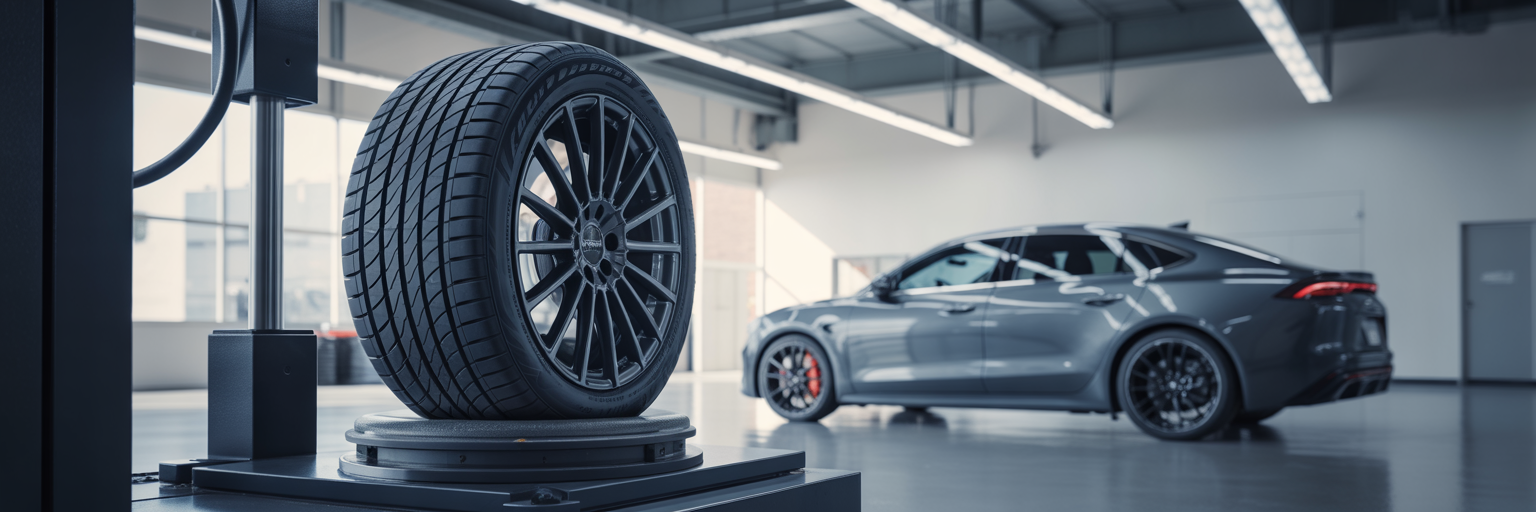
The purchase price is only the beginning of a car’s financial story. The realities of fuel, maintenance, insurance, and warranty coverage play a huge role in the overall ownership experience, and this is where the two sedans diverge significantly.
Warranty and Peace of Mind
Hyundai holds a major advantage in this category. The Elantra N comes with an industry-leading 10-year/100,000-mile powertrain warranty and a 5-year/60,000-mile limited warranty. It also includes 3 years or 36,000 miles of complimentary maintenance. This provides exceptional peace of mind. Honda’s warranty is more traditional: a 3-year/36,000-mile limited warranty and a 5-year/60,000-mile powertrain warranty, with no complimentary maintenance included.
Fuel Economy and Requirements
For a daily driver, fuel costs add up quickly. The 2026 Civic Si is the clear winner here, with an estimated combined fuel economy of around 31 MPG. The more powerful 2026 Elantra N is significantly thirstier, rated at approximately 25 MPG combined. Both manufacturers recommend premium fuel for optimal performance, meaning the Civic Si will deliver substantial savings at the pump over the life of the car.
Consumable Costs: Tires and Brakes
Higher performance often comes with higher running costs. The Elantra N is equipped from the factory with wide, sticky Michelin Pilot Sport 4S summer tires. These provide incredible grip but are expensive to replace and wear out faster than the all-season performance tires on the Civic Si. Similarly, the Elantra N’s larger, more powerful brakes will command a higher price when it is time for new pads and rotors. As noted in a comprehensive comparison test by Car and Driver, the performance gap between the two is substantial, which directly influences these long-term costs.
Insurance Premiums and Resale Value
Insurance costs can vary widely, but the Elantra N’s higher horsepower and more aggressive positioning may lead to higher premiums compared to the more subdued Civic Si. On the other side of the equation is resale value. Honda has a long-standing reputation for reliability and strong residual values, meaning the Civic Si is likely to be worth more when it comes time to sell or trade it in. Understanding the factors that contribute to long-term reliability is crucial, and it’s interesting to explore why some high-mileage cars age better than others in this context.
| Factor | Honda Civic Si | Hyundai Elantra N |
|---|---|---|
| Powertrain Warranty | 5 years / 60,000 miles | 10 years / 100,000 miles |
| Complimentary Maintenance | Not Included | 3 years / 36,000 miles |
| Est. Combined MPG | ~31 MPG | ~25 MPG |
| Fuel Requirement | Premium Recommended | Premium Recommended |
| Tire Type | All-Season Performance | Summer Performance (Michelin PS4S) |
| Est. Tire Replacement Cost (Set of 4) | ~$800 – $1,000 | ~$1,200 – $1,500 |
Note: Estimated MPG and tire costs are based on current market data for comparable models and may vary. The table illustrates the significant long-term financial advantages of the Civic Si in fuel and consumables, and the Elantra N’s superior warranty coverage.
The Verdict: Which Sport Sedan Is Right for You?
After analyzing performance, practicality, and ownership costs, it is clear there is no single “better” car in this comparison. The 2026 Honda Civic Si and 2026 Hyundai Elantra N are both exceptional machines that cater to different priorities. The right choice depends entirely on what you value most in a daily driver.
For the Commuter Seeking Affordable Fun
The Honda Civic Si is the superior choice. It is the quintessential “do-it-all” sport compact, blending engaging performance with remarkable daily usability. It wins this category for several key reasons:
- Superior Fuel Economy: Significantly lower running costs for daily commuting.
- Comfortable Ride: A more compliant suspension makes it better suited for imperfect city and highway roads.
- Standard Adaptive Cruise Control: A crucial feature for reducing fatigue in traffic that the Elantra N lacks.
- Lower Consumable Costs: More affordable tires and brakes contribute to a lower total cost of ownership.
- Refined Engagement: Provides a pure, fun-to-drive manual experience without being overly loud or harsh.
For the Driver Who Regularly Carries Passengers
This is a more nuanced decision. Both are competent four-door sedans, and the choice depends on the driver’s priorities. The Elantra N offers slightly more rear legroom and the option of a traffic-friendly DCT, which could be a benefit. However, the Civic Si’s smoother ride quality and less aggressive rear seats might be more appreciated by passengers on longer journeys. The verdict here hinges on whether the driver prioritizes raw power for themselves or a more comfortable experience for their passengers.
For the Enthusiast Demanding Maximum Factory Performance
The Hyundai Elantra N is the clear and undisputed winner. It is an unapologetic performance bargain that delivers a level of excitement and capability that the Civic Si simply cannot match out of the box. It is the right car for the enthusiast who prioritizes speed and track-readiness above all else.
- Immense Power Advantage: Dramatically faster in a straight line and feels more potent in every situation.
- Sophisticated Chassis Tech: The adaptive suspension and electronic LSD provide a higher performance ceiling.
- Track-Ready Components: Larger brakes and stickier tires are ready for hard use from the factory.
- Theatrical Experience: The loud exhaust and aggressive styling deliver a thrilling sense of occasion.
Ultimately, the choice is one of philosophy. The Honda Civic Si is the master of refined, everyday engagement, a car that makes every drive enjoyable without sacrificing comfort or economy. The Hyundai Elantra N is a high-performance powerhouse that makes fewer compromises for daily comfort in its pursuit of speed. If this Honda Civic Si vs Hyundai Elantra N comparison was helpful, you can explore other head-to-head vehicle matchups on our site.