What Years of Grease and Grime Have Taught Me About Chevy Trucks
The showroom floor is a world away from my service bay. Out there, trucks are polished under bright lights, smelling of new plastic and possibility. In here, they arrive on tow hooks, smelling of burnt transmission fluid and leaking coolant. For over two decades, I’ve had my hands on every Chevrolet Silverado generation, not as they were presented in commercials, but as they aged, failed, and revealed their true character.
This isn’t a history lesson you’ll get from a sales brochure. It’s a story told in stripped bolts, stained concrete, and thousands of repair orders. The Silverado’s journey began with simple, honest workhorses that you could practically fix with a decent socket set and some grit. Over time, they transformed into comfortable, powerful machines packed with computers that made them smoother to drive but infinitely more complex to diagnose and repair. Each new feature, from cylinder deactivation to eight-speed transmissions, brought a new set of predictable problems that I now see on a weekly basis.
My perspective is built on a foundation of pattern recognition. After you’ve replaced the hundredth collapsed lifter or traced the same corroded brake line, you stop seeing individual failures and start seeing generational flaws. You learn that a specific ticking sound isn’t just a noise; it’s the opening act for a five-thousand-dollar repair bill. You learn that a slight shudder at 45 mph isn’t a quirk; it’s a dying torque converter.
To give you a real understanding of these trucks, we need to look at them through a mechanic’s eyes. For each generation, we’ll break down the four things that truly matter: the reliability of their engines, the behavior of their transmissions, the patterns of their rust, and what they can realistically handle for work. This is the unfiltered used chevy truck buying guide I give to friends and family, built on years of seeing what works, what breaks, and what will leave you stranded.
The First Generation (GMT800): 1999–2007, The Last of the Simple Workhorses
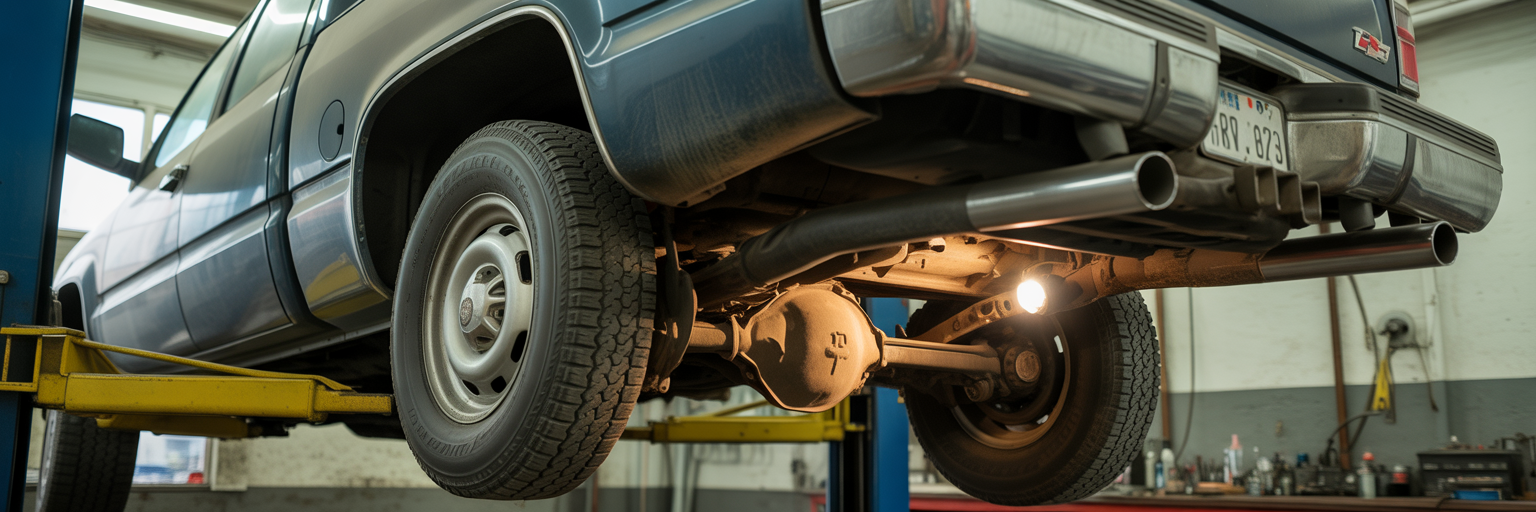
The GMT800 Silverado represents a sweet spot for many truck enthusiasts, and for good reason. These were the last of the truly analog Chevy trucks, built with a straightforward design that prioritized durability over digital comforts. When one of these rolls into my bay, I know I’m dealing with a machine that’s more about mechanical systems than lines of code. Their problems are almost always related to age and wear, not fundamental design flaws. They are honest trucks, but after two decades on the road, their honesty can be brutal.
Engine Bay Breakdown: The Good, the Bad, and the Noisy
The heart of most GMT800s is the Vortec V8 family, particularly the 4.8L and 5.3L. The chevy 5.3 engine reliability from this era is legendary, with many examples pushing well past 200,000 miles with basic care. However, they are not invincible. The most common issue I see is a slow coolant leak from failing intake manifold gaskets. The plastic gaskets become brittle with age, allowing coolant to seep out, often pooling unnoticed at the back of the engine. Another frequent visitor is a failing water pump, usually announced by a grinding noise and a drip from the weep hole.
Then there’s the infamous “cold start knock.” On a chilly morning, many of these 5.3L engines will produce a distinct piston slap noise for the first minute or so. It sounds alarming, like the engine is about to come apart. We all remember the first time we heard it and thought the worst. But experience has shown that for most of these engines, it’s a harmless annoyance that doesn’t affect long-term durability. It’s a character flaw you learn to live with.
Transmission Realities: The 4L60E Gamble vs. the 4L80E Tank
This generation’s biggest gamble lies with its automatic transmissions. Most 1500 models came with the 4L60E four-speed automatic. To put it bluntly, this transmission is the truck’s weakest link. Its 3-4 clutch pack is notoriously fragile and simply cannot handle sustained heavy towing or aggressive driving. When a customer complains about the engine revving high but the truck not accelerating, I already know what I’m going to find. A 4L60E rebuild isn’t a question of if, but when. If you’re looking at a GMT800 with a 4L60E, factor the cost of a future transmission replacement into your budget.
On the other hand, the heavy-duty 2500 models often came with the 4L80E. This transmission is a different beast entirely. It’s a direct descendant of the legendary Turbo 400 and is nearly indestructible. I’ve seen 4L80Es in fleet trucks that have been abused for 300,000 miles and still shift perfectly. If you need a GMT800 for serious work, finding one with a 4L80E is a massive win.
The Rust Epidemic: Where to Look and What to Fear
Time is the enemy of the GMT800, and its weapon of choice is corrosion. The silverado rust problems on these trucks are severe and often structural. If you’re inspecting one, you need to get on the ground with a flashlight and a screwdriver for tap-testing. Here’s exactly where to look:
- Brake Lines: The steel brake lines run along the driver-side frame rail, right above the fuel tank. Road salt and moisture collect here, and the lines rust from the outside in. A sudden loss of braking power is the terrifying result. This is a non-negotiable safety check.
- Rocker Panels: The plastic trim pieces along the bottom of the cab look nice, but they are masters at hiding catastrophic rust. Pry them back gently and inspect the metal underneath. I’ve seen rockers that are nothing but paint and air.
- Cab Corners: The corners of the extended cab and crew cab models are notorious for trapping water. Look for bubbling paint, which is the first sign of rust eating its way through from the inside.
- Frame: Pay close attention to the frame around the rear leaf spring hangers and the upper shock mounts. This area is a magnet for mud and moisture, and I’ve seen frames that are dangerously thin.
Real-World Work Capability in an Analog Truck
When new, these trucks were competent haulers. But a 20-year-old truck is not the same as a new one. The original tow ratings mean very little when the leaf springs are sagging, the shocks are blown, and every rubber bushing in the suspension has turned to dust. To safely use a GMT800 for work, you should plan on a complete suspension refresh. New shocks, bushings, and possibly even leaf springs are often necessary to restore its stability and payload capacity. These models cemented the Silverado’s reputation among the most popular American trucks, a legacy that continues today.
The Second Generation (GMT900): 2007–2014, The Arrival of AFM
The GMT900 was a huge step forward in terms of ride quality, interior comfort, and aesthetics. It felt like a modern vehicle, leaving the agricultural feel of the GMT800 behind. The fully boxed frame made it feel more stable and planted on the road. But this newfound sophistication came at a steep price, one that wouldn’t become apparent until these trucks started racking up miles. This generation introduced Active Fuel Management (AFM) to the V8 engines, a technology that has been responsible for more catastrophic engine failures than almost any other single system I’ve worked on.
Engines and the AFM Curse
Here is where the story of the modern Silverado takes a dark turn. To improve fuel economy, GM implemented AFM on the 5.3L and 6.2L V8s. The system deactivates four cylinders under light load by using special collapsible valve lifters. The problem is that these lifters are prone to failure. When an AFM lifter gets stuck or collapses, it stops opening the valve, leading to a cascade of destruction. The pushrod can bend, the camshaft lobe gets wiped out, and metal shavings circulate through the engine. The first symptom is usually a distinct ticking noise from the top of the engine, often accompanied by a misfire code. High oil consumption is another major red flag, as oil pressure issues are at the root of the problem. This is the definitive explanation of silverado afm issues explained: it’s a mechanical flaw that leads to expensive, invasive repairs.
The consequences of AFM failure are well-known in the repair community. As detailed in a guide by Rohnert Park Transmission, the primary issues in the 5.3L V8 often trace back to lifter failure and subsequent oil consumption, leading to significant engine damage if not addressed. For this reason, my advice is always the same: the most reliable GMT900 is one with the 4.8L V8. It was a simpler, less powerful engine, but its lack of AFM makes it a far safer bet as a used vehicle.
The 6-Speed Transmission (6L80) Upgrade
The good news is that this generation moved on from the dreaded 4L60E, introducing the much more robust 6L80 six-speed automatic. It was a significant improvement in both strength and drivability. However, it wasn’t without its own set of problems. The most common complaint I hear is a shudder or vibration when cruising at a steady speed, almost like driving over rumble strips. This is typically caused by a failing torque converter. Early symptoms can sometimes be managed with a fluid flush and a switch to an updated fluid formula, but in many cases, the only permanent fix is a new torque converter.
Rust Moves to New Places
While the frames on the GMT900s held up better than their predecessors, the rust didn’t disappear; it just moved. The new weak spot became the rear wheel arches. The design of the fender lip traps moisture and salt, causing rust to bubble up from underneath the paint. It starts as a small blister and quickly spreads, eating away the entire fender. Unlike the GMT800’s frame rust, this is mostly a cosmetic issue, but it’s ugly and expensive to repair properly. If you see bubbling on the rear fenders of a GMT900, you can be sure the metal underneath is gone.
Towing Stability vs. Electrical Gremlins
The stronger, fully boxed frame made the GMT900 a more confident tow vehicle. It felt less prone to flexing and more stable with a heavy trailer. However, the increased electronic complexity brought a new wave of frustrating, non-mechanical failures. I’ve replaced countless instrument cluster circuit boards that simply go dead, leaving the driver with no gauges. Faulty door lock actuators that either stop working or buzz incessantly are another common headache. And don’t get me started on the Tire Pressure Monitoring System (TPMS) sensors, which seem to have a mind of their own, constantly triggering warnings even when tire pressures are perfect. These are the little problems that can drive an owner crazy.
The Third Generation (K2XX): 2014–2019, Tech Advances and Transmission Troubles
The K2XX generation Silverado felt like a refinement of the GMT900. The styling became more squared-off and aggressive, and the interiors took another step up in quality. Under the hood, GM introduced its new EcoTec3 engine family, featuring direct injection for the first time in its trucks. On paper, these were the most powerful and efficient Silverados yet. But in the real world, the story was dominated by a single, infuriating problem: a transmission that couldn’t get out of its own way.
Direct Injection and Lingering AFM Issues
The switch to direct injection (DI) brought tangible benefits in power and fuel economy. However, it also introduced a long-term maintenance issue that port-injected engines never had: carbon buildup on the intake valves. Because fuel is no longer sprayed over the back of the valves, there’s no cleaning action to wash away oil vapors from the PCV system. Over time, these vapors bake onto the valves, forming hard carbon deposits that can restrict airflow and cause misfires. This is one of the most frequent chevy silverado common problems we see on higher-mileage DI engines.
Worse yet, Active Fuel Management was still part of the package. Despite years of evidence showing the system’s flaws, the lifter failure issue persisted. A 2016 Silverado with 100,000 miles is just as likely to come in with a collapsed lifter and a ticking noise as a 2008 model. The problem was never truly solved, just carried over to a new generation.
The Infamous 8-Speed “Chevy Shake” (8L90)
If AFM was the curse of the GMT900, the 8L90 eight-speed automatic transmission was the plague of the K2XX. Starting in 2015 on some models, this transmission became notorious for a violent shudder or vibration, now widely known as the “Chevy Shake.” It typically happens under light acceleration or when cruising at highway speeds. The sensation feels like the truck is driving over a series of small bumps. The root cause was traced to the torque converter and the original-spec transmission fluid, which absorbed moisture and caused glazing on the clutch surfaces.
GM issued multiple Technical Service Bulletins (TSBs) and recommended a complex fluid flush procedure with a new type of fluid. For some trucks, this worked. For many others, it was a temporary fix, and the shudder would return. The only permanent solution was a new torque converter. This issue was so widespread that it became the defining flaw of the entire generation. Identifying these issues early can save you thousands, and many initial checks can be part of your own pre-purchase inspection process, a key step in any DIY vehicle assessment.
| Transmission | Generation(s) | Common Failure Point | Symptom |
|---|---|---|---|
| 4L60E | GMT800 (1999-2007) | 3-4 Clutch Pack Burnout | Loss of 3rd/4th gear, slipping |
| 6L80 | GMT900 (2007-2014) | Torque Converter Failure | Shuddering at steady speeds, hard shifts |
| 8L90 | K2XX (2014-2019) | Torque Converter Glaze / Fluid Issues | Pronounced ‘Chevy Shake’ or vibration |
| 10L80/10L90 | T1XX (2019-Present) | Early Model Software Glitches | Harsh or erratic shifting (often fixable with updates) |
This table summarizes the most prevalent transmission issues a technician sees across different Silverado eras. Note that while the 10-speed is a significant improvement, no automatic transmission is entirely free of potential problems.
Body and Frame Integrity in the Modern Era
To save weight, GM began using aluminum for the hoods, and later, tailgates and doors. This helped with fuel economy and made the hood easier to lift, but it didn’t solve the underlying rust issues. The frame and cab were still made of steel. A new problem I started seeing on these trucks was the factory frame coating peeling off in large sheets, particularly in northern climates. This is more than a cosmetic flaw. Once that protective coating is gone, it traps moisture against the bare steel, dramatically accelerating corrosion. When inspecting a K2XX, look for this peeling on the frame, as it’s a clear indicator of future rust problems.
The Fourth Generation (T1XX): 2019–Present, Peak Tech and New Powertrains
The current T1XX generation is the most technologically advanced and diverse Silverado ever built. With options ranging from a four-cylinder turbo to a small diesel and two different V8s, there’s a powertrain for almost everyone. The styling is polarizing, but the capability is undeniable. From a mechanic’s standpoint, this generation feels like a mix of genuine improvements and the introduction of new, unproven technologies that we are only just beginning to understand the long-term failure points of.
A Diverse Engine Lineup: Turbos, Diesels, and V8s
The engine lineup is where this generation really stands out. The 2.7L Turbo four-cylinder is surprisingly potent, but as a technician, I remain skeptical about the long-term durability of a small, high-strung turbo engine in a full-size truck. The 3.0L “baby” Duramax diesel is a masterpiece of efficiency, offering incredible fuel economy, especially for towing. However, owners need to be prepared for the eventual high cost of modern diesel emissions system repairs. DEF pumps, DPF filters, and EGR coolers are not cheap to replace.
The V8s are still the volume sellers, but they now feature Dynamic Fuel Management (DFM), an even more complex version of AFM that can run on as few as two cylinders. And yes, the lifter failure problem is absolutely still present. We have seen numerous 2019–2021 models in our shop for collapsed lifters, proving that the fundamental design issue has not been resolved. Beyond the persistent lifter issues, the 6.2L V8 also faced more severe problems in certain production runs, leading to a major GM 6.2L engine recall for engine block defects. The 3.0L Duramax diesel option in this generation set a new standard for efficiency, a trend that continues as manufacturers explore which 2025 trucks offer the best towing and fuel economy.
Transmission Improvements with the 10-Speed
Perhaps the best news of this generation was the widespread adoption of the 10-speed automatic transmission, co-developed with Ford. After the disaster of the 8-speed, the 10-speed has been a welcome relief. It is smoother, smarter, and far more reliable. Early 2019 models did have some software-related issues that could cause harsh or erratic shifting, but these were largely correctable with a simple reflash of the transmission control module. Compared to the mechanical nightmares of previous generations, this is a massive improvement.
Build Quality and Early Production Headaches
When the T1XX launched, it was criticized for its abundance of hard interior plastics, which felt like a step back from the previous generation. While that’s a matter of taste, the more significant issues were the early production glitches. Beyond the engine block problems, we saw a host of software bugs in the infotainment systems, causing screens to freeze or go blank. Driver-assist features would sometimes malfunction, and a number of small but frustrating electrical issues plagued the first model year. Most of these have been ironed out in later years, but it serves as a reminder that buying the first year of a completely new design often means being a beta tester for the manufacturer.
My Final Advice from Under the Hood
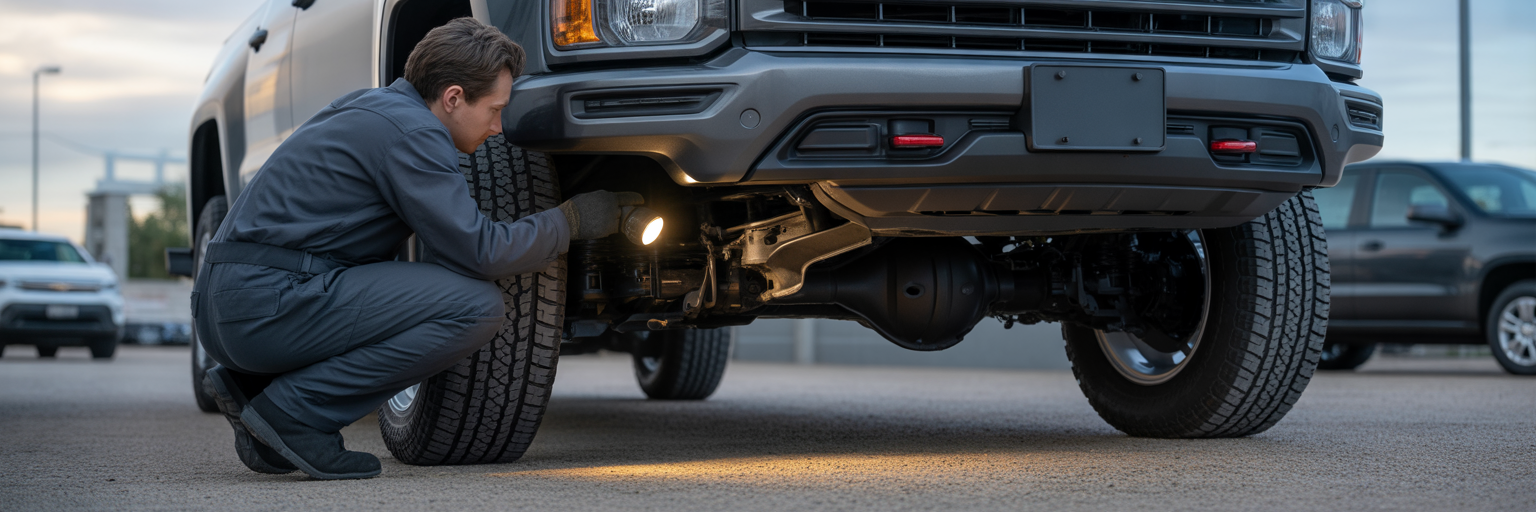
After walking through every generation, from the simple GMT800 to the complex T1XX, the question remains: which one should you actually buy? The answer isn’t a single model year, but a strategy. It’s about knowing which battles you want to fight. Do you prefer dealing with rust and worn-out suspension, or are you willing to risk complex electronic and engine issues? Here is my final, unfiltered advice based on what I’d tell a family member.
The Mechanic’s Choice: Best of the Bunch
If you’re looking for the best used silverado year to buy, you’re looking for a “sweet spot” model that dodges the biggest problems. Here are my top picks:
- A 2005–2006 GMT800 from a southern state. These late-model first-gens had many of the early kinks worked out, and if you can find one that hasn’t been exposed to road salt, you avoid its biggest enemy: rust. The mechanicals are simple and proven.
- A 2010–2013 GMT900 with the 4.8L V8. This gets you the more modern platform and comfortable ride while completely avoiding the AFM lifter nightmare. It’s the most reliable configuration of this generation, hands down.
- A 2019+ T1XX with the 10-speed transmission. If you want a modern truck, skip the problematic 8-speed era entirely. The 10-speed is a far superior transmission, and by this point, many of the initial production bugs were addressed.
Years to Approach with Caution
Some trucks are just more likely to give you headaches. I would be extremely cautious with these models:
- 2007–2009 GMT900s. These were the first years of a new platform and were prone to both AFM failures and a host of electrical bugs.
- Any 2007–2014 5.3L V8 with high mileage and no service records. You are buying a ticking time bomb for lifter failure. Without proof of frequent, high-quality oil changes, the risk is too high.
- 2014–2018 models with the 8-speed transmission (8L90). The “Chevy Shake” is a real and frustrating problem. Unless you have confirmation that the torque converter has been replaced, you are rolling the dice.
The Pre-Purchase Inspection Checklist
Never buy one of these trucks without doing your homework. This is my bare-minimum checklist:
- Get under the truck with a flashlight and a small hammer or screwdriver. Tap-test the frame, especially around the rear wheels, spare tire, and brake lines. Don’t trust fresh undercoating; it can hide serious rot.
- Insist on a cold start. Listen for any ticking, knocking, or rattling sounds from the engine before it has a chance to warm up and quiet down.
- During the test drive, pay close attention to the transmission. At a steady 40-50 mph, feel for any shudder or vibration. Check for harsh shifts or hesitation when accelerating.
- Check the oil level and condition on the dipstick. A low oil level is a massive red flag for the oil consumption issues tied to AFM/DFM.
- Pull a vehicle history report. Verify the maintenance records and, crucially, see if the truck spent its life in a northern “Salt Belt” state.
In the end, maintenance is everything. A well-maintained “problem” truck with a known flaw that has been addressed is always a better bet than a neglected “reliable” one. Regular synthetic oil changes are your best defense against engine issues, and transmission fluid services are not optional. This guide covers the Silverado, but the principles of diligent inspection and maintenance apply to any vehicle. For more insights into the automotive world, CarPhanatics has you covered.