The Enduring Appeal of Budget Off-Roading
The American spirit has always been tied to exploration, from the winding trails of the Appalachians to the vast, open deserts of the Sierras. There is a deep-seated desire to see what lies beyond the pavement. Yet, in 2025, that dream often collides with a harsh financial reality. New, capable 4x4s frequently carry price tags starting well above $40,000, placing them out of reach for the average adventurer.
This is where the savvy enthusiast turns to the used vehicle market, a genuine treasure trove of affordable and proven machines. Choosing a used off-roader is not a compromise. It is a strategic move that unlocks incredible value and capability. For under $20,000, a reliable and trail-ready vehicle is not just a possibility, it is an attainable goal. This approach to budget off roading allows you to invest the savings into fuel, gear, and actual experiences.
This guide is designed to be your roadmap. We will cover the essential features that separate a true off-roader from a simple SUV. We will then profile the most reliable models that consistently deliver performance without breaking the bank. Finally, we will provide crucial advice on pre-purchase inspections and maintenance to ensure your investment is sound, safe, and ready for whatever trail you point it toward.
Core Features of a Trail-Ready Vehicle
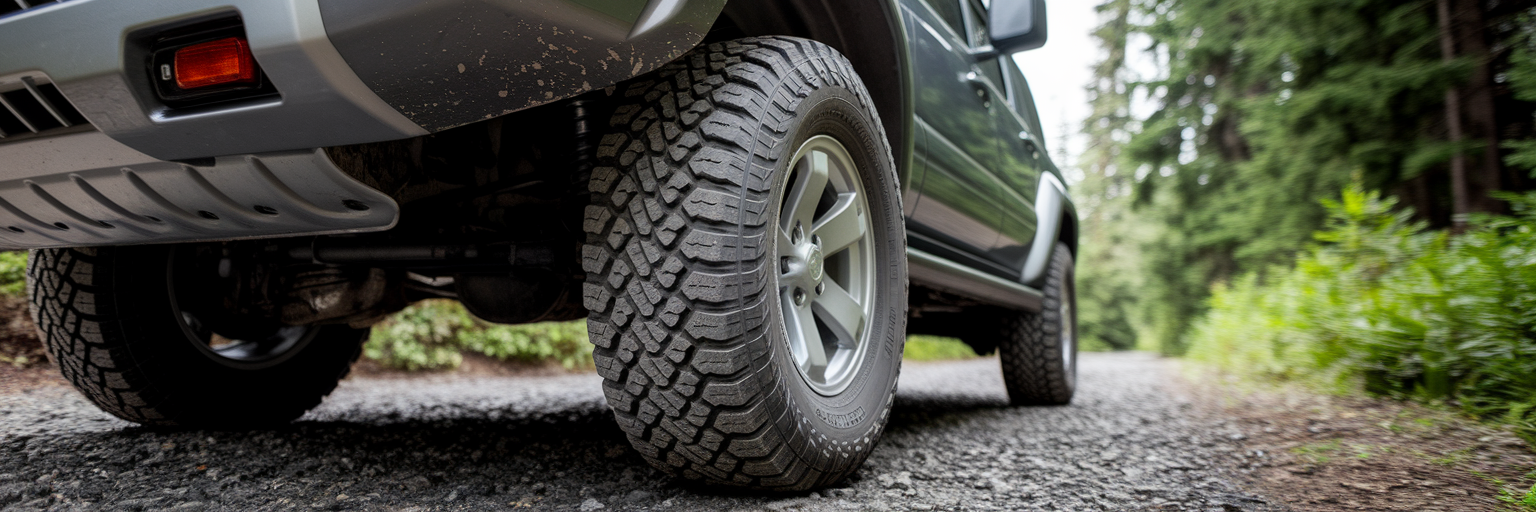
Before you start browsing listings, it is important to understand the hardware that makes a vehicle truly capable when the asphalt ends. This is not about brand names, but about the fundamental engineering that allows a vehicle to conquer difficult terrain. Understanding these core features will help you identify a genuinely capable machine.
Here are the non-negotiables for a trail-ready vehicle:
- Ground Clearance and Suspension: Think of it this way: your daily driver needs enough clearance to handle a speed bump, but an off-road vehicle needs to clear fallen logs and rocks. High ground clearance is essential. Equally important is suspension articulation, which is the suspension’s ability to flex and keep the tires on the ground over uneven surfaces for maximum traction.
- A True 4WD System: Many modern SUVs have All-Wheel Drive (AWD), which is great for snowy roads or wet pavement. However, for serious off-roading, you need a true Four-Wheel Drive (4WD) system with a low-range transfer case. This feature acts like a second set of gears, multiplying engine torque to help you crawl slowly and powerfully up steep inclines or over obstacles.
- Body-on-Frame Construction: Most cars and crossovers today use unibody construction, where the body and frame are one piece. For rugged use, body-on-frame construction is superior. It is more durable, resistant to twisting forces on uneven trails, and generally easier and cheaper to lift and modify. This robust design is a hallmark of many capable vehicles, including the types of trucks we often feature.
- Tires and Differentials: Tires are the single most impactful upgrade for off-road performance. All-terrain or mud-terrain tires provide the grip that street tires simply cannot. Additionally, some top-tier off-roaders come with locking differentials. This feature forces both wheels on an axle to turn at the same speed, ensuring you keep moving even if one wheel is in the air.
Top Contenders: The Most Reliable Used SUVs
With a solid understanding of the essential hardware, we can now look at the specific models that bring these features together in a reliable and affordable package. These body-on-frame SUVs have earned their reputations on trails across the country and represent some of the smartest buys on the used market. While there are many options, these three consistently rise to the top for their blend of durability, capability, and value.
The Legend: 4th Generation Toyota 4Runner (2003-2009)
The 4th Gen 4Runner is an icon for a reason. Its reputation for bulletproof reliability is well-deserved, with many examples easily surpassing 200,000 miles with basic care. The available V8 engine is a particular favorite for its smooth power delivery. This model is an excellent platform for a used Toyota 4Runner off road project, thanks to a massive aftermarket that offers everything from suspension lifts to armor. The downside? Everyone knows how good they are, which keeps prices relatively high. Be prepared to hunt for a clean, well-maintained example and pay a slight “Toyota tax.”
The Value King: 2nd Generation Nissan XTerra (2005-2015)
Often living in the 4Runner’s shadow, the 2nd Gen Nissan XTerra is arguably the best value in this category. It is a rugged, no-frills SUV built on a fully boxed ladder frame. For those seeking a turn-key solution, the PRO-4X trim is a standout, coming from the factory with Bilstein shocks, skid plates, and an electronic locking rear differential. This makes it a fantastic starting point for a Nissan XTerra off road build with minimal initial investment. Its primary weakness is a smaller aftermarket compared to Toyota, but it delivers 90% of the capability for a fraction of the price.
The Cult Classic: Toyota FJ Cruiser (2007-2014)
The FJ Cruiser is the fun, quirky, and incredibly capable cousin in the Toyota family. Sharing its underpinnings with the legendary Land Cruiser Prado, it boasts phenomenal off-road prowess right out of the box. Its unique retro styling, suicide rear doors, and vibrant color options give it a personality that other SUVs lack. While its interior is utilitarian and rear visibility is notoriously poor, its performance on the trail is undeniable. FJs hold their value exceptionally well, so finding one under $20,000 requires patience, but it rewards you with a vehicle that is both a capable tool and a future classic. While these are our top picks, you can always explore a wider range of vehicles on our homepage.
| Model | Key Strength | Potential Weakness | Typical Price Range (Good Condition) |
|---|---|---|---|
| Toyota 4Runner (4th Gen) | Legendary reliability, V8 option, huge aftermarket | Higher price (‘Toyota Tax’), potential for rust | $12,000 – $19,000 |
| Nissan XTerra (2nd Gen) | Excellent value, PRO-4X model is factory-ready | Less aftermarket support, SMOD issue on early models | $8,000 – $15,000 |
| Toyota FJ Cruiser | Unique style, extreme capability, great resale value | Poor visibility, quirky interior, premium price | $15,000 – $20,000+ |
Note: Prices are market estimates for 2025 and can vary significantly based on mileage, condition, and location. The ‘SMOD’ (Strawberry Milkshake of Death) issue on pre-2010 automatic XTerras involves the radiator failing and mixing coolant with transmission fluid, but is a well-documented and preventable fix.
Worthy Alternatives and Crossover Options
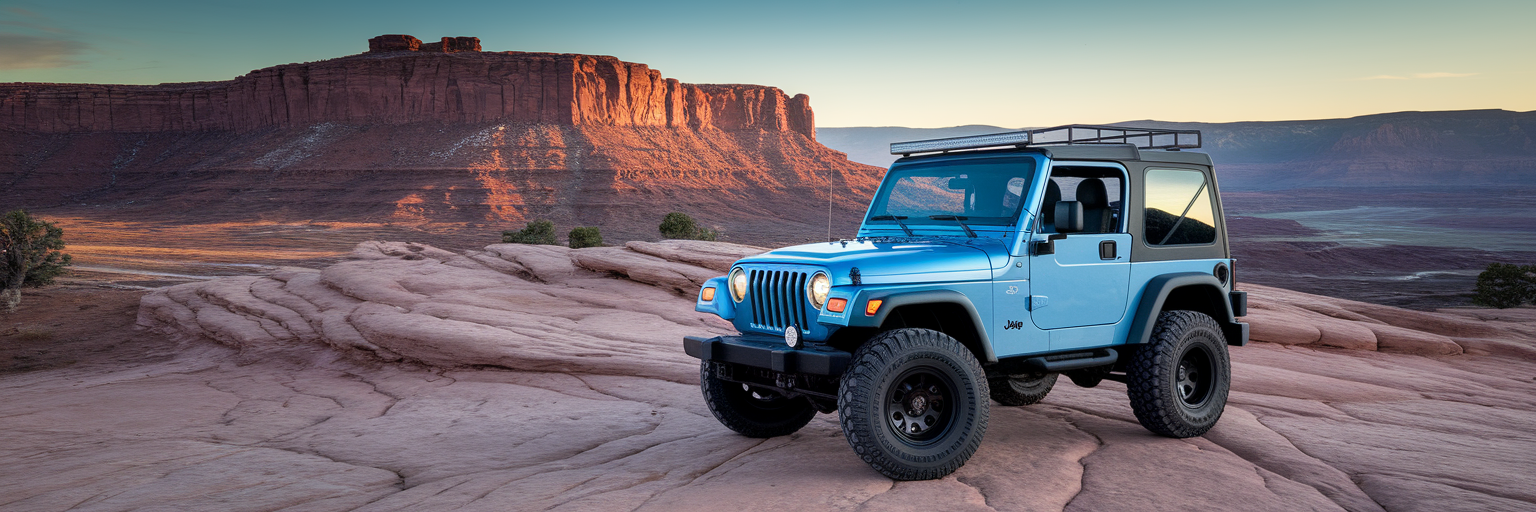
While the three SUVs above are top-tier choices, they are not the only paths to adventure. Depending on your priorities, several other vehicles offer compelling blends of capability, utility, and value. Broadening your search to include these alternatives can uncover some of the best used off road vehicles you might have otherwise overlooked.
The Jeep Wrangler JK (2007-2018) is the obvious icon. Its solid axles and unmatched aftermarket support make it endlessly customizable. If you are considering one, aim for a 2012 or newer model with the more reliable 3.6L Pentastar V6 engine. Be aware of the “Jeep tax,” as their popularity commands a premium. For those drawn to the brand’s heritage, you can explore more on our dedicated Jeep page.
What if you do not plan on tackling extreme rock crawling? For those needing to reach a remote trailhead or confidently handle snowy mountain passes, a capable “soft-roader” like a Subaru Outback or Forester is a sensible choice. Their AWD systems are excellent, and they offer better fuel economy and on-road comfort. Just be realistic about their limitations regarding ground clearance and underbody protection.
Finally, do not forget older 4×4 pickup trucks. An affordable 4×4 under 20000 like a Ford F-150 or Chevy Silverado offers immense utility for hauling camping gear, bikes, or kayaks. Their main drawback is a long wheelbase, which can make them difficult to maneuver on the tight, wooded trails common in the Northeast and Pacific Northwest. For those interested in models like the F-150, you can learn more on our Ford brand page. The value of the used market is clearer than ever when, as a recent report by Motor1.com highlights, most new off-roaders start well above $40,000.
Your Pre-Purchase Inspection Checklist
Finding the right model is only half the battle. A thorough inspection is what separates a great deal from a future headache. Off-road vehicles live harder lives than typical commuter cars, so you need to know what to look for. This checklist will empower you to assess a potential purchase with confidence.
- Inspect the Undercarriage: This is where a vehicle tells its story. Get on the ground and look for signs of abuse. Are the frame rails deeply scraped or dented? Are the skid plates smashed? Check the rubber CV boots on the axles for tears, which allow dirt to destroy the joints. Most importantly, check for frame rust, especially on vehicles from the “Rust Belt.” Surface rust is normal, but flaking, bubbling, or holes in the frame are major red flags.
- Perform a Mechanical Health Check: During your test drive, find a safe place to test the 4WD system. Shift into 4-Hi and 4-Lo, ensuring it engages and disengages smoothly without loud clunks. Listen for whines from the differentials or grinding noises when turning. Any unusual sound is a warning sign, and if you are wondering why your car is squeaking when you drive, it is a clear signal that something needs professional attention.
- Demand a Professional Opinion: Ask for service records to see how the vehicle was maintained. Even if everything looks good, the single best thing you can do is invest in a pre-purchase inspection (PPI) from a trusted independent mechanic. For a 4×4, find a shop that specializes in them. Spending a couple hundred dollars on a PPI can save you thousands in hidden repairs.
Keeping Your Trail Rig Ready for Adventure
Once you have brought your adventure vehicle home, the key to long-term reliability is proactive care. Following a few simple off road vehicle maintenance tips will ensure your rig is always ready for the next trip and helps prevent small issues from becoming major trail-side problems. Think of it as cheap insurance for your investment and your safety.
First, establish a post-trip routine. The most important step is to thoroughly wash the undercarriage. Mud and dirt trap moisture against metal components, dramatically accelerating rust and corrosion. A clean vehicle is also much easier to inspect for any new damage.
Second, adopt a more frequent fluid change schedule. Off-roading puts immense strain on your drivetrain. Do not follow the factory-recommended intervals meant for street driving. Change your engine oil, front and rear differential fluid, and transfer case fluid more often. Clean fluids are essential for longevity.
Finally, make a habit of performing regular checks. Before each trip, walk around the vehicle and look at the suspension and steering components. Listen for any new noises or clunks while driving. Addressing a small squeak or a loose bolt in your driveway is far better than dealing with a broken part miles from the nearest road.