Proper diesel engine maintenance is crucial for maximizing fuel efficiency and ensuring your vehicle performs optimally for years. Diesel engines, known for their durability and efficiency, require regular upkeep to sustain peak performance. This guide provides comprehensive insights into diesel engine maintenance, detailing a structured maintenance schedule, routine inspection guidelines, and effective driving behaviors to enhance fuel economy.
Comprehensive Diesel Engine Maintenance Schedule
Following a structured diesel engine maintenance schedule ensures optimal performance and fuel efficiency. Adhering to recommended intervals for oil changes, filter replacements, and fluid checks significantly boosts engine longevity and reduces fuel consumption.
Oil Changes
Regular oil changes are critical for diesel engine maintenance. Engine oil lubricates moving parts, reduces friction, and helps maintain optimal engine temperatures.
- Frequency: Every 5,000 to 7,500 miles or every six months, whichever comes first.
- Recommended Oil Type: Use high-quality diesel-specific oil that meets the engine manufacturer’s specifications.
Filter Replacements
Filters protect your diesel engine from contaminants that could significantly compromise performance.
- Oil Filter: Replace with every oil change (every 5,000-7,500 miles).
- Fuel Filter: Replace every 10,000 to 15,000 miles or annually.
- Air Filter: Replace every 15,000 to 20,000 miles or annually, more frequently if driving in dusty environments.
Fluid Checks and Replacements
Maintaining proper fluid levels and quality is essential to effective diesel engine maintenance.
- Coolant: Check levels monthly; flush and refill the cooling system every 30,000 miles.
- Transmission Fluid: Check every 15,000 miles; replace every 30,000 to 50,000 miles.
- Brake Fluid: Examine regularly and replace every two years or 24,000 miles.
Essential Guidelines for Routine Diesel Engine Inspections
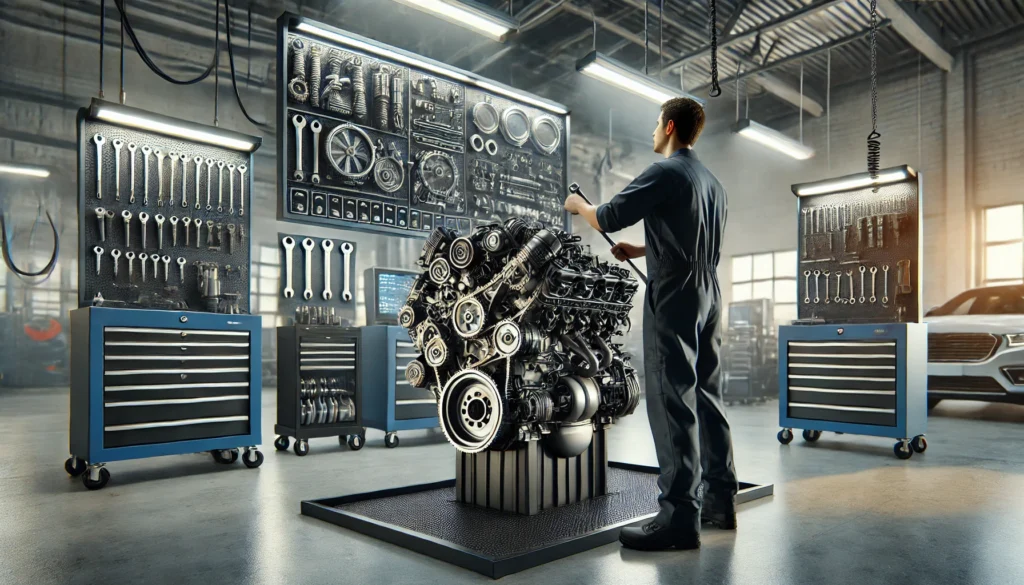
Routine inspections prevent minor issues from developing into costly repairs. Incorporating these checks into your diesel engine maintenance routine will ensure optimal engine health and fuel efficiency.
Visual Inspection
Perform monthly visual inspections to identify potential issues early.
- Check for leaks around hoses, fuel lines, and seals.
- Inspect belts for wear, cracks, or fraying.
- Examine the engine compartment for loose wires or corrosion.
Tire Inspection and Maintenance
Proper tire maintenance directly impacts fuel efficiency.
- Maintain correct tire pressures as per manufacturer recommendations, checking monthly.
- Rotate tires every 7,500 miles to ensure even wear.
- Regularly inspect tread depth and replace worn tires promptly.
Battery and Electrical System Check
Diesel engines rely heavily on a robust electrical system.
- Inspect battery terminals monthly for corrosion and clean as necessary.
- Test battery voltage and charging system annually.
- Replace batteries typically every 3 to 5 years, depending on usage.
Exhaust System Inspection
The exhaust system significantly impacts diesel engine efficiency and emissions.
- Inspect exhaust pipes and mufflers for rust, holes, or damage every six months.
- Ensure the diesel particulate filter (DPF) is regularly serviced according to manufacturer guidelines.
Driving Behaviors to Enhance Diesel Engine Fuel Efficiency
Beyond diesel engine maintenance, your driving habits significantly impact fuel economy. Adopting fuel-efficient driving behaviors complements regular maintenance, providing substantial savings over time.
Smooth Acceleration and Deceleration
- Avoid rapid acceleration; gently press the accelerator to increase speed gradually.
- Anticipate braking needs to avoid harsh stops, reducing unnecessary fuel consumption.
Optimal Speed Maintenance
- Maintain consistent speeds, using cruise control when appropriate, particularly during highway driving.
- Avoid excessive speeding, as higher speeds dramatically decrease fuel efficiency due to increased wind resistance.
Minimize Idle Time
- Turn off your diesel engine if you anticipate extended idle periods, as idling significantly reduces fuel economy.
- Modern diesel engines do not require lengthy warm-up periods; brief idling upon startup is sufficient.
Reduce Excess Weight and Drag
- Remove unnecessary cargo from your vehicle, as additional weight reduces fuel efficiency.
- Reduce aerodynamic drag by removing roof racks or other accessories when not in use.
Regular Route Planning
- Plan your routes to avoid heavy traffic or frequent stops, optimizing fuel consumption and reducing engine strain.
- Combine short trips into one longer journey to maintain optimal engine temperatures and efficiency.
Implementing these diesel engine maintenance practices alongside conscientious driving behaviors ensures maximum fuel efficiency and prolonged engine life. Consistent preventive care and mindful habits significantly reduce fuel expenses, maintain engine reliability, and contribute positively to environmental sustainability. Prioritize regular inspections and adhere to structured maintenance schedules to achieve the best performance from your diesel engine.