Finding the Sweet Spot Between Fun and Safety
We can all picture the scene. The first car conversation is a rite of passage, a negotiation that often feels like two different languages are being spoken. On one side, a new driver dreams of something with style and a bit of spirit. On the other, a parent sees a spreadsheet of insurance premiums, repair bills, and safety statistics. This article is designed to be the translator, bridging that gap with a simple but powerful idea: the safest cars for new drivers are often the ones that are genuinely good to drive.
The conflict usually starts with a misunderstanding of what makes a car “fun.” For many, the word conjures images of excessive horsepower and blistering acceleration, the very things that send a parent’s blood pressure soaring. But for a budding enthusiast, the real joy of driving is more nuanced. It’s found in the feedback that comes through the steering wheel, telling you exactly what the front tires are doing. It’s in a balanced chassis that feels predictable and responsive when you guide it through a corner. These are the qualities that build skill and confidence.
A car that communicates clearly with its driver is a car that is easier to control, especially when the unexpected happens. When a driver can feel the edge of traction or sense how the car’s weight is shifting, they are better equipped to react correctly and avoid an accident. This is the core of what makes safe fun cars for new drivers. Excellent engineering that produces an engaging driving experience also creates a more stable and forgiving platform. The two are not mutually exclusive. In fact, they are often intertwined.
This guide moves beyond the outdated notion that a teen’s car must be a slow, uninspired appliance to be safe. Instead, we will identify vehicles that deliver a satisfying experience behind the wheel while meeting non-negotiable standards. Every car recommended here has been vetted against stringent criteria for safety ratings, proven reliability, manageable insurance costs, and reasonable maintenance. The goal is to find a car that not only protects your teen but also nurtures a lifelong appreciation for skillful, responsible driving.
The Non-Negotiable Checklist for a Teen’s First Car
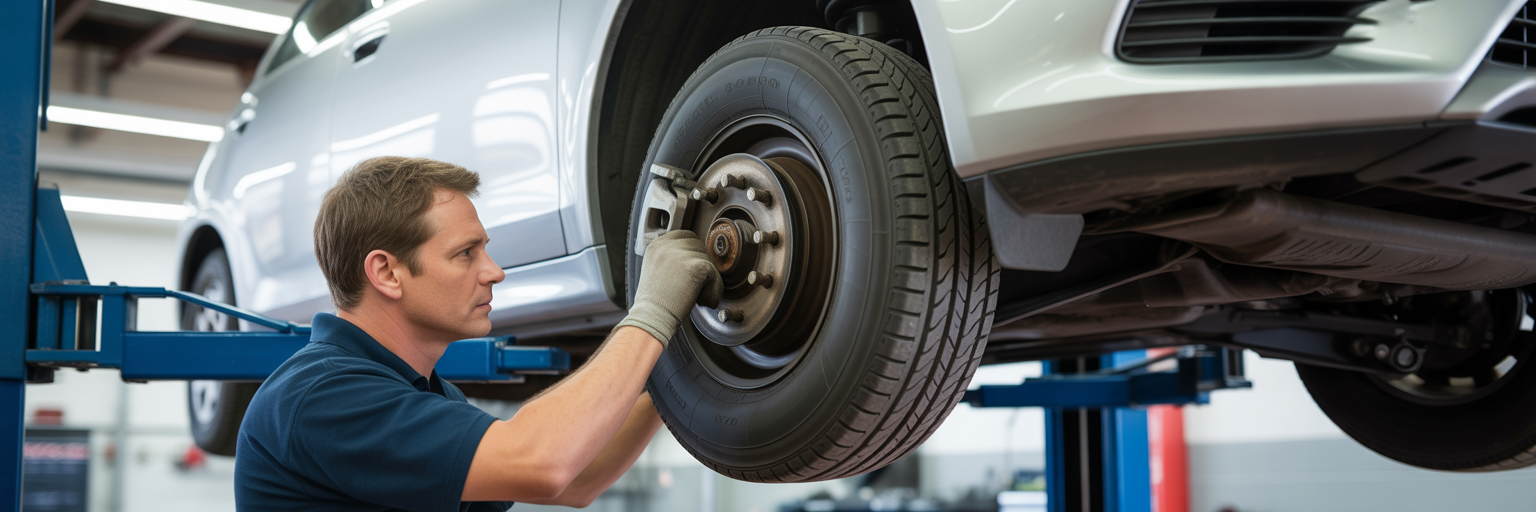
Before we even mention a specific make or model, we need to establish the framework for a smart decision. The cars that follow were not chosen based on looks or brand loyalty. They were selected because they pass a rigorous checklist designed to ensure safety, prevent financial headaches, and keep ownership costs predictable. Understanding these criteria is the first step toward finding the right vehicle.
Decoding Safety Ratings: Your First Line of Defense
Vehicle safety has improved dramatically over the past decade, and official crash test ratings are your most objective tool for evaluation. The two main organizations you need to know are the Insurance Institute for Highway Safety (IIHS) and the National Highway Traffic Safety Administration (NHTSA). According to the Insurance Institute for Highway Safety (IIHS), choosing a vehicle with a ‘Good’ rating in crash tests and standard electronic stability control is one of the most effective ways to protect a new driver. Look for vehicles that have earned a Top Safety Pick or Top Safety Pick+ award from the IIHS for their model year. These awards signify excellent performance in a wide range of crash tests.
One feature is absolutely mandatory: Electronic Stability Control (ESC). This system uses computers and sensors to prevent a vehicle from skidding or spinning out of control. It is arguably the most significant safety invention since the seatbelt and has been required on all new cars since 2012. Finally, physics is undefeated. The IIHS also recommends that teens drive vehicles with a curb weight over 2,750 pounds. In a collision, a heavier vehicle generally provides better protection than a lighter one.
The Importance of Reliability and Long-Term Costs
A car that frequently breaks down is more than an inconvenience. It can leave a new driver stranded in a dangerous situation and drain a family’s finances with unexpected repair bills. A reliable first car for a teenager is a cornerstone of peace of mind. Organizations like Consumer Reports provide extensive data on model year reliability, tracking common problems reported by thousands of owners. This information is invaluable for avoiding models with known engine, transmission, or electrical issues.
Long-term cost of ownership goes beyond the initial purchase price. Consider the affordability and availability of replacement parts. Brands like Honda and Toyota are known for their robust supply chains and reasonably priced components. Some European models, while appealing, can come with significantly higher costs for both parts and specialized labor. Thorough research is critical to avoid vehicles with a history of major problems. For example, widespread issues like the GM 6.2L engine recall we covered show why checking a car’s history for known defects is an essential step.
Avoiding the Teen Insurance Trap
Insuring a teen driver is expensive, but the choice of vehicle can have a massive impact on the premium. Insurance companies use statistical data to assess risk, and certain cars are simply cheaper to insure for a young driver. These are generally not the cars you see in street racing movies. When searching for low insurance cars for teens, focus on models with:
- Moderate Horsepower: High-performance engines are a direct red flag to insurers.
- Low Repair Costs: Cars with affordable and readily available parts cost less to fix after a claim.
- Excellent Safety Ratings: Insurers reward vehicles that protect occupants and have advanced safety features.
- Low Theft Rates: Commonly stolen vehicles carry higher premiums for comprehensive coverage.
This checklist of safety, reliability, and insurability forms the foundation for every single recommendation in this guide. A car that fails on any of these points is not a smart choice, no matter how fun it is to drive.
Top Recommended Sedans and Hatchbacks
Now we get to the fun part: the cars themselves. The following vehicles represent some of the best used cars for teen drivers who appreciate a great driving experience but also need to satisfy the crucial requirements of safety and reliability. Each one passes the non-negotiable checklist from the previous section, offering a unique blend of attributes for different priorities and tastes. To verify these ratings, it’s helpful to consult platforms that provide curated automotive safety insights, which can simplify comparing models.
Honda Civic (2016+): The Benchmark All-Rounder
There is a reason the Honda Civic is a perennial bestseller. Since its 2016 redesign, it has offered a combination of attributes that is almost impossible to beat. The chassis is sophisticated and composed, providing a ride that is both comfortable for daily commuting and surprisingly eager on a winding road. It feels light on its feet and responsive to driver inputs, making it an excellent tool for learning car control. Paired with Honda’s legendary reputation for reliability and excellent fuel economy, the Civic is the default choice for a reason. It’s the well-rounded student who excels in every subject, making it a brilliant first car.
Mazda 3 (2014+): The Enthusiast’s Choice
For the teen who truly loves the act of driving, the Mazda 3 is the answer. For years, Mazda has focused on delivering a premium driving experience at an accessible price point. The steering is sharp and communicative, the suspension is tuned for confident handling without being harsh, and the interior materials and design feel like they belong in a more expensive car. It’s a vehicle that rewards smooth inputs and makes even a simple trip to the store feel engaging. While its reliability is strong, it’s the dynamic feel and upscale ambition that make the Mazda 3 stand out as the enthusiast’s pick in this segment.
Toyota Camry (2018+): Reliability Redefined with Style
It’s time to forget everything you thought you knew about the Toyota Camry. The days of it being a purely utilitarian, uninspired appliance are over. Starting with the 2018 model year, the Camry was rebuilt on a new platform that dramatically improved its handling dynamics and road feel. It’s more composed, more responsive, and frankly, much better looking. What hasn’t changed is its bedrock foundation of bulletproof reliability and low running costs. It offers more space than the compacts on this list, making it a comfortable and substantial-feeling car on the highway. For those who want legendary dependability with a newfound sense of style and competence, the modern Camry is a revelation. Its long-running rivalry with the Accord is legendary, and as our 2026 hybrid sedan showdown shows, both continue to be top contenders.
Subaru Impreza (2017+): The All-Weather Confidence Builder
For families living in regions with rain, snow, or four distinct seasons, the Subaru Impreza has a killer feature: standard Symmetrical All-Wheel Drive. This isn’t a part-time system that only engages when wheels slip. It’s always on, providing exceptional grip and stability in slippery conditions. This is a massive confidence builder for an inexperienced driver. Beyond the AWD system, the Impreza (redesigned for 2017) boasts a solid chassis, excellent visibility thanks to its thin pillars and large windows, and top-tier safety scores. It’s the practical, sensible choice that offers an extra layer of security when the weather turns sour, without sacrificing a pleasant driving experience.
Head-to-Head Comparison of Top Compacts

Choosing between the top contenders can be difficult. The Honda Civic, Mazda 3, and Subaru Impreza each offer a compelling package. To help clarify the decision, we are putting them side by side, analyzing both the objective data and the subjective experience of living with them every day.
By the Numbers: Data-Driven Showdown
First, let’s look at the hard data. This table provides a snapshot of key metrics for each vehicle, using the 2018 model year as a consistent benchmark. These numbers form the objective foundation for our comparison.
| Vehicle (2018 Model Year) | Average Used Price | IIHS Safety Rating | Relative Insurance Cost | Combined MPG | Reliability Score (out of 5) |
|---|---|---|---|---|---|
| Honda Civic | $16,000 – $19,000 | Top Safety Pick | Low-Medium | 32-36 MPG | 4.5 |
| Mazda 3 | $15,000 – $18,000 | Top Safety Pick+ | Low-Medium | 30-31 MPG | 4.0 |
| Subaru Impreza | $15,500 – $18,500 | Top Safety Pick+ | Medium | 28-32 MPG | 4.0 |
Note: Average prices are estimates for 2018 models in good condition and can vary by location and mileage. IIHS ratings reflect models with specific optional headlights. Reliability scores are synthesized from Consumer Reports data, and insurance costs are relative estimates.
Behind the Wheel: The Driving Experience
Numbers only tell part of the story. The personality of a car is revealed on the road. The Mazda 3 feels the most athletic. Its steering is quick and full of feedback, and the chassis feels eager to change direction. It’s the car that begs you to take the scenic route. The Honda Civic is the picture of composure. It’s not as sharp as the Mazda, but it’s incredibly balanced and predictable, inspiring confidence with its stable and unflappable nature. The Subaru Impreza feels the most secure. The standard all-wheel drive gives it a planted, unshakeable feel, especially in less-than-perfect conditions. Its ride is tuned more for comfort and stability than for sharp handling. These compacts are an excellent starting point for a new enthusiast, though they operate on a different level than what you might see in our Camaro SS vs. Mustang Mach 1 track showdown.
Daily Livability: Practicality and Comfort
A car is more than just its driving dynamics. The Mazda 3 boasts the most premium-feeling interior, with high-quality materials and a sophisticated design, though its rear seat is the tightest of the three. The Honda Civic offers the best balance of passenger and cargo space, with a clever and practical interior that makes it easy to live with. The Subaru Impreza prioritizes function and visibility, with a straightforward layout and large windows that make it easy to park and navigate through traffic. Its infotainment system from this era can feel a bit dated compared to the others, but its practicality is hard to argue with.
The final verdict depends entirely on your priorities. For the purest driving experience and a premium feel, choose the Mazda 3. For unbeatable all-weather security and peace of mind, the Impreza is the clear winner. And for the best all-around package that does everything well, the Honda Civic remains the benchmark.
Underrated Alternatives Worth Considering
While the Civic, Mazda 3, and Impreza are outstanding choices, they are not the only options. If you are willing to look slightly outside the mainstream, you can find some excellent vehicles that offer unique strengths. These “hidden gems” meet our core criteria while providing a different flavor for the discerning buyer.
Hyundai Elantra (2017+): The Value and Style Leader
For years, Hyundai has been quietly building some of the most compelling cars on the market. The Elantra from 2017 onwards is a prime example. It offers sharp, modern styling that stands out from the crowd, a long list of standard and available features, and a comfortable ride. Hyundai’s reliability has improved dramatically, and many used examples may still have a portion of their excellent 10-year/100,000-mile powertrain warranty remaining. This makes the Elantra one of the most affordable cars for young enthusiasts who want style and features without breaking the bank.
Ford Fusion (2017-2020): The Mature Mid-Size Option
If you prefer the substantial feel and quiet ride of a mid-size sedan, the Ford Fusion is an excellent and often overlooked choice. It’s larger and more comfortable on the highway than the compacts, making it a great option for teens who may have longer commutes. The Fusion has handsome styling and a well-tuned chassis that provides confident handling. As a domestic sedan, it offers a different character from its Japanese rivals, and it’s a far cry from the high-horsepower muscle you might see in our Mustang GT and Challenger RT comparison. With production ending in 2020, there are many low-mileage examples available at attractive prices.
MINI Cooper Hardtop (2014+): The Quirky Enthusiast’s Pick
The MINI Cooper is pure personality on wheels. Its iconic design and legendary “go-kart” handling make it one of the most fun-to-drive cars at any price. The direct steering and nimble chassis teach a driver the fundamentals of momentum and car control in a way few other cars can. But here is the surprising part: it’s also a safe choice. While one might expect a sporty European car to be expensive to insure, a 2026 analysis from MoneyGeek found the MINI Cooper to be one of the cheapest cars for teens to insure, thanks to its excellent safety ratings and moderate power. The balanced perspective is crucial here. While the insurance is low, be prepared for potentially higher maintenance and repair costs compared to its Japanese rivals. It’s a trade-off for its unique character.
Your Final Pre-Purchase Gauntlet
You have done the research, narrowed down the choices, and found a specific car for sale. The final phase is perhaps the most critical. This three-step process is your last line of defense against buying a vehicle with hidden problems. Do not skip any of these steps.
Step 1: The Vehicle History Report
Before you even see the car in person, you must run a vehicle history report using the car’s Vehicle Identification Number (VIN). Services like CarFax or AutoCheck compile data from DMVs, insurance companies, and repair shops. This report will tell you about the car’s past. You are looking for major red flags like a salvage or rebuilt title, which indicates it was once declared a total loss. You also want to check for reported accidents, flood damage, odometer discrepancies, and whether it was used as a rental or fleet vehicle.
Step 2: The Comprehensive Test Drive
The test drive is your chance to evaluate the car’s current condition. This is not a quick trip around the block. You need to test the car in various conditions. Drive it in the city and on the highway to check its behavior at different speeds. Find a safe, empty area to test the brakes firmly. Turn the radio off and listen for any unusual noises from the engine, suspension, or brakes. Feel for vibrations in the steering wheel or through the seat. Methodically check every electronic feature, from the windows and locks to the air conditioning and infotainment screen.
Step 3: The Non-Negotiable Pre-Purchase Inspection (PPI)
This is the single most important step in buying a used car. A Pre-Purchase Inspection is when you pay an independent, trusted mechanic to put the car on a lift and give it a thorough examination. They will inspect the engine, transmission, frame, suspension, brakes, and look for signs of hidden rust, leaks, or previous accident damage that you would never be able to spot. The cost of a PPI, typically between $100 and $200, is a small price to pay for peace of mind. It can either confirm you are making a great purchase or save you from a multi-thousand-dollar mistake.
Finding the right first car is a journey that balances passion with pragmatism. By focusing on cars that are engineered to be both safe and engaging, you can find a vehicle that protects a new driver, respects a family’s budget, and inspires a genuine love for the road. Continuing to stay informed is key to a positive ownership experience, and resources like CarPhanatics are dedicated to helping enthusiasts at every stage of their journey.