The Enduring Allure of the Eight-Cylinder Sedan
By 2026, the sound of a new V8 sedan leaving a dealership has become a rare event. With emissions standards tightening and the industry’s full-scale pivot to electrification, the era of the mainstream eight-cylinder family car is effectively over. For enthusiasts, this means the used market is no longer just an option; it is the only destination.
What are we chasing? It’s more than just numbers on a spec sheet. It’s the deep, guttural rumble at idle that you feel in your chest. It’s the immediate, satisfying shove from low-end torque that turbocharged four-cylinders, for all their efficiency, just can’t replicate. The smooth, linear pull to redline is a sensation that has defined performance driving for generations. It’s an emotional, sensory experience.
Navigating the market for the best used V8 sedans requires more than just a budget; it demands a savvy approach. This is a field where careful research separates a dream car from a financial nightmare. Choosing wisely means finding a vehicle that delivers exhilarating performance and daily practicality without the sting of catastrophic repair bills. Discerning buyers have always appreciated quality and craftsmanship, whether in a well-engineered vehicle or the thoughtful presentation of a premium product, like in the creation of bespoke packaging solutions where every detail matters.
This guide is designed to help you make that choice with confidence. We will analyze top contenders from American, German, and Japanese automakers, focusing on real-world reliability, ownership costs, and performance. Our goal is to equip you with the knowledge to buy a V8 sedan you can enjoy for years to come, completely without regret.
The American Icon: Dodge Charger R/T (2011-2023)
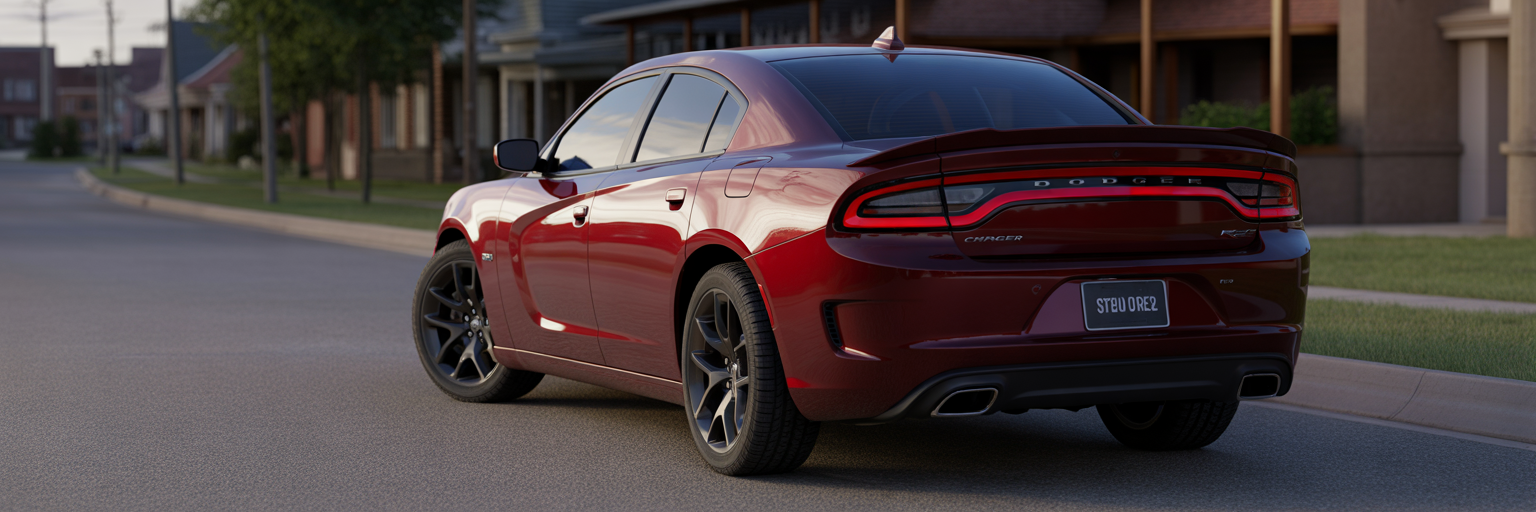
The Dodge Charger R/T stands as the definitive modern American muscle sedan. It makes no apologies for what it is: big, loud, and powered by a legendary Hemi V8. For this guide, we’re focusing on the models equipped with the venerable 5.7L engine, which offers a fantastic blend of power and accessibility.
Purchase Price and Market Value
The market for a used Dodge Charger R/T is broad, with two distinct generations to consider. The 2011-2014 models, with their more classic styling, typically trade for between $15,000 and $22,000 for clean, well-maintained examples. The 2015-and-newer facelifted models, featuring more aggressive front-end styling and an updated interior, command higher prices, generally ranging from $23,000 to over $35,000 depending on mileage and options.
Performance and Driving Character
The 5.7L Hemi V8 produces a healthy 370 horsepower and 395 lb-ft of torque. This isn’t a high-strung, high-revving engine; its power is immediate and effortless. The Charger R/T excels as a comfortable cruiser with a potent punch for highway merging and straight-line acceleration. Its character is raw and distinctly American, a stark contrast to the clinical precision of its German rivals. It’s a car that feels powerful in a way that’s always present, even when you’re just cruising downtown.
Comfort, Practicality, and Technology
We’ve all been in cars that look great but are impossible to live with. The Charger isn’t one of them. Its large size translates into a spacious cabin that can comfortably fit four adults, and its trunk is cavernous. It’s a legitimate family vehicle. Later models feature the Uconnect infotainment system, which is widely praised for its intuitive interface, though like any complex system, it can have occasional glitches. As a large American vehicle, it shares a certain road presence with other domestic titans, including the many popular trucks that dominate US roads.
Common Problems and Reliability
While generally robust, the 5.7L Hemi has a few well-documented issues that any prospective buyer should be aware of. A pre-purchase inspection is crucial to check for these specific items:
- The “Hemi Tick”: This infamous ticking sound can be a sign of camshaft and lifter failure. It is often attributed to infrequent oil changes or using the wrong type of oil. Consistent maintenance with quality synthetic oil is your best defense.
- Water Pump Failures: The water pump is a known weak point and can fail prematurely. Look for signs of coolant leaks around the front of the engine.
- Thermostat Issues: A failing thermostat can cause overheating or prevent the engine from reaching operating temperature. It’s a relatively inexpensive fix.
- Electronic Gremlins: Like many modern cars, occasional issues with electronic modules for features like the radio or climate control can pop up.
Maintenance Costs and Ownership
Here is where the Charger R/T truly shines. Parts are affordable and widely available across the United States. Independent shops are very familiar with these cars, meaning you won’t be forced into expensive dealership service departments for routine work. This makes it one of the most budget-friendly V8 sedans to own and maintain long-term.
Who is it for? The Charger R/T is for the enthusiast who wants an unapologetic presence, a classic V8 rumble, and straightforward maintenance without the anxiety of European repair bills.
The German Autobahn Cruiser: Audi S6 (C7, 2012-2018)
The C7-generation Audi S6 is the quintessential executive sleeper. Its conservative styling allows it to blend in with corporate traffic, yet underneath the hood lies a ferocious 4.0L twin-turbo V8. It’s a car that whispers, but carries a very big stick.
Purchase Price and Performance Value
Depreciation has made the S6 a tantalizing performance bargain. Early, higher-mileage 2012-2013 models can be found starting around $20,000. Pristine, late-model 2017-2018 examples can still command upwards of $45,000. For that money, you are getting near-supercar levels of acceleration for the price of a new, moderately equipped sedan. The value proposition is immense, but it comes with a major caveat.
Engine, Drivetrain, and Acceleration
The 4.0L twin-turbo V8, known as the “4.0T,” produces between 420 and 450 horsepower depending on the model year. More importantly, it generates a massive wave of torque from just off idle, launching the car with breathtaking force. Paired with Audi’s legendary Quattro all-wheel-drive system, it can deploy this power in almost any weather condition, making it an incredibly fast and secure point-to-point machine.
Interior Luxury and Long-Distance Comfort
Inside, the S6 is pure Audi. The cabin is a showcase of high-quality materials, from real wood or carbon fiber trim to supple leather seats. The MMI infotainment system is comprehensive, and the standard air suspension soaks up highway imperfections, making it a supreme long-distance cruiser. This is a car you could comfortably drive across the country in.
Critical Reliability Concerns
This is the part of the conversation where we get serious. The impressive performance of the S6 comes with significant risks, and understanding the Audi S6 reliability profile is non-negotiable. These are not cars to be bought on a whim or a tight budget. The 4.0T engine has several major potential failure points:
- Turbocharger Oil Screen Blockage: This is the engine’s Achilles’ heel. A small, inexpensive mesh screen designed to filter oil for the turbochargers can become clogged with debris over time. This starves the turbos of oil, leading to catastrophic failure that can cost over $10,000 to repair. Many specialists recommend proactively replacing the screen or removing it entirely.
- Air Suspension Leaks: The air suspension that provides such a wonderful ride can become a liability as the car ages. Airbags can develop leaks and compressors can fail, leading to repairs that easily run into the thousands.
- PCV Valve Failure: A failed PCV (Positive Crankcase Ventilation) valve is another common issue that can cause excessive oil consumption and other related engine problems.
- S-Tronic Mechatronic Unit: The sophisticated dual-clutch transmission is brilliant when it works, but failures of its electronic control unit (the mechatronic unit) are known to happen and are extremely expensive to fix.
Ownership Costs and Maintenance
Ownership costs are high. As a recent analysis from HotCars notes, high-performance German cars often come with significant long-term expenses. Everything from a brake job to routine service is more expensive than on its American or Japanese counterparts. A pre-purchase inspection by an Audi specialist is absolutely mandatory.
Who is it for? The S6 is for the tech-savvy driver who values understated speed and luxury, and who is financially prepared for the demanding and potentially very expensive maintenance of a complex German performance car.
The Japanese Reliability Legend: Lexus IS F (2008-2014)
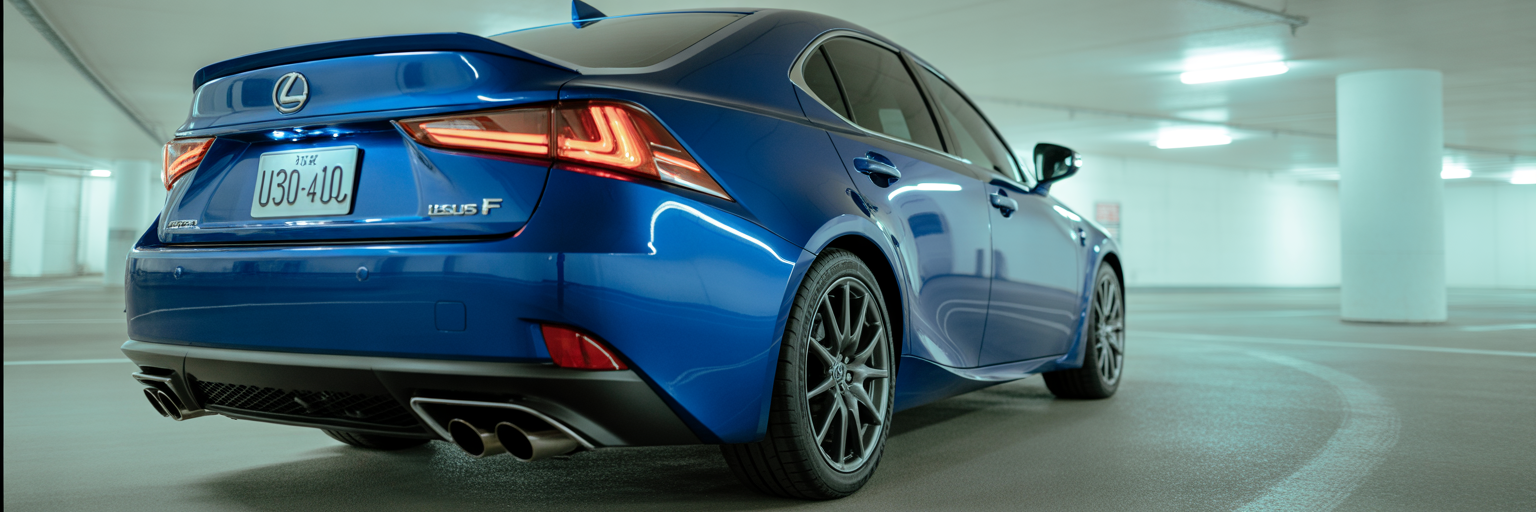
The Lexus IS F is an outlier, a fascinating blend of brute-force American muscle philosophy and meticulous Japanese engineering. It was Lexus’s first real shot at BMW’s M division, and they created a cult classic. This is your complete Lexus IS F buying guide.
Market Value and Investment Potential
Unlike its German rivals from the era, the IS F has held its value remarkably well. Its reputation for reliability and its unique character have earned it a dedicated following. Expect to pay between $25,000 for earlier examples and up to $40,000 or more for low-mileage 2012+ models with the updated suspension and Torsen limited-slip differential. This is not a depreciating asset; it’s a modern classic.
The High-Revving V8 Experience
The heart of the IS F is its Yamaha-tuned 5.0L V8, the 2UR-GSE. It produces 416 horsepower, but the magic is in how it delivers it. This is a naturally aspirated engine that loves to rev. Peak power arrives at a screaming 6,600 RPM. Below 3,600 RPM, it’s a quiet, docile Lexus. Above that, a secondary intake opens, and the engine transforms, emitting an intoxicating induction roar. The 8-speed automatic transmission, one of the first of its kind, delivers lightning-fast upshifts that still feel impressive today.
Cabin, Comfort, and Build Quality
The IS F’s cabin is a mixed bag. It’s noticeably smaller than the Charger or S6, and its infotainment technology is dated by 2026 standards. However, what it lacks in flash, it makes up for in bulletproof build quality. Everything you touch feels solid and built to last a lifetime. The seats are heavily bolstered and supportive, but be warned: the ride is firm. This car prioritizes handling and feedback over plush comfort.
Known Issues and Reliability Record
The IS F is one of the most reliable V8 sedans ever built, but it’s not perfect. Thankfully, its known issues are well-documented and manageable:
- Valley Plate Coolant Leak: A seal located in the “valley” between the cylinder heads can degrade over time, causing a slow coolant leak. It’s a labor-intensive fix because the intake manifold must be removed, but the parts are inexpensive.
- Dashboard and Door Panel Material: Early models (2008-2010) were susceptible to having the dashboard and door panel material become sticky or “melt” in high heat. Many of these were fixed under a Lexus customer support program, but it’s something to check for.
For owners who appreciate a hands-on approach, the IS F is a rewarding car to maintain. Even simple tips, like knowing how to clean headlights with toothpaste, align with the ethos of a practical, long-term owner who values upkeep.
Maintenance and Long-Term Ownership
While servicing is more expensive than a standard Lexus ES 350, it is significantly more affordable than the Audi S6. Brakes and tires are the main consumables. The engine and transmission are famously robust, making long-term ownership a far less stressful proposition. This is the car on the list least likely to surprise you with a five-figure repair bill.
Who is it for? The IS F is for the driving purist who values dependability, a unique engine character, and precision engineering above all else. It’s a choice made with the head and the heart.
The Overlooked Contender: Pontiac G8 GT (2008-2009)
Gone but not forgotten, the Pontiac G8 GT is a cult classic and a true performance bargain. Essentially a rebadged Holden Commodore from Australia, it was a short-lived gift to American enthusiasts: a proper rear-wheel-drive V8 sedan with a well-sorted chassis. This is our Pontiac G8 GT review.
Purchase Price and Unbeatable Value
The G8 GT’s primary appeal is its incredible value. With only two model years, they are relatively rare, but good examples can still be found for between $12,000 and $25,000. For that price, you are getting a level of performance and dynamic competence that is nearly impossible to match.
Performance, Handling, and Upgrade Potential
The G8 GT is powered by a 6.0L L76 V8, a close relative of the engine found in the Corvette, producing 361 horsepower. While that number is the lowest on this list, the G8’s secret weapon is its chassis. It boasts excellent balance, communicative steering, and engaging rear-wheel-drive dynamics. It’s a true driver’s car. Furthermore, the GM LS-family engine is incredibly easy to modify, with a massive aftermarket capable of extracting huge power gains reliably and affordably.
Interior Space and Practicality
Let’s be honest: the interior is the G8’s weak point. The design is dated, and the materials are a sea of hard plastics. It simply doesn’t feel special inside. However, it is incredibly functional and spacious, with ample room for passengers in the back seat and a large trunk. It prioritizes function over form.
Common Problems and Solutions
The G8 GT is built on a proven platform, but there are a few common issues to look out for. Fortunately, the solutions are well-understood and affordable.
- Front Suspension Wear: The front strut mounts and lower control arm bushings are known to wear out, leading to clunking noises over bumps. Upgraded aftermarket parts are readily available.
- Active Fuel Management (AFM): The cylinder deactivation system was designed to save fuel but can lead to lifter failure. Many owners choose to disable the AFM system with a simple plug-in device or a custom tune for peace of mind.
- Transmission Cooler Lines: The lines running to the transmission cooler can sometimes develop leaks where the rubber hose is crimped to the metal line.
The G8’s GM-sourced V8 is part of a long lineage of powertrains, and staying informed about the manufacturer’s engines is wise for any owner. For example, issues like the recent GM 6.2L engine recall provide broader context on the evolution of these powerplants.
Maintenance Costs
Like the Charger, the G8 GT benefits from using a GM powertrain. Parts are cheap, plentiful, and familiar to any mechanic in North America. This makes it an incredibly inexpensive performance car to run. A report from HotCars identifies the G8 GT as an underrated sleeper, awarding it a strong reliability score of 80/100 and praising its outstanding value.
Who is it for? The G8 GT is for the budget-conscious enthusiast who wants a true driver’s car. It’s for someone who prioritizes V8 power and a great chassis over brand prestige and interior luxury.
Comparing the V8 Contenders Head-to-Head
Choosing between these four distinct machines comes down to your priorities. Each offers a unique blend of performance, comfort, and risk. The table below distills the key characteristics of each sedan, allowing for a direct comparison to help you identify which car best aligns with your needs as a buyer.
This table summarizes the key decision-making factors for each sedan. Price ranges are approximate for the US market in 2026 and can vary based on mileage, condition, and location.
| Metric | Dodge Charger R/T | Audi S6 (C7) | Lexus IS F | Pontiac G8 GT |
|---|---|---|---|---|
| Price Range | $15,000 – $35,000 | $20,000 – $45,000+ | $25,000 – $40,000 | $12,000 – $25,000 |
| Engine | 5.7L Pushrod V8 | 4.0L Twin-Turbo V8 | 5.0L DOHC V8 | 6.0L Pushrod V8 |
| Horsepower | 370 hp | 420-450 hp | 416 hp | 361 hp |
| Drivetrain | RWD | AWD (Quattro) | RWD | RWD |
| Key Strength | Modern Muscle & Style | All-Weather Speed & Luxury | Unmatched Reliability | Raw Performance Value |
| Biggest Risk | ‘Hemi Tick’ (Lifters) | Turbo Failure, High Costs | Valley Plate Coolant Leak | AFM Lifter Issues |
| Ideal Owner | The Style-Conscious Cruiser | The Tech-Savvy Risk-Taker | The Reliability-Focused Purist | The Budget-Minded Enthusiast |
The driving experiences could not be more different. The Charger offers laid-back muscle, the Audi delivers a technological thrust of all-weather speed, the IS F demands to be revved for its high-strung precision, and the G8 provides balanced, old-school handling. When it comes to the most reliable V8 sedans, there is a clear hierarchy: the Lexus is the safest bet by a wide margin, followed by the relatively simple G8 and Charger, with the complex Audi representing the highest risk and highest reward. For those interested in more vehicle matchups, our main comparison section offers further insights.
The Final Verdict: Your Ideal V8 Sedan Awaits
After analyzing the strengths, weaknesses, and ownership realities of each contender, we can make some clear recommendations. Your ideal V8 sedan depends entirely on what you value most: peace of mind, outright speed, or maximum performance for your dollar.
Best Overall Pick: Lexus IS F
This is the car that most directly delivers on the promise of a “without regret” purchase. It combines a truly special, high-revving V8 engine with the legendary reliability that Toyota and Lexus are known for. It minimizes the risk of budget-destroying repair bills while providing a unique and thrilling driving experience. It is the thinking enthusiast’s choice.
Best Budget Pick: Pontiac G8 GT
No other sedan on this list, or arguably on the market, offers such a compelling mix of V8 power, excellent handling dynamics, and everyday practicality for such a low entry price. It is the ultimate accessible performance sedan for the enthusiast who prioritizes the drive above all else and isn’t afraid of a simple, plastic-heavy interior.
Best Sleeper Pick: Audi S6 (C7)
We must acknowledge its high-risk nature, but there is no denying the S6’s astonishing capability. It delivers supercar-like acceleration in a discreet, comfortable, and luxurious package that can be used year-round. It is the perfect choice for the owner who understands the maintenance commitment and is financially prepared to meet it. When it works, it is sublime.
Ultimately, the single most important step you can take is to get a Pre-Purchase Inspection (PPI) from a mechanic who specializes in your chosen model. This is not optional. It is the best money you will ever spend to ensure your V8 dream doesn’t become a nightmare. By choosing carefully, you can preserve a piece of automotive history and enjoy the thrill of driving these increasingly rare machines in an electric world. For more guides and articles, feel free to browse our main informative section.