
It’s a familiar scenario for many drivers. The washer fluid light comes on, and you find a half-empty jug of a different brand or type in your garage. The question immediately comes to mind: can you mix windshield washer fluids? While it might seem like a harmless top-off, the answer is more complex than a simple yes or no. In an emergency, mixing is possible, but it is strongly discouraged as a regular practice because it compromises both performance and safety.
The most immediate consequence of mixing different types of washer fluid is dilution. Imagine pouring a basic summer formula into a reservoir half-full of a specialized winter blend. The winter fluid’s primary job is to resist freezing, a property achieved with a high concentration of methanol. Adding a water-based summer fluid dilutes that methanol, raising the mixture’s freezing point and leaving your system vulnerable in cold weather. Conversely, adding a winter blend to a bug-remover formula weakens the enzymes designed to break down insect residue, making it less effective during summer highway driving.
From a chemical standpoint, a dangerous reaction is highly unlikely. Most commercial windshield washer fluids are built on a similar foundation of water, an alcohol like methanol, and a mild detergent. This shared base means they generally won’t create a hazardous compound when combined. However, the absence of a dangerous reaction doesn’t prevent negative physical outcomes.
The core issue is performance degradation. When you mix windshield washer fluid, you create a generic solution that excels at nothing. It won’t provide reliable freeze protection, clean bugs effectively, or repel rain as intended. This often leads to frustrating streaks, smearing, and reduced visibility, which directly impacts your safety on the road. This initial problem of poor performance is just the beginning, as more serious issues can arise from incompatible additives.
The Direct Answer on Mixing Windshield Washer Fluids
It’s a familiar scenario for many drivers. The washer fluid light comes on, and you find a half-empty jug of a different brand or type in your garage. The question immediately comes to mind: can you mix windshield washer fluids? While it might seem like a harmless top-off, the answer is more complex than a simple yes or no. In an emergency, mixing is possible, but it is strongly discouraged as a regular practice because it compromises both performance and safety.
The most immediate consequence of mixing different types of washer fluid is dilution. Imagine pouring a basic summer formula into a reservoir half-full of a specialized winter blend. The winter fluid’s primary job is to resist freezing, a property achieved with a high concentration of methanol. Adding a water-based summer fluid dilutes that methanol, raising the mixture’s freezing point and leaving your system vulnerable in cold weather. Conversely, adding a winter blend to a bug-remover formula weakens the enzymes designed to break down insect residue, making it less effective during summer highway driving.
From a chemical standpoint, a dangerous reaction is highly unlikely. Most commercial windshield washer fluids are built on a similar foundation of water, an alcohol like methanol, and a mild detergent. This shared base means they generally won’t create a hazardous compound when combined. However, the absence of a dangerous reaction doesn’t prevent negative physical outcomes.
The core issue is performance degradation. When you mix windshield washer fluid, you create a generic solution that excels at nothing. It won’t provide reliable freeze protection, clean bugs effectively, or repel rain as intended. This often leads to frustrating streaks, smearing, and reduced visibility, which directly impacts your safety on the road. This initial problem of poor performance is just the beginning, as more serious issues can arise from incompatible additives.
The Science Inside a Washer Fluid Jug
To understand why mixing is a bad idea, it helps to look at what goes into a single, well-formulated jug of washer fluid. These products are more than just colored water; they are carefully balanced chemical solutions designed for a specific job. The primary component is a solvent, which forms the base of the liquid. For summer blends, this is typically water. For winter windshield washer fluid, the solvent includes a high concentration of an alcohol, most commonly methanol. Methanol is critical because it significantly lowers the freezing point of water, preventing the fluid from turning to ice in the reservoir and lines during cold weather.
The next key ingredient is a group of chemicals called surfactants. Think of these as the detergents or soaps in the formula. Their job is to reduce the surface tension of the water, allowing it to spread across the glass in a thin, even sheet instead of beading up. This “wetting” action helps lift and encapsulate dirt, grime, and other debris, making it easy for the wiper blades to sweep them away cleanly without smearing.
Beyond these basics, manufacturers include a variety of specialized additives to enhance performance. Some formulas contain enzymes, which are proteins specifically engineered to break down the complex organic molecules found in insect splatter, making it much easier to clean. Others include small amounts of lubricants to help keep the washer fluid pump, seals, and lines operating smoothly and prevent them from drying out. Water-repellent fluids contain hydrophobic compounds, such as silicones, that bond to the glass and create a slick surface, causing rainwater to bead up and roll off at speed.
Finally, a crucial but often overlooked detail is the type of water used. Reputable manufacturers use distilled or deionized water. This is because tap water contains minerals like calcium and magnesium. Over time, these minerals can precipitate out of the solution and form hard scale deposits. These deposits are notorious for clogging the tiny, precise orifices of the washer spray nozzles, leading to a weak or nonexistent spray. This attention to detail is a major reason why professionally formulated fluids are superior to most DIY concoctions.
A Guide to Different Types of Washer Fluid
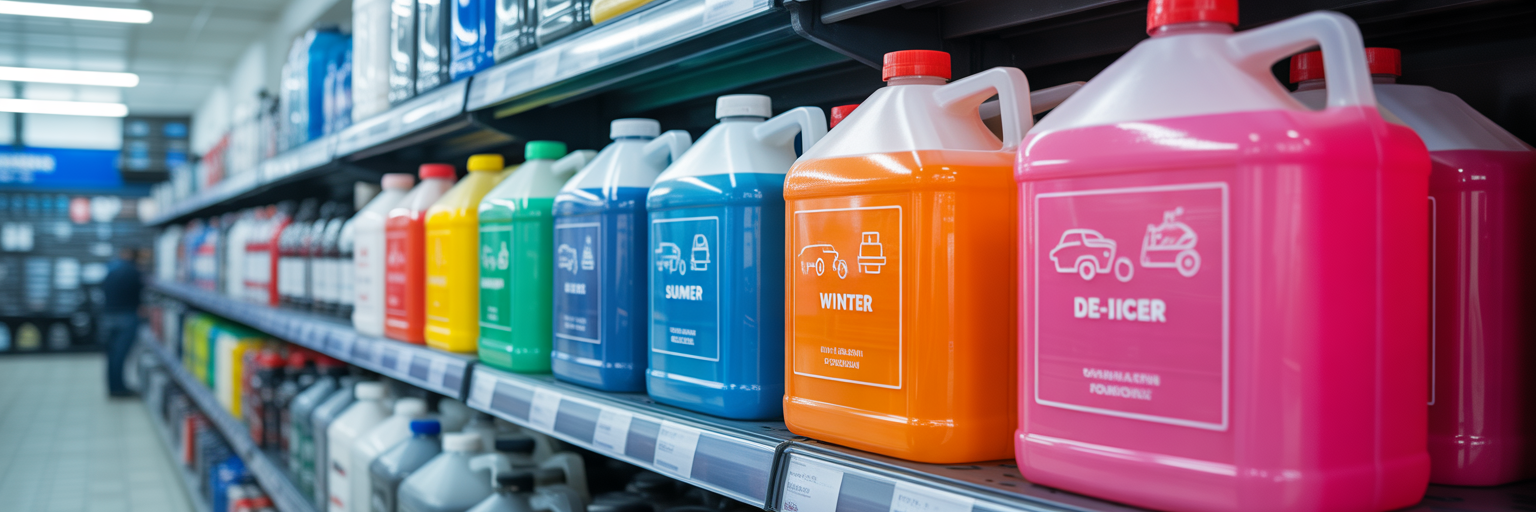
The shelf at your local auto parts store can be confusing, with a rainbow of different washer fluids. Understanding the main categories helps you choose the right product for your climate and driving habits, ensuring optimal performance and safety. Each type is formulated with a specific purpose in mind.
Standard ‘Summer’ Fluid: This is the most basic and common type, often colored a bright blue. It consists mainly of water with a simple detergent package designed to remove light road dust and grime. While inexpensive, its major drawback is its high freezing point, typically around 32°F (0°C). This makes it completely unsuitable for any region that experiences freezing temperatures.
‘Winter’ and ‘De-Icer’ Fluids: Formulated for cold climates, these fluids are usually colored pink, orange, or purple to distinguish them from summer blends. Their key ingredient is a high concentration of methanol, which provides freeze protection down to -20°F (-29°C) or even lower. ‘De-Icer’ versions contain an even higher alcohol content, enabling them to actively melt thin layers of frost and light ice upon contact, clearing your windshield faster on frigid mornings.
‘All-Season’ or ‘3-in-1’ Fluids: These products aim to be a convenient, year-round solution. They offer moderate freeze protection, often down to 0°F (-18°C), while also containing more effective detergents for bug removal than a standard summer fluid. While versatile, they are a compromise. They don’t offer the extreme cold protection of a dedicated winter fluid or the specialized cleaning power of a bug-remover formula.
Specialty Formulas (‘Bug Remover’ and ‘Water Repellent’): These fluids target specific, challenging conditions. ‘Bug Remover’ fluids, often yellow or green, are packed with powerful surfactants and enzymes that chemically break down stubborn, dried-on insect residue. ‘Water Repellent’ fluids, famously associated with brands like Rain-X, leave behind a thin, hydrophobic polymer film on the glass. This coating causes rain to bead up and roll away, dramatically improving visibility during storms, sometimes to the point where wipers are barely needed at highway speeds.
| Fluid Type | Primary Components | Typical Freeze Protection | Best Use Case | Common Color |
|---|---|---|---|---|
| Summer (Standard) | Water, Mild Detergent | 32°F (0°C) | Warm climates, light dust and dirt | Blue |
| Winter / De-Icer | Water, High Methanol Content | -20°F to -40°F (-29°C to -40°C) | Climates with harsh winters, melting frost | Pink, Orange, Purple |
| All-Season | Water, Moderate Methanol, Enhanced Detergent | 0°F to -20°F (-18°C to -29°C) | Year-round use in moderate climates | Green, Orange |
| Bug Remover | Water, Detergent, Enzymes | 32°F (0°C) | Highway driving in summer, areas with high insect populations | Yellow, Green |
| Water Repellent | Water, Detergent, Hydrophobic Polymers (e.g., Silicone) | Varies (check label) | Rainy climates, improving visibility during storms | Clear, Orange |
The Critical Risks of Improper Mixing
While topping off your washer fluid with a different type might seem harmless, the potential consequences range from annoying performance issues to expensive mechanical damage. These risks underscore why taking the time to use the correct fluid is so important.
The most immediate and dangerous risk is freezing. Consider a driver in a cold state like North Dakota who tops off their half-full reservoir of -20°F winter windshield washer fluid with a standard blue summer blend before a cold snap. This act of dilution could easily raise the mixture’s freezing point to +25°F. When temperatures plummet overnight, the fluid can freeze solid. This can crack the plastic reservoir, split the fluid lines, or, if the driver attempts to use the washers, burn out the pump motor as it struggles against a block of ice. This simple mistake can lead to a repair bill of several hundred dollars.
Another significant problem is the formation of sludge and precipitates. While most fluids share a common base, the proprietary additive packages are where incompatibilities arise. When certain detergents, polymers, or lubricants from different brands are mixed, they can react chemically. This reaction can cause the additives to fall out of solution, forming a cloudy emulsion or, in worse cases, a thick, gel-like sludge. This gunk settles at the bottom of the reservoir, gets sucked into the system, and inevitably clogs the fine mesh filter on the pump, the thin fluid lines, and the spray nozzles.
Modern vehicles introduce another layer of risk related to sensitive electronics. Many cars, particularly European brands like BMW, Audi, and Mercedes-Benz, use conductive sensors to detect the fluid level. Certain water-repellent additives with a high silicone content can coat these sensors, creating an insulating film. This prevents the sensor from detecting the fluid, resulting in a persistent ‘low fluid’ warning light on the dashboard even when the reservoir is full. Fixing this often requires draining the system and replacing the sensor. For those interested in these vehicles, it’s wise to research models known for durability, as some of the best used German cars that are actually worth owning are those that have been properly maintained with correct fluids and procedures.
Finally, even if you avoid freezing or clogging, mixing fluids almost always results in poor cleaning performance. Incompatible detergents can interfere with each other, neutralizing their effectiveness. This leads to a windshield that never seems to get clean, with heavy streaking and smearing that can severely impair driver visibility, especially at night or in the rain.
How to Properly Switch Between Fluid Types
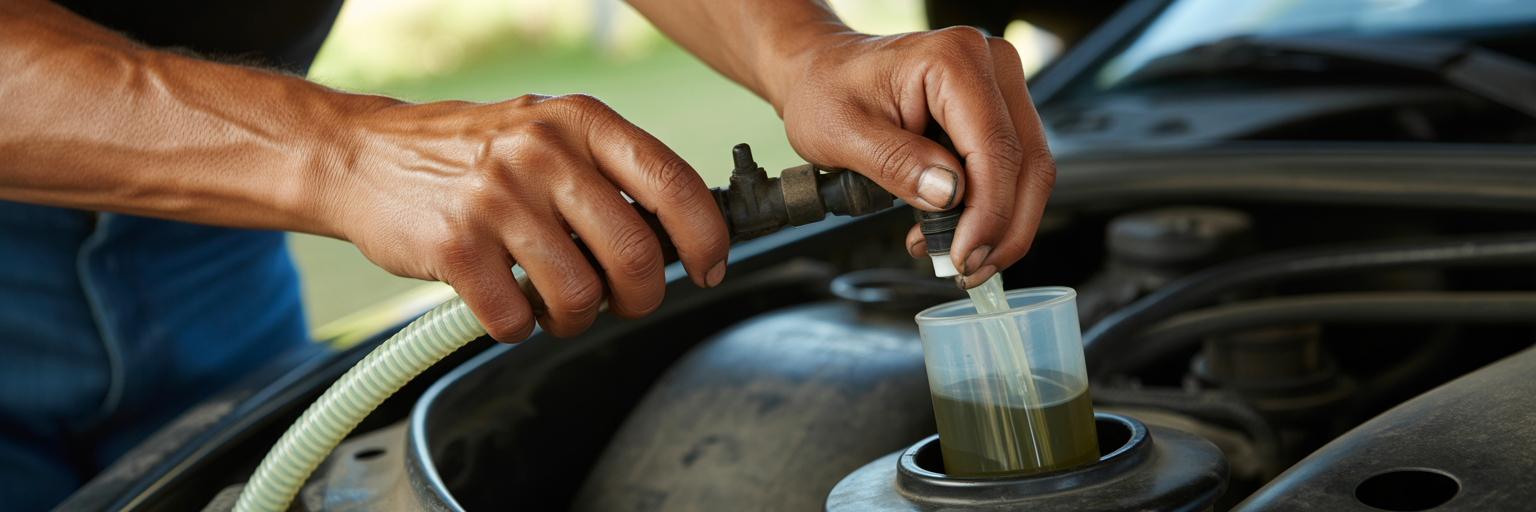
To avoid the risks of mixing and ensure you get the full benefit of the fluid you’re using, it is essential to switch types correctly, especially when transitioning between seasons. The single most important rule is to drain the old fluid from the system completely before adding the new one. This is the only way to guarantee the new fluid’s rated freeze protection and cleaning performance. Here is a practical guide on how to change washer fluid safely.
- The Simple Method: Running the System Dry. This is the easiest approach for most car owners. Simply activate your front and rear (if equipped) washers repeatedly until nothing more sprays out. Continue holding the lever for a few extra seconds to ensure the pump runs dry. While this method will leave a small amount of old fluid in the bottom of the reservoir, it is generally sufficient for most seasonal changeovers.
- The Thorough Method: Siphoning. For enthusiasts who prefer a complete flush, a simple and inexpensive hand siphon pump is the best tool. Feed the intake tube of the siphon into the washer fluid reservoir until it hits the bottom. Place the outlet tube into a clean, empty container and pump the old fluid out. Be sure to work in a well-ventilated area and avoid getting the fluid in your mouth or on your skin.
- Flushing the Lines. Once the reservoir is empty by either method, the next step is to purge the old fluid from the pump and lines. Pour about a cup of the new fluid into the reservoir. Then, run the washers for a few seconds. You may see the old color spray out, followed by the new color. This ensures that the entire system, from the pump to the nozzles, is filled with the new, unadulterated fluid.
- Refilling and Testing. With the system flushed, you can now fill the reservoir completely with your new windshield washer fluid. After filling, test the sprayers to confirm they are working correctly and that the spray pattern is hitting the proper area of the windshield.
This simple procedure is a key part of a good maintenance routine. For those interested in long-term vehicle health, learning how to keep your car’s engine running for years involves similar attention to detail and preventative care.
The Truth About DIY Windshield Washer Fluid
A quick search online reveals countless recipes for DIY windshield washer fluid, often promoted as a way to save money or avoid the chemicals in commercial products. While the appeal is understandable, homemade solutions come with significant risks that often outweigh the minimal cost savings. Before you start mixing household cleaners in your garage, it’s crucial to understand what is safe and what is absolutely harmful to your vehicle.
If you live in a temperate climate where freezing is never a concern, a very basic mixture can be made. A common recipe involves mixing one gallon of distilled water with about one cup of plain white vinegar. The vinegar provides some mild cleaning power. It is absolutely critical to use only distilled water. Using tap water will introduce minerals into your washer system, which will inevitably lead to scale deposits that clog your spray nozzles over time.
However, many other common household ingredients should never be used in your washer fluid reservoir. Here are the main culprits and why they are so damaging:
- Dish Soap: While it cleans well, dish soap is designed to create a large amount of foam. This foam can cause air locks in your washer pump, preventing it from spraying fluid. Furthermore, many dish soaps contain salts and other additives that can be harsh on your car’s paint and accelerate the degradation of rubber seals and wiper blades.
- Ammonia-based Cleaners: Glass cleaners like Windex often contain ammonia. Ammonia is highly destructive to automotive window tint, causing it to bubble and peel. It can also dry out and crack the rubber used in wiper blades and window seals and may even damage certain plastic components on your car’s exterior.
- Tap Water: As mentioned, the minerals found in tap water, primarily calcium and magnesium, will build up inside your washer system. These deposits will clog the fine orifices of the spray nozzles, resulting in a weak, uneven, or completely blocked spray.
Ultimately, the strong recommendation is to avoid DIY windshield washer fluid. Commercial fluids are inexpensive, expertly formulated for automotive use, and rigorously tested to be safe for paint, rubber, and plastic. The potential for a frozen system, a damaged pump, or clogged nozzles makes any small savings from a homemade solution a risk not worth taking.
Common Washer System Maintenance and Troubleshooting

Even with the proper fluid, your windshield washer system can sometimes run into problems. Fortunately, many common issues can be diagnosed and fixed with a little bit of troubleshooting. Knowing what to look for can save you a trip to the mechanic.
The most frequent issue is clogged nozzles. Over time, wax from car washes, road grime, or mineral deposits from using improper fluid can block the small openings. You can often clear these blockages yourself. Use a fine needle or a pin to gently probe the nozzle orifice and break up the debris. Be careful not to force the pin, as this can damage the nozzle. After loosening the debris, using a can of compressed air to blow back through the nozzle can help clear it completely.
A weak or uneven spray pattern is another common complaint. This can be caused by a partially clogged nozzle, but it might also indicate a low fluid level or a small leak somewhere in the fluid lines. On many vehicles, the aim of the nozzles is also adjustable. If the spray is hitting too low or too high on the windshield, you can typically insert a small tool or pin into the nozzle to adjust its direction.
If your system stops working entirely, a logical diagnostic process can help you pinpoint the problem. Follow these steps:
- Check the Fluid Level: It may seem obvious, but an empty reservoir is the most common reason for a non-working system.
- Listen for the Pump: Have a helper activate the washers while you listen near the reservoir. You should hear a distinct humming sound from the pump motor. If there is no sound, the issue is likely electrical, such as a blown fuse or a failed pump. If the pump hums but no fluid comes out, the problem is a clog, a major leak, or a frozen system.
If you suspect your system is frozen, the safest solution is to park the car in a warm garage for several hours to allow it to thaw naturally. Never pour hot water on a cold windshield, as the sudden temperature change can cause the glass to crack. Likewise, avoid repeatedly running the washer pump, as this can cause the motor to overheat and burn out. Understanding and addressing these small system issues is part of what explains why some high-mileage cars age better than others, as consistent, informed maintenance is key to longevity.
Special Considerations for Modern Vehicles
In the past, windshield washer fluid was primarily about driver convenience. Today, with the integration of advanced automotive technology, the choice of fluid has become a critical safety consideration. Modern vehicles rely on complex systems that require a perfectly clean windshield to function correctly.
Many new cars are equipped with Advanced Driver-Assistance Systems (ADAS), which include features like lane-keeping assist, adaptive cruise control, and automatic emergency braking. These systems depend on cameras and sensors, often mounted directly behind the windshield, to “see” the road, lane markings, and other vehicles. A dirty, streaky, or smeared windshield can obstruct the view of these sensors, potentially causing the systems to malfunction or disengage when you need them most. This elevates the need for an effective, non-streaking washer fluid from a matter of preference to a safety imperative.
Additionally, many luxury and performance vehicles feature high-pressure headlight washers, especially those with HID or LED headlights. These systems are designed to keep the headlights clean for optimal illumination, but they can also be sensitive to fluid composition and viscosity. Using a poor-quality or improper fluid could lead to clogs or reduced performance in these systems as well.
The issue of fluid level sensors, mentioned earlier, is particularly relevant for modern cars. Silicone-based water-repellent fluids are the most common cause of coated and disabled conductive level sensors. This problem has become so prevalent that some automakers explicitly warn against using these types of fluids in their owner’s manuals. For example, manufacturers like Kia have issued technical service bulletins, available through resources like the NHTSA database, that detail problems arising from incorrect fluid usage. Just as with a car’s ADAS, understanding the importance of precise system management is crucial for achieving optimal performance in any technologically advanced field.
Given these complexities, the single best piece of advice is to consult your vehicle’s owner’s manual. The manual is the ultimate authority on your car’s needs. It will specify any particular fluid requirements and warn against certain additives that could damage its sensitive systems, especially for high-performance or luxury models.
Environmental Impact and Safe Handling

While windshield washer fluid is a common automotive product, it contains chemicals that require responsible handling and disposal. Understanding the environmental and safety aspects of these fluids is part of being a conscientious car owner.
The primary ingredient for freeze protection in most winter fluids is methanol, a type of alcohol that is toxic. It is harmful if ingested and can cause serious health issues, including blindness or death. It can also be absorbed through the skin or inhaled in high concentrations. For this reason, it is absolutely crucial to store washer fluid safely out of the reach of children and pets, who may be attracted to its bright color.
Proper storage and disposal are essential. Always keep washer fluid in its original, clearly labeled container. Store it in a cool, dark place, such as a locked cabinet in a garage, to prevent degradation and accidental access. When you need to dispose of old or unwanted fluid, do not pour it down the drain or onto the ground. Methanol is a hazardous substance that can contaminate groundwater. Instead, contact your local municipal waste authority. It is often classified as household hazardous waste and must be taken to a designated collection facility.
In response to these concerns, some brands have started offering eco-friendly alternatives. These products are often methanol-free, using less toxic alcohols or plant-based solvents to provide freeze protection. While these are a better choice for the environment, you should still verify that the product’s performance, particularly its freeze protection rating, meets the needs of your climate.
When handling any type of washer fluid, following a few simple safety practices is always a good idea:
- Always wear gloves to prevent skin irritation from the detergents and alcohols.
- Consider wearing safety glasses to protect your eyes from accidental splashes, especially when siphoning.
- Work in a well-ventilated area to avoid inhaling fumes from the fluid.
- Clean up any spills immediately to prevent accidental ingestion by pets or children.
Choosing the Right Fluid for Your Car and Climate
After exploring the science, risks, and different types of washer fluid, the path to choosing the right one becomes much clearer. The decision boils down to three key factors: your local climate, your typical driving environment, and your vehicle’s technology. Making a deliberate choice instead of grabbing the cheapest jug will ensure better visibility and protect your car’s systems.
Your local climate is the most important factor. If you live anywhere that temperatures drop below freezing, using a dedicated winter or a quality all-season fluid is non-negotiable. The risk of a frozen system is too high to ignore. For drivers in consistently hot climates like Florida or Arizona, a winter blend is unnecessary. A dedicated bug-remover fluid will provide far more value by tackling the primary challenge in those regions.
Next, consider your driving environment. If your daily commute involves long stretches of highway driving during the summer, a bug-wash fluid will save you significant frustration and scrubbing. If you live in a rainy region like the Pacific Northwest, a water-repellent fluid can be a major safety enhancement, improving visibility dramatically during storms.
Finally, the central message of this guide is unambiguous: for the best windshield washer fluid performance and to avoid damage, do not mix fluids. Pick one high-quality fluid that suits your primary needs and stick with it. If you need to switch seasonally, take the extra 15 minutes to drain the system properly. This simple discipline ensures your washer system works effectively when you need it most, keeping your view clear and your driving safe. Making the right choice for your washer fluid is just one part of smart car ownership, and you can find more reviews and guides on everything from trucks to family cars at Car Phanatics.