The transition to electric mobility has been gradual, but 2025 marks a significant turning point for the SUV market. For years, buyers were forced to choose between the practicality of a traditional SUV and the benefits of an electric powertrain. Now, that compromise is becoming a thing of the past. The latest wave of electric vehicles finally delivers the space, performance, and capability that drivers expect, making the search for the best electric SUVs 2025 more compelling than ever.
The New Wave of Three-Row Electric SUVs
For years, larger families considering an electric vehicle faced a frustrating reality: very few options could accommodate more than five people without feeling cramped. That significant gap in the market is finally closing. The 2025 model year introduces a class of electric SUVs designed from the ground up with passenger space and family logistics in mind, proving that practicality and electrification can coexist.
The Hyundai Ioniq 9 stands out as a prime example of this shift. Built on the brand’s E-GMP platform, it features a completely flat floor. This design choice isn’t just a technical detail; it transforms the cabin into a spacious, open environment. The absence of a transmission tunnel means more legroom for everyone, especially for the person stuck in the middle seat. With a projected range of over 330 miles and ultra-fast charging, it addresses the core anxieties of family road trips, making it a leading contender as a new three row electric SUV.
While the Ioniq 9 focuses on practical space, its sibling, the Kia EV9, makes a statement with bold, futuristic styling and a distinctly premium interior. It answers the call for families who want utility without sacrificing design. The EV9’s sharp lines and sophisticated cabin materials position it as a tech-forward choice that feels both modern and accommodating. It proves that a family hauler can also be a head-turner.
For those whose primary concern is range anxiety, the Lucid Gravity presents a compelling solution. Lucid’s reputation for efficiency-first engineering allows the Gravity to offer a projected range of over 440 miles, a figure that directly challenges gasoline-powered counterparts. This remarkable range is achieved without compromising its three-row layout, offering families the freedom to travel long distances with confidence. Each of these models solves the need for space, but they do so with different priorities: Hyundai with versatile practicality, Kia with standout style, and Lucid with class-defining range.
Where Performance Meets Premium Electrics
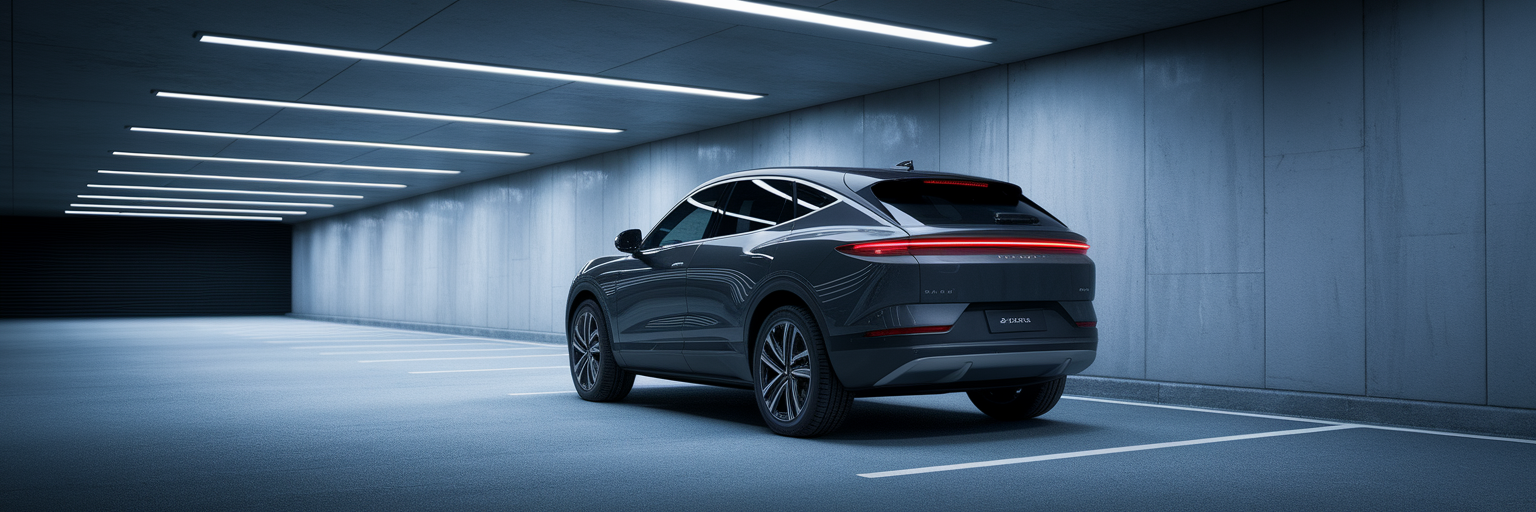
Moving away from pure practicality, another segment of 2025 electric SUVs is dedicated to the driving experience. Here, legacy performance brands are translating their signature dynamics into the electric era. These are not just family vehicles with quick acceleration; they are driver-focused machines engineered for engagement, wrapped in an SUV body. They answer the question: can an electric SUV deliver genuine thrills?
The upcoming BMW iX M70 is a definitive statement on electric performance. With an estimated 650 horsepower and a 0-60 mph time under four seconds, its performance metrics are staggering. This model is engineered to deliver the kind of raw, straight-line acceleration that defines the M badge, proving that immense power is not exclusive to combustion engines.
In the ongoing porsche macan electric vs bmw ix debate, the Porsche Macan Electric offers a different philosophy. While its acceleration is undeniably potent, Porsche’s focus remains on handling, agility, and a connected driving feel. It’s less about overwhelming power and more about precision and control through the corners. This approach ensures the Macan Electric drives like a true Porsche, prioritizing a sports car experience over sheer straight-line speed.
The Cadillac Lyriq-V and Genesis Electrified GV70 represent a blend of modern luxury with a performance edge. The Lyriq-V is expected to deliver over 500 horsepower, but its standout feature is GM’s advanced Super Cruise system, offering a glimpse into the future of hands-free highway driving. Meanwhile, the Genesis Electrified GV70 impresses with its refined design and powerful dual-motor setup. It has quickly become a strong contender in the luxury electric SUV comparison, offering a compelling mix of comfort, power, and elegance. As we noted in our detailed look at the GV70, its balanced approach makes it a formidable competitor.
| Model | Estimated Horsepower | Projected 0-60 MPH Time | Key Driving Focus |
|---|---|---|---|
| BMW iX M70 | ~650 hp | Under 4.0 seconds | Maximum straight-line acceleration and power |
| Porsche Macan Electric (Turbo) | ~603 hp | ~3.1 seconds | Agile handling and sports car dynamics |
| Genesis Electrified GV70 | 429 hp (Boost Mode: 483 hp) | ~4.2 seconds | Refined luxury and smooth power delivery |
| Cadillac Lyriq-V | ~500+ hp (est.) | Under 4.5 seconds (est.) | Advanced tech integration with performance |
This table provides a comparative overview of key performance metrics for leading luxury electric SUVs. Data is based on manufacturer estimates and published road tests, intended to highlight the different philosophies each brand brings to performance.
Maximizing Range and All-Terrain Capability
For some drivers, an SUV is a tool for freedom, built to handle long-distance journeys and venture off the beaten path. The 2025 lineup includes electric models engineered specifically for this adventurous lifestyle, pushing the boundaries of where an EV can go. These vehicles are less about track-day performance and more about real-world capability and endurance.
The Rivian R1S has firmly established itself as the definitive adventure EV. Its technical prowess is undeniable, featuring a quad-motor system that allows for precise torque control at each wheel, a critical advantage on unpredictable terrain. Combined with an adjustable air suspension that can raise the vehicle to clear obstacles, the R1S is one of the most capable off-road vehicles on the market, electric or otherwise. Its top-tier range is the final piece of the puzzle, enabling overland journeys far from the nearest charging station.
At the other end of the spectrum is the Cadillac Escalade IQ, the pinnacle of electrified American luxury and scale. Its headline-grabbing 460-mile estimated range is impressive, but it comes with a significant trade-off. The vehicle’s immense size and weight, while providing a commanding presence and cavernous interior, negatively impact its overall efficiency. This is a crucial consideration for buyers, as it means higher energy consumption per mile compared to more streamlined designs.
Revisiting the Lucid Gravity from a pure utility standpoint reveals its importance as a long range electric SUV. Its projected 440+ mile range is not just a number; it’s a benchmark that directly challenges the convenience of gasoline SUVs for long-haul trips. By minimizing the need for frequent charging stops, the Gravity makes cross-country electric travel more practical than ever before, representing a significant milestone for the entire industry.
Core Technologies Driving the 2025 EV Shift
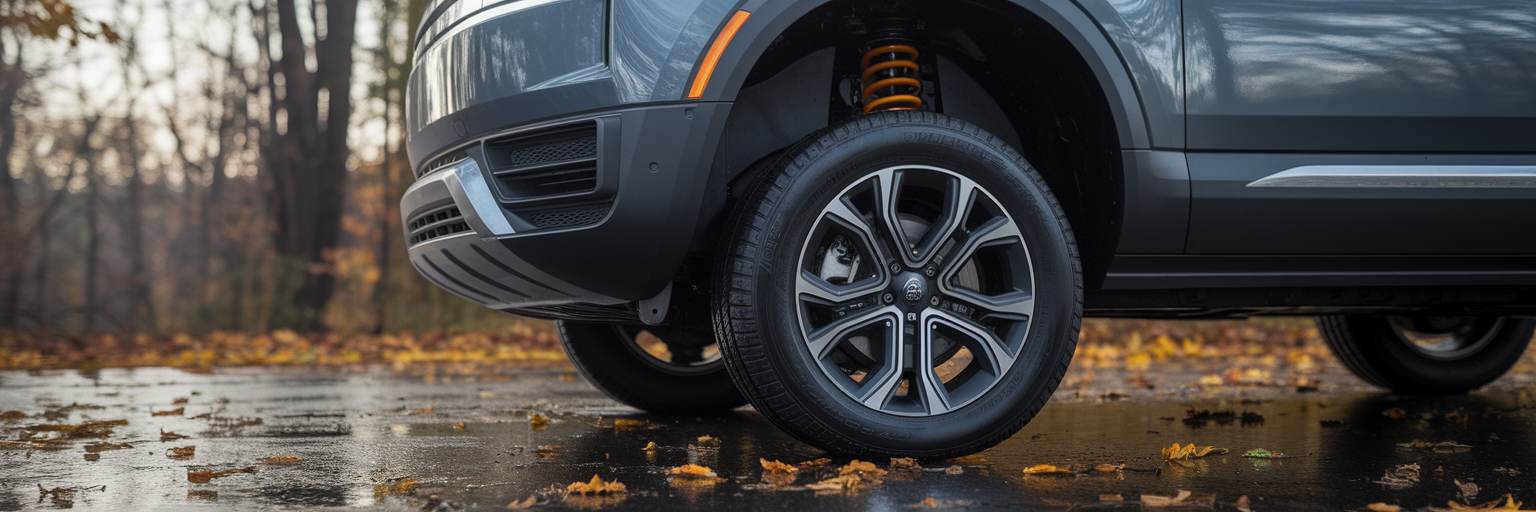
The impressive capabilities of 2025’s electric SUVs are not just a matter of bigger batteries. They are the result of key engineering advancements that are fundamentally changing what EVs can do. Understanding these core technologies helps explain how the market has evolved so quickly.
- 800-Volt Architecture: This technology, used by brands like Hyundai, Kia, and Porsche, is the key to unlocking truly fast charging electric vehicles. By allowing the battery to accept power at a much higher rate, it dramatically reduces downtime. For example, as reported by sources like InsideEVs, platforms like the one under the Hyundai Ioniq 9 can charge from 10% to 80% in approximately 24 minutes. In real-world terms, that’s enough time for a quick coffee break while adding over 200 miles of range.
- Advanced Battery Density and Efficiency: Achieving longer ranges is no longer just about installing a massive battery pack. Automakers are making huge strides in battery density, packing more energy into a smaller, lighter space. Furthermore, efficiency gains from in-house motor designs, like those from Lucid, mean the vehicle can travel farther on every kilowatt-hour. It’s an engineering philosophy focused on doing more with less.
- Next-Generation Driver Assistance: Advanced driver-assistance systems are evolving beyond simple adaptive cruise control. Systems like GM’s Super Cruise now offer true hands-free highway driving on compatible roads. This technology does more than just add convenience; it significantly reduces driver fatigue on long journeys, making road trips safer and more relaxing.
Practical Considerations for Your First Electric SUV
Switching from a gasoline car to an electric SUV involves more than just choosing a model. It’s a shift in habits and routines. For those making the transition, addressing a few practical considerations head-on will ensure a smooth and positive ownership experience.
- Install a Level 2 Home Charger: This is the single most important step for a convenient EV lifestyle. A Level 2 charger, typically installed in your garage or driveway, allows you to fully charge your SUV overnight. It transforms your daily routine, letting you wake up to a “full tank” every morning and eliminating the need for frequent trips to public chargers for daily driving.
- Learn the Public Charging Landscape: While home charging covers daily needs, you will rely on public networks for road trips. It’s important to acknowledge that network consistency can vary. Before a long drive, use route-planning apps like A Better Routeplanner to map out charging stops. Understand the difference between Level 3/DC Fast Charging, which provides a quick charge in 20-40 minutes, and Level 2 charging, which is better for longer stops.
- Understand the Total Cost of Ownership: The initial purchase price of an EV can be higher than a comparable gasoline vehicle, but the story doesn’t end there. The total cost of ownership is often lower. Electricity is significantly cheaper than gasoline, and maintenance needs are drastically reduced. With no oil changes, fewer moving parts, and less wear on brakes due to regenerative braking, you will save considerable money and time over the life of the vehicle.
Ultimately, identifying the right model from the best electric SUVs 2025 has to offer requires balancing these practical realities with the features and performance that matter most to you. Once you find that balance, you can explore more on Carphanatics to stay informed on the latest news and reviews.