You know, we’ve seen them all roll through here. From pristine, numbers matching classics that barely see the light of day to daily driven workhorses with a hundred thousand miles on the clock. The Chevrolet Corvette isn’t just another car. It’s a living piece of engineering that tells the story of American performance, and each one has its own quirks and personality. When you get under the hood, you see the evolution firsthand.
To really understand the chevrolet corvette history, you have to think in terms of generations. We have a shorthand in the shop for this, from C1 all the way to the new C8. This is our way of having the corvette generations explained, because these aren’t just simple model year updates. Each new letter signifies a fundamental shift in engineering, design, and what the car was trying to be. It’s the car that has defined Chevrolet’s performance identity for decades, a true halo for the brand.
For most of its life, the Corvette stuck to a proven formula: two seats, a big V8 up front, and power going to the rear wheels. It was simple, effective, and very American. But what makes this story so interesting is how that 67 year old formula just got thrown out the window with the current generation. We’ll get to that. For now, let’s pop the hood on each generation and look at what makes them tick. We’ll examine the powertrains, the chassis, the design features a mechanic notices, and the common headaches that keep these cars coming back to our lifts.
The C1 Era: Finding Its Footing (1953-1962)
The first Corvettes that rolled off the line in 1953 were a bit of a mixed bag. They had the looks, no doubt about it, with that revolutionary fiberglass body. But from a mechanical standpoint, they were a letdown. You’d look at this beautiful sports car and then find it was hiding a secret. It was all style and not much substance, at least not yet.
The Underwhelming Debut
Under that first hood was the “Blue Flame” inline six engine, pulled straight from Chevy’s sedans. It was paired with a two speed Powerglide automatic transmission. That’s it. No manual option. It looked like a sports car but drove like a cruiser. It was a car trying to figure out what it wanted to be, and the initial answer wasn’t “a performance machine.” The fiberglass body was a neat idea, no rust to worry about, but we see them come in with stress cracks that require a whole different kind of repair skill.
The Small-Block V8 Arrives
The real story of the C1 begins in 1955. That’s the year everything changed. Chevrolet dropped its new 4.3L small block V8 into the engine bay and finally offered a three speed manual transmission. This was the moment the Corvette found its soul. That single change transformed the car from a stylish cruiser into something with genuine performance potential. The car finally had the heart to match its looks, and the foundation for a legend was laid.
From Cruiser to Performer
From 1955 on, the C1 just kept getting better. The engine displacement grew, and by the late 50s, you could get a 5.4L V8 with mechanical fuel injection. We call them “fuelies,” and for the time, that was incredibly advanced technology. The C1 corvette specs started to look impressive, with horsepower figures climbing steadily. The chassis was still pretty basic, a simple ladder frame with a solid rear axle, but the power was there. For anyone looking at a corvette restoration guide for a C1, the first thing we tell them is to get it on a lift and check that frame. The body might not rust, but the steel underneath it sure does.
The C2 Sting Ray: A Legend is Born (1963-1967)
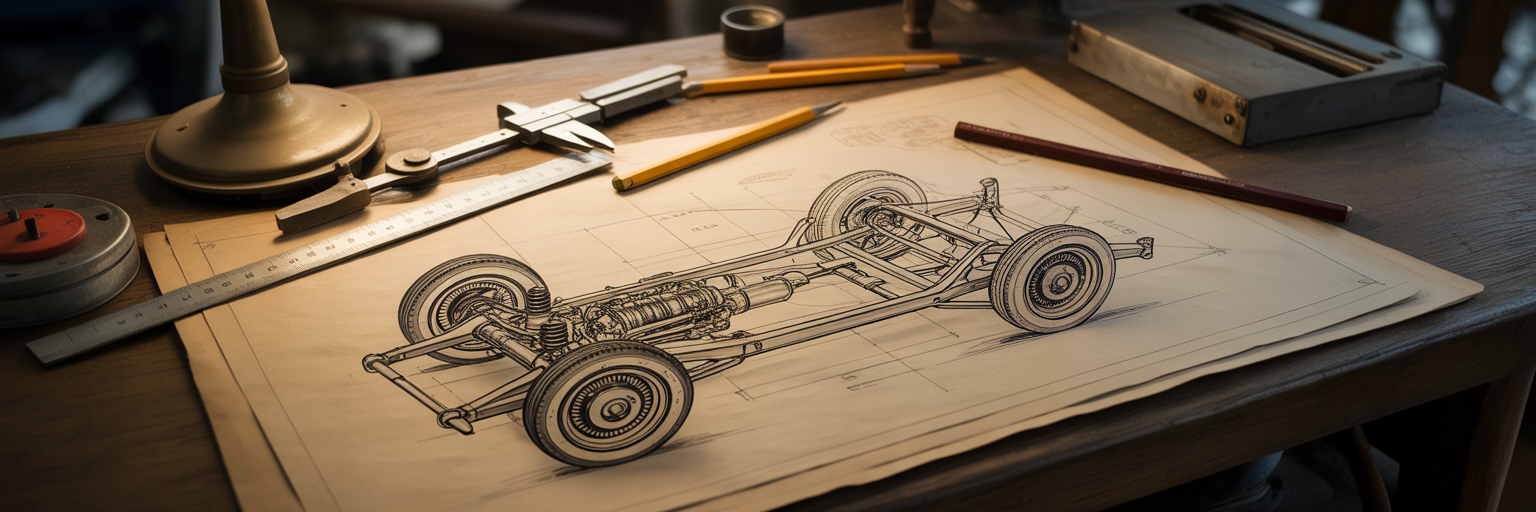
If the C1 was about finding an identity, the C2 was about perfecting it. When the 1963 Sting Ray coupe showed up with its iconic split rear window, it was a visual shock. But for us in the shop, the real revolution was underneath the car. This was the generation where the Corvette became a legitimate, world class sports car that could do more than just go fast in a straight line.
Revolutionary Engineering: The Independent Rear Suspension
The single biggest leap for the C2 was the move to an independent rear suspension, or IRS. Tossing out the old solid axle for a sophisticated multi link setup was a monumental change. Suddenly, the car could handle corners. The rear wheels could react to bumps independently, keeping the tires planted on the pavement through a turn. This piece of engineering alone elevated the Corvette from an American muscle car to a true sports car that could compete with the best from Europe. It was a brilliant design that worked so well, its basic principles were used for decades.
The Big-Block Wars
The C2 era also kicked off the horsepower wars in earnest. It started with the excellent 327 cubic inch small blocks, which were plenty potent. But then, in 1965, the big blocks arrived. First came the 396 V8, and soon after, the legendary 427. These engines were raw, powerful, and utterly dominant. The C2 offered a dizzying array of engine choices, from high revving small blocks to the monstrous 427s. According to data compiled by Corvsport, the L88 big block was conservatively rated at 430 horsepower but was known to produce well over 500. To handle that power, the C2 brought a complete performance package:
- Four-wheel disc brakes: Standard from 1965, this was a huge upgrade in stopping power that was desperately needed to rein in the big-block engines.
- The Z06 Package: This was the first time you could order a factory built, track ready Corvette. It came with a bigger fuel tank, heavy duty suspension, and upgraded brakes.
- Side-mounted exhaust: Nothing sounds quite like a C2 with side pipes. It was an aggressive look and sound that defined the car’s character.
The C2 is often seen as the high water mark for classic Corvette design. It was the perfect blend of breathtaking style and overwhelming brute force.
The C3 Shark: Style and Survival (1968-1982)
The C3 generation is a long one, and it’s a tale of two completely different eras. It started at the absolute peak of the muscle car craze and ended in a period of survival. The “Mako Shark” styling, inspired by a concept car, was dramatic and aggressive, and the introduction of T-tops gave it that open air feel everyone wanted. But under the hood, the story is far more complicated.
Peak Power Years (1968-1972)
The first few years of the C3 were glorious. It carried over the incredible engine lineup from the C2, including the powerful small blocks and the tire shredding 427 and 454 big blocks. This was the era of the mythical, all aluminum ZL1 engine, a factory option that was ridiculously expensive and brutally powerful. Horsepower was king, and the C3 wore the crown proudly. When one of these early C3s with a big block rolls in, you can just feel the potential. It’s a beast.
The Malaise Era (1973-1982)
Then, everything changed. The 1973 oil crisis hit, and new federal emissions regulations came into effect. For performance cars, it was a disaster. Engineers had to choke the engines to meet the new rules. Compression ratios were dropped, restrictive catalytic converters were added, and carburetors were tuned lean. Power didn’t just dip, it fell off a cliff. The contrast between the beginning and the middle of the C3 generation is stark.
| Year | Engine Option | Peak Horsepower (Approx.) | Key Factor |
|---|---|---|---|
| 1970 | 454 LS5 V8 | 390 hp | High Compression |
| 1971 | 454 LS5 V8 | 365 hp | Compression Drop Begins |
| 1975 | 350 L48 V8 (Base) | 165 hp | Catalytic Converter, Low Compression |
| 1980 | 305 LG4 V8 (California) | 180 hp | Emissions-Focused Engine |
Note: Horsepower figures are approximate and varied by specific options and testing methods (gross vs. net). This table illustrates the general trend of declining power due to emissions regulations and the oil crisis.
Common C3 Shop Headaches
Working on C3s means you get to know their quirks intimately. The vacuum system that operates the pop up headlights is notoriously finicky. We spend a lot of time chasing leaks through a maze of old rubber hoses. The frame is also prone to rusting, especially in the area that kicks up over the rear wheels. And trying to get decent power out of a later, emissions choked C3 engine is a challenge. Fixing those vacuum headlights or trying to tune that smog era 350 is a rite of passage for a C3 owner, and a good reminder of why having solid DIY skills is a must. Any good corvette restoration guide for this era will have chapters dedicated to these issues.
The C4: Entering the Modern Age (1984-1996)
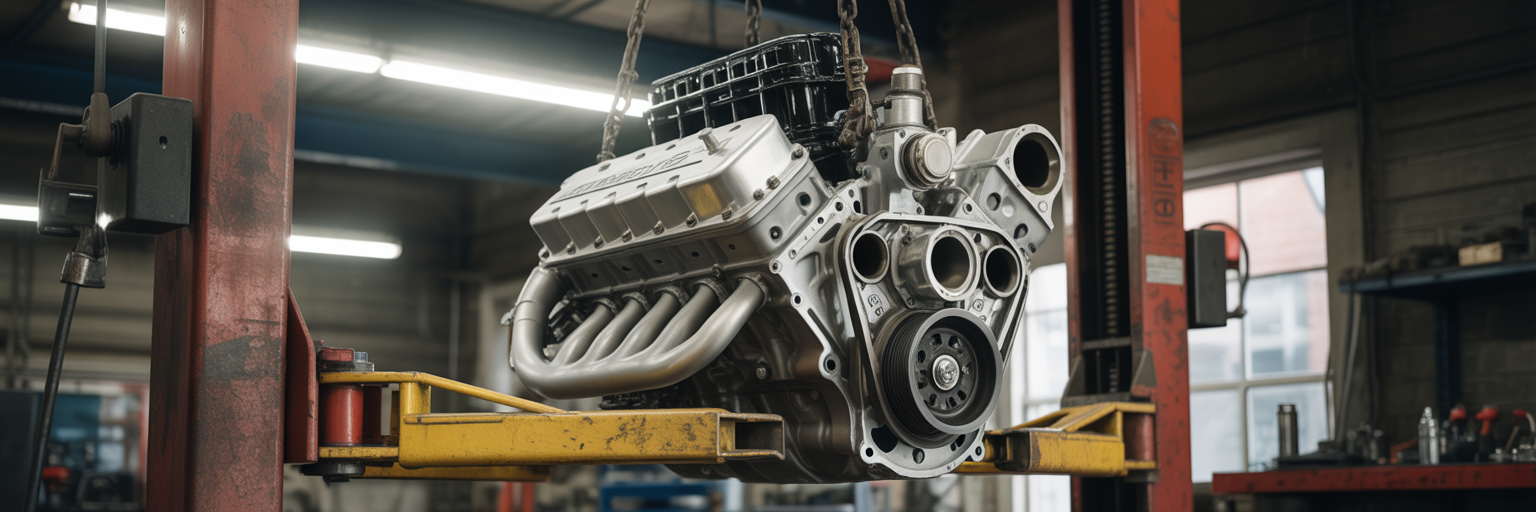
After the long run of the C3, the C4 was a complete reset. Chevrolet even skipped the 1983 model year to get it right. This car was a radical departure, with a clean, angular design and a massive clamshell hood that made engine access a dream. The focus shifted from pure, straight line muscle to a more balanced approach, prioritizing technology and handling.
A Technological Leap in Handling
The C4 was built on a new “uniframe” structure that was much stiffer than the old body on frame design. The suspension saw extensive use of forged aluminum components, and the car was fitted with wide tires from the factory. The result was a car that could generate incredible cornering grip. Car magazines at the time called it the “King of the Hill” for its handling prowess. The early “Cross Fire Injection” engine was a bit of a headache, but it was quickly replaced by the much better Tuned Port Injection (TPI) system, which delivered a ton of low end torque. Inside, the futuristic digital dashboard was pure 1980s tech, though we see a lot of them in the shop with burnt out segments.
The King of the Hill: ZR-1
The ultimate expression of C4 performance was the legendary C4 corvette zr-1. This wasn’t just a Corvette with a bigger engine. It was a completely different animal. The heart of the ZR-1 was the LT5 engine, an all aluminum, 32 valve, dual overhead cam V8 designed in partnership with Lotus. For a Corvette, this was as exotic as it gets. It was more like something you’d find in a Ferrari. This engine required specialized tools and knowledge to service, making it a unique challenge when one rolled into the bay. The C4 was the bridge that connected the classic muscle car era to the modern, tech focused sports car, setting the stage for what was to come.
The C5: Refinement and the LS Revolution (1997-2004)
The C5 is the generation that made the Corvette a truly modern sports car that you could comfortably drive every day. It was a complete package. The key was a hydroformed box frame, a manufacturing technique that created a chassis that was incredibly strong and stiff. This improved everything, from handling precision to eliminating the squeaks and rattles that plagued older Corvettes.
The LS1 Engine: A Game Changer
The biggest story of the C5 is what was under the hood: the brand new, all aluminum Gen III small block, better known as the LS1. This engine was a masterpiece. It was lightweight, compact, powerful, and astonishingly reliable. It also responded incredibly well to modifications, which is why the LS1 and its descendants became the default choice for the entire engine swap community. You find these engines in everything now, from old muscle cars to Japanese imports, and it all started with the C5 Corvette.
The Transaxle Advantage
The other brilliant engineering move was moving the transmission to the rear of the car, combining it with the differential into a single unit called a transaxle. Think of it like moving a heavy backpack from your shoulders down to your waist for better balance. This gave the C5 a near perfect 50/50 front to rear weight distribution. The result was handling that was incredibly balanced, predictable, and forgiving. The high performance Z06 model returned, featuring a more powerful version of the engine called the LS6 and a suspension tuned for the track. The C5 had it all: power, handling, and for the first time, the reliability and practicality, thanks to its surprisingly huge trunk, to be a true daily driver.
The C6: Evolutionary Powerhouse (2005-2013)
If the C5 was a revolution, the C6 was a masterful evolution. The engineers took everything that was great about the C5 and made it better, stronger, and faster. They perfected the front engine formula. The body was made more compact and athletic, and for the first time since 1962, the Corvette had exposed headlamps. This wasn’t just a style choice; it saved weight and improved aerodynamics.
More Power, More Refinement
Under the hood, the LS engine family continued to grow. The base model started with the 6.0L LS2 and later moved to the 6.2L LS3, pushing horsepower well past the 400 mark for the standard car. These weren’t radical new designs, but refined, more powerful versions of the engine we already loved. The interior quality took a significant step up, and advanced technology like Magnetic Selective Ride Control became available, allowing the driver to change the suspension’s stiffness on the fly. It was a more polished and potent machine in every way.
The Return of Legendary Names: Z06 and ZR1
The C6 generation was defined by an incredible horsepower war at the top of its model range. It brought back two legendary names, and each was more impressive than the last.
- The C6 Z06: This was a track weapon for the street. It featured a massive 7.0L V8, the LS7. At 427 cubic inches, it was a direct nod to the legendary big blocks of the C2 era, but this was a modern, high revving, naturally aspirated masterpiece making 505 horsepower. When a Z06 comes into the shop, the first thing we check are the valve guides on that LS7, as it’s a known issue.
- The C6 ZR1: Nicknamed the “Blue Devil,” this was the king. It packed a supercharged 6.2L LS9 engine that produced an incredible 638 horsepower. This was the first factory Corvette to officially break the 200 mph barrier.
While these 6.2L engines are generally stout, it’s always wise to keep an eye on official communications, like the recent GM 6.2L engine recall that affected some of their other vehicles. The C6 was the absolute peak of the front engine Corvette, offering a model for every level of performance enthusiast.
The C7 Stingray: The Pinnacle of Front-Engine Design (2014-2019)
The C7 was the grand finale for the front engine Corvette, and it went out with a bang. This car was all about using technology to push a traditional layout to its absolute physical limit. The styling was aggressive and functional; every vent and crease on the body served a purpose for aerodynamics or cooling. It looked fast just sitting still.
Technology at the Forefront
The heart of the C7 was the new Gen V 6.2L LT1 engine. It featured what Chevy called “triple tech”: direct injection, Active Fuel Management for better economy, and variable valve timing. These systems worked together to produce 460 horsepower while still being surprisingly efficient. But the real story was how the electronics and mechanics were integrated. The car featured an electronic limited slip differential (eLSD), a multi mode Performance Traction Management (PTM) system, and even a Performance Data Recorder (PDR) that could record video and telemetry from your track laps. The C7 was a car where the computers worked with the hardware to make the driver faster and more confident.
The Limits of the Front-Engine Layout
The high performance models, the 650 horsepower Z06 and the ultimate 755 horsepower ZR1, were monsters. These cars were so powerful that they were testing the very laws of physics for a front engine, rear wheel drive car. They required massive tires and extreme aerodynamic packages just to put all that power to the ground. The C7 was a masterpiece and a fitting tribute to the entire chevrolet corvette history of the front engine layout. But it also made a clear argument for why a change was needed. The engineers had squeezed every last drop of performance out of that platform.
The C8 and Beyond: The Mid-Engine Revolution (2020-Present)
This is the big one. The C8 is the single biggest shift in the Corvette’s long history. For over 60 years, Corvette engineers had dreamed of building a mid engine car, and now it’s finally here. This wasn’t a decision made lightly; it was a necessary move to keep chasing performance.
The Mid-Engine Advantage
So why make the change? It all comes down to physics. By moving the engine behind the driver, you put more weight over the rear wheels. This gives you superior traction for launching off the line and better braking stability. With less weight over the front, the car turns in more sharply. The base Stingray uses an updated 6.2L LT2 V8, and for the first time, there is no manual transmission option. The mandatory eight speed dual clutch transmission (DCT) was chosen for its lightning fast shifts and its ability to handle the power, a necessary evolution.
A New Kind of V8: The Flat-Plane Crank
The most exciting part of the new platform is the Z06 and its incredible C8 corvette engine. This is not your traditional American V8. It’s a 5.5L, naturally aspirated engine called the LT6, and it uses a flat plane crankshaft. In simple terms, this design allows the engine to be lighter and rev much, much faster. The Z06 screams to an 8,600 RPM redline and produces a sound that’s more like a Ferrari than a Corvette. As detailed in a guide by HotCars, this design allows the engine to rev higher and faster than a traditional cross plane V8, producing its signature exotic sound and horsepower peak at high RPMs. It’s a true engineering marvel.
The Hybrid Future: E-Ray
The latest addition to the lineup is the E-Ray, the first ever all wheel drive and hybrid Corvette. An electric motor drives the front wheels, working in tandem with the V8 powering the rear. Its main purpose isn’t just fuel economy; it’s about performance. It provides incredible all weather capability and blistering acceleration, using the electric motor to fill in torque gaps and even enabling a short range “stealth mode” on electric power alone. The C8 broke from tradition to compete directly with European supercars. To keep up with what’s next for the C8 platform, from the rumored Zora to other special editions, checking the latest automotive news is your best bet.