Starting Your Sports Car Journey
There is a unique feeling that comes with gripping the wheel of a sports car for the first time, seeing an open road stretch out before you. It is more than just a purchase; it is a milestone for any driving enthusiast. For those ready to take that step, 2025 presents a promising opportunity. According to analysis from sources like Curis Financial, improved vehicle inventories and potentially stable financing rates are creating more choices for buyers.
But what makes a car suitable for a first-time sports car owner? This is not about being a novice driver, but rather about being new to the specific demands of a performance vehicle. The ideal first sports car combines manageable power with engaging handling. It should be reliable enough not to spend every weekend in the garage and have reasonable ownership costs that do not turn your dream into a financial burden.
This article provides a clear path for navigating the market, offering guidance on how to buy a sports car that fits your budget, skill level, and desires. This journey is part of a larger passion for all things automotive, a world of enthusiasm you can explore further on our homepage.
Key Factors for Your First Sports Car Purchase

The excitement of a test drive can easily overshadow the practical realities of ownership. Before you even think about specific models, it is essential to prepare for the financial and logistical commitments. Overlooking these details is the quickest route to buyer’s remorse.
- Establish a Realistic All-In Budget
The sticker price is just the beginning of the story. Your total budget must account for the full cost of ownership. This includes sales tax, registration fees, fuel, and crucially, insurance. We strongly recommend setting aside a separate fund specifically for maintenance and unexpected repairs, as performance parts are rarely cheap. - The Critical Role of Insurance Costs
Many first-time buyers are shocked by sports car insurance costs. Premiums are significantly higher for several reasons: the cars themselves are more expensive to repair, they have a higher theft risk, and their power output is a key factor in risk assessment. Always get insurance quotes for the specific models you are considering before you fall in love on a test drive. - Reliability and Maintenance Demands
A sports car is not a typical commuter vehicle. Its components, from high-performance tires to specialized brake pads, are designed for performance, not longevity. They wear out faster and cost more to replace. You must be prepared for more frequent and expensive servicing. Ignoring a strange noise is not an option, as it could be a sign of a serious issue. For instance, understanding why your car is squeaking when you drive can help you address problems before they escalate. - Balancing Daily Drivability with Weekend Fun
Be honest with yourself about how you plan to use the car. Will it be your daily driver or a weekend toy? A track-focused machine with a stiff suspension and minimal cargo space might seem thrilling at first, but it can become tiresome on a daily commute. Consider the trade-offs between raw performance and everyday comfort.
| Cost Category | Typical Family Sedan (e.g., Honda Accord) | Entry-Level Sports Car (e.g., Mazda MX-5) | Key Consideration for Sports Car Owners |
|---|---|---|---|
| Insurance (Annual) | $1,500 – $2,200 | $2,500 – $4,000+ | Premiums are significantly higher due to performance and risk profile. |
| Fuel (Annual, 15,000 km) | $1,800 – $2,500 | $2,400 – $3,200 | Premium fuel is often required, increasing costs. |
| Tires (Per Set) | $600 – $900 | $1,000 – $1,800 | Softer compound tires wear faster and cost more. |
| Scheduled Maintenance (Annual) | $400 – $700 | $700 – $1,200 | Specialist labor and performance fluids increase service costs. |
Note: Figures are estimates for a driver with a clean record in a major metropolitan area. Costs can vary significantly based on location, driving habits, and specific model. The purpose is to illustrate the proportional increase in ownership expenses.
Top Entry-Level Sports Cars for Pure Driving Fun
With your budget and expectations grounded in reality, it is time to explore the exciting part: the cars themselves. The following models are excellent examples of affordable sports cars for beginners, each offering a unique blend of performance, reliability, and pure driving enjoyment.
The Mazda MX-5 Miata: The Benchmark for Purity
For decades, the MX-5 Miata has been the answer for anyone seeking an unfiltered connection to the road. Its magic lies in the “slow car fast” philosophy. You can explore its limits without reaching dangerous speeds. The lightweight, rear-wheel-drive chassis communicates every detail of the road surface through the steering wheel and seat. It is the perfect car for learning the fundamentals of vehicle dynamics. Its renowned reliability and low running costs make it an incredibly sensible choice for a first-time owner.
The Toyota GR Supra (2.0): Modern Tech with Classic Roots
If the Miata is a minimalist tool, the four-cylinder Toyota GR Supra 2.0 is its stylish, modern counterpart. It offers much of the visual drama and excitement of its more powerful six-cylinder sibling but with a lower entry price, better fuel economy, and more manageable insurance premiums. The turbocharged engine provides a different kind of thrill, with a strong surge of power that feels distinctly contemporary. When considering the Mazda MX-5 vs Toyota GR Supra, the choice is between the Miata’s raw, analogue simplicity and the Supra’s refined, tech-forward performance.
The Nissan Z: Retro Style and V6 Power
For those who want a bit more muscle from the start, the Nissan Z is a compelling option. Its twin-turbo V6 engine delivers a significant step up in power, satisfying the craving for straight-line speed. Yet, despite its impressive output, the Z remains an accessible car. Its chassis is well-balanced, and modern driver aids provide a safety net for those still honing their skills. The retro-inspired design pays homage to a classic lineage, offering a strong sense of heritage along with its modern performance.
Performance-Focused Choices for Ambitious Beginners
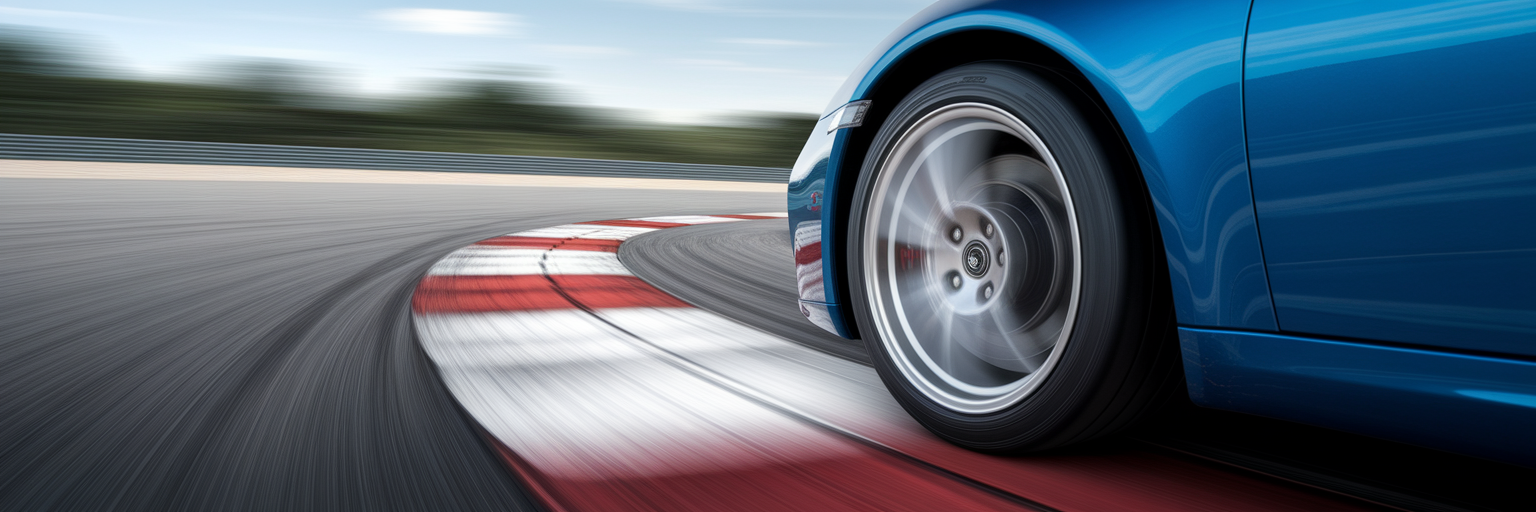
The cars in this category are for a different kind of first-time buyer: one with a larger budget and perhaps some experience with performance driving. These vehicles demand more skill, respect, and financial commitment, but they reward their owners with a higher level of performance. They represent the best first sports car 2025 for a very specific, ambitious driver.
The American Muscle Approach: Ford Mustang GT & Chevrolet Camaro SS
There is nothing quite like the sound and feel of a V8 engine. The Ford Mustang GT and Chevrolet Camaro SS offer the most accessible entry into the world of high-horsepower driving. These are not the clumsy muscle cars of the past; modern versions feature surprisingly capable chassis that can handle corners with confidence. They deliver a visceral, emotional driving experience that is hard to match. For those drawn to this iconic segment of automotive history, we have more information on our page dedicated to muscle cars. The Ford Mustang in particular continues to be a popular gateway to V8 performance.
The German Precision Option: BMW M2
If the American cars are about raw power, the BMW M2 is about precision and refinement. It represents a more clinical, track-oriented approach to performance. The handling is sharp, the feedback is immediate, and the build quality is a clear step up. This German precision comes at a cost, with a higher purchase price and more expensive maintenance. The M2 is for the driver who values a scalpel-like tool over a sledgehammer and is willing to pay for that level of engineering.
It is crucial to acknowledge the gray area of buying “too much car.” Mastering a less powerful vehicle is often a more rewarding and safer journey than being intimidated by an overly aggressive one.
Aspirational Cars to Consider with Caution
This section is a necessary reality check. The following cars are phenomenal machines, but they are not suitable for the average first-time sports car buyer. They are for the aspirational owner with a substantial budget, a serious commitment to driver education, and a clear understanding of the risks involved.
The Chevrolet Corvette C8 is a mid-engine marvel, offering performance that rivals supercars at a fraction of the price. However, that performance can be deeply intimidating. Its immense power and mid-engine layout make it less forgiving at the limit, and a small mistake can have big consequences. Furthermore, the ownership costs, particularly for its wide, high-performance tires, are on par with exotic brands.
Similarly, a specialized model like the BMW M4 CS is a track weapon designed for the road. It sacrifices daily comfort, with a stiff suspension and reduced sound deadening, all in the pursuit of faster lap times. Its unforgiving nature and extremely high running costs make it a car to grow into, not start with. Purchasing a car like this without the requisite skill is a recipe for a costly and potentially dangerous experience.
Beyond the Purchase: What to Expect from Ownership
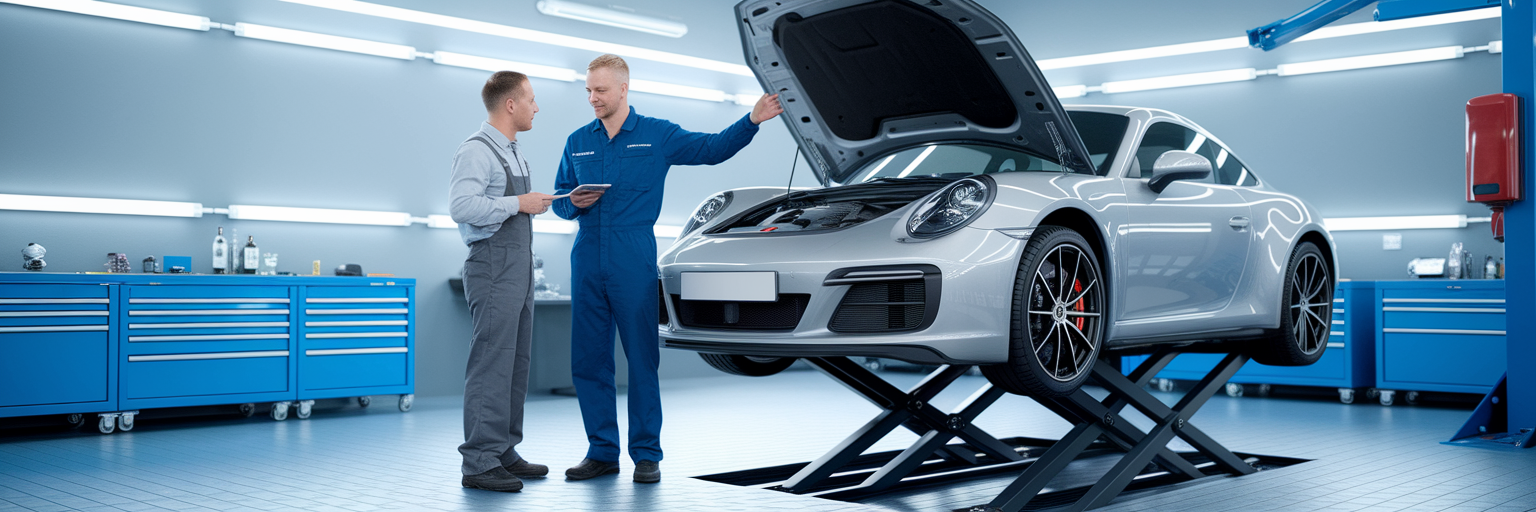
Your journey does not end when you drive off the lot. In fact, it is just beginning. Owning a sports car is an active experience that requires engagement and responsibility. Preparing for the long-term realities will make your ownership far more enjoyable.
- Invest in Performance Driving Education
The single best investment you can make after buying a sports car is in yourself. High-Performance Driving Education (HPDE) or autocross events are the safest and most effective ways to explore your car’s limits and build real skill. You will learn more in one day on a track than in years of street driving. - Find Your Community
Join model-specific owner’s clubs or online forums. These communities are invaluable resources for troubleshooting advice, finding trusted specialist mechanics, and sharing your passion with like-minded individuals. The camaraderie is one of the most rewarding aspects of ownership. - The Reality of Maintenance
We cannot stress this enough: performance car maintenance is non-negotiable. Skipping an oil change or ignoring a warning light can lead to catastrophic and expensive engine failures. Diligent upkeep is the key to reliability and helps you avoid frustrating situations, like figuring out why your car will not start on the morning of a planned drive.
Your Pre-Purchase Final Checklist
As you get closer to making a decision, use this simple checklist to stay grounded and make a smart purchase. These steps are not suggestions; they are essential rules for buying any performance car.
- Test Drive Extensively
On-paper specifications do not tell the whole story. Drive multiple models back-to-back if possible. Pay attention to how the car feels, its visibility, and its comfort. A car that looks perfect online might not feel right from behind the wheel. - Secure Financing and Insurance Quotes First
Walk into the dealership with your financing pre-approved and your insurance quotes in hand. This removes the emotional pressure of making budget-breaking decisions on the spot and gives you a firm price ceiling. - Always Get a Pre-Purchase Inspection (PPI)
This is the most important step. Have an independent mechanic who specializes in performance cars inspect any vehicle you are serious about buying. A PPI can uncover hidden accident damage, pending mechanical issues, or deferred maintenance, giving you powerful negotiation leverage or saving you from a complete disaster.