Why Compact SUVs Dominate American Roads
The shift in the U.S. auto market from sedans to SUVs is no longer a trend; it’s the new standard. For millions of Americans, compact SUVs have become the default family car, offering a compelling blend of car-like handling, generous cargo space, and surprisingly good fuel economy. They fit neatly into tight city parking spots yet have enough room for a weekend’s worth of gear.
For 2025, several key developments are shaping this popular segment. The most significant is the mainstream adoption of hybrid powertrains. What was once a niche option is now a primary choice for buyers seeking efficiency without compromising performance. At the same time, Advanced Driver-Assistance Systems (ADAS) are becoming standard across most trim levels, making cutting-edge safety features more accessible than ever. Inside, manufacturers are focusing on a sophisticated user experience with large touchscreens and seamless smartphone integration.
This comprehensive 2025 SUV buying guide evaluates the top contenders based on a holistic review of on-road performance, everyday comfort, integrated technology, safety ratings, and overall value. We’ve analyzed the market to identify the models that truly deliver on their promises, helping you find the right fit for your needs.
1. Honda CR-V: The Refined All-Rounder
The Honda CR-V has long been a benchmark in the compact SUV class, and the 2025 model continues that legacy with a focus on refinement and reliability. Its core strength is its exceptional balance. The ride is smooth and quiet, absorbing road imperfections with a composure that makes daily commutes and long family road trips feel effortless. This comfort, however, doesn’t come at the expense of practicality, a principle Honda established decades ago, as seen in our piece on the first-generation Honda Accord.
Performance is delivered through two capable powertrains. While the standard gasoline engine is perfectly adequate, the popular hybrid option is the star. It offers brisk acceleration and impressive fuel economy, estimated around 40 MPG combined, making it a smart choice for managing fluctuating gas prices. Inside, the cabin feels premium and thoughtfully designed. The layout is user-friendly, with physical knobs for essential controls, and the spacious interior provides ample legroom and a generous cargo area that easily accommodates strollers, groceries, and sports equipment.
Where the CR-V truly stands out is safety. The comprehensive Honda Sensing® suite is standard on all trims, making it one of the safest compact SUVs available. This integrated system includes:
- Collision Mitigation Braking System™ (CMBS™)
- Road Departure Mitigation System (RDM)
- Adaptive Cruise Control (ACC) with Low-Speed Follow
- Lane Keeping Assist System (LKAS)
This commitment to standard safety provides peace of mind without forcing buyers into more expensive trim levels.
2. Toyota RAV4: The Dependable Adventurer
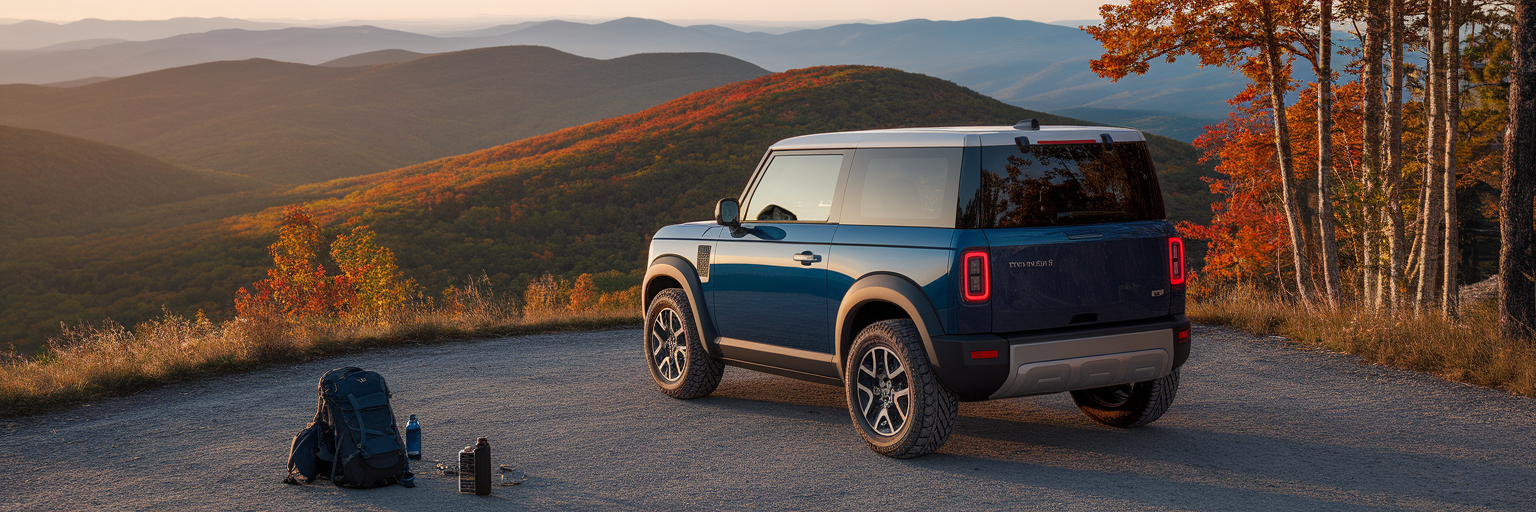
The Toyota RAV4 has built its reputation on legendary reliability, and the latest models add a layer of ruggedness to that dependable formula. It’s the go-to choice for buyers who need a trustworthy daily driver that’s also prepared for weekend adventures. Its more aggressive styling and squared-off wheel arches give it a distinct, adventurous look that contrasts with the CR-V’s sleeker, more urban aesthetic.
Performance and efficiency are where the RAV4 shines, particularly its hybrid variant. As one of the most fuel efficient hybrid SUVs, the RAV4 Hybrid is a standout, with U.S. News reporting a combined fuel economy of around 40 MPG. For those whose adventures take them off the pavement, trims like the TRD Off-Road come equipped with all-terrain tires and a specially tuned suspension, giving it genuine capability on dirt trails and gravel roads.
The interior prioritizes function and durability over luxury. The controls are intuitive, the materials are built to withstand an active lifestyle, and there are plenty of storage cubbies for small items. While it may not feel as plush as some rivals, its practicality is undeniable. The RAV4’s powerful value proposition is its combination of class-leading fuel economy, unmatched reliability, and consistently strong resale value, making it a financially sound long-term investment.
3. Kia Sportage: The Style and Tech Leader
For buyers who want their vehicle to make a statement, the Kia Sportage emerges as the segment’s design and technology champion. Its bold, futuristic exterior, characterized by its distinctive “Tiger Nose” grille and boomerang-shaped daytime running lights, sets it apart in a sea of look-alike SUVs. This forward-thinking design extends to the interior, where the Sportage offers a near-luxury experience without the premium price tag.
The centerpiece of the cabin is the available panoramic curved display, which seamlessly integrates a digital instrument cluster and a large central touchscreen. This high-tech, driver-focused cockpit is a feature typically reserved for much more expensive vehicles and solidifies the Sportage’s position as a tech leader. Its value is further enhanced by a competitive starting price and an extensive list of standard features that others charge extra for.
Kia offers a diverse powertrain lineup to suit different American driving habits. The efficient hybrid is ideal for those with long commutes, while the plug-in hybrid (PHEV) allows for primarily electric driving on shorter trips. Despite its sleek, coupe-like roofline, the Sportage’s clever packaging provides surprisingly spacious rear seats and ample cargo room, proving that bold style doesn’t have to come with practical compromises.
4. Nissan Rogue: The Premium Safety Cocoon

The Nissan Rogue carves out its niche by prioritizing premium comfort and advanced safety technology. Step inside, and you are greeted by a cabin that feels quiet, well-appointed, and almost luxurious. High-quality materials and soft-touch surfaces create a serene environment that isolates you from the noise of the outside world, making it a protective cocoon for daily commutes and long journeys.
A key differentiator for the Rogue is Nissan’s ProPILOT Assist. This isn’t just another driver-aid system; it actively assists with steering, acceleration, and braking in highway traffic. The real-world benefit is a significant reduction in driver fatigue, turning stressful stop-and-go traffic into a more manageable experience. This hands-on assistance makes the Rogue one of the most relaxing vehicles to drive on long trips. Advanced vehicle technology is a core part of modern ownership, and understanding it helps avoid common issues like why a car might not start.
Powered by an efficient turbocharged engine, the Rogue delivers a smooth and comfortable ride. It also excels in family-friendly practicality, with features like the “Divide-N-Hide” configurable cargo system and rear doors that open nearly 90 degrees for easier child-seat installation. While its price may be slightly higher than some competitors, the Rogue justifies it with its premium interior and superior driver-assistance tech.
5. Subaru Forester: The Pragmatic All-Weather Choice
The Subaru Forester stands out as the most practical and utilitarian option on this list, built around a core promise of all-weather, all-road confidence. Its most significant value proposition is that Symmetrical All-Wheel Drive comes standard on every single trim. For buyers in the Snow Belt or anyone with outdoor hobbies, this feature alone makes the Forester a compelling choice, as competitors often charge a premium for AWD.
The Forester’s design prioritizes function over form. Its upright, boxy shape and large windows result in best-in-class visibility and an airy, open cabin feel. This functional-first approach makes it incredibly easy to park and maneuver in tight spaces, a subtle but significant advantage in daily driving. It’s a direct contrast to the swooping, style-oriented rooflines of some rivals that can compromise rear visibility and headroom.
Performance is steady and dependable, with an engine tuned for reliable and efficient transportation rather than sporty thrills. The Forester’s value is clear: a competitive price, standard AWD, excellent safety scores from its standard EyeSight® Driver Assist Technology, and a strong reputation for durability. For those who value practicality and need a vehicle ready for any condition, it’s a smart, pragmatic choice. Its rugged appeal might even lead you to explore our category page for trucks and other capable vehicles.
Comparing Key Features to Find Your Match

Choosing from the best compact SUVs 2025 has to offer comes down to your personal priorities. This direct comparison can help you decide which model aligns best with your needs. These conclusions are echoed by experts, with Edmunds consistently ranking these models at the top of the small SUV class for their blend of features and performance.
Fuel Efficiency: Hybrids vs. Gasoline
If maximum MPG is your goal, the Toyota RAV4 and Honda CR-V hybrids are top contenders, both offering around 40 MPG combined. The Kia Sportage Hybrid is also highly competitive. For those who prefer a gasoline-only engine, the Nissan Rogue’s turbocharged powertrain delivers excellent efficiency without the added cost of a hybrid system.
Capability: All-Weather vs. Off-Road
For guaranteed all-weather confidence, the Subaru Forester is the clear winner with its standard Symmetrical All-Wheel Drive. However, if your adventures involve more than just snowy roads, the Toyota RAV4 in its TRD Off-Road trim offers specialized hardware for better performance on unpaved trails.
Technology: Which Driver-Assist Suite is Best?
The systems differ in philosophy. Nissan’s ProPILOT Assist is designed for hands-on assistance, actively helping with steering to reduce driver fatigue on highways. In contrast, systems like Honda Sensing and Subaru EyeSight are more focused on safety alerts and interventions, acting as a vigilant co-pilot.
Overall Value: Upfront Features vs. Long-Term Costs
The classic Honda CR-V vs Toyota RAV4 debate often centers on long-term ownership, where both excel due to reliability and strong resale value. The Kia Sportage, however, presents a different kind of value with its high feature-per-dollar ratio and industry-leading warranty, offering a near-luxury experience for less. After reviewing this guide, explore more automotive news and reviews to stay informed.
| Model | Key Strength | Best For | Combined MPG (Est.) |
|---|---|---|---|
| Honda CR-V | Refinement & Space | Families seeking comfort and balance | 29 (Gas) / 40 (Hybrid) |
| Toyota RAV4 | Reliability & Efficiency | Value-conscious adventurers | 30 (Gas) / 40 (Hybrid) |
| Kia Sportage | Style & Technology | Tech-savvy buyers wanting value | 28 (Gas) / 43 (Hybrid) |
| Nissan Rogue | Premium Comfort & Safety | Commuters prioritizing a quiet ride | 33 (Gas) |
| Subaru Forester | Standard AWD & Practicality | Drivers needing all-weather confidence | 29 (Gas) |
Note: MPG figures are EPA estimates for popular trims and may vary. Hybrid MPG is often higher for city driving. This table summarizes the core identity of each of the best compact SUVs 2025 offers to help guide your choice.