Defining Your Primary Truck Needs
The modern pickup truck has shed its skin as a purely utilitarian tool. Once confined to farms and construction sites, it now serves as a family hauler, a mobile office, and an adventure vehicle. This evolution makes a thoughtful self-assessment the most important first step in your buying process. An honest look at your real needs prevents the costly mistake of buying too much, or not enough, truck.
Before you even glance at a single model, you need to identify which role the truck will primarily play in your life. Most buyers fall into one of three main categories. See which one sounds most like you.
- The Daily Driver: Your truck will be your main mode of transport, handling commutes, school runs, and grocery trips. For you, a comfortable ride, good maneuverability for navigating parking lots, and reasonable fuel economy are top priorities. This is the core of finding the best truck for daily driving.
- The Weekend Warrior: You work a standard week, but your weekends are for escaping. You need a truck with the towing capacity for a boat or camper, enough bed space for bikes and camping gear, and perhaps some off-road capability to reach a remote trailhead.
- The Professional Workhorse: Your livelihood depends on your truck. You need maximum payload for materials, heavy-duty towing for equipment trailers, and rugged durability that can withstand the daily grind of a job site without complaint.
Thinking about your life today is smart, but thinking about your life in five years is wiser. Will your family grow, requiring more seats? Are you considering a new hobby like fishing that might mean towing a boat? Answering these questions now is fundamental to how to choose a pickup truck that serves you well for years to come, not just on the day you drive it home.
Matching Truck Size to Your Environment
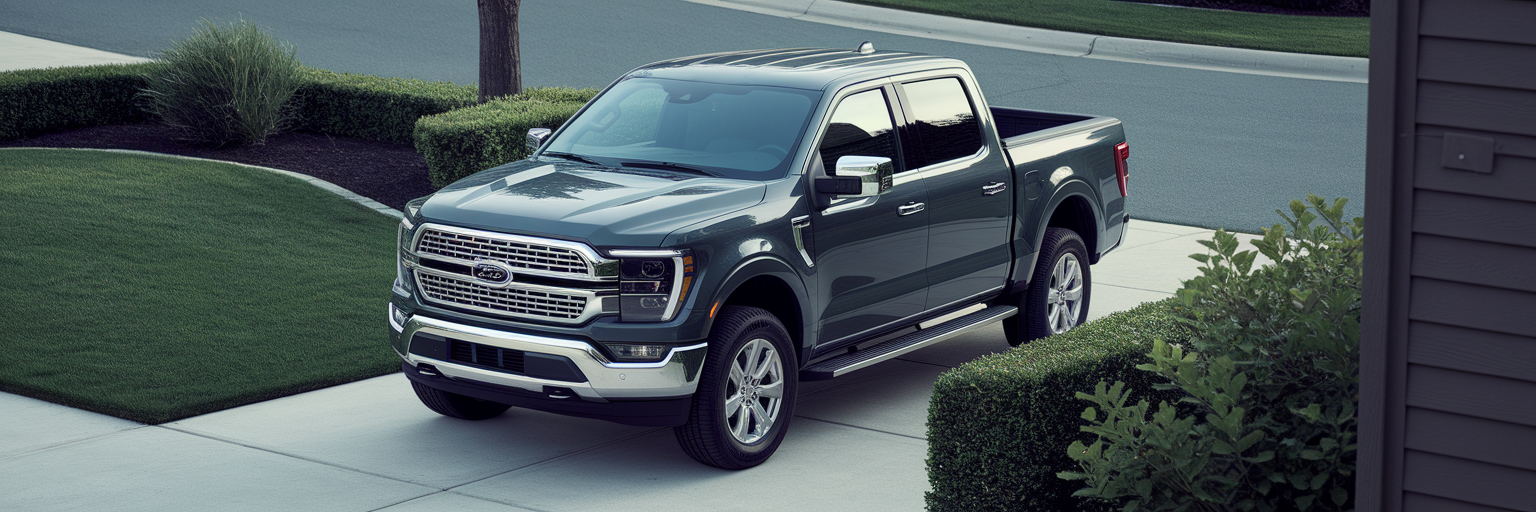
Once you have a clear picture of why you need a truck, the next step is to consider its physical footprint. The size of your truck directly impacts your daily experience, from parking at the supermarket to navigating narrow streets. This decision is less about features and more about the practical reality of where you will drive and park it every day.
Trucks generally fall into three size classes, each suited to a different environment.
Compact and midsize trucks, like the Toyota Tacoma or Ford Ranger, offer a balanced approach. They are large enough for most household tasks and recreational gear but remain easy to park and maneuver in suburban settings. Their better fuel efficiency also makes them a practical choice for many buyers.
The debate over midsize vs full size truck often ends with the latter. Full-size trucks like the Ford F-150 and Ram 1500 are the North American standard for good reason. They provide a significant increase in power, interior space, and towing capability. This makes them ideal for those who need more capacity but still want a vehicle that can function as a comfortable daily driver.
Finally, heavy-duty (HD) trucks are specialized tools for the most demanding jobs. Their immense power comes with trade-offs, including a stiffer, less comfortable ride, lower fuel economy, and serious parking challenges. For most people, an HD truck is simply overkill. Exploring different types of trucks can help you visualize these size differences and see how they might fit into your world.
Decoding Performance and Powertrain Options
With your primary needs and ideal size in mind, it is time to look under the hood. Understanding performance specifications can feel intimidating, but it really comes down to matching the truck’s power to your tasks. The two most important terms to grasp are towing capacity and payload. Think of it this way: towing is what you pull behind you, while payload is what you carry in the bed and cab. This is more than just a suggestion; it is a critical safety point. Always check the manufacturer’s sticker on the door jamb for the specific ratings of the vehicle you are considering, as this is your definitive truck towing capacity guide.
Next, you will need to choose an engine. As noted in a guide from Car and Driver, clarifying powertrain options is a critical step for any buyer. Gasoline engines are the accessible, reliable default for most users. Diesel engines offer superior torque and efficiency for serious, long-distance towing, but they come with higher upfront and maintenance costs. The market has also expanded to include modern powertrains. Hybrid and all-electric trucks are now compelling options. For those intrigued by this shift, exploring the broader electric vehicle market can provide valuable context. Electric models deliver instant torque for impressive acceleration but require planning for charging, especially when towing reduces range.
Your final performance choice is the drivetrain. Two-wheel drive (2WD) is more fuel-efficient and perfectly adequate for most drivers in fair-weather climates. Four-wheel drive (4WD) is essential if you regularly face snow, mud, ice, or plan to venture off-road.
| Powertrain | Best For | Key Advantage | Primary Consideration |
|---|---|---|---|
| Gasoline | All-around daily use, light towing | Lower initial cost, easy maintenance | Moderate fuel economy under load |
| Diesel | Heavy towing, long-distance hauling | Superior torque, better highway fuel economy | Higher purchase price and maintenance costs |
| Hybrid | Balancing power and city efficiency | Electric boost for acceleration/towing | System complexity, moderate cost increase |
| Electric (EV) | Instant torque, low running costs | Quiet operation, minimal maintenance | Charging infrastructure, range when towing |
This table summarizes the primary use cases and trade-offs for each major powertrain type. The data reflects general characteristics, and specific performance will vary by model and manufacturer.
Selecting the Right Cab and Bed Configuration
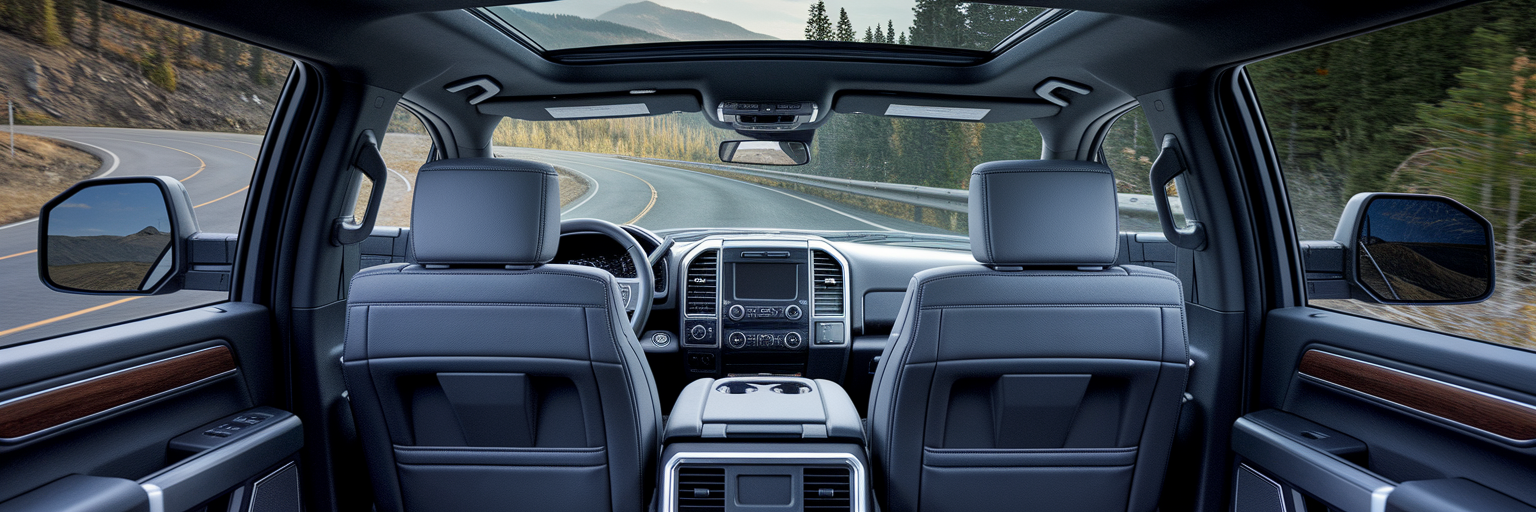
A pickup truck is a vehicle of two parts: the cab for people and the bed for cargo. Choosing the right configuration is a balancing act, and it is a decision that directly impacts the truck’s everyday usability. First-time buyers often overlook the direct trade-off between cab size and bed length. You are almost always prioritizing one over the other.
Cab sizes generally come in three flavors. A Regular Cab is the classic work setup, with two doors and seating for two or three people across a bench. An Extended Cab adds a small rear seating area with compact doors, best suited for occasional passengers or secure interior storage. The Crew Cab has become the most popular choice, offering four full-size doors and a spacious back seat that can comfortably accommodate adults or family members.
With your cab chosen, you can then consider the bed. When it comes to pickup truck bed sizes explained, they are typically offered in three lengths. Short beds, around 5.5 feet, offer the best maneuverability in tight spaces. Standard beds, around 6.5 feet, provide a versatile middle ground for both work and recreation. Long beds, at 8 feet, are designed for serious hauling, easily accommodating full sheets of plywood or other large materials.
Here is the crucial trade-off you must consider. On a model like the 2025 Ford F-150, opting for a spacious Crew Cab often means you will be paired with a shorter bed to keep the truck’s overall length manageable. Getting a Crew Cab with a long bed is possible on some models, but it creates a very long vehicle that can be difficult to park and navigate. This forces you back to your primary need: are passengers or plywood more important on a daily basis?
Evaluating Modern Comfort and Safety Features
The days of the spartan, bare-bones truck are long gone. Today’s pickups often serve as family vehicles and mobile offices, packed with technology that rivals luxury sedans. As you narrow your choices, it is helpful to separate features into essential needs and desirable wants to stay within your budget.
For anyone using a truck as a family hauler, safety should be a non-negotiable need. The sheer size of a pickup makes certain advanced driver-assistance systems (ADAS) incredibly valuable. Prioritize models that offer:
- Automatic Emergency Braking: Can help prevent or mitigate frontal collisions.
- Blind-Spot Monitoring: Essential for safely changing lanes in a long vehicle.
- 360-Degree Camera System: Makes parking and navigating tight spots much less stressful.
- Adaptive Cruise Control: Reduces driver fatigue on long highway trips.
Beyond safety, consider the comfort and technology that will define your daily driving experience. Large touchscreens, premium audio systems, and heated or ventilated seats can make a significant difference if you spend hours in the cab. Leading manufacturers like Ford have been at the forefront of incorporating these comfort and safety systems into their truck lineups. Finally, look for practical add-ons that enhance utility, such as integrated trailer brake controllers for towing, multi-function tailgates for easier bed access, and in-bed power outlets for tools or camping equipment.
Finalizing Your Choice: New vs Used
With your ideal truck defined, the final decision is how to acquire it. The new versus used dilemma is a choice between financial priorities and peace of mind. Buying a new truck offers the latest technology, a full factory warranty, and the assurance that you are its first owner. The primary downside is depreciation, which begins the moment you drive off the lot.
Opting for a used truck offers significant cost savings, allowing you to get more truck for your money. However, this path requires more diligence. You face the risk of hidden mechanical issues and may miss out on the latest safety and infotainment features. If you go the used route, two steps are non-negotiable. First, obtain a vehicle history report to check for accidents, title problems, and service records. Second, invest in a pre-purchase inspection by a trusted independent mechanic. This small expense can save you from a major financial headache.
Whether new or used, the most critical step is the test drive. Do not just take a quick spin around the block. Drive the truck in the environments you frequent: on the highway, through city streets, and into a tight parking lot. The right truck is the one that feels capable, comfortable, and inspires confidence from behind the wheel.