The Thrill of the First Sports Car
Decades ago, the Datsun 240Z proved that the thrill of a responsive, beautifully balanced car did not have to be reserved for the ultra-wealthy. That legacy lives on. The desire for a first sports car is rarely about chasing triple-digit speeds. It is about the connection between driver and machine, the satisfaction of a perfectly executed downshift, and the joy of learning to master car control on a winding road.
Before you start your search, it is important to understand what “budget-friendly” truly means. The sticker price is just the beginning. For a new driver, insurance premiums on a sports car can be surprisingly high. You also need to account for routine maintenance and, crucially, set aside a fund for unexpected repairs. A great best beginner sports car rests on three pillars: it must be forgiving enough to learn on, mechanically reliable to avoid financial strain, and deliver an engaging experience without being intimidating. This guide on how to choose a first sports car will help you find that perfect balance.
Essential Characteristics of a Beginner-Friendly Sports Car
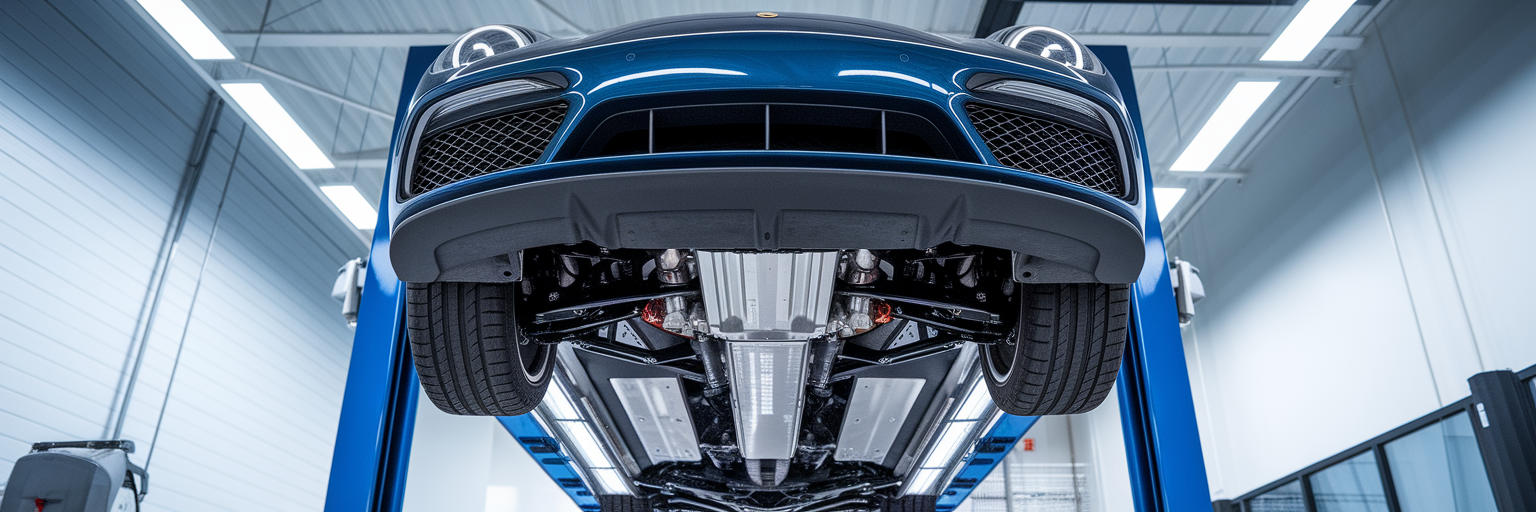
With the financial realities in mind, we can focus on the mechanical traits that make a sports car suitable for a novice. Understanding these core characteristics is more important than memorising model names, as it empowers you to evaluate any potential car you come across.
Drivetrain Dynamics: RWD, FWD, and AWD
The wheels that receive power fundamentally shape how a car feels. Rear-Wheel Drive (RWD) is the classic sports car layout, offering a pure handling experience that teaches throttle control and balance. Front-Wheel Drive (FWD) is the most common and predictable, making it very forgiving in everyday driving. All-Wheel Drive (AWD) provides superior grip, offering a huge confidence boost in wet or slippery conditions.
The Manual vs. Automatic Decision
We can all picture that moment: heel-and-toeing into a corner, perfectly matching revs with a manual gearbox. It is the traditional choice for maximum engagement and a rewarding skill to build. However, do not dismiss modern automatics. Many now offer paddle shifters and lightning-fast changes that can be just as fun and often quicker. This is a personal choice, not a right or wrong one. What kind of connection do you want with your car?
The Importance of a Lightweight Chassis
Why do some cars feel nimble and communicative while others feel numb? The answer is often weight. A lightweight chassis is the secret ingredient. It is not just about acceleration. A lighter car changes direction more eagerly, stops more quickly, and transmits more information from the road to your hands. It feels like an extension of yourself rather than a heavy machine you are simply piloting.
Non-Negotiable Safety Features
While learning car control is part of the fun, a safety net is essential. We stand firm in our belief that modern safety features are non-negotiable for a beginner. Look for cars equipped with an Anti-lock Braking System (ABS) and Electronic Stability Control (ESC). These systems do not detract from the driving experience. Instead, they act as a silent partner, ready to intervene if you make a mistake on a slippery corner or brake too hard.
| Drivetrain | Pros for Beginners | Cons for Beginners | Best For |
|---|---|---|---|
| Rear-Wheel Drive (RWD) | Teaches throttle and steering balance; pure handling feel. | Can be prone to oversteer in wet/slippery conditions. | Learning car control in a controlled environment. |
| Front-Wheel Drive (FWD) | Predictable handling; generally more stable in bad weather. | Can suffer from understeer when pushed hard. | Daily driving and all-weather predictability. |
| All-Wheel Drive (AWD) | Superior traction and grip in all conditions. | Can mask driving errors; often heavier and less efficient. | Drivers in wet or snowy climates needing confidence. |
Note: This table summarizes the fundamental handling traits of each drivetrain. The final feel of a car is also heavily influenced by its chassis tuning, weight distribution, and tires.
Top Rear-Wheel Drive Picks for Pure Driving Fun
For those seeking the purest driving experience, a lightweight RWD car is the ultimate classroom. These models are celebrated for their balance, communication, and ability to teach the fundamentals of performance driving in a progressive and rewarding way.
The Icon: Mazda MX-5 Miata
There is a reason the Mazda Miata for beginners is a legendary recommendation. It is not about power. It is about perfection in balance. With its near 50/50 weight distribution and communicative steering, the Miata feels like it is hardwired to your brain. Every input has a direct and predictable reaction, making it an incredible teacher for car control. On top of that, its reputation for bulletproof reliability and a massive, supportive community for parts and advice makes it one of the most sensible and enjoyable first sports cars you can buy.
The Modern Duo: Toyota GR86 & Subaru BRZ
The Toyota GR86 and Subaru BRZ are the spiritual successors to the affordable, fun-to-drive sports cars of the past, but with modern engineering and safety. They share a platform focused on sharp handling, a low centre of gravity, and a driver-centric cockpit. While the debate of Toyota GR86 vs Subaru BRZ often comes down to minor tuning differences, both offer a brilliantly engaging RWD experience backed by the reliability of major manufacturers. As publications like MotorTrend have noted, they are among the best performance values on the market. For those on a tighter budget, the earlier Scion FR-S models offer a nearly identical experience.
The Muscle Option: Nissan 370Z
If you are a confident beginner who wants a bit more power, the Nissan 370Z is a compelling option. Its naturally aspirated V6 engine delivers a satisfying punch and a classic muscle car soundtrack. It is a heavier and more powerful car than the Miata or GR86, demanding more respect from the driver. While the thrills are greater, this comes with a balanced perspective: be prepared for higher running costs. The V6 is thirstier, and larger tires are more expensive to replace. It is a fantastic car, but one that requires a slightly larger budget for upkeep.
Dependable FWD and AWD All-Rounders
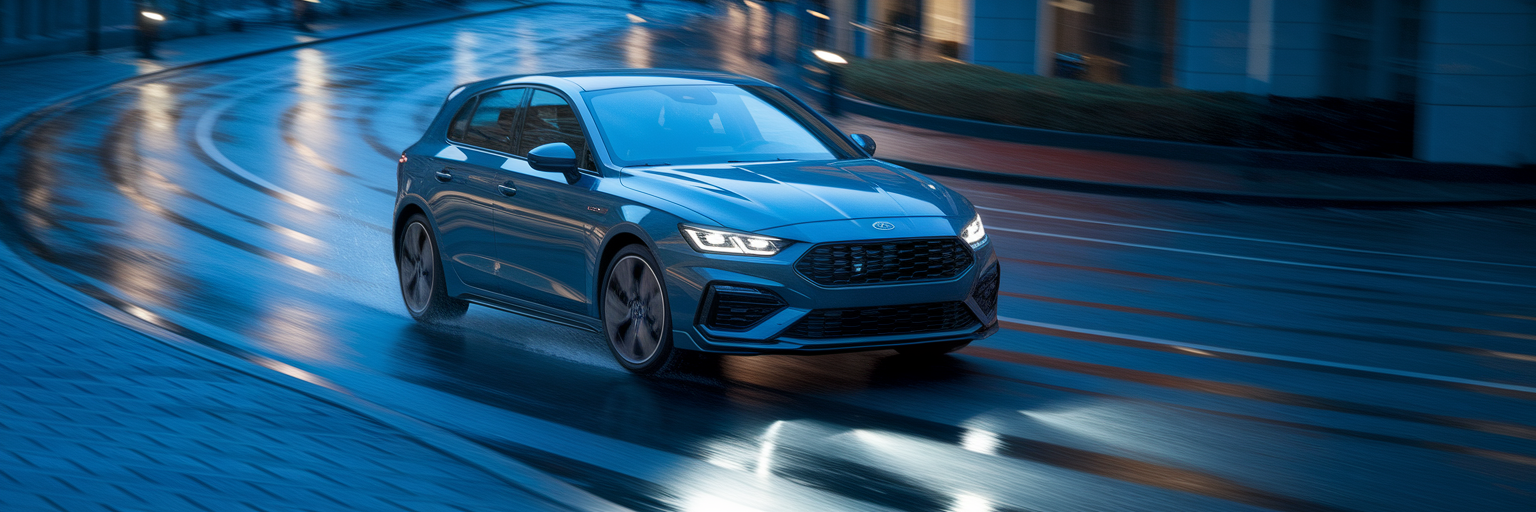
The definition of a “sports car” has expanded. You no longer have to sacrifice practicality for driving fun. These front-wheel and all-wheel drive options deliver an exciting experience while being perfectly capable as daily drivers, proving that performance and usability are not mutually exclusive.
The FWD Hero: Honda Civic Si
The Honda Civic Si has long been the benchmark for FWD performance. Its magic lies in its accessibility. The handling is forgiving and predictable, allowing you to build confidence quickly. The peppy engine and one of the best manual gearboxes in the business provide endless fun without the intimidation of a high-horsepower RWD car. This combination of engagement and legendary Honda reliability makes ownership costs remarkably low. The brand has a rich history of building fun, dependable cars, and you can explore more about the manufacturer’s legacy on our Honda brand page.
All-Weather Confidence: Subaru WRX
For beginners in climates with rain or snow, the Subaru WRX (the non-STI version) is an outstanding choice. Its symmetrical All-Wheel Drive system provides a layer of security that is hard to beat. You can feel the car gripping the road, giving you the confidence to enjoy its rally-bred performance in conditions where a RWD car would be a handful. It is a true all-rounder, blending turbocharged excitement with four-door practicality, making it a car you can enjoy year-round without compromise.
The Hot Hatchback Alternative
Consider which company newsletters you actually read. They are usually the ones with clear, useful information. The same principle applies to cars. Hot hatchbacks like the Ford Fiesta ST or Volkswagen GTI offer some of the best performance-per-dollar value available. They combine the sporty dynamics of a great FWD car with the practicality of a hatchback, making them perfect for hauling friends, gear, or groceries. They are a counterintuitive but brilliant choice for a first fun car. For those interested in the Fiesta ST, you can learn more about other engaging vehicles from the brand by exploring our information on Ford.
Considering a Classic? What to Know Before You Buy
The allure of a classic sports car is undeniable. A model like the Porsche 944 offers a purely analog driving experience, with its timeless pop-up headlights and beautifully balanced chassis. You feel everything, from the texture of the road through the steering wheel to the mechanical sound of the engine. It is a romantic notion, but it requires a serious reality check.
While the purchase price for some classics might seem low, they are rarely among the most reliable cheap sports cars to own. Classic ownership is a commitment. You must have a dedicated maintenance budget for parts that will inevitably wear out. You need a tolerance for quirks and potential reliability issues, and finding a specialist mechanic who truly knows the car is critical. Even a seemingly minor issue, like figuring out why your car is squeaking when you drive, can become a complex and costly diagnostic task on an older vehicle.
Our experience proves one thing: always get a pre-purchase inspection (PPI) from a reputable mechanic who specializes in that specific model. They know where to look for hidden rust, engine wear, and common electrical faults that a general inspection might miss. A PPI is the single best investment you can make to avoid buying someone else’s expensive problems.
Your Final Pre-Purchase Checklist
You have done the research and narrowed down your options. Before you sign any papers, run through this final checklist. It will help you move from searching for affordable sports cars for sale to confidently purchasing a car that is affordable to own and enjoy for years to come.
- Test Drive Multiple Cars: Do not just drive one model. Experience an RWD Miata, a FWD Civic Si, and maybe an AWD WRX. You might be surprised which one connects with you the most. Feel the differences in handling and power delivery for yourself.
- Calculate the True Cost of Ownership: Look beyond the sticker price. Create a realistic monthly budget that includes your car payment, insurance, estimated fuel costs, new tires, and a dedicated repair fund.
- Get Insurance Quotes Before Committing: This is a critical step many people forget. Insurance rates for the same driver can vary dramatically between a Toyota GR86 and a Nissan 370Z. Get quotes for your top two or three choices to avoid a major budget shock.
- Engage with the Community: Join an online forum or a local owner’s club for the model you are considering. You will get brutally honest advice on common issues, real-world running costs, and recommendations for trusted mechanics in your area.
- Prepare for the Unexpected: That repair fund is not optional. Being prepared is key for dealing with stressful situations, like figuring out why your car will not start on a cold morning. Having the funds ready turns a crisis into a manageable inconvenience.