The American pickup truck is more than just a vehicle. It’s a partner on the job site, a hauler for weekend projects, and a reliable ride for the family. Protecting this asset means shifting your mindset from fixing what’s broken to preventing it from breaking in the first place. Proactive maintenance is an investment, not a cost. Consider the difference between a dozen $70 oil changes and a single $7,000 engine replacement. The math speaks for itself.
This forward-thinking approach extends directly to safety. Dependable brakes and properly inflated tires are not just about vehicle health. They are fundamental to protecting you, your passengers, and everyone else on the road. The small effort of regular checks stands in stark contrast to the catastrophic downtime and expense of a major failure. This discipline is the secret to how to extend truck life, ensuring your vehicle remains a dependable tool for years to come. It’s the essential “why” that gives purpose to the practical steps that follow.
Engine Health and Fluid Management
The longevity of your truck begins with the fluids that circulate through its powertrain. These liquids are the lifeblood of your vehicle, and managing them properly is non-negotiable for long-term health.
The Critical Role of Engine Oil
Engine oil serves three critical functions: it lubricates moving parts to reduce friction, it helps cool critical components by carrying heat away, and it cleans the engine by suspending dirt and metal particles. When neglected, oil breaks down and turns into a thick, gritty sludge that can no longer do its job effectively. This accelerates wear and can lead to catastrophic engine damage.
While a general guideline for oil changes is every 5,000 to 10,000 miles, a truck’s workload changes the equation. If you frequently tow heavy loads, haul materials, or operate in extreme heat or cold, that interval shortens considerably. Always consult your owner’s manual to determine the best oil for my truck, whether it’s conventional, synthetic-blend, or full synthetic, as using the correct type is just as important as changing it on time.
A Rundown of Other Essential Fluids
Beyond engine oil, several other fluids require regular attention. A clogged air filter, a common issue for trucks on dusty job sites or rural roads, can starve the engine of air, reducing power and fuel economy. If your truck is struggling to perform, sometimes the root cause is simple, but other times it can point to a more complex issue like a dead battery, a topic that helps explain why your car wont start in the first place.
- Coolant (Antifreeze): This fluid prevents your engine from overheating in the summer and freezing in the winter. It should be brightly colored (green, orange, or pink) and not look rusty or murky.
- Transmission Fluid: This lubricates the gears in your transmission. It should be reddish-pink and smell sweet. If it’s brown or has a burnt odor, it needs to be changed immediately.
- Brake Fluid: This hydraulic fluid transfers the force from your foot on the pedal to the brakes. It should be clear to light amber. Dark or cloudy fluid indicates contamination and reduced effectiveness.
- Power Steering Fluid: This makes turning the wheel easy. If you hear a whining sound when you steer, check this fluid level first.
Tire and Wheel Assembly Care
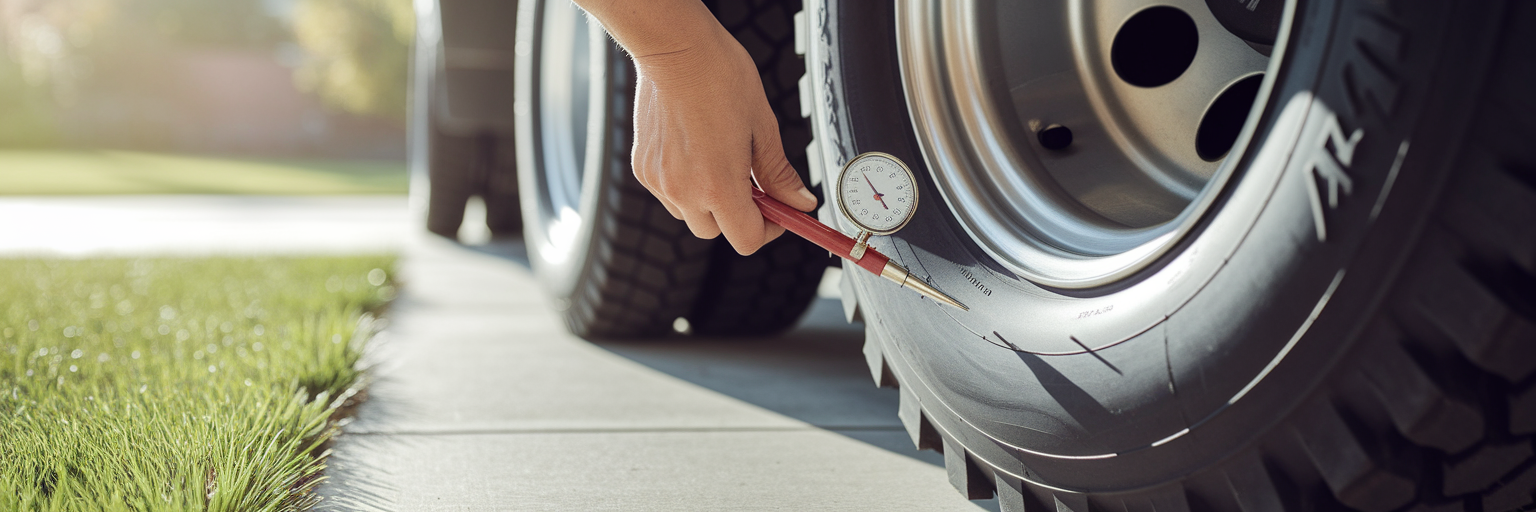
Your truck’s tires are its only connection to the road, making their maintenance critical for safety, efficiency, and performance. The simplest and most impactful habit you can build is a weekly tire pressure check. You can find the correct PSI (pounds per square inch) on the sticker inside the driver’s door jamb, a standard location on all vehicles sold in the United States. Don’t use the number on the tire itself, as that indicates the maximum pressure, not the recommended operating pressure.
The consequences of incorrect pressure are direct and costly. Under-inflation causes the outer edges of the tire to wear prematurely and hurts your gas mileage. Over-inflation wears out the center tread and creates a harsh, bumpy ride. Beyond pressure, learn to read your tires for signs of trouble. If you notice one edge is wearing faster than the other, it’s a strong indicator of an alignment problem, allowing you to catch the issue before it ruins a perfectly good tire. Regular tire rotation, typically every 5,000 to 7,000 miles, ensures all four tires wear down evenly. For most trucks, a “rearward cross” pattern is standard, but it’s always wise to check the manual. These truck tire care tips are fundamental for saving money and staying safe. For owners of specific models, like the popular Ford F-150, the manual provides exact rotation patterns, and you can find more details on models like the 2025 Ford F-150 online.
Braking System Integrity
When you’re hauling a heavy load or navigating traffic, you need absolute confidence in your truck’s ability to stop. A modern disc brake system is composed of pads, rotors, and calipers. In simple terms, the calipers squeeze the brake pads against the spinning rotors to slow the truck down. Paying attention to the audible and physical warning signs of wear is not just good practice, it’s a critical safety responsibility.
Listen for these distinct sounds and feel for these changes:
- A high-pitched squeal: This is often the sound of the built-in wear indicator, a small metal tab designed to make noise when your brake pads are getting thin. It’s your first warning that it’s time for an inspection.
- A deep, metallic grinding noise: This is a red alert. It means the brake pads are completely worn away, and metal is grinding against metal. This is a severe safety hazard that is actively causing expensive damage to your rotors.
- A pulsating or vibrating pedal: If you feel a shudder through the brake pedal, it’s a common sign that your rotors have warped from heat and need to be resurfaced or replaced.
You should also visually inspect your brake fluid reservoir, which is usually a small, translucent container in the engine bay. The fluid should be clear to light amber. If it’s dark, it’s contaminated and needs flushing. A sudden drop in the fluid level points to a dangerous leak that requires immediate attention. Many drivers wonder why is my car squeaking when I drive, and the answer often leads directly back to the brake system.
Protecting the Body and Frame from Elements
For many American truck owners, especially those in the northern “Rust Belt” states, the battle against corrosion is constant. The primary enemy of your truck’s body and frame is road salt, which dramatically accelerates the rusting process. This is why you must prevent truck rust with diligent care. Washing your truck in the winter is a crucial maintenance task, not a cosmetic choice. As noted by equipment experts at NMC Cat, regular cleaning is a key part of any preventative maintenance plan to combat corrosion.
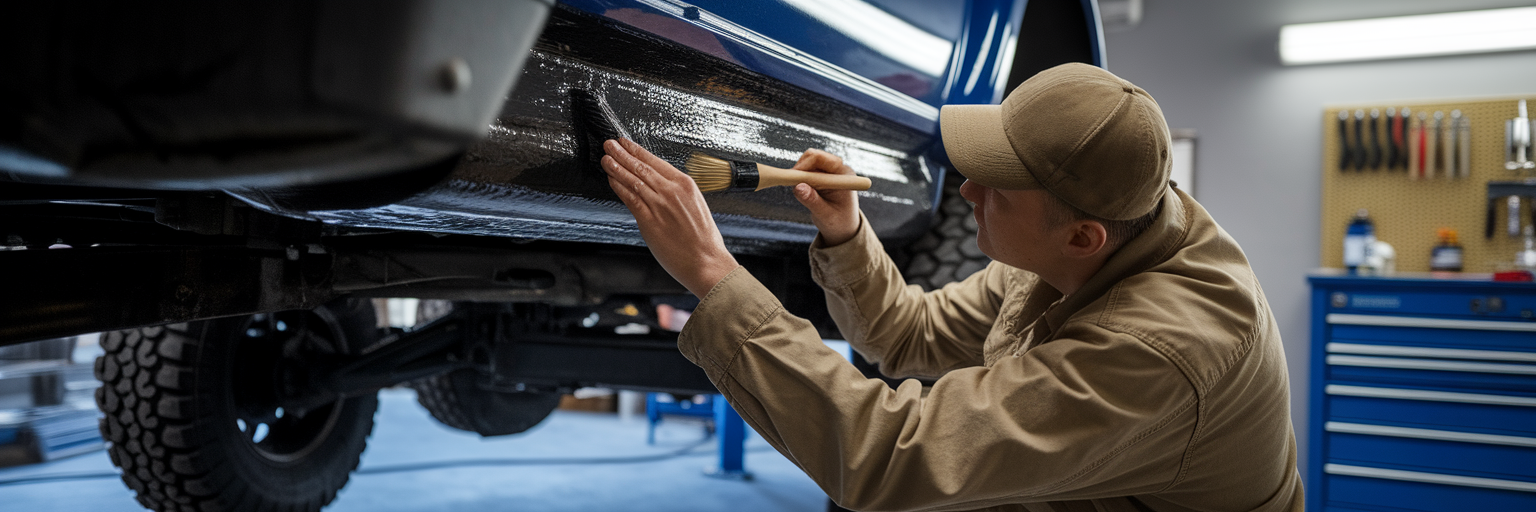
Use a high-pressure washer to thoroughly clean the undercarriage, inside the wheel wells, and along the frame rails. These are areas where corrosive salt and mud love to hide. After washing, applying a quality wax creates a protective barrier against moisture and damaging UV rays. For those living in regions with harsh winters, investing in a professional rubberized or polymer undercoating is a smart move that can add years to the life of your frame. Finally, don’t forget the truck bed. Scratches from hauling cargo can expose bare metal, creating a starting point for rust. A spray-in or drop-in bed liner is an essential accessory that protects the metal, preserving the value and utility of all trucks.
Electrical System and Battery Checks
A dead battery can bring the most powerful truck to a standstill. Simple, regular checks of the electrical system can prevent most common no-start situations. The battery is the heart of this system. Pop the hood and inspect the battery terminals. If you see a fuzzy, white or blue-green buildup, that’s corrosion, and it’s impeding the flow of electricity. You can easily clean it off with a wire brush and a simple paste made of baking soda and water.
After cleaning, ensure the battery cable clamps are tight. You should not be able to move them by hand. A loose connection can mimic the symptoms of a dead battery. Here’s a valuable tip: most auto parts stores across the country will test your battery’s health for free. Make it a habit to get it tested annually, especially before winter arrives, as cold weather is particularly hard on a weak battery. Extend your check with a quick walk-around to confirm all your lights are working, including headlights, brake lights, and turn signals. This simple routine is a vital part of any effective truck maintenance checklist.
Creating Your Sustainable Maintenance Schedule
All this information is only useful if you put it into practice. The best way to stay on top of your truck’s needs is to create a consistent schedule. Whether you use a dedicated logbook, a simple spreadsheet, or a smartphone app, tracking your maintenance is key. This turns abstract advice into a concrete plan. Use the following table as a starting point for your own truck maintenance checklist.
| Frequency | Task | Why It Matters |
|---|---|---|
| Monthly | Check tire pressure & fluid levels (oil, coolant, washer) | Prevents uneven wear, poor fuel economy, and overheating. |
| Every 5,000-7,000 Miles | Change oil and filter, rotate tires | Ensures proper engine lubrication and maximizes tire life. |
| Every 15,000 Miles | Inspect air filter and brake pads | Maintains engine performance and ensures stopping power. |
| Annually | Test battery, inspect belts/hoses, deep clean undercarriage | Prevents no-start situations, hose failures, and rust damage. |
Note: This is a general schedule. Always consult your truck’s owner’s manual for manufacturer-specific recommendations, as intervals can vary based on model and usage.
Beyond any schedule, learn to listen to your truck. Pay attention to new sounds, strange vibrations, or warning lights that appear. These are your vehicle’s way of telling you something needs attention. Consistency is the true secret to a long-lasting, reliable truck. It’s not about a single, expensive overhaul, but the steady rhythm of small, simple checks over the vehicle’s life. Staying informed about the latest in vehicle care by following automotive news is another great habit for any dedicated owner.