An Unending American Rivalry
In the mid-1960s, two cars emerged that did more than just roll off an assembly line; they defined a generation of American automotive ambition. The Ford Mustang and Chevrolet Camaro were born from the same cultural moment, yet they immediately established a rivalry built on opposing philosophies. This was never just about horsepower or quarter-mile times. It was, and remains, a clash of ideals that has captivated enthusiasts for over half a century, a story deeply woven into the fabric of car culture. For those who follow the ever-shifting world of cars, Carphanatics offers a broad look at the industry’s icons and stories.
Fast forward to 2026, and the Ford Mustang vs Chevy Camaro debate has taken on a fascinating new dimension. The seventh-generation Mustang stands as a testament to continuous innovation, blending its rich heritage with a digital-first mindset. In the other corner, the sixth-generation Camaro, which ceased production in 2024, has become a modern classic. It represents the pinnacle of its own era, a perfected formula frozen in time.
The Mustang’s identity has always been one of adaptable performance. It’s the sports car that can be a daily driver, a weekend cruiser, or a track weapon, appealing to a wide spectrum of drivers by embracing new technology. Its latest iteration doubles down on this, offering a highly customizable and tech-forward experience. The Camaro, by contrast, solidified its reputation as the purist’s machine. Its design and engineering prioritize a raw, unfiltered connection between the driver and the road. Now that it’s no longer in production, this character is magnified, transforming it from a competitor into a potential collectible.
To determine which car reigns supreme in 2026, we need to look beyond simple nostalgia. This comparison will dissect the core attributes that define each vehicle:
- Drivetrain and Power: The heart of the machine and how it delivers its punch.
- Exterior Design: The visual language and road presence of each car.
- Cockpit Experience: The environment where driver and car become one.
- Handling Dynamics: How each car translates power to the pavement through corners.
- Price and Future Value: The financial reality of owning these icons.
Ultimately, the title of the best American muscle car isn’t won on a spec sheet. It’s a decision made in the heart of the driver. The choice comes down to what you value more: the versatile, forward-looking performance of a modern icon or the visceral, timeless thrill of a machine that represents the end of an era.
Dissecting Drivetrain and Power Metrics
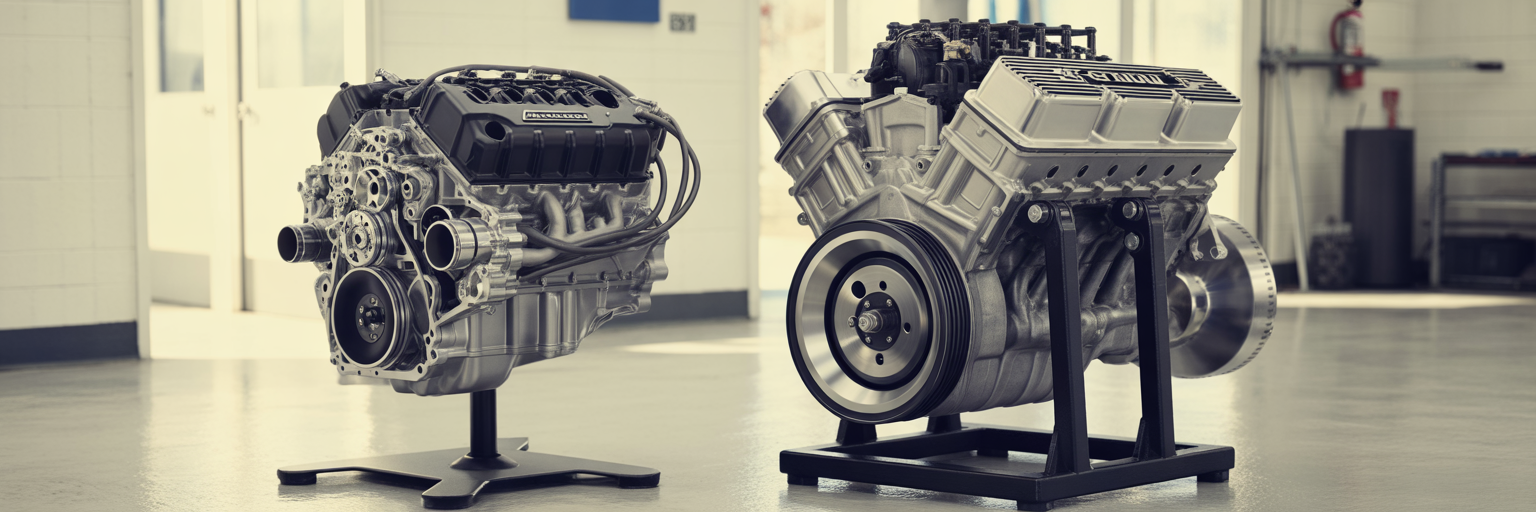
While the previous section set the philosophical stage, this is where we get into the mechanical soul of these two rivals. The way a car generates and delivers power defines its personality more than any other single factor. It’s the difference between a sharp crack of thunder and a deep, rolling rumble.
The Heart of the Beast: V8 Engine Comparison
At the core of this rivalry are two legendary V8s. The Mustang GT’s 5.0L Coyote V8 is an engineering marvel of high-revving excitement. It loves to be pushed, with power that builds in a thrilling rush toward its redline. The sensation is one of a sophisticated, athletic engine that sings a cleaner, higher-pitched note. The Mustang GT performance is defined by this eagerness to climb the tachometer. In contrast, the Camaro SS is powered by the 6.2L LT1 V8, a modern interpretation of the classic American small-block. Its larger displacement delivers a wave of torque almost instantly. According to a head-to-head comparison by U.S. News, while the Mustang often has a slight edge in peak horsepower, the Camaro’s V8 is celebrated for its robust, immediate torque. This translates to a feeling of immense, effortless muscle right from a standstill. It’s a punch in the chest where the Mustang is a surge of adrenaline. When considering the Camaro’s engine, it’s worth noting that a GM 6.2L engine recall was issued for certain models, which is an important piece of context for any potential buyer.
| Specification | Ford Mustang GT (5.0L Coyote V8) | Chevrolet Camaro SS (6.2L LT1 V8) |
|---|---|---|
| Displacement | 5.0 Liters (302 cubic inches) | 6.2 Liters (376 cubic inches) |
| Horsepower | ~480-486 hp | ~455 hp |
| Torque | ~415-418 lb-ft | ~455 lb-ft |
| Power Delivery | High-revving, builds power toward redline | Strong low-end torque, immediate response |
| Valvetrain | Dual Overhead Cam (DOHC), 32-valve | Overhead Valve (OHV), 16-valve |
Note: Figures are based on the latest available data for the S650 Mustang and final sixth-generation Camaro. Power delivery characteristics are based on established engine architecture and driver feedback.
Entry-Level Powerplants: Efficiency Meets Performance
Not every buyer is looking for a V8. The Mustang’s 2.3L EcoBoost four-cylinder has matured into a genuinely impressive performer, offering a lightweight and efficient alternative that still delivers a spirited drive. It makes the Mustang feel more like a nimble sports coupe. On the used market in 2026, you’ll find the final Camaro models offered with either a potent V6 or a turbocharged four-cylinder. These options provided a more accessible entry point into Camaro ownership, and they remain compelling choices for those who prioritize balance and lower running costs over outright muscle.
Shifting Gears: Transmission Technology and Feel
How that power gets to the wheels is just as critical. The Mustang offers a slick 10-speed automatic that shifts almost imperceptibly, keeping the engine in its sweet spot. For purists, its 6-speed manual with automatic rev-matching is a joy, making every downshift feel perfect. The Camaro, however, was widely praised for its transmission tuning. Its 10-speed automatic was known for its track-ready intelligence, while its 6-speed manual is often considered one of the best in the business, offering a direct, mechanical feel that is deeply satisfying. The choice here is about the style of power delivery you crave: the Mustang’s refined, high-RPM rush or the Camaro’s raw, chest-thumping muscle.
Exterior Styling and Aerodynamic Presence
Beyond the engine’s roar and the tire’s screech, a sports car makes its first impression standing still. The visual identity of the Mustang and Camaro speaks volumes about their underlying philosophies, appealing to different aesthetic sensibilities. This isn’t about which car is faster, but which one quickens your pulse before you even grab the keys.
The 2026 Ford Mustang’s exterior is a study in sharp, modern aggression. Its lines are crisp and angular, drawing inspiration from a fighter jet’s fuselage. The signature tri-bar lighting is now a futuristic LED element, and the classic fastback silhouette is more pronounced than ever. It’s a design that respects its heritage without being trapped by it. Higher trims like the GT and the track-focused Dark Horse add functional aerodynamic pieces, including aggressive front splitters and rear wings that give it an even more purposeful stance. The Mustang looks technical, sharp, and ready to slice through the air.
In contrast, the final-generation Chevrolet Camaro presents a more primal, muscular form. Its design is defined by a low roofline, a wide, hunkered-down stance, and powerful rear haunches. Think of a predator coiled to strike. The small greenhouse and high beltline create a menacing look, a deliberate choice that prioritizes an intimidating presence over practical considerations like outward visibility. The Camaro’s physical footprint is more compact and dense, giving it the road presence of a tightly wound spring, ready to unleash its power.
This difference in form is not just for show. The vents, spoilers, and splitters found on performance packages for both cars are engineered to manage airflow. They generate downforce for high-speed stability, channel cool air to the brakes and engine, and reduce lift. What might look like a purely cosmetic choice on the Camaro’s ZL1 or the Mustang’s Dark Horse is actually a critical part of its performance envelope.
Ultimately, styling is deeply subjective. The Mustang’s sharp, contemporary design will appeal to those who want a sports car that looks as modern as it feels. The Camaro’s timeless, intimidating muscle car aesthetic will attract buyers who crave a car that looks powerful, aggressive, and unapologetically American. It’s a choice between futuristic precision and raw, muscular intimidation.
Inside the Cockpit Experience
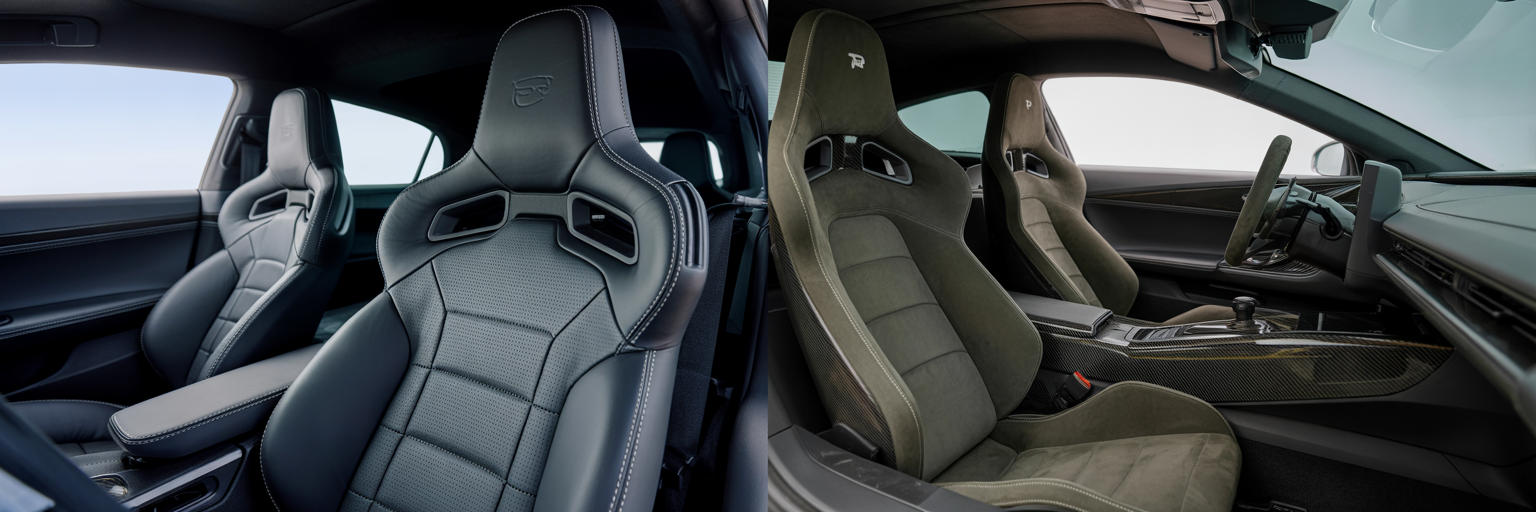
Stepping inside these cars reveals two completely different worlds, each designed to serve a distinct purpose. The cockpit is where the driver connects with the machine, and the Mustang and Camaro offer opposing takes on what that connection should feel like. One embraces the digital age, while the other champions pure, driver-focused immersion.
Mustang’s Digital Domain
The seventh-generation Mustang’s interior is a tech-lover’s dream. Dominated by a massive, curved display that merges a 12.4-inch digital instrument cluster and a 13.2-inch central infotainment screen, the cabin feels like a modern command center. Powered by Unreal Engine graphics, the same technology behind popular video games, the interface is slick, responsive, and endlessly customizable. You can change gauge layouts, track performance data, and tailor the entire environment to your liking. Ford also improved material quality, making the Mustang a more comfortable and refined place for daily driving. It’s a cabin designed for the modern driver who values technology and personalization.
Camaro’s Driver-Focused Cockpit
The Camaro’s interior is the antithesis of the Mustang’s digital-first approach. The design is spartan and purposeful. Your attention is immediately drawn to the essentials: a thick, flat-bottomed steering wheel, deeply bolstered seats, and clear, analog-style gauges. The infotainment screen is smaller and integrated cleanly into the dash, supplemented by clever physical climate controls built into the vent rings. The infamous “gun-slit” windows and resulting poor visibility aren’t a design flaw; they are an intentional trade-off. They create a cocoon-like, immersive environment that forces you to focus on the road ahead. It’s a cockpit built for one thing: driving.
- Ford Mustang (SYNC 4):
- Large 13.2-inch central touchscreen and 12.4-inch digital cluster.
- Extensive customization powered by Unreal Engine graphics.
- Features like Track Apps and customizable gauge layouts.
- Chevrolet Camaro (Chevrolet Infotainment 3):
- Smaller 7 or 8-inch touchscreen.
- Clean, straightforward interface with physical button redundancy.
- Includes Performance Data Recorder on higher trims.
Practicality and Daily Livability
When the drive is over and real life sets in, the differences become even more stark. The Mustang is simply the more practical car. Its trunk is larger, and its rear seats, while still tight, are usable for short trips or extra storage. The Camaro’s trunk opening is notoriously small, and its rear seats are best reserved for bags, not people. This is a clear example of form following function. The Mustang is designed to be a sports car you can live with every day, while the Camaro is a weekend weapon that makes few concessions to practicality. The automotive industry is constantly pushing boundaries with in-car technology, and for those interested in staying current, you can find the latest automotive news and trends here.
On-Road Feel and Handling Precision
Power is nothing without control. This section moves beyond straight-line speed to explore how these cars feel when the road starts to curve. The chassis, suspension, and steering work together to create a car’s handling character, and it’s here that the Mustang and Camaro reveal their most fundamental differences. It’s the feeling you get in the pit of your stomach as you turn into a corner.
The foundation of the Camaro’s dynamic excellence is its Alpha platform, a chassis shared with Cadillac’s performance sedans and widely celebrated for its incredible rigidity and balance. This gives the Camaro an immediate, confident feel. The steering is direct, communicative, and full of feedback, telling you exactly what the front tires are doing. The Camaro SS handling is raw and unfiltered, inspiring immense confidence on a winding road or a racetrack. It feels like a true sports car, eager to change direction and rewarding precise inputs.
The Ford Mustang is built on a versatile platform with a sophisticated independent rear suspension that strikes a brilliant balance between ride comfort and performance. Its steering is precise and quick, with configurable modes that can change the weight and feel. However, it can feel slightly more isolated from the road compared to the Camaro. The Mustang is an accomplished grand tourer; it’s comfortable and composed on the highway but comes alive on a fun backroad. It feels capable and engaging, but in a more refined, less demanding way than the Camaro.
The engineering philosophy behind a car focused on handling is vastly different from other vehicles. For instance, while these two are designed for grip, exploring which 2025 trucks offer the best towing and fuel economy provides a fascinating contrast in automotive priorities. Optional performance packages further sharpen the divide. The Mustang’s Performance Pack adds stickier tires, bigger brakes, and chassis bracing that significantly improve its track capability. But the Camaro’s 1LE package is legendary, transforming it into a track-day monster that can hunt down much more expensive machinery. These packages make the choice even more difficult, as they elevate both cars to new heights.
In the end, the Camaro generally holds an edge in pure, unfiltered handling dynamics. Its chassis feels more special and communicative. However, the Mustang offers a more compliant and adaptable ride, making it a superior all-rounder for someone who needs their sports car to also be their daily driver without a major sacrifice in performance.
Price, Value, and Future Legacy

After dissecting performance and design, the final decision often comes down to dollars and sense. In 2026, the Mustang and Camaro represent two very different value propositions. One is a brand-new car with the latest technology and a full warranty, while the other is a nearly-new modern classic with the potential for future appreciation. This final sports car comparison 2026 is about what you’re investing in: the present or the future.
The Cost of Entry: New vs. Nearly-New
In 2026, a buyer can walk into a Ford dealership and specify a brand-new Mustang to their exact liking. The starting price for an EcoBoost or a V8-powered GT will be clear, with a transparent price walk for options like the Performance Pack. On the other side, the market for the 2024 Camaro will consist of low-mileage used examples. While their initial depreciation will have occurred, desirable models, especially the V8-powered SS and ZL1, will likely hold their value firmly due to their “last of its kind” status. The initial cost might be similar, but the ownership journey will be quite different.
Long-Term Ownership and Value Proposition
Owning a new Mustang comes with the peace of mind of a full factory warranty, the latest infotainment and safety features, and the simple satisfaction of being the first owner. The Camaro’s proposition is more complex. Its discontinuation is a key factor. As noted by publications like Car and Driver when the final model was announced, the end of an iconic nameplate often leads to a surge in interest on the used market. This positions the 2024 Camaro not just as a car, but as a potential investment. When considering ownership, several factors come into play:
- Reliability: The final-year Camaro benefits from a mature, well-vetted platform where most issues have been ironed out. The new Mustang generation, while robust, is still in its earlier years.
- Fuel Economy: Both V8s are thirsty, but EPA ratings generally give a slight edge to the Mustang’s more modern engine family, especially when paired with the 10-speed automatic.
- Insurance Costs: Premiums for both cars are typically higher than average, but rates can vary based on the specific trim and driver history.
- Parts Availability: While GM is obligated to provide parts for years, long-term availability for specific trim pieces on a discontinued model is a valid consideration for the Camaro.
It’s interesting to see what else this budget could buy. For example, a look at the best hybrid SUVs under $35k shows how far the same money can stretch when priorities shift from performance to practicality.
The Collector’s Choice vs. The Modern Performer
This brings us to the final verdict. The 2026 Ford Mustang is the clear choice for the driver who wants the latest technology, a full warranty, and a car that represents the future of the American sports car. It’s a brilliant, daily-drivable performer that makes fewer compromises. The 2024 Chevrolet Camaro, viewed from 2026, is for the purist and the potential investor. It’s a weekend weapon, a visceral driving machine that offers a more raw experience. Its status as the last of its line gives it a strong potential for future appreciation, making it the collector’s choice. The best car for you depends entirely on which of those two paths you want to take.