Clash of Performance Philosophies
For decades, the rivalry between Stuttgart and Munich has defined automotive excellence. This conflict of engineering philosophies now extends to the family hauler, pitting two of the most compelling performance SUVs against each other in this Porsche Macan vs BMW X3 comparison.
On one side stands the Porsche Macan, often called a sports car on stilts. Its DNA is a direct descendant of the iconic 911, engineered with a singular focus: to deliver the most engaging driver experience possible in an SUV format. Every component, from its chassis tuning to its steering feel, is calibrated to connect the driver to the road. It prioritizes sensation and feedback above all else, making a clear statement that utility should not come at the expense of soul.
On the other side is the BMW X3 M40i, the pinnacle of the M Performance line for BMW’s Sport Activity Vehicle range. Its mission is different. It aims to strike a perfect balance between explosive power, sharp handling, and the everyday practicality expected from a family vehicle. It represents a mastery of the high-performance all-rounder, a machine designed to excel at everything from a spirited canyon run to a comfortable commute. This performance SUV comparison reveals a fundamental conflict: the Macan’s uncompromising focus on driver feel versus the X3 M40i’s brilliance as a do-it-all machine. This article will deliver a clear verdict for both the driving purist and the pragmatic buyer.
Straight-Line Speed and Engine Character
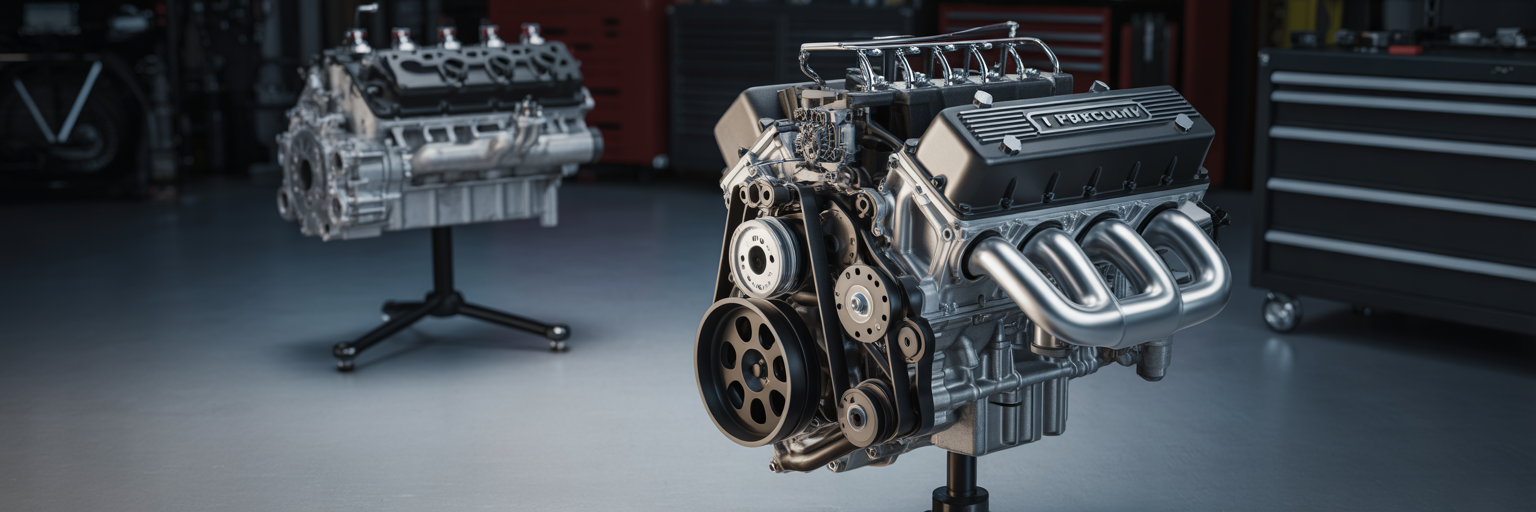
The character of a performance vehicle is often defined by its engine, and here, the two SUVs present distinctly different personalities. The BMW X3 M40i is powered by a 3.0-liter turbocharged inline-six, a legendary engine configuration for the brand. It produces 382 horsepower and is renowned for delivering a smooth, relentless wave of torque that feels almost electric in its immediacy. As reported by outlets like U.S. News, the BMW X3 M40i 0-60 mph time is a blistering 4.4 seconds, a figure that embarrasses many dedicated sports cars.
The Porsche Macan S counters with its own potent V6. While its on-paper figures are competitive, its true appeal lies in its delivery. The engine feels eager to rev, with a sharper, more aggressive note that builds to a satisfying crescendo. It creates a sense of occasion with every full-throttle application, making the act of acceleration a more dramatic and emotional experience. The best analogy is that the BMW’s inline-six is a velvet hammer; it is incredibly refined and deceptively smooth, yet brutally effective. The Porsche’s V6, in contrast, is more visceral and raw, an instrument that plays a more exciting tune.
This difference is amplified by their transmissions. The BMW uses a ZF 8-speed automatic, widely praised for its intelligent shift logic and imperceptible gear changes in comfort mode, yet it snaps through gears with authority when pushed. It is a brilliant piece of engineering. However, the Porsche’s PDK dual-clutch transmission is on another level. Its shifts are instantaneous and seamless, a key component that directly contributes to the Macan’s sports-car feel. It feels hardwired to your brain, anticipating your next move and making the powertrain feel like a single, cohesive unit.
Cornering Dynamics and Chassis Balance
When the road begins to twist, the fundamental differences between these two SUVs become even more apparent. The Porsche Macan has earned its reputation as arguably the best handling SUV on the market. Its chassis feels less like a utility vehicle and more like a well-sorted, rear-biased sports sedan. On a winding American canyon road, it demonstrates exceptional balance and composure, shrinking around the driver in a way the BMW simply cannot match. Body roll is almost nonexistent, especially with the optional adaptive air suspension, which keeps the vehicle uncannily flat through corners.
The Macan’s secret lies in how it manages its weight and power. It feels like it rotates around the driver’s hips, allowing for precise adjustments mid-corner with a level of confidence that is rare in any vehicle, let alone one with a high center of gravity. It encourages you to push harder, rewarding smooth inputs with incredible poise and grip. It is a machine that genuinely loves to be driven with spirit.
The BMW X3 M40i is no slouch in the handling department. Its M Sport suspension and xDrive all-wheel-drive system provide immense grip and stability. You can carry tremendous speed through corners with confidence, and it remains predictable and secure. However, when driven back-to-back with the Porsche, it feels larger, heavier, and less nimble. You are always aware of its size and weight, whereas the Macan does a better job of hiding its mass. The best way to describe the difference is with an analogy: driving the Macan is like using a scalpel, where every movement is precise and delicate. The X3 M40i is more like a finely balanced broadsword; it is powerful and highly effective, but it lacks the intricate feel of the Porsche. For the pure joy of carving corners, the Macan holds a significant and undeniable advantage.
Steering Precision and Driver Feedback

If the chassis is the skeleton, the steering is the nervous system that connects the driver to the road. In this regard, the Porsche Macan’s steering is the segment benchmark. It offers a level of nuanced feedback and perfect weighting that is simply missing from its competitors. You feel a direct, unfiltered connection to the front wheels, which inspires tremendous confidence. It is not just about quickness; it is about communication. The wheel subtly communicates changes in road texture and grip, allowing you to feel exactly what the tires are doing. This organic connection makes the driver feel completely in sync with the car.
The BMW X3 M40i’s steering is objectively excellent. It is sharp, quick, and precise, making the SUV feel agile and easy to place in daily driving. The thick rim of the M Sport steering wheel provides a satisfying and substantial tactile element that many BMW drivers love. It executes your commands with immediacy and accuracy. However, the critical difference is in the feel. The BMW’s steering feels more digitally assisted and isolated from the road. While highly effective, it filters out many of the subtle sensations that make driving an engaging experience.
For an enthusiast, this difference is profound. The rich, detailed feedback from the Macan’s steering is a defining part of its special character. It transforms a simple drive into a conversation between the driver, the car, and the road. This sentiment is echoed across enthusiast communities, with drivers on forums like XBimmers frequently concluding that the Macan’s steering feel and overall driving dynamics are in a different league. While the BMW’s steering gets the job done efficiently, the Porsche’s steering makes the job enjoyable.
Evaluating Everyday Ride Quality
While thrilling performance is a key selling point, the reality of ownership involves navigating city potholes, rough pavement, and highway expansion joints. This is where the focus shifts to daily livability. The Porsche Macan, particularly when equipped with its optional air suspension, demonstrates a remarkable duality. It can transform from a taut, sharp-handling machine into a comfortable and composed cruiser at the touch of a button. It absorbs bumps and road imperfections with a level of sophistication that belies its sporty credentials. The ride is firm but never harsh, filtering out the worst of the impacts while still keeping you informed about the road surface.
The BMW X3 M40i, with its standard M Sport suspension, is tuned with a clear bias toward body control. The ride is inherently firmer, and while it is not uncomfortably harsh, it communicates more of the road’s imperfections into the cabin. You feel more of the small, sharp impacts, resulting in a ride that feels distinctly sportier and less forgiving than the adaptable Macan. On a smooth road, it feels planted and controlled, but on the broken pavement common on many American roads, it can become busy and slightly jarring.
So, which is the better luxury sport SUV daily driver from a comfort standpoint? While the BMW is perfectly acceptable for daily use and many will appreciate its consistently sporty demeanor, the Macan’s superior ability to blend comfort and handling makes it a more versatile and refined companion. Its capacity to soften its edges for the commute and then sharpen them for a weekend drive gives it a broader range of talents, making it the more comfortable choice for varied driving conditions.
A Tale of Two Cabins
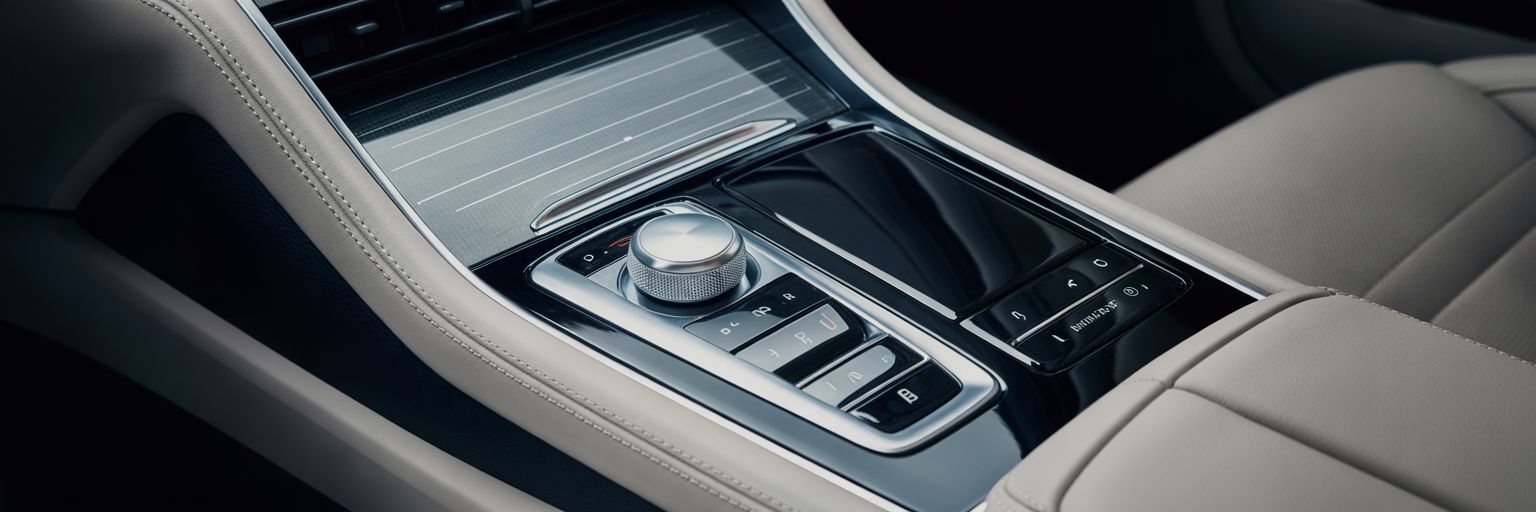
The distinct philosophies of Porsche and BMW are immediately evident upon entering their cabins. The Macan’s interior is a driver-focused cockpit. The signature rising center console, driver-centric layout, and an array of tactile buttons create an environment that feels purposeful and special. It is like sitting in a shrunken Panamera. The materials, from the cool touch of real brushed aluminum to the scent of supple leather, feel a step above. The switchgear clicks with a satisfying, mechanical precision, reinforcing the sense of being in a meticulously engineered machine.
In contrast, the BMW X3 M40i’s interior is a modern, tech-forward command center. Its design is built around clean, horizontal lines, excellent ergonomics, and a large, prominent infotainment screen that serves as the cabin’s focal point. Everything is logically placed and easy to reach. While the materials are high quality, the overall atmosphere feels more like a high-end version of a mainstream product rather than something truly bespoke. The Macan’s cabin simply feels more special, with a bank-vault solidity that contributes to the premium ownership experience.
Creating this sense of bespoke luxury requires a deep understanding of aesthetics and materials, and designers often turn to diverse sources for creative ideas. For those curious about where such visual concepts originate, exploring a platform for design inspiration can reveal how moods and themes are translated into physical spaces. Ultimately, both cabins are excellent, but they serve different masters. The BMW prioritizes functional, tech-integrated design, while the Porsche focuses on creating an emotional, driver-centric environment. For enthusiasts who appreciate deep dives into what makes cars special, from their interiors to their engines, resources like our articles on CarPhanatics.com offer a wealth of information.
Infotainment and Onboard Technology
The digital experience in a modern luxury vehicle is as important as its mechanical components. Here, the battle is between BMW’s venerable iDrive system and Porsche Communication Management (PCM). BMW’s iDrive has long been praised for its intuitive user interface. The combination of a physical rotary controller and a responsive touchscreen offers the best of both worlds, allowing for easy and safe operation while driving. Its menu structure is logical, the graphics are crisp, and it offers seamless wireless Apple CarPlay and Android Auto integration.
Porsche’s PCM system counters with a sleek, widescreen presentation that looks thoroughly modern. The touchscreen is highly responsive, and it integrates unique driver-focused features that reinforce the vehicle’s primary mission. On-screen performance timers, G-force meters, and customizable sport displays are not just gimmicks; they are tools that connect the driver to the car’s performance potential. While it also offers excellent wireless smartphone integration, its reliance on a touchscreen for most functions can be more distracting to use on the move compared to iDrive’s physical controller.
Here is a quick breakdown of their key differences:
- Control Interface: BMW iDrive (Rotary Controller + Touchscreen) vs. Porsche PCM (Primarily Touchscreen)
- Wireless Connectivity: Both offer excellent wireless Apple CarPlay and Android Auto.
- Performance Integration: PCM offers more in-depth, on-screen performance data.
- User-Friendliness: iDrive is often cited as having a gentler learning curve for non-technical users.
When it comes to driver-assistance systems, BMW typically offers a more extensive and accessible suite of semi-autonomous driving aids, such as its advanced Traffic Jam Assist, which is a significant benefit for those with long commutes. While both systems are top-tier, iDrive often wins on pure day-to-day user-friendliness, whereas PCM is perfectly tailored to the Porsche driving ethos.
Utility and Real-World Practicality
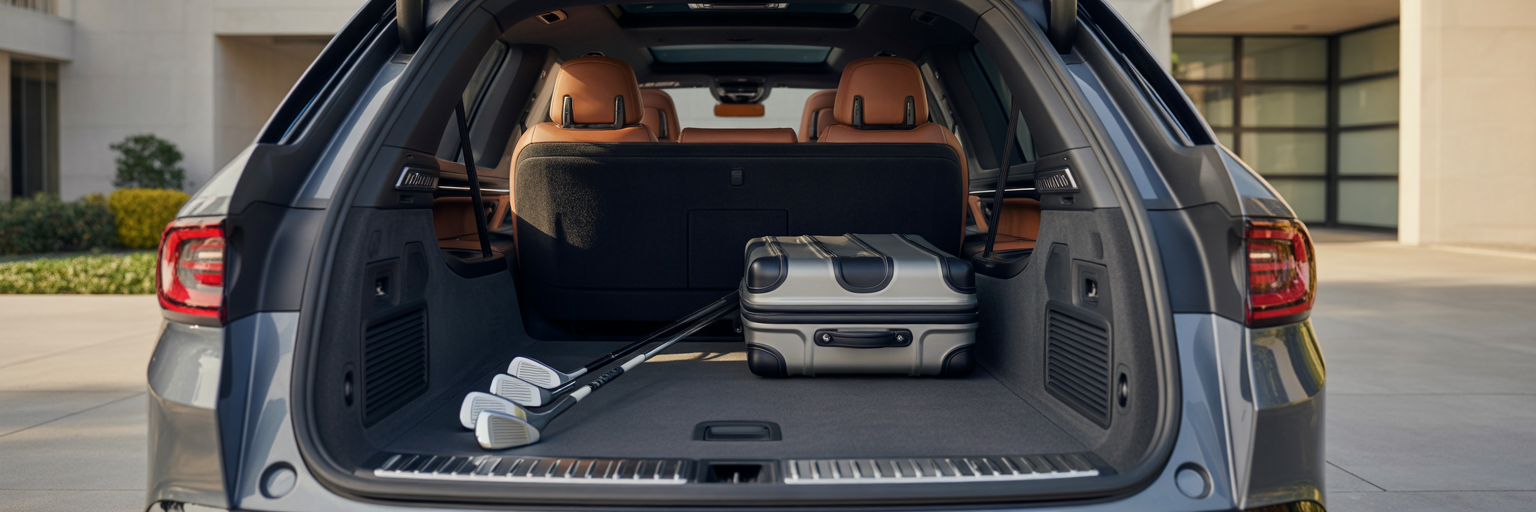
A performance SUV must still deliver on the “utility” promise. For American daily life, from grocery runs to family road trips, practicality is a major consideration. This is where the BMW X3 M40i establishes a commanding lead. A look at the cargo space figures tells the story: the X3 offers a generous 28.7 cubic feet behind the rear seats, while the Macan’s coupe-like profile limits its capacity to a much smaller 17.6 cubic feet. In practical terms, that difference means the BMW can easily swallow luggage for four, bulky sports equipment, or the spoils of a Costco run, while the Porsche owner might have to pack more strategically.
The X3’s advantage continues in the rear passenger area. Its more traditional, upright SUV roofline provides significantly more headroom and legroom than the Macan’s sloping design. This makes the BMW the far more comfortable choice for carrying adults in the back on longer journeys or for installing bulky child seats without compromising front passenger space. The Macan’s rear seat is adequate for shorter trips or for children, but it feels noticeably more constrained.
| Practicality Metric | Porsche Macan S | BMW X3 M40i |
|---|---|---|
| Cargo Space (Behind Rear Seats) | ~17.6 cubic feet | ~28.7 cubic feet |
| Rear Headroom | More constrained | More generous |
| Rear Legroom | Adequate for short trips | Comfortable for adults |
| Overall Shape | Coupe-like, sloped roof | Traditional, upright SUV |
Note: Figures are approximate and can vary slightly by model year and configuration. The data highlights the fundamental design trade-off between the Macan’s sporty profile and the X3’s utilitarian shape.
For buyers who prioritize and frequently use the utility in their sport utility vehicle, the conclusion is clear. The BMW X3 M40i is the undeniable winner and the far more practical choice for family duties.
Analyzing the True Cost of Ownership
The financial commitment to a performance SUV extends far beyond the initial sticker price. When analyzing the true cost of ownership in this Porsche Macan vs BMW X3 matchup, the BMW emerges as the more financially sensible choice. The Porsche typically carries a higher starting MSRP, and its notoriously long and expensive options list can quickly inflate the price. Over a typical 3-5 year ownership period in the US, several key factors come into play:
- Depreciation: While both vehicles will depreciate, the Porsche’s higher initial cost and expensive options often result in a larger dollar-value drop. Even if its percentage of value retention is strong, the absolute financial loss can be greater.
- Maintenance & Repairs: This is a significant differentiator. Porsche parts and labor rates are at a true premium, reflecting its exotic sports car brand status. Routine services and potential repairs will be substantially more expensive than for the BMW. While BMW’s costs are also high, they are generally more manageable, with a wider network of independent specialists available.
- Fuel Economy: Both are thirsty performance vehicles, but any small differences in MPG can add up over thousands of miles of driving each year. The BMW often holds a slight edge here, contributing to lower running costs.
- Insurance Costs: The Porsche’s higher value, brand positioning, and repair costs typically lead to higher insurance premiums compared to the BMW.
When all these factors are considered, the BMW X3 M40i is the more justifiable option for most buyers. This focus on long-term value is not unique to the performance segment; it is a critical factor for buyers everywhere, whether they are comparing luxury SUVs or trying to decide in the Lexus RX Hybrid vs. Toyota Highlander Hybrid debate.
The Definitive Verdict for Your Garage
After comparing these two exceptional machines, this Macan M40i review concludes with two distinct verdicts for two different buyers. The choice between the Porsche Macan and the BMW X3 M40i is less about which SUV is better and more about what you value most in a vehicle. It is a classic battle of heart versus head.
For the driving enthusiast, the verdict is unequivocal: the Porsche Macan is the winner. It is the choice made with the heart. It is more engaging, more communicative, and feels fundamentally more special from the moment you sit in the driver-focused cockpit. Its superior handling, steering feel, and chassis balance deliver a driving experience that is simply in a different league. It is the SUV for someone who would buy a 911 but needs a bit of practicality. It prioritizes the art of driving above all else.
For the practical performer, the BMW X3 M40i is the clear winner. This is the choice made with the head. It is the ultimate all-around package, a machine that does everything exceptionally well. It offers superior straight-line speed, far more utility for passengers and cargo, a more user-friendly infotainment system, and more sensible ownership costs. It is the master of versatility, equally adept at thrilling on a back road and managing the daily grind with ease.
If your weekend drive on a winding road is the highlight of your week, buy the Macan. If you need one vehicle to master the weekday commute, the family road trip, and still deliver thrills on demand, the X3 M40i is the smarter, more versatile choice. For those who live for these kinds of performance showdowns, exploring other intense rivalries, like the Camaro SS vs. Mustang Mach 1 track battle, offers another dose of automotive excitement.