Setting the Stage for an Electric Grand Touring Battle
Automakers have shared platforms for decades, but rarely has a common foundation produced two siblings as distinct as the Porsche Taycan and Audi e-tron GT. Built on the revolutionary J1 architecture, these cars represent a high stakes family rivalry, each vying for the soul of the luxury electric sedan segment. They start with the same world class ingredients but bake two entirely different cakes.
For the American driver, this shared DNA translates into tangible benefits. The 800-volt electrical system is the star of the show, enabling ultra fast charging sessions on networks like Electrify America. Imagine adding over 150 miles of range in the time it takes to grab a coffee. This architecture also allows the battery to be slung low in the chassis, creating a center of gravity that sports cars of the past could only dream of. Both vehicles also share an innovative two speed rear transmission, a clever piece of engineering that delivers brutal off the line acceleration and relaxed highway efficiency.
From this common ground, the brand philosophies diverge sharply. Porsche, with its deep roots in motorsport, uses the J1 platform to forge an uncompromising four door sports car. The 2026 Porsche Taycan is a direct extension of the brand’s racing heritage, engineered for precision, unfiltered driver feedback, and raw, unadulterated performance. Every input feels immediate, every response sharp. It’s a car that communicates the road surface through your fingertips.
In the other corner, Audi approaches the platform with a philosophy of progressive luxury. The 2026 Audi e-tron GT is a forward thinking grand tourer, a masterpiece of design that blends immense speed with cutting edge technology and serene comfort. It’s less about lap times and more about arriving at your destination, whether across town or across the state, feeling refreshed and impressed. You can explore more about how different automotive brands express their identities through their vehicle designs on our dedicated page for car brands.
This brings us to the central question. Are you searching for the sharpest, most tactile performance edge that an electric vehicle can offer? Or do you desire a masterful synthesis of speed, futuristic comfort, and avant garde design? Your answer will point you directly to one of these incredible machines.
Dissecting Raw Power and Acceleration
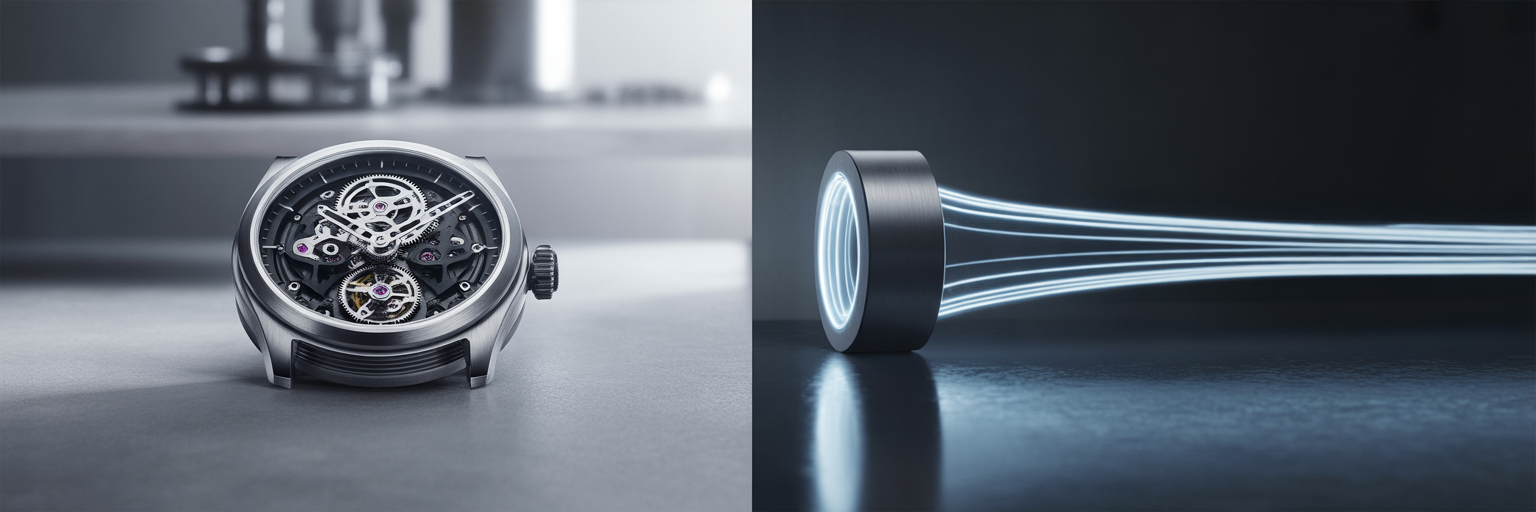
When discussing the fastest electric sedans on the market, the conversation inevitably turns to these two German titans. While they share a foundation, their approach to delivering power creates two very different experiences. The Taycan vs e-tron GT performance debate is less about which is faster and more about how they make you feel when you press the accelerator.
The 2026 Porsche Taycan lineup is a ladder of escalating intensity. It culminates in the Taycan Turbo S, a machine that unleashes up to 1034 horsepower with Overboost and Launch Control engaged. Its 0 to 60 mph times are not just fast for an EV, they challenge dedicated hypercars. This is acceleration as a physical event, a visceral surge that pins you to your seat with an almost shocking immediacy. It’s engineered for maximum sensation, a raw and unfiltered expression of electric power.
The 2026 Audi e-tron GT and its more potent sibling, the RS e-tron GT, are by no means slouches. With the RS model producing up to 925 horsepower in its boost mode, it delivers breathtaking speed. Yet, the character is entirely different. The Audi’s acceleration is best described as a smooth, relentless, jet like thrust. It’s an overwhelming wave of power delivered with a layer of refinement and composure that insulates you from the violence of the act. As a detailed performance analysis by Driving.ca highlights, while both are incredibly quick, the Taycan consistently maintains a slight edge in raw acceleration metrics, feeling just a bit more explosive off the line.
This difference is rooted in their technical philosophies. Porsche’s Launch Control is engineered for brutal, repeatable sprints, reflecting a track ready mindset. It’s designed to give you the perfect, most aggressive launch every single time. In contrast, Audi’s Boost Mode feels more like an on demand surge for confident overtaking on public roads. It provides a temporary burst of maximum power, perfect for merging onto a fast moving highway or passing slower traffic with authority. This distinction perfectly illustrates the core purpose of each car: one is a track weapon tamed for the street, the other is a high speed grand tourer with a wild side.
| Model / Trim | Peak Horsepower (Boost/Overboost) | 0-60 MPH (Est.) | Power Delivery Character |
|---|---|---|---|
| Audi e-tron GT (Base) | ~522 HP | ~3.9 sec | Smooth, linear, and refined thrust |
| Porsche Taycan (Base) | ~469 HP | ~4.5 sec | Responsive and eager, with a sporty feel |
| Audi RS e-tron GT | ~925 HP | ~2.7 sec | Effortless and overwhelmingly rapid |
| Porsche Taycan Turbo S | ~1034 HP | ~2.3 sec | Visceral, instantaneous, and aggressive surge |
Note: Horsepower and acceleration figures are based on 2026 model year estimates and can vary with final production specifications and optional packages. This table illustrates the performance hierarchy and the distinct character of power delivery for each model.
Mastering the Road: Handling, Agility, and Driving Feel
Moving beyond straight line speed reveals the true personalities of the Taycan and e-tron GT. How each car translates its immense power to the road is where the family resemblance fades and their individual characters shine. This is where the Porsche Taycan vs Audi e-tron GT debate gets truly interesting.
The key difference starts with the suspension. Porsche’s Active Ride system is an engineering marvel. It actively works to counteract body roll, keeping the car almost unnaturally flat through corners. This maximizes mechanical grip and provides the driver with an unfiltered, direct connection to the pavement. It feels like the car is pivoting around you. Audi’s adaptive air suspension, on the other hand, is tuned for a wider spectrum of character. In Comfort mode, it’s plush and forgiving, absorbing road imperfections with ease. Switched to Dynamic, it firms up significantly to provide confident control, but it always prioritizes a balance suitable for a grand tourer, never sacrificing composure for raw edge.
This philosophical split extends to the steering. The Taycan’s steering is a benchmark for electric vehicles. It is direct, wonderfully communicative, and perfectly weighted, transmitting every nuance of the road surface to your hands. You feel what the front tires are doing at all times. The e-tron GT employs a progressive steering rack that is lighter and easier for city driving but weights up predictably for high speed stability. It offers precision and confidence, but with a deliberate layer of isolation from minor road imperfections, reinforcing its role as a long distance cruiser.
Even though they share the same J1 chassis, the tuning tells two different stories. Porsche’s engineers obsessed over making the Taycan feel agile and eager to rotate, a car that feels light on its feet and almost dances through a series of corners. Audi’s tuning, conversely, emphasizes unshakable stability and predictability. The e-tron GT feels planted and secure, inspiring immense confidence at autobahn speeds. For those who enjoy these kinds of head to head analyses, you can find more in our vehicle comparisons section.
The driving modes in each car make these complex systems easy to manage:
- Porsche Modes (Normal, Sport, Sport Plus, Range): These settings create truly distinct personalities. Sport Plus transforms the Taycan, sharpening throttle response, stiffening the Porsche Active Ride suspension to its firmest setting, adding weight to the steering, and amplifying the Electric Sport Sound for a full sensory assault.
- Audi Modes (Efficiency, Comfort, Dynamic, Individual): These modes adjust the car for different scenarios. Dynamic mode firms up the air suspension and sharpens the throttle, but it always maintains a layer of grand touring composure. It’s the car’s most athletic self, but it never forgets its mission to be a comfortable, sophisticated machine.
The Cabin Experience: Sport-Focused Luxury Versus Modern Tech
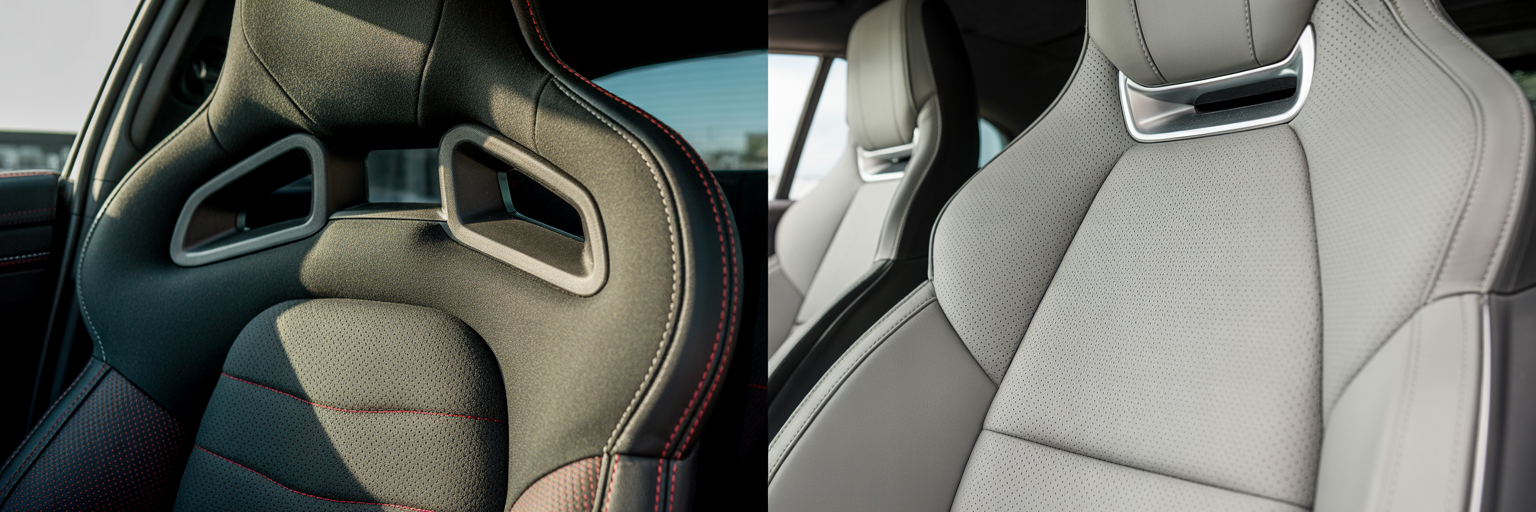
Stepping inside these two vehicles is like entering two different visions of the future. The cabin experience is where the contrast between Porsche’s sport focused ethos and Audi’s tech forward luxury becomes most apparent. One is a cockpit, the other is a lounge.
The 2026 Porsche Taycan greets you with a modern interpretation of a classic sports car interior. You sit low, enveloped by the cabin, with a steeply rising center console that creates a sense of separation and focus. The iconic curved driver’s display wraps around you, putting all critical information directly in your line of sight. It’s an environment designed to minimize distraction and maximize the connection between driver and machine. Material choices like optional Race-Tex and Alcantara reinforce this performance first identity, feeling purposeful and high quality to the touch.
Transitioning to the 2026 Audi e-tron GT, the atmosphere changes completely. Its interior is architectural, open, and airy. The dashboard’s strong horizontal lines create a sense of width and space, making the cabin feel expansive. The standard Audi Virtual Cockpit Plus and the driver angled MMI touch display are the centerpieces of a futuristic ambiance. Audi also places a strong emphasis on sustainable luxury, offering a stunning standard leather free interior made from recycled materials that feels both premium and progressive. It’s a statement about what modern luxury means.
Their user interface philosophies also differ. Porsche Communication Management (PCM) is a deep and feature rich system, offering extensive customization and the unique option of a passenger side screen, allowing your co pilot to assist with navigation or media. Audi’s MMI Touch Response system, however, might be more intuitive for new users. It operates much like a high end smartphone, with large, clear icons and satisfying haptic feedback that confirms your selections with a subtle click. For those wanting to learn more about the technology inside modern cars, our informative section offers further insights.
Finally, there’s the matter of practical comfort. The Taycan’s seats are more aggressively bolstered, designed to hold you firmly in place during high G cornering. They are excellent, but they are undeniably sport seats. The e-tron GT’s seats, by comparison, are engineered for an expert blend of support and long distance touring comfort. They are still supportive in spirited driving but are shaped for hours behind the wheel. The choice is clear: the Taycan offers a focused, intimate cabin for the dedicated driver, while the e-tron GT delivers a more relaxed, spacious, and technologically immersive environment for the modern luxury consumer.
Real-World Endurance: Range and Charging Efficiency
For all their performance and luxury, these are still electric vehicles, and practical considerations like range and charging are paramount. A 2026 Porsche Taycan review would be incomplete without addressing how far it can go on a charge and how quickly it can get back on the road.
Based on current estimates, the 2026 Taycan models are expected to offer an EPA estimated range of around 300 to 350 miles, depending on the specific trim and battery configuration. The 2026 Audi e-tron GT specs point to a slightly lower range, typically between 250 and 300 miles. As a trusted source like KBB.com often reports, these figures can vary significantly based on driving style, weather, and wheel choice. However, the Taycan generally holds a slight advantage in overall driving range.
The real story, however, is the shared 800-volt architecture. This technology is what makes both cars genuinely usable for long distance travel in the United States. At a 350kW DC fast charger, like those found on the Electrify America network, both cars can add over 150 miles of range in under 20 minutes. This dramatically reduces downtime on a road trip, turning a long wait into a quick stop.
Beyond just battery size, overall energy efficiency, measured in kilowatt hours per 100 miles (kWh/100 mi), plays a crucial role. The Taycan tends to be slightly more efficient, stretching more miles out of each kilowatt hour. This not only impacts the total cost of ownership but also how frequently you will need to visit a charger. This focus on efficiency is a critical metric across all vehicle types, from electric sedans to heavy duty pickups, as seen in our analysis of 2025 trucks. Both brands also offer robust ecosystems for charging. This includes powerful on board AC chargers for convenient overnight charging at home and sophisticated mobile apps, like the Porsche Charging Service and myAudi app, that help you locate and pay for public charging stations seamlessly.
Making the Choice: Your Guide to the Ultimate Electric Sedan
After dissecting the performance, handling, interiors, and practicalities, the choice between these two electric titans becomes a matter of personal philosophy. This luxury electric sedan comparison isn’t about finding a winner, but about identifying which car aligns with your desires as a driver and owner.
Let’s be clear about their core identities. The 2026 Porsche Taycan is the definitive driver’s EV. It is a four door sports car that happens to be electric, not the other way around. Its every component is tuned for engagement, feedback, and performance. The 2026 Audi e-tron GT is the consummate electric grand tourer. It is a design and technology flagship that happens to be incredibly fast, prioritizing comfort, style, and a serene driving experience.
Pricing reflects these priorities. The Taycan commands a higher entry price and its top trims can become significantly more expensive. This is the premium for accessing the absolute pinnacle of electric performance and the unmatched prestige of the Porsche crest. The e-tron GT, while still a premium vehicle, offers a compelling value proposition. It delivers a vast majority of the real world performance in a visually stunning package, often for a more accessible price point than its corporate cousin.
To make the decision easier, consider which of these profiles sounds more like you:
- The Ideal Taycan Buyer: You are a driving purist, perhaps a current or former 911 owner who appreciates telepathic steering and chassis feedback. You prioritize track capable performance and are willing to trade a small degree of ride comfort for a more raw and engaging experience. For you, the badge on the hood represents a promise of uncompromising dynamics. You are buying a Porsche first, and an EV second.
- The Ideal e-tron GT Buyer: You are a tech forward luxury consumer, drawn to cutting edge design and seamless technology. You want a car that makes a bold visual statement and is supremely comfortable for daily commutes and long journeys. Breathtaking speed is a must, but you prefer it delivered with composure rather than harshness. You are buying a futuristic luxury flagship that is also exceptionally quick.
Ultimately, the final choice between the Porsche Taycan vs Audi e-tron GT rests on your answer to one question: Is your passion found in the pure, unfiltered act of driving, or in the experience of arriving with speed, style, and futuristic comfort? Once you know that, your decision is made. For more automotive insights to help you on your journey, you can explore everything we have to offer at Carphanatics.com.