The New Balance of Power and Prudence
For decades, the roar of a sports car engine was synonymous with a voracious appetite for fuel. That thrilling sound often came with the quiet dread of watching the fuel gauge drop just as quickly as the speedometer climbed. Today, engineering advancements have rewritten that script, proving that exhilarating performance and intelligent economy can coexist.
The year 2025 marks a turning point where the desire for a spirited drive aligns with the practical realities of fuel costs and environmental awareness. We all feel it, that internal debate between the heart that wants a responsive, engaging machine and the mind that calculates the cost of every trip. This article is for the enthusiast who refuses to compromise, demonstrating that the term economical performance cars is no longer a contradiction.
Modern automotive design has moved beyond the simple equation of big engines for big power. Through smarter technology, carmakers are delivering machines that are both exciting on a winding road and sensible at the pump. We will explore a few standout models, from a reimagined American icon to agile Japanese coupes, that perfectly capture this new balance of power and prudence.
Defining the Efficient Performance Category

Before we highlight specific models, it is important to establish what we mean by an efficient performance car. The term “sports car” itself can be subjective, but for our purposes, it points to vehicles with a clear driver-centric design. This includes attributes like a strong power-to-weight ratio, rear-wheel or performance-focused all-wheel drive, and a cockpit that connects the driver to the road.
So, what makes one of these cars “fuel-efficient” in 2025? While a typical family sedan might easily surpass 30 miles per gallon, a combined MPG rating above 24 is genuinely impressive for a vehicle engineered for spirited driving. The combined MPG figure, a weighted average calculated by the EPA, gives a balanced view of a car’s consumption. For those curious about the methodology, the EPA’s guide on fuel economy testing offers a detailed explanation.
This impressive blend of performance and efficiency is not accidental. It is the result of deliberate engineering choices that serve dual purposes. These technologies work together to create a car that is both thrilling to drive and less demanding on your wallet.
| Technology | Impact on Performance | Contribution to Fuel Efficiency |
|---|---|---|
| Engine Downsizing & Turbocharging | Provides high power output from a smaller displacement | Reduces fuel consumption during low-load cruising |
| Advanced Automatic Transmissions | Enables rapid gear shifts for acceleration | Keeps the engine in its most efficient RPM range |
| Lightweight Materials (Aluminum/Composites) | Improves handling, acceleration, and braking | Reduces the energy required to move the vehicle |
| Active Aerodynamics | Increases downforce for better stability at speed | Reduces drag to minimize fuel use on highways |
Note: This table illustrates how modern automotive technologies serve the dual purpose of enhancing the driving experience while simultaneously improving fuel economy.
Of course, there are still trade-offs. Choosing a turbocharged four-cylinder engine over a traditional V8 might mean sacrificing a classic engine note for smarter performance. Yet, as the following cars demonstrate, this compromise no longer means giving up the fun.
The American Icon Reimagined: Ford Mustang EcoBoost
The Ford Mustang has long been the poster child for American muscle, a symbol of open roads and V8 power. The 2025 Mustang EcoBoost, however, proves that this icon can adapt without losing its soul. It stands as a prime example of a modern performance car that respects both its heritage and the demands of today’s driver. At its heart is a potent 2.3-liter turbocharged engine producing 315 horsepower, a figure that firmly dismisses any notion of this being a mere “base model.”
This is a machine built for genuine performance, yet its efficiency is just as compelling. The official 2025 Ford Mustang mpg is an impressive 26 MPG combined when paired with the advanced 10-speed automatic transmission. This gearbox is the secret to its dual personality, capable of delivering sharp, quick shifts during spirited driving while keeping the engine in its most efficient range during a relaxed cruise. It is a far cry from the gas-guzzling automatics of the past.
But the experience goes well beyond the powertrain. The latest Mustang features a balanced chassis and a sophisticated independent rear suspension, giving it an agility that defies old muscle car stereotypes. Inside, the driver-focused cockpit with its large digital displays feels thoroughly modern, putting all essential information right where you need it. This thoughtful design reinforces its identity as a true sports car. The EcoBoost model successfully adapts the classic muscle cars formula for a new generation, continuing a legacy of accessible performance. As a flagship model for Ford, it shows the brand’s commitment to evolving its most beloved nameplates.
The Agile Twins: Toyota GR86 and Subaru BRZ
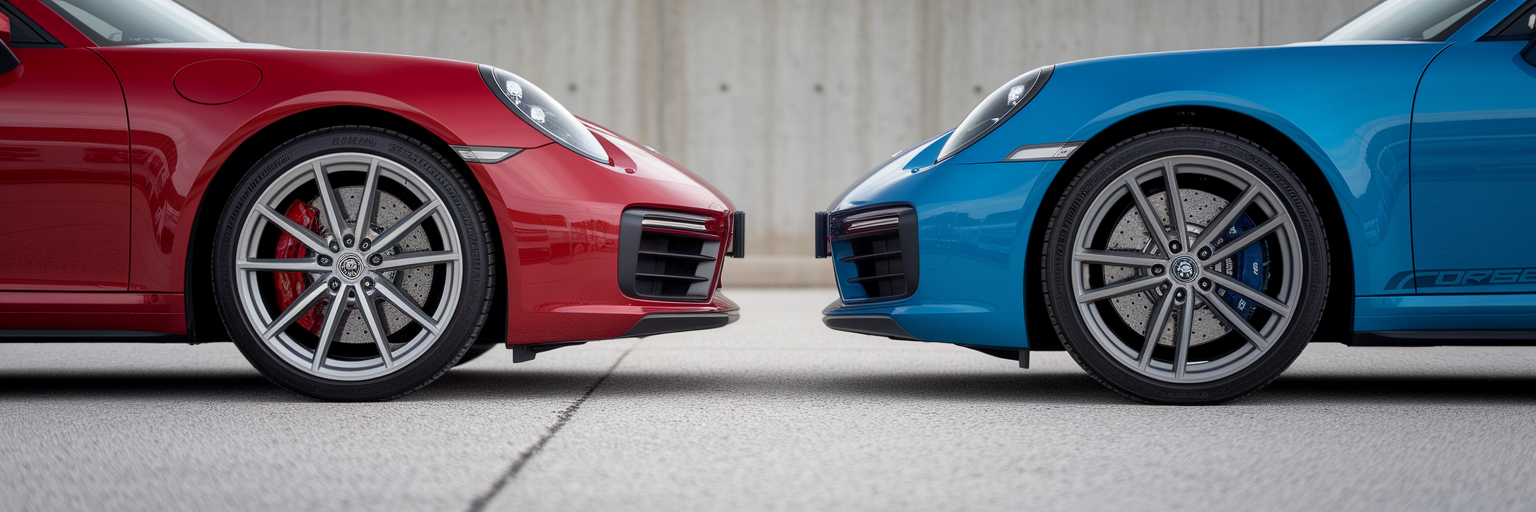
In a world of increasing horsepower and complexity, the Toyota GR86 and Subaru BRZ represent a refreshingly pure approach to the sports car. Treated as a single entry due to their shared platform and philosophy, these twins are the purist’s choice. Their appeal is not rooted in raw power but in an unfiltered, engaging driving experience defined by light weight, impeccable balance, and direct feedback.
Both cars are powered by a 2.4-liter, 228-horsepower boxer engine. While that number may not sound massive on paper, it is the perfect partner for their low curb weight. This is the core of their magic. Instead of using brute force to generate speed, they rely on agility and a chassis that communicates every detail of the road. The result is a car that feels alive and responsive, rewarding precise inputs and making every corner an event.
This “less is more” engineering philosophy also yields impressive efficiency. According to data compiled by U.S. News & World Report, the 2025 Subaru BRZ achieves a notable 25 MPG combined with its automatic transmission. The Toyota GR86 fuel economy is nearly identical at 24 MPG combined. This efficiency is a natural byproduct of their lightweight design, not the result of complex turbochargers or hybrid systems. Where the Mustang offers turbocharged power and road presence, the GR86 and BRZ deliver a nimble, corner-carving experience that is deeply satisfying. For drivers who prioritize handling and engagement, they are among the best mpg sports cars available.
The Practical Performer: Volkswagen GTI
For the driver who needs one car to do it all, the Volkswagen GTI has been the definitive answer for decades. It is the original “hot hatch,” a car that seamlessly blends the fun of a sports car with the utility of a daily driver. The GTI is the solution for someone who needs to handle a weekday commute, grocery runs, and a spirited weekend drive without ever feeling like they are in the wrong vehicle.
Its performance credentials are well established. A responsive turbocharged engine, paired with a chassis known for its sharp handling and composure, delivers a driving experience that consistently punches above its weight. Yet, it does so with remarkable efficiency. The Volkswagen GTI mpg is an impressive 27 MPG combined, making it one of the most economical options in this guide. This allows you to enjoy its dynamic capabilities without the constant worry of fuel costs.
The GTI’s true genius, however, lies in its practicality. The hatchback design offers a level of cargo space and versatility that traditional coupes like the Mustang and GR86 simply cannot match. Fold the rear seats down, and you have a surprisingly cavernous area for luggage, sports equipment, or even a trip to the hardware store. This unique combination of performance, efficiency, and utility makes the GTI the ultimate “do-it-all” champion, proving that an exciting drive does not require sacrificing everyday usability.
Choosing Your Efficient Thrill

The idea of a fuel-efficient sports car is no longer a fantasy. As we have seen, modern engineering offers enthusiasts a variety of flavors, each delivering a unique blend of excitement and economy. The best choice depends entirely on what you value most in a driving experience. Your decision comes down to a simple question: what kind of thrill are you looking for?
To help you decide, here is a quick summary of the distinct personalities we have explored:
- Ford Mustang EcoBoost: For those who want iconic American style combined with modern turbocharged power and surprising efficiency.
- Toyota GR86/Subaru BRZ: For the purist seeking a pure, lightweight driving experience where handling and agility are paramount.
- Volkswagen GTI: For the pragmatist who needs the ultimate blend of daily practicality and engaging performance in one package.
The list of fuel efficient sports cars 2025 proves that you do not have to choose between fun and sensibility. For those prioritizing maximum MPG, even sporty compacts like the models offered by Honda can deliver an engaging drive while achieving up to 36 MPG combined. While not pure sports cars, they represent excellent alternatives. Ultimately, the best way to find your perfect match is to get behind the wheel. We encourage you to test drive these models and experience firsthand how performance and efficiency now go hand in hand. For more reviews and automotive news, explore everything on CarPhanatics.