What Defines a Quality Budget All-Season Tire
Beyond the cost of fuel, tire replacement is one of the most significant recurring expenses for most drivers. This makes choosing the right set a critical financial decision. All-season tires have long been the versatile, ‘jack-of-all-trades’ solution for climates with mixed weather, capably handling dry roads, rain, and light snow without the hassle of seasonal swaps. But for 2025, the term ‘budget-friendly’ is about value, not just a low price tag.
The best budget all season tires successfully merge affordability with non-negotiable safety features. This means you get reliable braking, predictable handling, and a respectable tread life without the premium cost. Our selections are based on a careful balance of price, treadwear ratings (UTQG), wet and dry performance, and overall long-term value.
It is important to set clear expectations from the start. These tires represent a trade-off. While they are excellent for daily driving and commuting, they will not deliver the razor-sharp cornering of a high-performance summer tire or the whisper-quiet ride of a luxury touring model. They are designed to be competent generalists, providing a safe and economical solution for the majority of drivers. Understanding this balance is the first step to making a smart purchase.
Budget vs. Premium All-Season Tires: Key Trade-Offs
| Factor | Budget All-Season Tires | Premium All-Season Tires |
|---|---|---|
| Upfront Cost | Lower initial investment | Significantly higher price point |
| Tread Life | Good (40,000-60,000 miles) | Excellent (60,000-90,000+ miles) |
| Peak Performance | Reliable for daily driving | Superior grip, handling, and braking |
| Ride Comfort | Generally good, can be firmer/noisier | Optimized for quietness and smoothness |
| Specialized Conditions | Adequate in light snow and rain | Advanced technology for extreme wet or cold |
1. Accelera Eco Plush: For the Fuel-Conscious Commuter
The Accelera Eco Plush is designed with a singular focus: maximizing fuel efficiency and ride comfort. This makes it the immediate top choice for drivers with long daily commutes or anyone looking to reduce their running costs. Its core strength lies in a specialized low rolling resistance design. In simple terms, the tire’s construction and compound require less energy to move the car forward, which directly translates to better fuel economy over the life of the tire.
Beyond the savings at the pump, its secondary benefit is a surprisingly quiet and smooth ride. The tread is engineered to minimize road noise, making it an excellent companion for long highway journeys and stop-and-go city traffic. You feel less of the road’s imperfections, which reduces driver fatigue.
However, it is important to understand its purpose. The Eco Plush is not built for aggressive cornering or high-performance handling. Its strengths are in straight-line stability and comfort. This makes it best suited for standard passenger cars like the first-generation Honda Accord and drivers with a relaxed, predictable style. If your priority is saving money on fuel while enjoying a peaceful commute, this tire delivers exceptional value.
2. Delinte DH2: For Sporty Performance on a Budget
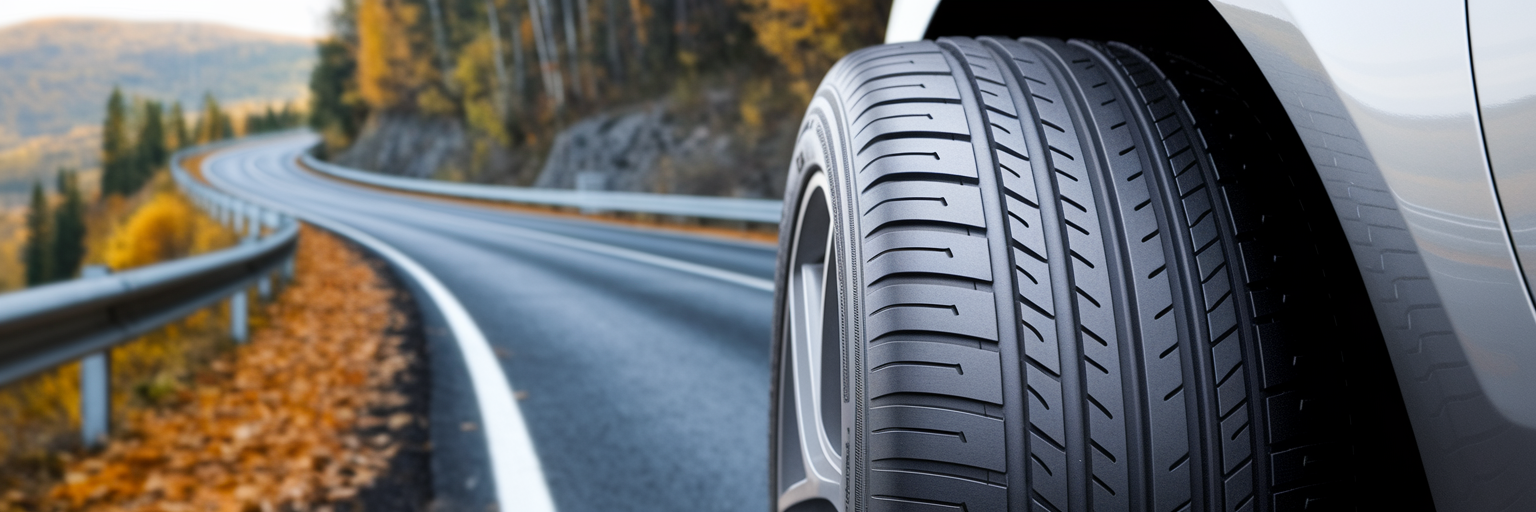
For drivers who believe a tight budget should not mean a boring drive, the Delinte DH2 is the clear answer. This tire is engineered for those who want an engaging experience and a more connected feel to the road without paying for a premium performance brand. Its unique selling point is a distinctly sporty character that sets it apart from comfort-focused alternatives.
This responsive feel comes from specific design choices. The DH2 features an aggressive tread pattern with large, stable shoulder blocks designed for enhanced grip and steering response, particularly on dry and damp roads. When you turn the wheel, the tire reacts with more immediacy, providing superior stability in corners compared to a tire like the Accelera Eco Plush. It gives you the confidence to navigate winding roads with more precision.
Of course, this focus on performance comes with trade-offs. The ride may feel slightly firmer, and you might hear more road noise. Its tread life may also be shorter than a tire built purely for longevity. But for the driver of a sedan or coupe who enjoys the act of driving, the Delinte DH2 offers a dynamic experience that is hard to find at this price point.
3. Zeetex ZT3000: For All-Around Reliability
The Zeetex ZT3000 is the dependable workhorse of this list. Its defining characteristic is not a single standout feature, but rather solid competence across every important metric. Think of it as the ‘fit and forget’ solution for the practical driver who values predictability and safety above all else. It does everything well without needing to be the best at any one thing.
This tire delivers a balanced mix of durability, reliable traction in both wet and dry conditions, and safe, predictable handling for everyday use. It will not surprise you with sudden losses of grip or unpredictable behavior. This consistency is why many all season tire reviews praise it for its straightforward reliability. It is designed to get you from point A to point B safely, day in and day out, without any drama.
The ideal user is the owner of a family sedan or daily commuter who simply wants a tire that works. They are not looking for sporty feedback or ultimate fuel savings, just a product they can trust. It is a trustworthy choice for family sedans from brands like Ford and daily commuters who need a no-frills, dependable tire that offers peace of mind.
4. Rotalla RA03: For Superior Wet Weather Safety

The Rotalla RA03 establishes its identity with one standout strength: exceptional performance in wet conditions. In regions where heavy rain is a frequent concern, this tire provides an extra margin of safety that is hard to ignore. Its entire design philosophy is built around managing water effectively and maintaining grip when the road is slick.
The key to its performance lies in the tread pattern. The RA03 features four wide, circumferential grooves that act as channels to efficiently evacuate water from beneath the tire’s contact patch. This function is critical for reducing the risk of hydroplaning, a dangerous situation where the tire loses contact with the road surface by riding on a layer of water. By keeping the rubber firmly planted on the pavement, it ensures confident braking and stable handling on rain-soaked roads.
While its main purpose is wet traction, the Rotalla RA03 remains a competent all-season tire. It provides effective handling and braking on dry pavement, making it a well-rounded choice. However, if you live in a climate with frequent downpours, its specialized ability to handle wet roads makes it a top contender for anyone prioritizing safety in adverse weather.
5. Nankang All Season AW-6: For Better Light Winter Capability
Among the cheap all season tires for 2025, the Nankang All Season AW-6 carves out a specific niche. It offers a distinct advantage in colder weather and light snow, making it a specialized option for certain climates. This tire bridges the gap between a standard all-season model and a dedicated winter tire, providing extra confidence when temperatures drop.
Its enhanced cold-weather performance comes from two key technologies. First, its tread compound is formulated to stay more pliable at lower temperatures, preventing the rubber from hardening and losing grip. Second, it features a dense pattern of sipes, which are tiny slits in the tread blocks. These sipes create thousands of extra ‘biting edges’ that improve traction on light snow and slush.
It is crucial to manage expectations here. The AW-6 is ideal for regions with mild winters that see occasional, light snowfall. It’s a popular choice for crossovers and SUVs like the Jeep Grand Cherokee in those climates. However, it is absolutely not a substitute for a proper winter tire in areas that experience heavy snow, ice, or prolonged freezing conditions. For those specific situations, only a dedicated winter tire can provide adequate safety.
How to Choose the Right Budget Tire for You
With these options in mind, the next step is figuring out how to choose car tires that best fit your specific situation. The best tire on paper is not always the best tire for you. Follow these steps to make an informed decision.
- Assess Your Driving Style and Priorities: Be honest with yourself. Are you a relaxed commuter who values a quiet ride and fuel savings, pointing you toward the Accelera Eco Plush? Or do you enjoy a more spirited drive and responsive handling, making the Delinte DH2 a better fit? Your daily habits are the most important factor.
- Match Your Vehicle Type: A tire’s design is optimized for certain vehicles. A compact car has different needs than an SUV or one of the popular modern trucks. Always check the sticker on your driver-side door jamb or your owner’s manual for the correct size, load index, and speed rating required for your vehicle.
- Consider Your Local Climate: Think about the weather you drive in most often. If your area sees frequent heavy rainfall, the wet-weather focus of the Rotalla RA03 is a major safety benefit. If you face occasional light snow, the Nankang AW-6 offers an edge in winter grip.
- Demystify Tire Specifications: Look at the Uniform Tire Quality Grading (UTQG) on the tire’s sidewall. This gives you a standardized way to compare Treadwear, Traction (AA, A, B, C), and Temperature (A, B, C). A higher treadwear number suggests a longer life, while a traction rating of ‘A’ or ‘AA’ is ideal. As noted by Car Talk in their 2025 tire guide, understanding these sidewall markings is key to making an informed choice.
Knowing the Limits of Budget All-Season Tires
Choosing affordable car tires is a smart financial move for millions of drivers, but it is essential to understand their limitations. First, there are times when investing more is justified. If you drive a high-performance vehicle or demand the absolute shortest braking distances and maximum cornering grip, a premium tire is a worthwhile safety and performance investment.
Second, and most importantly, is winter safety. We must be firm on this point: no all-season tire can replace a dedicated winter tire in severe snow or icy conditions. The unique rubber compounds and tread designs of winter tires are non-negotiable for safety in harsh winter climates.
Finally, consider long-term value. Some premium tires, despite a higher upfront cost, may offer significantly longer tread life, which could result in a lower cost-per-mile over time. A worn tire not only loses performance but can also be the reason why your car is squeaking when you drive. Ultimately, the best budget all season tires are an excellent and safe choice for the vast majority of drivers, as long as the decision is guided by your specific needs, vehicle, and local weather.