Improving fuel efficiency in older vehicles is an achievable goal that can save you money and prolong the lifespan of your car. Older cars, while reliable, typically suffer from declining fuel economy due to wear and tear, outdated components, and less efficient technology. However, with a combination of regular maintenance, smart driving habits, and carefully selected upgrades, you can significantly boost your vehicle’s performance and reduce fuel consumption.
Regular Maintenance Practices to Boost Fuel Efficiency in Older Vehicles
One of the simplest yet most effective ways to enhance fuel efficiency in older vehicles is through regular and consistent maintenance. Keeping your vehicle in peak operating condition ensures that it runs smoothly and uses fuel optimally. Here are essential maintenance practices:
- Regular Tire Pressure Checks: Maintaining proper tire pressure prevents unnecessary drag on your vehicle. Underinflated tires can reduce fuel efficiency dramatically. Check tire pressure monthly and inflate them according to your car manufacturer’s recommendations.
- Frequent Oil Changes: Fresh engine oil reduces friction between moving engine parts, allowing the engine to run more efficiently. Older vehicles especially benefit from regular oil changes—typically every 3,000 to 5,000 miles—to maintain optimal engine performance.
- Routine Engine Checks: Regular engine tune-ups can identify and correct minor issues such as dirty spark plugs, clogged fuel injectors, or worn belts, all of which negatively impact fuel economy.
Using Fuel Additives to Improve Fuel Efficiency in Older Vehicles
Fuel additives can be a beneficial supplement to regular car maintenance, particularly in older vehicles. These additives, when used correctly, can help clean the fuel system, reduce emissions, and enhance combustion efficiency.
- Injector Cleaners: These additives remove deposits from fuel injectors, promoting better fuel atomization and combustion.
- Fuel Stabilizers: Useful for vehicles not driven regularly, these additives help keep fuel fresh, preventing gum and varnish buildup.
- Octane Boosters: They can raise the octane level of the fuel, improving combustion in high-performance older engines, thus marginally enhancing fuel efficiency.
However, it is essential to choose quality additives and follow manufacturer instructions closely to avoid damaging your engine or catalytic converter. Always consult your vehicle’s manual or a trusted mechanic before selecting and using fuel additives.
Impact of Driving Behavior on Fuel Efficiency in Older Vehicles

Your driving habits significantly influence your vehicle’s fuel economy. Even the most well-maintained older vehicle will consume excessive fuel if driven aggressively or carelessly. Here are some key driving tips:
- Smooth Acceleration and Braking: Rapid acceleration and hard braking drastically reduce fuel efficiency. Smooth and gradual acceleration and braking conserve fuel and reduce wear on brakes and tires.
- Maintain Steady Speeds: Consistent speeds, especially on highways, improve fuel efficiency. Using cruise control on long drives helps maintain optimal speeds and reduces fuel consumption.
- Minimize Idling: Extended idling wastes fuel and contributes to unnecessary engine wear. Turn off your engine if you anticipate idling for more than a minute.
Upgrading Parts to Enhance Fuel Efficiency in Older Vehicles
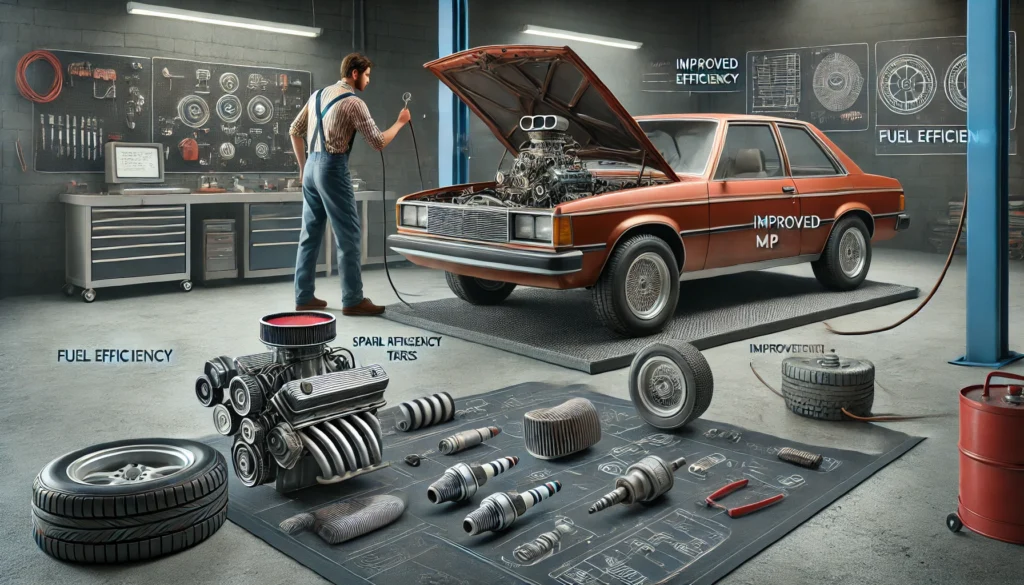
Upgrading certain components of your older vehicle can significantly enhance fuel efficiency. While these upgrades involve initial costs, they typically pay for themselves over time through fuel savings.
- Air Filters: Replacing a clogged air filter enhances fuel efficiency by ensuring a proper air-fuel mixture and optimal combustion. A clean air filter can improve fuel economy by up to 10%.
- Spark Plugs: High-quality spark plugs ensure efficient combustion, optimizing fuel use. Worn or dirty spark plugs reduce engine efficiency, leading to increased fuel consumption.
- Fuel Injectors: Upgrading or professionally cleaning fuel injectors ensures accurate fuel delivery, improving combustion and efficiency.
Before investing in upgrades, evaluate the age and condition of your vehicle. In older cars with limited remaining lifespan, significant investments might not be cost-effective. However, affordable upgrades like spark plugs and air filters typically prove economically beneficial even in older, high-mileage vehicles.
Evaluating the Cost-Effectiveness of Fuel Efficiency Upgrades
When deciding on upgrades, consider the following factors to assess their cost-effectiveness:
- Vehicle’s Remaining Lifespan: If your vehicle is nearing the end of its practical life, large investments may not be justified. Focus instead on low-cost maintenance and minor upgrades.
- Cost vs. Savings: Calculate the estimated fuel savings against the cost of upgrades. For example, replacing spark plugs or air filters is affordable and yields noticeable improvements, making it a wise investment.
Additional Tips for Maximizing Fuel Efficiency in Older Vehicles
Beyond maintenance and upgrades, several additional practices can further enhance your vehicle’s fuel economy:
- Reduce Vehicle Weight: Remove unnecessary items from your vehicle. Extra weight increases fuel consumption, particularly during acceleration and climbing hills.
- Aerodynamics Matter: Removing roof racks or carriers when not in use reduces aerodynamic drag, significantly improving fuel efficiency at highway speeds.
By consistently applying these strategies, you can effectively enhance fuel efficiency in older vehicles, saving money and extending your car’s life. Regular maintenance, careful driving, and thoughtful upgrades combine to deliver noticeable improvements, making your older vehicle not only more economical but also more environmentally friendly.