Choosing the Right Minivan for Your Family in 2026
The minivan has long been the unsung hero of American family life. It’s more than just a vehicle; it’s a mobile command center, a rolling living room, and the vessel for countless memories, from chaotic school runs to ambitious summer road trips. In this space, two names consistently dominate the conversation: the Toyota Sienna and the Honda Odyssey. For decades, these titans have battled for the top spot in driveways across the country.
For 2026, the choice between them is clearer than ever, defined by two opposing philosophies. The Toyota Sienna stands as the modern, efficiency-focused option. With a standard hybrid powertrain, it’s built for the family that watches its fuel budget and values a smaller environmental footprint. It represents a forward-thinking approach to family transportation.
On the other side is the Honda Odyssey, the champion of traditional minivan virtues. It doubles down on what made minivans essential in the first place: cavernous space, unmatched flexibility, and the reassuring, familiar power of a V6 engine. It’s the practical workhorse, designed to handle everything a family can throw at it, and then some.
This guide cuts through the marketing noise to deliver a practical verdict on the Toyota Sienna vs Honda Odyssey debate. We will address the questions that keep parents up at night. How can you manage rising gas prices? Who really fits in the third row? Which vehicle is the smarter long-term investment? Just as families compare SUVs like the RAV4 and Model Y, a deep dive into the minivan segment is crucial, and we’re here to provide that clarity. Today’s families expect advanced safety tech, seamless connectivity, and clever storage solutions as standard, making the decision for the best family minivan 2026 more complex than ever.
Fuel Economy and Powertrain: The Hybrid Revolution vs. V6 Power
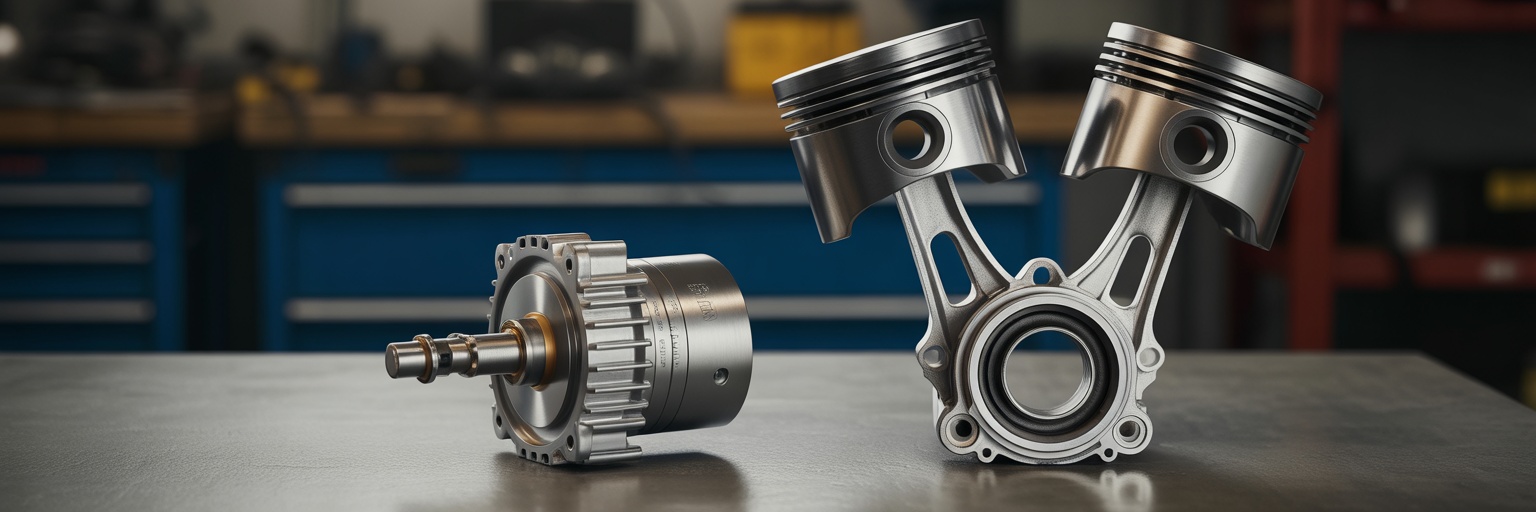
The most fundamental difference between these two minivans lies under the hood, and it directly impacts your wallet. The 2026 Toyota Sienna comes exclusively with a hybrid powertrain. This isn’t an optional upgrade; it’s the core of the vehicle’s identity. The Sienna hybrid fuel economy is its headline feature, and for good reason. The 2026 Toyota Sienna boasts an impressive EPA-estimated 36 mpg combined, a figure that starkly contrasts with the Honda Odyssey’s 22 mpg combined, according to data compiled by sources like Car and Driver.
What does that mean in the real world? Let’s do the math. Assuming you drive 15,000 miles a year with gas at $3.50 per gallon, the Sienna would cost you approximately $1,458 in fuel. The Odyssey, over the same distance, would cost around $2,386. That’s a savings of over $900 every single year, money that could go toward a family vacation, sports fees, or college funds. This focus on efficiency is not just for minivans; many buyers are also exploring options among the best hybrid SUVs under $35k to manage their fuel budgets.
In the other corner, the Honda Odyssey sticks with its tried-and-true 3.5-liter V6 engine. This is the traditionalist’s choice, delivering smooth, confident power that drivers have trusted for years. Merging onto a busy highway feels effortless, and the engine operates with a quiet competence that is deeply reassuring. It’s a familiar and proven workhorse, but that performance comes at the cost of frequent stops at the gas station. The V6 is for the driver who values that surge of acceleration and is willing to pay for it.
The Sienna has another ace up its sleeve: available All-Wheel Drive (AWD). For any family living in the Snowbelt or dealing with slick, rainy roads, this is a massive advantage. It provides an extra layer of confidence and safety that the front-wheel-drive-only Odyssey simply cannot match. The verdict here is straightforward. If your top priority is minimizing running costs and you want the security of AWD, the Sienna is the undisputed winner. The Odyssey’s V6 is for those who prioritize classic engine performance above all else.
Interior Space and Cargo: Hauling Flexibility
A minivan’s primary mission is to haul people and their stuff, and how it accomplishes that mission is a major point of separation between the Sienna and Odyssey. The differences are most apparent in the second row and in the vehicle’s ultimate cargo-carrying ability.
The Second-Row Seating Dilemma
The Honda Odyssey’s Magic Slide® second-row seats are its signature feature. These seats can slide side-to-side, not just forward and back. This allows you to create a wide pathway to the third row, making it easier to buckle in a child without contorting your body. You can also push the seats apart to separate bickering siblings or slide one to the center to put a child within easy reach of the front passenger. Most importantly, these seats are fully removable. This transforms the Odyssey from a people-hauler into a legitimate cargo van. You can lay 4×8 sheets of plywood flat on the floor, a feat that makes it a true weekend warrior for trips to the hardware store.
The Toyota Sienna takes a different approach. Its second-row captain’s chairs are designed for comfort, offering a luxurious long-slide feature that creates limousine-like legroom. Top trims even include built-in ottomans. However, there is a critical limitation: the second-row seats are not removable. Due to integrated side airbags, they are fixed in the vehicle. This is a fundamental drawback for any family that needs the ability to haul large, bulky items.
Maximum Cargo Capacity
The inability to remove the Sienna’s seats has a direct impact on its total cargo volume. While both vans offer generous space, the Odyssey’s flexibility gives it a significant edge in maximum capacity. That extra volume isn’t just a number on a spec sheet; it’s the practical difference between fitting that last suitcase and the cooler inside or having to leave something behind on a family trip. This level of versatility brings the Odyssey closer to the utility offered by some trucks, a category many families also consider for their hauling needs.
| Feature | Honda Odyssey | Toyota Sienna |
|---|---|---|
| Second-Row Removability | Yes, fully removable | No, seats are fixed |
| Max Cargo Volume (Behind 1st Row) | ~144.9 cu. ft. | ~101.0 cu. ft. |
| Cargo Volume (Behind 2nd Row) | ~89.2 cu. ft. | ~75.2 cu. ft. |
| Cargo Volume (Behind 3rd Row) | ~32.8 cu. ft. | ~33.5 cu. ft. |
Note: Cargo volume figures are based on typical measurements for recent model years and may vary slightly for 2026 models. The key takeaway is the significant difference in maximum cargo capacity due to the Odyssey’s removable second-row seats.
Transforming the Space
Both minivans feature third-row seats that fold neatly into the floor, creating a flat load surface with minimal effort. The mechanisms are well-engineered and easy for one person to operate. However, the ultimate verdict on space is clear. For families who prioritize maximum flexibility, whether for home improvement projects, moving a college student into a dorm, or simply hauling the most gear possible, the Honda Odyssey’s removable seats give it a decisive and undeniable advantage.
Passenger Comfort Across All Three Rows
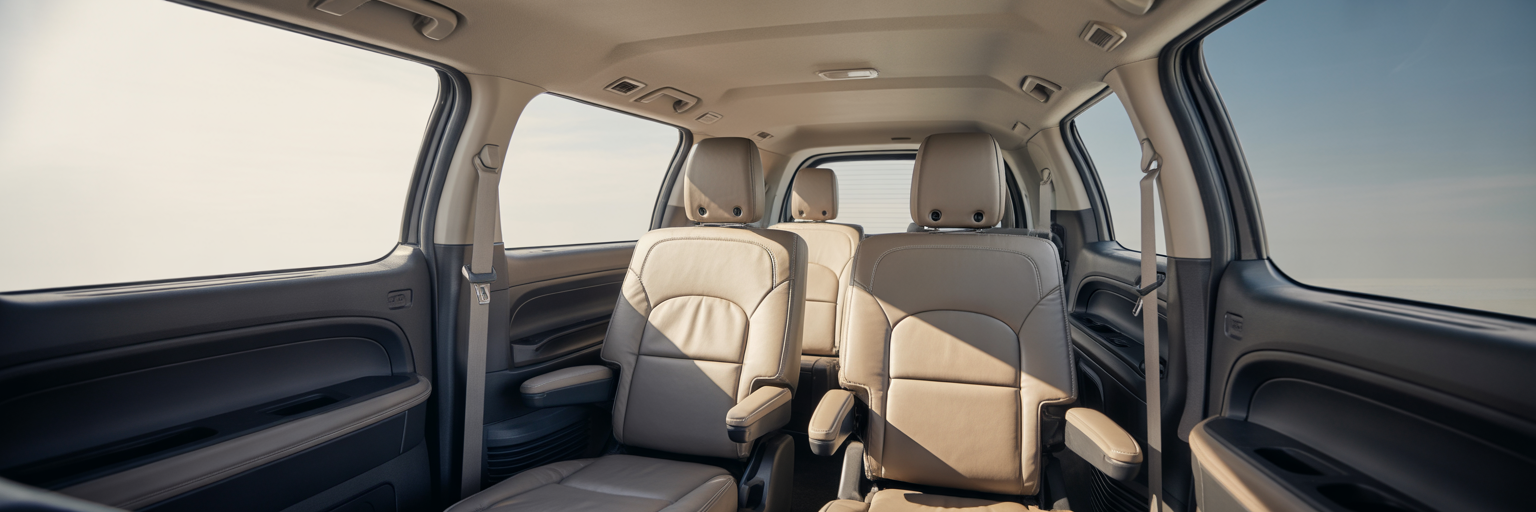
Beyond just the raw numbers of cubic feet, the quality of the passenger experience is what defines a great family vehicle. Here, the Sienna and Odyssey cater to slightly different priorities, especially when you look past the driver’s seat.
The third row is often the penalty box in three-row vehicles, but a good minivan makes it a genuinely usable space. The Odyssey third row space is widely considered the best in the business. It’s not just about legroom; the seat cushion is higher off the floor, allowing adults and taller teenagers to sit in a more natural position without their knees pushed up toward their chest. On a multi-hour road trip, this makes a world of difference in comfort.
In the second row, the story shifts. The Toyota Sienna’s long-slide captain’s chairs with available ottomans create a near-luxury experience. For two passengers, it feels like flying business class. You can slide the seats all the way back, kick up your feet, and relax in exceptional comfort. This is the Sienna’s comfort sweet spot. The Odyssey’s Magic Slide seats, while incredibly versatile for managing passengers and cargo, are more utilitarian in their design. They are comfortable, but they don’t offer the same level of plush, reclining luxury as the Sienna’s best seats.
It’s often the small things that prevent arguments on a long drive. A close look at passenger amenities reveals how each van caters to a full house:
- USB Ports: Both vans are typically generous with charging ports, but the Odyssey often has a slight edge in placement, ensuring everyone in the third row has easy access.
- Air Vents: Both provide dedicated rear air vents, a must-have for keeping all passengers comfortable, but the Odyssey’s are often praised for their effective coverage of the entire rear cabin.
- Sunshades: Integrated window sunshades for the second and third rows are available on both and are a non-negotiable feature for parents with young children.
- Cupholders and Storage: Both vehicles are littered with thoughtful storage nooks and cupholders, a testament to designers who clearly have families of their own.
The verdict on comfort is nuanced. If your daily reality involves chauffeuring one or two passengers in the second row, the Sienna offers a more premium and relaxing ride for them. However, if you regularly fill every seat, the Honda Odyssey provides a more consistently spacious and comfortable environment for a full load of seven or eight people, especially for those relegated to the way back.
Essential Family-Friendly Tech and Conveniences
The best family minivan isn’t just about space; it’s about clever features that reduce the stress of daily parenting. This is where thoughtful engineering can make a huge difference, and one feature in particular creates a major divide between the Sienna and Odyssey.
For any parent of young children, the ability to see what’s happening in the back seats without turning around is invaluable. Honda’s CabinWatch® system uses an infrared camera mounted on the ceiling to display a clear, wide-angle view of the second and third rows on the main infotainment screen. Crucially, because it’s infrared, it works perfectly even in complete darkness, allowing you to check on a sleeping infant at night. It can be paired with CabinTalk®, which lets you speak to rear passengers through their connected headphones or the rear speakers. In contrast, Toyota’s Driver Easy Speak is only an audio system; it amplifies the driver’s voice but offers no visual. The lack of a camera in the Sienna is a significant miss for parents who need to monitor toddlers and infants safely.
Up front, storage design also shows different philosophies. The Sienna features a unique “bridge” console. This elevated design creates a large, open pass-through area underneath, perfectly sized for a purse, small backpack, or a takeout bag. It’s a clever use of space that keeps essential items accessible but out of the way. The Odyssey uses a more conventional, but absolutely massive, center console with a rolling cover. It can swallow an entire purse and much more, prioritizing sheer volume over the Sienna’s open layout.
Other small but impactful features make life easier:
- Hands-Free Access: Both models offer hands-free power sliding doors and rear liftgates, a lifesaver when your arms are full of groceries or a squirming toddler. A simple kick under the bumper is all it takes.
- Unique Gadgets: The Sienna has offered an available onboard refrigerator in its center console, perfect for keeping drinks and snacks cool on a road trip. The Odyssey has long been famous for its integrated HondaVAC vacuum cleaner, a brilliant tool for cleaning up the inevitable crumbs and dirt that come with kids.
While both minivans are packed with thoughtful touches, the Honda Odyssey gets the win in this category. The superiority of the CabinWatch camera system directly addresses a core anxiety for parents of young children, making it the more family-centric and reassuring choice for daily use.
Infotainment and Connectivity for the Modern Family

In 2026, a minivan’s screens and software are nearly as important as its engine. A good infotainment system should be a helpful co-pilot, not a source of frustration. Both the Sienna and Odyssey come equipped with modern touchscreens, but their user experience differs.
The central touchscreens in both vehicles are bright and responsive, but the Odyssey’s system is often praised for its simpler menu structure. With large, clear icons and a more intuitive layout, it’s generally easier to perform common tasks like changing a radio station or adjusting navigation with a quick glance. This is a critical safety factor, as it minimizes the time the driver’s eyes are off the road.
As expected, both vans come standard with Apple CarPlay and Android Auto, turning the main screen into a familiar extension of your smartphone. The stability of these connections is solid in both, with wireless capability becoming more common across trim levels. A key battleground for family harmony is the availability of charging ports. Both vans are typically well-equipped, but it’s worth checking the specific trim you’re considering for the number and type of ports. The transition to USB-C is ongoing, and having a mix of both USB-A and USB-C ports is ideal for accommodating older and newer devices.
For keeping the peace on long journeys, a rear-seat entertainment system is a powerful tool. Both the Sienna and Odyssey offer large, flip-down screens. When comparing them, look beyond just the screen size. Check the resolution and brightness, as a dim, low-res screen won’t impress kids used to high-definition tablets. More importantly, check the inputs. An HDMI port is a huge plus, as it allows you to connect a Nintendo Switch or other gaming console for endless entertainment. The Odyssey’s system is often noted for being slightly easier for kids to operate themselves, giving them a sense of control.
While both minivans meet the modern standard for connectivity, the Honda Odyssey earns a narrow victory here. Its slightly more user-friendly main interface makes day-to-day interactions a little smoother and less distracting for the driver, a small but meaningful advantage over hundreds of hours behind the wheel.
Ride Quality, Handling, and Driving Experience
How a minivan feels from behind the wheel matters, especially to the parent who spends hours a week driving it. This isn’t about 0-60 times; it’s about comfort, quietness, and confidence. The Sienna and Odyssey offer distinctly different driving experiences that reflect their core philosophies.
The Honda Odyssey is the master of serene comfort. Its suspension is tuned to expertly absorb the bumps, potholes, and broken pavement that litter so many American roads. The ride is exceptionally smooth and composed, isolating passengers from harsh impacts. On the highway, it glides along with a quiet confidence that makes long-distance travel feel less fatiguing. The cabin is well-insulated from wind and road noise, creating a peaceful environment. For families who prioritize a calm and comfortable journey above all else, the Odyssey is hard to beat.
In contrast, the Toyota Sienna feels more connected and car-like. Its steering is typically quicker and more responsive, and the suspension is tuned to be a bit firmer. This gives the Sienna a sense of agility that can make it more engaging to drive on winding roads or in city traffic. It feels less like a large van and more like a tall car. The trade-off for this engagement is a ride that can feel busier over rough surfaces. You’ll feel more of the road’s imperfections compared to the Odyssey’s plush ride.
The powertrains also contribute to the overall feel. The Odyssey’s V6 delivers power in a smooth, linear fashion that is predictable and refined. The Sienna’s hybrid system provides satisfying, instant torque from a stop, which is great for city driving. However, under hard acceleration, its continuously variable transmission (CVT) can sometimes cause the engine to drone at a high, constant RPM, which can detract from the sense of refinement.
The verdict on the driving experience depends entirely on your priorities. The Odyssey wins for pure, unadulterated ride comfort and quietness, making it the superior choice for a peaceful family shuttle. The Sienna is the better option for the primary driver who prefers a more engaging experience and is willing to sacrifice a bit of plushness for a more responsive feel.
Reliability, Safety, and Long-Term Value

A minivan is a major investment, and its long-term performance is just as important as its day-one features. This is where reliability, safety, and resale value come into play, and both the Sienna and Odyssey have strong reputations to stand on.
When it comes to minivan reliability ratings, both vehicles are consistently strong performers. In analyses of long-term dependability, the Honda Odyssey often receives high marks. For example, as noted by sources like TrueCar which aggregates reliability data, the Odyssey has frequently earned strong predicted reliability ratings, making it a trusted choice. This is balanced by Toyota’s brand-wide, almost legendary reputation for exceptional long-term durability. Some buyers may have concerns about hybrid battery life, but Toyota’s hybrid components are proven over millions of vehicles and are often backed by a longer warranty (typically 10 years/150,000 miles), providing significant peace of mind.
Safety is non-negotiable for a family vehicle, and thankfully, both the Sienna and Odyssey are perennial top performers in crash tests from the IIHS and NHTSA. Both come standard with comprehensive suites of driver-assistance features: Toyota Safety Sense and Honda Sensing. These packages include essentials like automatic emergency braking, lane-keeping assist, and adaptive cruise control. The subtle differences often lie in the refinement of these systems, such as how smoothly the adaptive cruise control manages speed in stop-and-go traffic.
The long-term financial picture presents two different paths to a smart purchase. The debate over Sienna vs Odyssey resale value and overall cost is central to the decision. For many households, especially those managing the costs of a growing family or even running a home business, making a large vehicle purchase requires careful budgeting. Some may even explore options like small business loans for equipment to manage cash flow. The Sienna’s high resale value, historically among the best in its class, combined with its massive fuel savings, makes a powerful case for a low total cost of ownership. The Odyssey often has a lower initial purchase price and the predictable maintenance of its simpler V6 powertrain, which can be appealing for buyers focused on the upfront cost.
| Factor | Toyota Sienna | Honda Odyssey |
|---|---|---|
| Predicted Reliability | Very Good (Brand Reputation) | Excellent (Often higher scores) |
| Resale Value (5-Year) | Excellent (Historically class-leading) | Very Good |
| Estimated 5-Year Fuel Cost | Low (Hybrid advantage) | High (V6) |
| Standard Safety Suite | Toyota Safety Sense | Honda Sensing |
Note: Reliability and resale value are based on historical data. Fuel cost estimates assume 15,000 miles/year at $3.50/gallon. This table illustrates the core financial trade-offs.
The Final Verdict: Which Minivan Should Your Family Buy?
After comparing every aspect of these two class leaders, the choice comes down to your family’s specific needs and priorities. The Toyota Sienna vs Honda Odyssey matchup isn’t about one being good and one being bad; it’s about two excellent vehicles designed for slightly different families. The Sienna’s case is built on unmatched efficiency and the all-weather security of available AWD. The Odyssey’s strengths lie in its superior interior space, ultimate cargo-hauling flexibility, and family-focused tech.
For the Ultimate Road Trip Family: Toyota Sienna
The winner here is the Toyota Sienna. Its incredible fuel economy is a game-changer on long-distance drives, translating to hundreds of dollars in savings on a single cross-country trip. The quiet, comfortable ride and available “business class” second-row seats make the miles melt away. Add in the peace of mind from available AWD for trips to the mountains or through unpredictable weather, and you have the ideal road trip machine.
For the Family Needing Maximum Versatility: Honda Odyssey
The champion is the Honda Odyssey. Its combination of removable Magic Slide® second-row seats, a genuinely adult-friendly third row, and a cavernous cargo hold makes it the most practical tool for a busy family. It effortlessly transitions from a school-run shuttle for eight to a cargo van for a weekend project. Features like the CabinWatch camera further cement its status as the minivan designed with the chaos of daily family life in mind.
For the Long-Term Owner: A Battle of Financial Priorities
This is a choice based on financial philosophy. The Toyota Sienna is the pick for the owner focused on the lowest total cost of ownership. The significant fuel savings combined with Toyota’s historically stellar resale value means you’ll spend less over the life of the vehicle. The Honda Odyssey is for the buyer who prioritizes a lower upfront purchase price and values the proven, long-term simplicity of a V6 powertrain. Both are reliable choices that hold their value well.
So, which is the best all-around family minivan? For the typical American family looking for the ultimate package of space, practicality, and thoughtful features, the Honda Odyssey’s superior flexibility gives it a slight edge. However, for any family where the fuel budget is a primary concern or all-weather traction is non-negotiable, the Toyota Sienna isn’t just the better choice—it’s the only logical one. This Toyota Sienna vs Honda Odyssey matchup is just one of many in-depth analyses we offer to help buyers make the right choice. You can find more head-to-head comparisons in our dedicated versus section.