In the American truck market, capability isn’t just a feature; it’s the currency of credibility. For decades, the lines were clearly drawn between half-ton, three-quarter-ton, and one-ton trucks. This Nissan Titan XD vs Ford F-250 comparison, however, explores a more nuanced choice. The Titan XD occupies a unique space, a “heavy-half-ton” designed for those who find a standard pickup lacking but a true heavy-duty truck excessive.
Defining the Contenders in the Heavy-Duty Space
Think of the Nissan Titan XD as a bridge. It’s built for the person whose ambitions have outgrown their F-150 or Silverado 1500. They need more payload for landscaping projects or a sturdier frame for their mid-size travel trailer, but they don’t need the commercial-grade power of a larger truck. It offers a significant step up in strength without the full commitment to a heavy-duty platform, aiming for a balance of daily comfort and serious capability.
On the other side stands the 2026 Ford F-250 Super Duty. It’s not a bridge; it’s the destination. As the established benchmark in the three-quarter-ton class, the F-250 is engineered for maximum work. Its target buyer is the professional contractor hauling an equipment trailer, the rancher with a gooseneck full of livestock, or the RVer pulling a fifth-wheel that rivals a small condo. Ford’s long history in this segment is built on continuous evolution, constantly pushing the boundaries of towing and hauling.
The Titan XD, in contrast, is a challenger offering a different value proposition. It doesn’t try to out-muscle the F-250. Instead, it provides a robust, comfortable, and often more affordable alternative for a specific user. This article moves beyond a simple spec sheet comparison. We will analyze real-world usability, powertrain character, and long-term ownership costs to help you decide which of these powerful tools truly fits your needs. Understanding this fundamental difference in class and purpose is the first step in making the right choice. For those wanting to explore the full spectrum, our comprehensive guide to trucks offers more insights into the various models available.
A Deep Dive into Powertrain and Performance
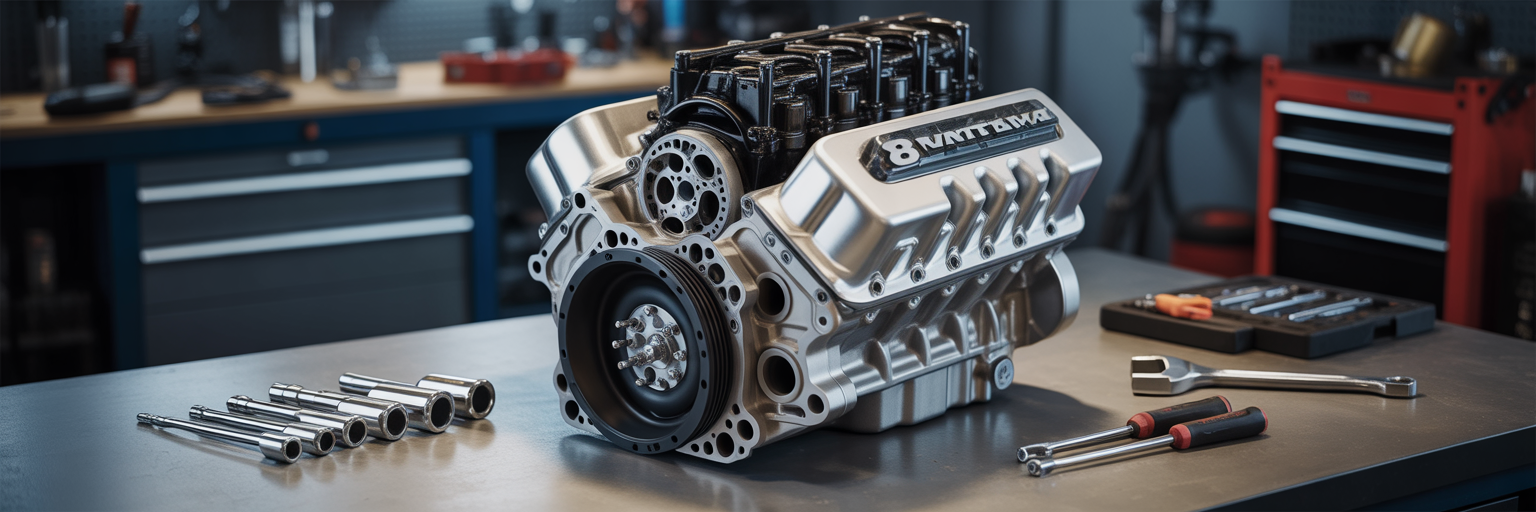
The distinct philosophies of these two trucks are most evident under the hood. Where one offers a wealth of choice, the other focuses on a single, proven solution. This heavy duty truck comparison reveals how different engineering approaches deliver power to the pavement.
Ford’s Arsenal of Engines
Ford equips the 2026 F-250 with a powertrain for nearly every task. The lineup starts with a strong standard gas V8, but the options quickly escalate. The 7.3L “Godzilla” V8 is a monster of displacement, built for relentless gas-powered hauling with a deep well of torque. For the ultimate in pulling power, the high-output Power Stroke turbo-diesel is the main event. Its immense torque arrives low in the rev range, designed to get tens of thousands of pounds moving with confidence. All these engines are paired with a sophisticated 10-speed automatic transmission tuned to manage extreme loads, ensuring the truck is always in the right gear.
Nissan’s Singular V8 Powerhouse
Nissan takes a simpler approach with the Titan XD, offering one engine: the 5.6L Endurance V8. While it lacks the sheer grunt of Ford’s diesel, its strength lies in its proven reliability and smooth, linear power delivery. Paired with a 9-speed automatic transmission, the Endurance V8 provides a responsive and predictable driving experience. It’s a workhorse engine known for its durability, offering ample power for the truck’s intended tasks without the complexity or maintenance costs of a modern turbo-diesel.
Acceleration, Response, and Drivability
Behind the wheel, these differences are immediately apparent. The F-250’s Power Stroke diesel delivers an authoritative shove from a standstill, its low-end torque making a heavy trailer feel surprisingly light. The gas engines are also potent, but the diesel is in a class of its own for effortless hauling. The Titan XD, by contrast, feels more like a powerful half-ton. Its acceleration is brisk and smooth, making it feel more at home in daily traffic or when merging onto the highway with a moderate load. It’s responsive and eager, whereas the F-250 feels deliberate and immensely powerful.
Bringing the Weight to a Halt: Braking Systems
Stopping power is just as critical as engine power. The F-250’s brakes are engineered for extreme duty, with large rotors and calipers designed to safely manage weights well over 20,000 pounds. A key feature, especially on the diesel models, is the engine exhaust brake. This system helps control the truck’s speed on steep descents without overheating the service brakes, providing a massive confidence boost when towing heavy. The Titan XD’s brakes are strong and more than capable for its weight class, but they aren’t built to the same extreme commercial standard as the Super Duty’s.
Analyzing Towing and Payload Capabilities
While engine performance sets the stage, the hard numbers for towing and payload are where the fundamental differences between the Titan XD and F-250 become undeniable. This is where we determine the best truck for towing based on specific needs.
The Unmistakable Gap in Towing Ratings
There is no gentle way to put it: the Ford F-250 operates in a different league. With conventional towing capacities that can exceed 20,000 pounds and gooseneck ratings pushing even higher, the F-250 is built to handle the largest travel trailers, fifth-wheels, and equipment haulers. The Nissan Titan XD is rated to tow around 11,000 pounds. While that’s a respectable figure and more than enough for many boats and campers, it simply cannot compete with the Super Duty’s raw strength. The F-250 is for hauling the mobile home; the Titan XD is for hauling the family camper.
Payload: The Difference Between Hauling and Overloading
Payload capacity tells a similar story. The F-250 can often handle more than 4,000 pounds in its bed, making it suitable for carrying a heavy slide-in camper or a full pallet of construction materials. The Titan XD payload capacity, at around 2,400 pounds, is significantly higher than a standard half-ton but falls short of the F-250’s mark. As data from automotive resource Driving.ca highlights, this places the Titan XD firmly in its intended niche below the true heavy-duty class. It can handle a bed full of dirt or a hefty load from the hardware store with ease, but the heaviest loads belong to the Ford.
| Capability Metric | Ford F-250 Super Duty | Nissan Titan XD |
|---|---|---|
| Maximum Conventional Towing | Approx. 18,000 – 22,000 lbs | Approx. 11,000 lbs |
| Maximum Gooseneck/5th-Wheel Towing | Approx. 23,000 – 25,000+ lbs | Approx. 11,200 lbs |
| Maximum Payload Capacity | Approx. 3,500 – 4,300 lbs | Approx. 2,200 – 2,400 lbs |
| Frame Construction | Fully-Boxed, High-Strength Steel | Reinforced Ladder Frame |
| Rear Axle Type | Heavy-Duty Solid Axle | Heavy-Duty Solid Axle |
Note: Figures are approximate and vary based on engine, configuration, and optional equipment. This table illustrates the fundamental class difference in raw capability between the two trucks.
Built Different: Frame and Suspension Insights
The “why” behind these numbers lies in the foundation of each truck. The F-250 is built on a massive, fully-boxed, high-strength steel frame with heavy-duty solid axles. It’s engineered from the ground up for commercial-grade stress. The Titan XD uses a reinforced ladder frame that, while stronger than its half-ton sibling’s, shares some of its design lineage. This robust construction gives it impressive capability but not the same level of over-engineering found in the Super Duty.
Smart Towing Technology
Both trucks offer technology to make towing less stressful. Ford’s Pro Trailer Backup Assist allows the driver to steer a trailer in reverse using a simple knob, while available onboard scales can estimate payload and tongue weight. Nissan offers useful features like an integrated Trailer Light Check system that lets one person confirm the lights are working. While both systems are helpful, Ford’s suite is more comprehensive, reflecting its focus on extreme towing. As you weigh these capabilities, our detailed guide can provide additional context on how they compare to other models.
Ride Quality and Handling Dynamics
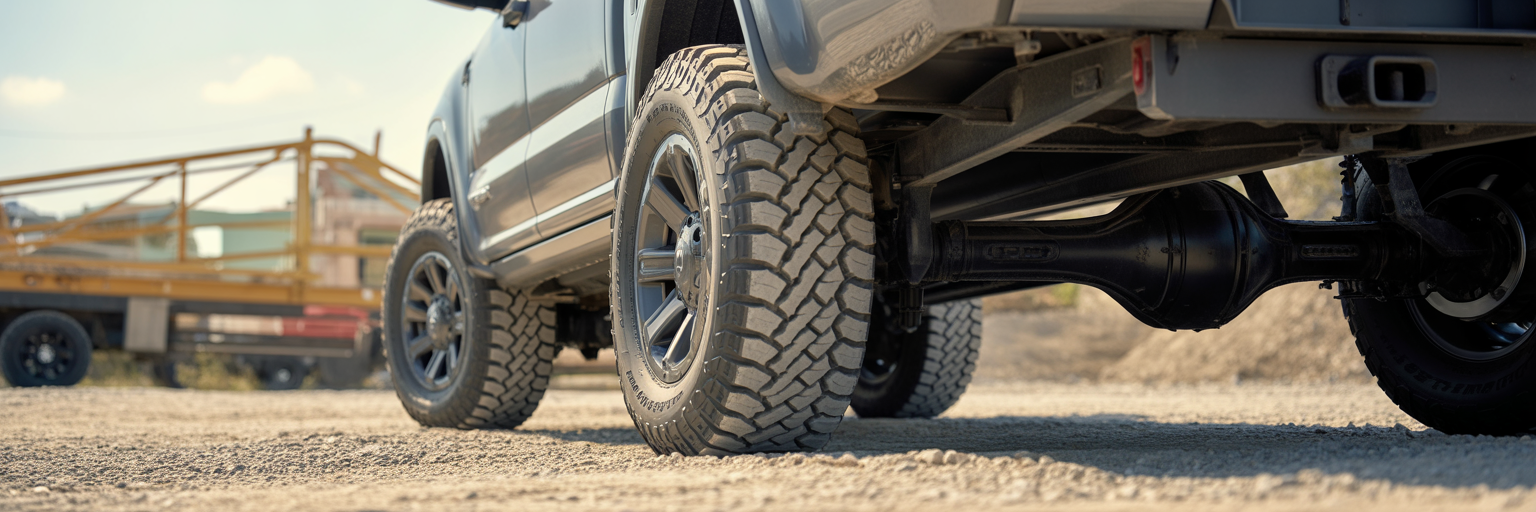
How a truck feels on the road during the 99% of the time you aren’t towing at maximum capacity is a critical, and often overlooked, part of the ownership experience. Here, the different design priorities of the Titan XD and F-250 create two very distinct personalities.
Daily Driving: The Unladen Experience
When driving with an empty bed, the Nissan Titan XD has a clear advantage. Its suspension is tuned for a more compliant and comfortable ride, absorbing bumps and road imperfections in a way that feels closer to a premium half-ton truck. It’s a vehicle you could easily use for a daily commute without feeling beaten up. The F-250, by contrast, feels exactly like what it is: a heavy-duty tool waiting for a job. Its stiff suspension, designed to manage thousands of pounds, can feel firm and sometimes bouncy on rough pavement when unladen. It’s not punishing, but it’s a constant reminder of the capability in reserve.
Under Load: How Weight Transforms the Ride
That dynamic completely flips once you add a heavy payload or connect a trailer. The F-250’s suspension settles into its optimal operating zone, and the ride becomes remarkably smooth and controlled. The truck feels planted, stable, and confident, demonstrating that it is now performing its intended function. The Titan XD handles its rated loads with composure and stability, but it doesn’t achieve that same unshakeable, heavy-machinery feel that the F-250 does at its limits. The weight tames the F-250, while the Titan XD simply manages it.
Navigating Tight Spaces: Maneuverability and Steering
In a crowded parking lot or a tight suburban street, the Titan XD feels more manageable. Its steering is more responsive, and its overall dimensions make it feel less intimidating to navigate. It drives smaller than it is. The F-250 has a commanding presence, but its slower steering and larger footprint require more planning and care in tight quarters. Choosing a long-bed configuration on either truck will increase the turning radius, but the F-250 generally feels like the larger, more deliberate vehicle it is.
A Tour of the Cabin and Onboard Technology
Moving from mechanicals to the human experience, the interiors of these trucks reflect their different market positions. Ford offers a spectrum from basic utility to outright luxury, while Nissan provides a consistently comfortable and well-appointed environment.
Interior Design and Material Philosophy
The Ford F-250’s trim walk is vast. A base XL model is a pure work truck with vinyl floors and durable plastics, ready for muddy boots. At the top end, a King Ranch or Platinum trim rivals a luxury sedan, with premium leather, real wood accents, and massaging seats. The Titan XD offers a more focused lineup. Its upper trims, like the Platinum Reserve, are genuinely luxurious with high-quality materials and thoughtful design, but it doesn’t offer the spartan work-grade option or reach the same opulent heights as the top-tier F-250s.
Cabin Space and Passenger Comfort
When it comes to sheer interior volume, the F-250 crew cab is cavernous. It boasts class-leading legroom and headroom in the rear, making it an excellent choice for carrying a full work crew or a family on a long road trip. The Titan XD’s crew cab is also very spacious and comfortable for adults, with clever storage solutions and supportive seating. However, it doesn’t feel quite as expansive as the Super Duty, which leverages its larger overall footprint to create a truly massive cabin.
Infotainment and Connectivity Face-Off
Ford’s latest SYNC infotainment system, often displayed on a large central touchscreen, is a highlight. It’s fast, feature-rich, and supports wireless Apple CarPlay and Android Auto. Nissan’s infotainment system is praised for its straightforward, user-friendly interface. While its screen may be smaller in lower trims, it’s intuitive and gets the job done effectively. Ford’s system offers more advanced features and a larger screen, but Nissan’s is arguably easier to use from the get-go.
Premium Sound System Showdown
For audiophiles, both trucks offer impressive premium sound systems. Ford partners with Bang & Olufsen, offering a powerful B&O Unleashed system in top trims that delivers clear, immersive audio. Nissan collaborates with Fender to provide a premium audio system known for its warm, rich sound and strong bass response. The choice between them comes down to personal preference, as both are excellent upgrades that turn the cabin into a concert hall. This kind of feature-by-feature breakdown is essential, and for those who enjoy them, our ‘vs’ category offers many more in-depth articles.
Comparing Safety Systems and Driver Aids
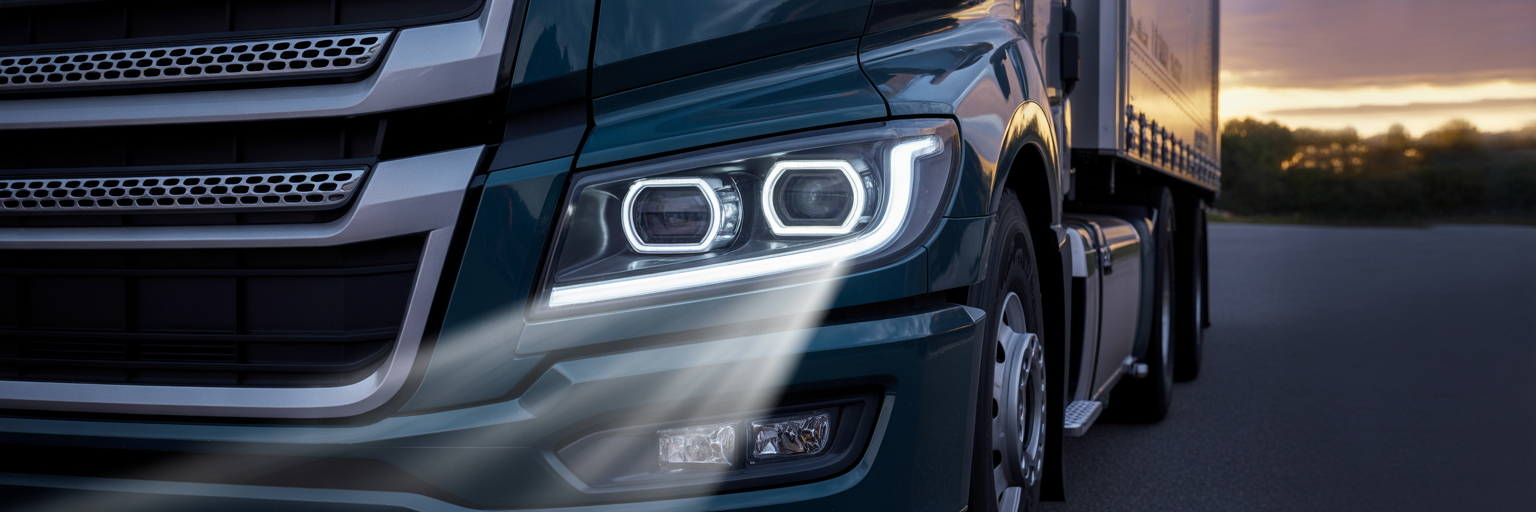
In modern trucks, safety technology is about more than just crash protection; it’s about preventing incidents in the first place. Both Nissan and Ford equip their trucks with sophisticated driver-assistance systems, but their strategies for packaging these features differ significantly.
Nissan makes a strong value statement by including its Safety Shield 360 suite as standard equipment on most Titan XD models. This is a key differentiator for buyers who prioritize active safety without wanting to pay for expensive option packages. This comprehensive suite typically includes:
- Automatic Emergency Braking with Pedestrian Detection
- Blind Spot Warning
- Rear Cross Traffic Alert
- Lane Departure Warning
- High Beam Assist
- Rear Automatic Braking
The Ford F-250’s approach is more traditional. Base models are relatively sparse on advanced safety features, but as you move up the trim levels, Ford’s Co-Pilot360 suite becomes available. This package includes comparable features to Nissan’s, but Ford also offers more advanced technologies on its higher-end models, such as Adaptive Cruise Control with Stop-and-Go and Lane Centering. Ford’s available 360-degree camera system also provides trailer-specific views that are incredibly helpful when maneuvering. Nissan’s Intelligent Around View Monitor is also excellent, but Ford’s system offers a bit more functionality for complex towing scenarios.
The takeaway is clear. The Titan XD often provides more standard active safety features for the money, making it a compelling choice for safety-conscious families or businesses. The F-250, on the other hand, offers a higher ceiling for cutting-edge driver-assistance technology, rewarding buyers who are willing to invest in the upper trim levels.
Evaluating Long-Term Ownership and Reliability
A truck is a long-term investment, and factors like reliability, maintenance costs, and resale value can have a bigger impact on your wallet than the initial sticker price. Here, the established market leader and the niche challenger present different financial pictures.
Historical Reliability and Dependability
When it comes to Ford F-250 reliability, the truck benefits from decades of production and a massive user base. Its powertrains, both gas and diesel, are well-understood by a vast network of mechanics. According to analysis from sources like TrueCar, this well-established reputation for durability contributes to its strong market performance. The Nissan Titan XD also boasts a solid reputation, largely thanks to its proven Endurance V8 engine, which is known for its long-term dependability. Both trucks are considered reliable workhorses.
Maintenance, Repairs, and Parts Availability
The F-250’s immense popularity gives it a clear advantage in serviceability. Parts are readily available everywhere, from dealerships to independent auto parts stores, and nearly any qualified mechanic has experience working on them. As a more niche vehicle, some parts for the Titan XD may be less common, which could potentially lead to longer waits for certain repairs. However, routine maintenance for both is straightforward.
Fuel Economy and Running Costs
Let’s be honest: no one buys these trucks for their fuel efficiency. The Titan XD’s V8 will deliver typical large-truck fuel economy. The F-250 offers a choice. Its gas engines will be similarly thirsty, while the Power Stroke diesel will return better mileage, especially when towing. However, the diesel’s advantage is offset by a higher upfront cost, more expensive oil changes, and the need to periodically refill the Diesel Exhaust Fluid (DEF) tank.
Resale Value as a Key Financial Factor
This is perhaps the most significant financial differentiator. The Ford Super Duty line has historically demonstrated exceptionally strong resale value. High demand from both commercial and recreational buyers keeps used prices stable. The Nissan Titan XD, unfortunately, tends to experience more significant depreciation. While this can make a used Titan XD a great value, the original owner will likely see a smaller return on their investment compared to the F-250 owner. This factor alone can make the Ford a smarter long-term financial decision for many buyers.
The Final Verdict: Who Should Buy Which Truck?
After analyzing everything from powertrain character to long-term value, the choice in the Nissan Titan XD vs Ford F-250 debate comes down to a simple question: what is the right tool for your specific job? This isn’t about which truck is universally “better,” but which one aligns with your actual needs.
The Ford F-250 Super Duty is the undisputed choice for the user whose primary concern is maximum capability. It is a specialized instrument designed for demanding work. This is the truck for the construction company owner, the farmer, or the full-time RVer. If your daily or weekly tasks involve pushing the upper limits of towing and payload, the F-250 is not just the better choice; it’s the only logical one.
The Nissan Titan XD is the pragmatic choice for the buyer who needs a significant upgrade from a half-ton but finds the F-250 to be overkill. It excels for those who value a more comfortable daily driving experience but still require the confidence of a heavy-duty frame and powertrain for towing mid-size loads. It strikes a balance that many buyers find appealing.
To make it even clearer, consider these two profiles:
- The Professional Hauler: This person tows a 15,000-pound equipment trailer for their business several times a week. They need maximum stability, a powerful diesel engine, and an integrated exhaust brake for safety. For them, the F-250 is the essential tool of their trade.
- The Adventurous Homeowner: This person tows a 9,000-pound travel trailer on weekends, hauls lumber for home projects, and uses the truck for their daily commute. The Titan XD provides all the capability they need with a more pleasant unladen ride and a host of standard safety features.
Ultimately, the F-250 is a heavy-duty instrument, while the Titan XD is a versatile and powerful multi-tool. Choosing the right one means being honest about what you truly need. Choosing the right vehicle is a major decision, and for more automotive news and reviews, explore everything we have to offer at CarPhanatics.