The Expanding Trail of Budget-Friendly 4x4s
The significant depreciation new vehicles face in their first few years has created a surprisingly strong market for capable, pre-owned models. In 2025, an increased supply of used trucks and a steady stream of durable, older SUVs have made finding affordable adventure vehicles more achievable than ever. This isn’t about luck. It’s about knowing where to look and what defines a truly capable machine.
A vehicle ready for the trail is more than just its looks. It’s about practical design choices like generous ground clearance to clear rocks and ruts, a robust 4WD system to maintain traction on loose surfaces, and durable construction that can withstand the twisting forces of uneven terrain. These are the fundamentals that separate a true off-roader from a simple commuter car.
This guide is designed to walk you through the top choices that fit a $20,000 budget. Whether you need a rugged workhorse for hauling gear or a versatile daily driver that can escape to the mountains on weekends, the right vehicle is out there. Finding the perfect match requires some homework, and the resources on our site are here to help you compare models and make an informed decision.
Decoding Essential Off-Road Capabilities
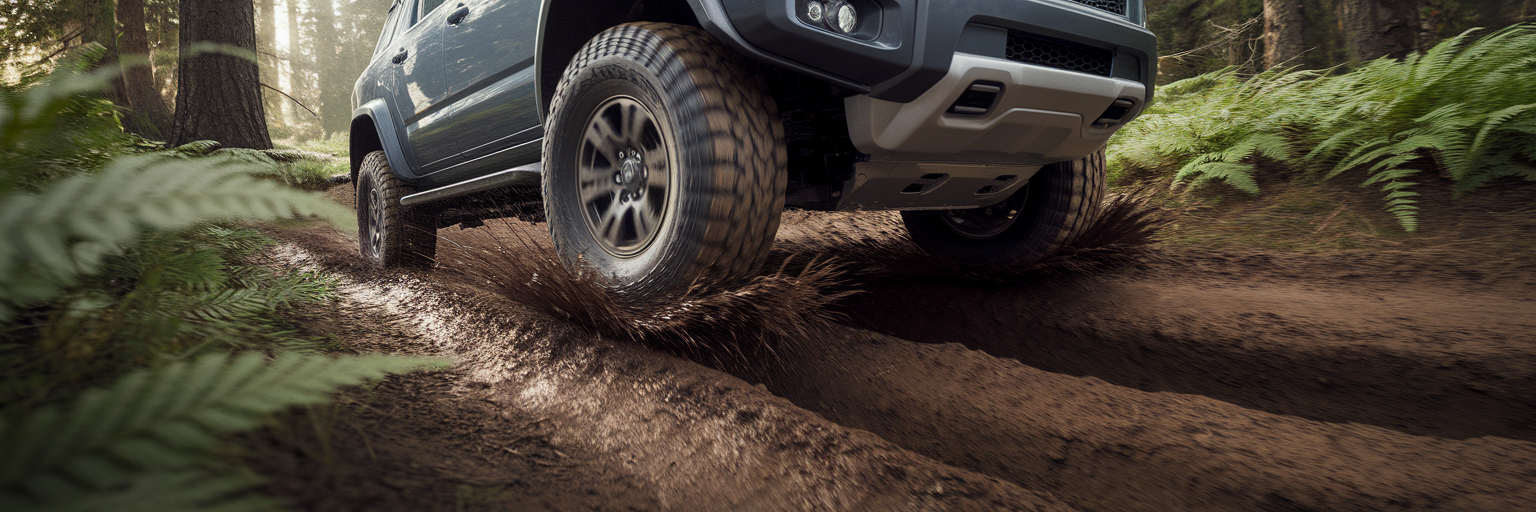
Before you start browsing listings, it’s important to understand the features that truly matter when you leave the pavement. This isn’t just technical jargon. These are the elements that determine whether you’ll conquer the trail or be calling for a tow. Knowing what to look for is the first step in learning how to buy a used 4×4 that will not let you down.
4WD vs. AWD: What’s the Real Difference?
All-Wheel Drive (AWD) is excellent for on-road stability in rain or snow, but most systems are not designed for serious off-roading. True Four-Wheel Drive (4WD) systems typically include a two-speed transfer case with a “low-range” setting. Think of it as a crawler gear for your engine. It multiplies torque, allowing you to climb steep, difficult terrain with control and power that AWD systems simply cannot match.
Understanding Off-Road Geometry
Three key angles determine a vehicle’s ability to navigate obstacles. The approach angle is how steep of a hill you can drive up to without the front bumper hitting the ground. The departure angle is the same for the rear. The breakover angle dictates what you can drive over without getting high-centered. Better angles mean more capability and less risk of body damage on the trail.
Body-on-Frame vs. Unibody Construction
This is a fundamental difference in how a vehicle is built. Body-on-frame construction, common in trucks and traditional SUVs, features a separate frame that absorbs most of the stress. Unibody construction, found in most modern cars and crossovers, integrates the body and frame into a single piece. Each has distinct advantages depending on your needs.
| Attribute | Body-on-Frame (e.g., 4Runner, Wrangler) | Unibody (e.g., Forester, RAV4) |
|---|---|---|
| Ruggedness & Durability | Frame absorbs most stress, more resistant to twisting on uneven terrain. | Body and frame are one piece; less tolerant of extreme flexing. |
| Modification Potential | Easier and safer to install significant suspension lifts. | Lifting is more complex and generally limited to smaller amounts. |
| On-Road Comfort & Handling | Generally heavier with a truck-like ride; can feel less composed. | Lighter weight and lower center of gravity provide a car-like, comfortable ride. |
| Towing & Payload | Typically offers higher towing and payload capacities. | Lower capacities, suitable for light-duty hauling. |
Top Contenders: The Rugged SUV Class
When it comes to pure trail performance, a few names consistently rise to the top. These are the off road suvs under 20000 known for their robust construction and proven capabilities. They represent some of the best used off road vehicles you can find, each with a unique personality.
The Jeep Wrangler (JK/TJ generations) is an icon for a reason. Its solid front and rear axles provide incredible wheel articulation, keeping tires on the ground over uneven obstacles. The massive aftermarket support, which you can see reflected in the models covered on our Jeep brand page, means customization is nearly limitless. It’s the perfect canvas for building a highly personalized rig.
For those who prioritize reliability above all else, the Toyota 4Runner is hard to beat. Its legendary durability and tough body-on-frame build make it a “buy it for life” option that holds its value remarkably well. It’s the kind of vehicle you can trust to get you deep into the backcountry and back home again without drama.
Then there’s the unibody outlier that punches well above its weight: the Subaru Forester. While not a rock crawler, its Symmetrical All-Wheel Drive system and excellent ground clearance make it surprisingly capable on moderate trails and in poor weather. It’s the ideal daily driver for someone who wants weekend adventure capability without sacrificing on-road comfort. In fact, an analysis by iSeeCars for 2025 names the 2021 model as one of the best used small SUVs under $20,000, confirming its strong value proposition.
The Workhorse Crew: Capable Pickup Trucks
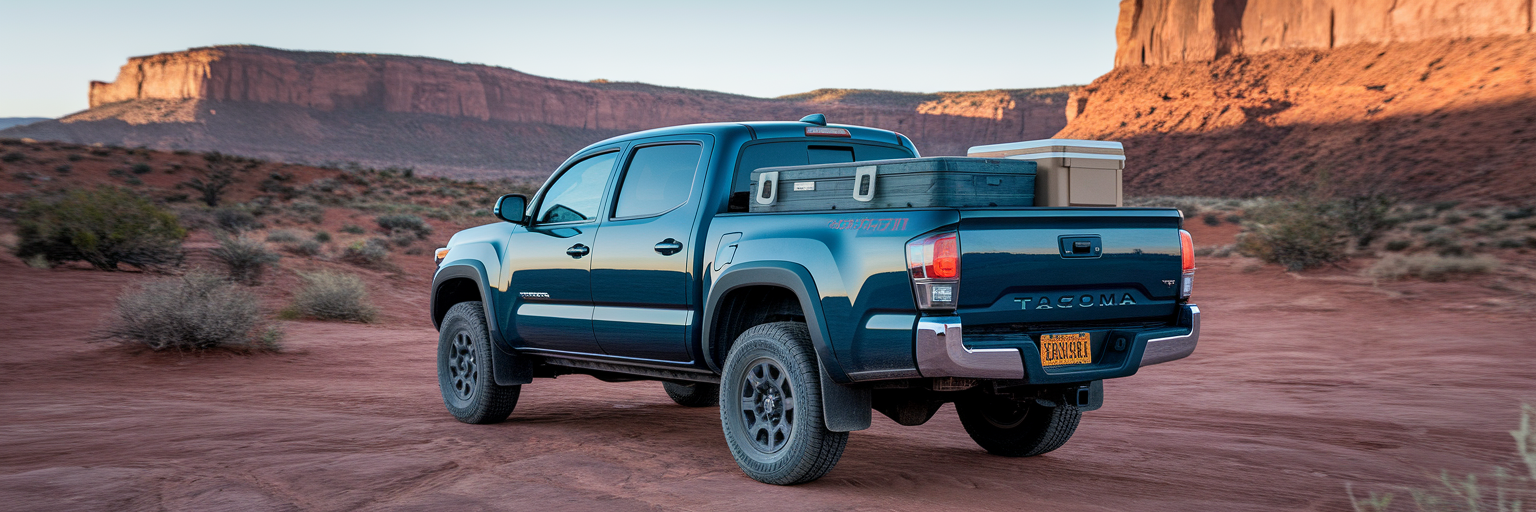
For adventurers who need to haul gear, budget off road trucks offer a blend of capability and utility that SUVs can’t match. The open bed provides a practical solution for carrying everything from mountain bikes and kayaks to camping equipment and firewood.
The Toyota Tacoma leads this category with a reputation for being nearly indestructible. Its resale value is a testament to its reliability. Finding a used TRD Off-Road model within budget is a major win, as it comes from the factory with a locking rear differential, a critical tool for serious traction challenges. It’s a smart investment that will likely outlast many other vehicles on the road.
The Nissan Frontier and older Ford Ranger models are prime examples of simple, tough, and affordable workhorses. Their part-time 4WD systems and leaf-spring rear suspensions are proven, no-frills technologies that are both effective and easy to maintain. They may not have the latest tech, but their mechanical simplicity is a huge advantage for reliability and field repairs.
Beyond their off-road chops, the primary advantage of a truck is its versatility. The ability to throw muddy gear in the back without a second thought or tow a small camper adds a layer of freedom to your adventures. For those who need that utility, exploring the options in our trucks section can reveal the perfect fit for your lifestyle.
Crossovers for Light Trails and All-Weather Confidence
Let’s be honest: not everyone needs a vehicle built for extreme rock crawling. For many, the adventure is reaching a remote trailhead or navigating a snowy mountain pass. In these scenarios, a capable crossover is often the smartest choice, blending everyday comfort with all-weather confidence.
Reliable options like the Toyota RAV4 and Honda CR-V (around 2015-2018 models) are excellent contenders. Their available AWD systems are perfect for handling dirt roads, snowy conditions, and the occasional muddy track leading to a campsite. Models like the Honda CR-V, which you can learn more about on our Honda brand page, offer dependable performance and efficiency for daily driving.
It is important, however, to understand their limitations. The lack of low-range gearing, lower ground clearance, and less robust suspension components mean they are not suitable for serious off-roading. Pushing a crossover too hard on a difficult trail is a quick way to incur expensive damage. A crossover is the ideal choice for someone whose driving is 90% on-road but who needs that extra capability for weekend trips and unpredictable weather.
Your Pre-Purchase Inspection Checklist
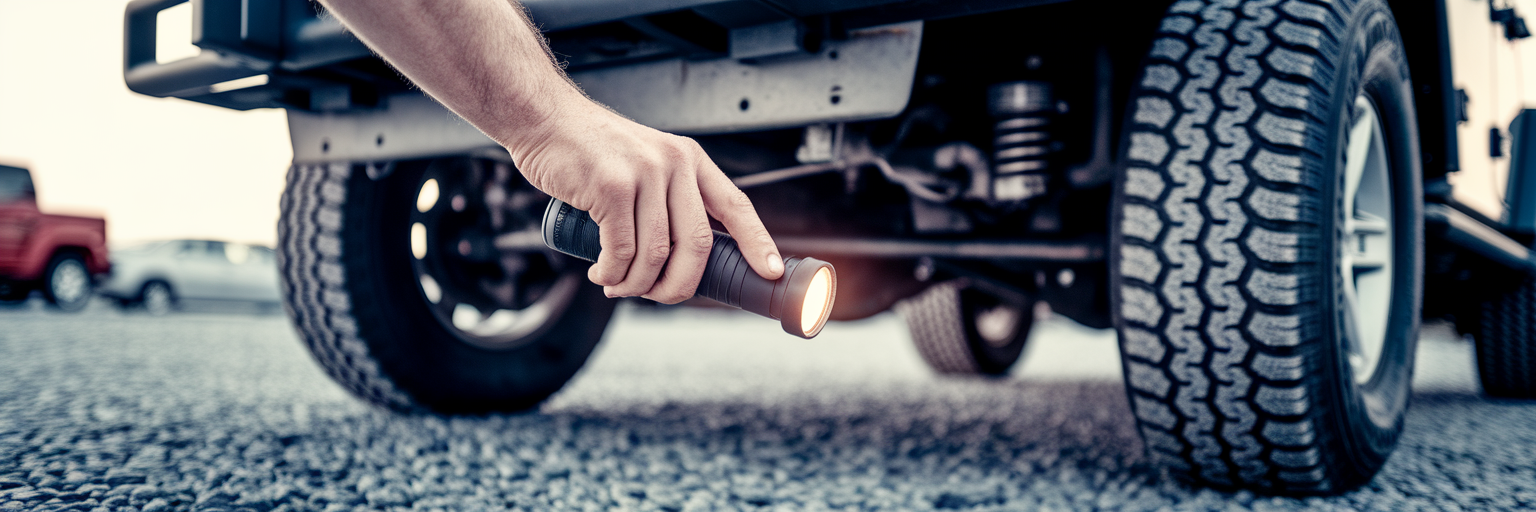
Finding a promising vehicle is only half the battle. A thorough inspection is the most critical part of how to buy a used 4×4, protecting you from costly surprises down the road. Don’t just kick the tires; get your hands dirty.
- Check for Abuse: Get on the ground and look underneath. Are there deep gouges or dents on the frame rails, skid plates, or differential housings? These are clear signs of a hard life on the trails and could hide more serious structural issues.
- Test the 4WD System: Find a loose surface like a gravel lot to safely test the system. Engage 4-High and drive in a straight line, then repeat in 4-Low. Any grinding or binding is a major red flag. If you’re wondering why your car is squeaking when you drive during this test, it could signal expensive transfer case or differential problems.
- Invest in a Professional Inspection (PPI): This is non-negotiable. Pay a trusted mechanic, preferably one with 4×4 experience, to perform a pre-purchase inspection. The hundred dollars or so you spend here can easily save you thousands in future repairs. Think of it as cheap insurance.
Smart Upgrades and Aftermarket Potential
Your adventure doesn’t end when you buy the vehicle; it’s just beginning. A few smart upgrades can dramatically improve performance and tailor the vehicle to your specific needs. The key is to modify with a purpose.
The aftermarket communities for platforms like the Jeep Wrangler and Toyota Tacoma are incredibly vibrant, making it easy to find parts, tutorials, and advice. This makes them some of the best used off road vehicles not just for their factory specs, but for their potential. Here is a logical upgrade path:
- Tires First: A set of quality all-terrain (A/T) tires is the single most effective upgrade for improving off-road traction. This should always be your first investment.
- Suspension Next: After tires, a modest suspension lift (1-3 inches) is the best way to gain more ground clearance and fit larger tires. Avoid massive lifts that can compromise on-road handling.
- Protection Last: Once you start tackling more challenging terrain, add armor. Skid plates protect your engine and transmission, while rock sliders defend your vehicle’s rocker panels from damage.
Finally, remember to factor these costs into your total budget. A $17,000 vehicle plus $3,000 in tires, a lift, and basic recovery gear is a $20,000 total investment. Planning for this from the start ensures your rig is ready for adventure without breaking the bank.