
The Adventure Within Reach
The recent surge in overlanding and outdoor recreation has done something wonderful for enthusiasts: it created a strong used market for capable 4x4s. Thanks to depreciation, legendary off-road vehicles that once carried hefty price tags are now surprisingly accessible. In 2025, a budget of $20,000 is more than enough to get you behind the wheel of a truly competent machine, turning the dream of backcountry exploration into a tangible reality.
This guide is designed to help you navigate that market with confidence. We will cover how to identify your personal needs, understand the key technical specifications that actually matter, and evaluate specific models that have proven their worth. Most importantly, we will walk through the crucial pre-purchase inspection that separates a great deal from a future headache. The path to your next adventure is closer than you think.
First, Map Your Off-Roading Style

Before you even open a classifieds app, the most important step is a moment of honest self-assessment. The “best” vehicle is entirely subjective, and what works for a rock-crawling expert in Moab will be a terrible choice for someone exploring fire roads in the Pacific Northwest. Your intended use dictates everything.
Overlanding vs. Technical Trail Riding vs. Weekend Exploring
These terms get thrown around a lot, but they mean very different things for your vehicle choice. Overlanding is about long-distance, self-reliant travel, where cargo space for gear and long-term reliability are paramount. Technical trail riding, on the other hand, prioritizes maximum capability on difficult terrain, demanding high ground clearance and advanced 4WD systems. For more casual weekend exploring on forest service roads or beach driving, a less extreme and more comfortable vehicle is often the more practical and enjoyable choice.
The Daily Driver Dilemma
Here is the critical question: will this be your only car? We all picture the heavily modified rig parked in the driveway, but the reality of commuting in a vehicle with stiff suspension and large, noisy tires can wear thin. This introduces the core conflict between maximum off-road capability and on-road comfort, fuel economy, and daily practicality. Be realistic about your tolerance for compromise.
To find your answer, ask yourself:
- What percentage of my driving will be on-road vs. off-road?
- How much gear and how many passengers do I need to carry?
- Am I comfortable performing my own maintenance and modifications?
- What is my tolerance for poor fuel economy in a daily vehicle?
Decoding Essential Off-Road Specifications
The world of off-roading is filled with jargon, but a few core concepts are all you need to make an informed decision. Understanding these fundamentals will help you see past the marketing and focus on what truly delivers capability. This is the foundation of any good used 4×4 suv guide.
Body-on-Frame vs. Unibody Construction
This is one of the most fundamental distinctions. Body-on-frame construction, where the body is mounted to a separate, rigid steel frame, is the traditional choice for serious off-roading. Its strength resists the twisting forces encountered on uneven terrain, and it is far easier to modify with lift kits and other upgrades. In contrast, unibody construction, where the body and frame are a single integrated structure, offers a smoother, more car-like ride and better fuel economy. While many unibody SUVs are quite capable, they are generally less durable for extreme, repeated use.
| Attribute | Body-on-Frame | Unibody |
|---|---|---|
| Off-Road Durability | Excellent; resists twisting forces | Good; can be prone to fatigue over time |
| Modification Potential | High; easy to install lift kits and larger tires | Limited; modifications are more complex and costly |
| On-Road Comfort | Generally stiffer and less refined ride | Smoother and more car-like ride quality |
| Weight & Fuel Economy | Heavier, resulting in lower fuel economy | Lighter, generally offering better fuel economy |
| Towing Capacity | Typically higher due to stronger frame | Generally lower |
This table summarizes the fundamental differences between the two main vehicle construction types. The choice depends on prioritizing extreme off-road capability (Body-on-Frame) versus daily driving comfort and efficiency (Unibody).
The Difference Between AWD and True 4WD
Not all systems that power four wheels are created equal. All-Wheel Drive (AWD), common in crossovers and some SUVs, is primarily designed for improved traction on slippery roads. A true 4-Wheel Drive (4WD) system includes a two-speed transfer case, which gives you access to low-range gearing, or “4-Lo.” Think of 4-Lo as the lowest gear on a mountain bike. It multiplies the engine’s torque, allowing you to crawl over obstacles with incredible control and power at very low speeds.
Understanding Off-Road Geometry
The shape of a vehicle is critical. Ground clearance is the distance from the lowest point of the undercarriage to the ground. Approach and departure angles determine how steep of an obstacle you can climb or descend without hitting your bumpers. The breakover angle is perhaps the most overlooked. Imagine a skateboard getting stuck on a curb; that’s a failure of breakover angle. It dictates whether you can clear a sharp crest without getting high-centered on your vehicle’s belly.
The Tried-and-True SUV Champions
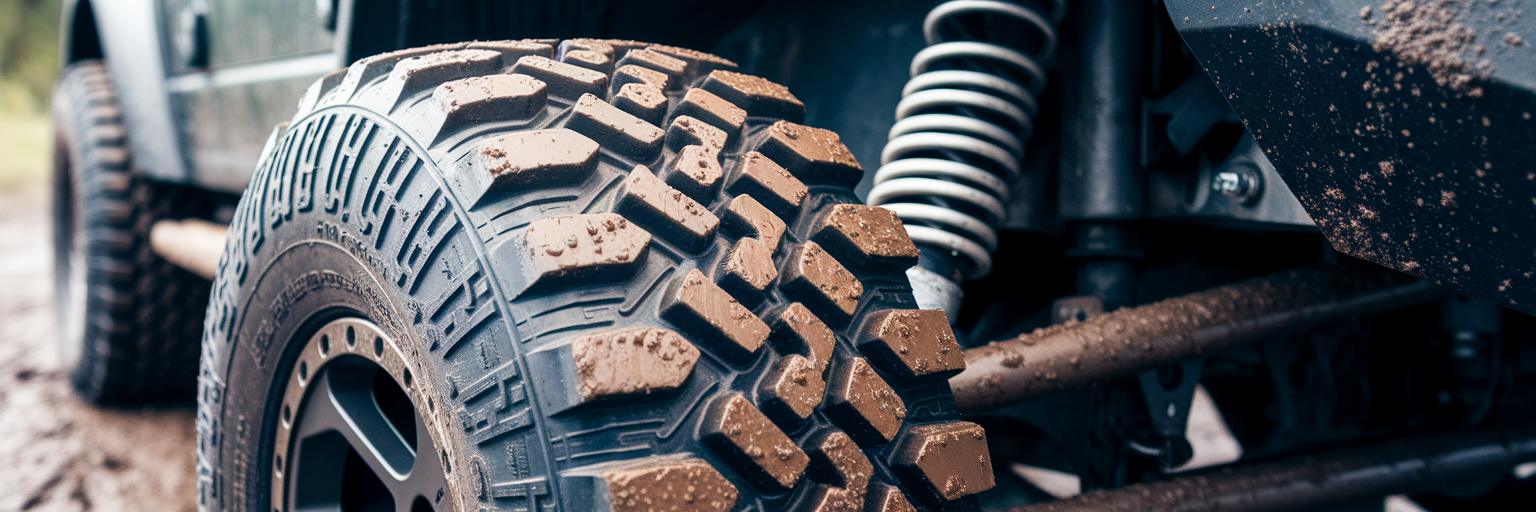
With the technical basics covered, let’s look at some specific models that consistently deliver value and capability. These vehicles have earned their reputations in the real world and represent some of the smartest buys on the 2025 used market.
Toyota 4Runner (4th/5th Gen)
The 4Runner is an icon for a reason: legendary reliability. As Top Speed points out, its 4.0-liter V6 engine is known to be dependable well past 200,000 miles, so don’t be scared of higher-mileage examples with good service records. It’s a body-on-frame SUV with a true 4WD system and benefits from one of the largest aftermarket support networks on the planet, making customization easy and accessible.
Nissan Xterra (2nd Gen)
Often overshadowed by its Toyota rival, the Xterra is a rugged, value-packed alternative. The debate over the Toyota 4Runner vs Nissan Xterra often comes down to price and features. The Xterra offers similar body-on-frame toughness and a potent V6 engine. Its secret weapon is the PRO-4X trim. According to an analysis by GearJunkie, a 2014 PRO-4X with a factory electronic locking rear differential can often be found under our $20,000 budget, offering immense capability right out of the box.
Toyota FJ Cruiser
With its iconic retro styling and short wheelbase, the FJ Cruiser boasts some of the best factory off-road geometry of any modern SUV. It shares its robust powertrain and underpinnings with the 4Runner, ensuring reliability. However, its popularity means that a $20,000 budget will likely land you an older, higher-mileage example from its 2007-2014 production run. While these capable SUVs are excellent choices, other brands offer compelling options, and you can explore some of them, like the upcoming Jeep Grand Cherokee, for a broader perspective.
Capable Alternatives Beyond the Obvious
While SUVs dominate the conversation, thinking outside the box can lead to a vehicle that better suits your specific needs. Don’t limit your search to the usual suspects.
Mid-size pickup trucks like the Toyota Tacoma and Nissan Frontier are fantastic options. They offer the same robust 4×4 systems and durable construction as their SUV counterparts but add the unmatched utility of an open bed. This is a huge advantage for hauling bulky gear like mountain bikes, kayaks, or dirty camping equipment you’d rather not have inside the cabin. If you’re wondering what to look for in a used off-road truck, the principles are the same: check the frame, test the 4WD, and demand service records. For those interested in these types of vehicles, you can find more information on our page about trucks.
For a truly unconventional choice, consider a used electric vehicle like a 2021 Chevrolet Bolt EV. Let’s be clear: this is not for rock crawling. But for silent exploration on maintained dirt roads and forest trails, it’s a fascinating option. The instant torque provides effortless climbing ability, and the low running costs are a major bonus. You must be honest about its limitations in ground clearance and the reality of range anxiety in remote areas. It’s a balanced choice for a specific type of adventurer, and you can learn more about similar vehicles on our electric vehicles page.
Your Essential Pre-Purchase Inspection Guide
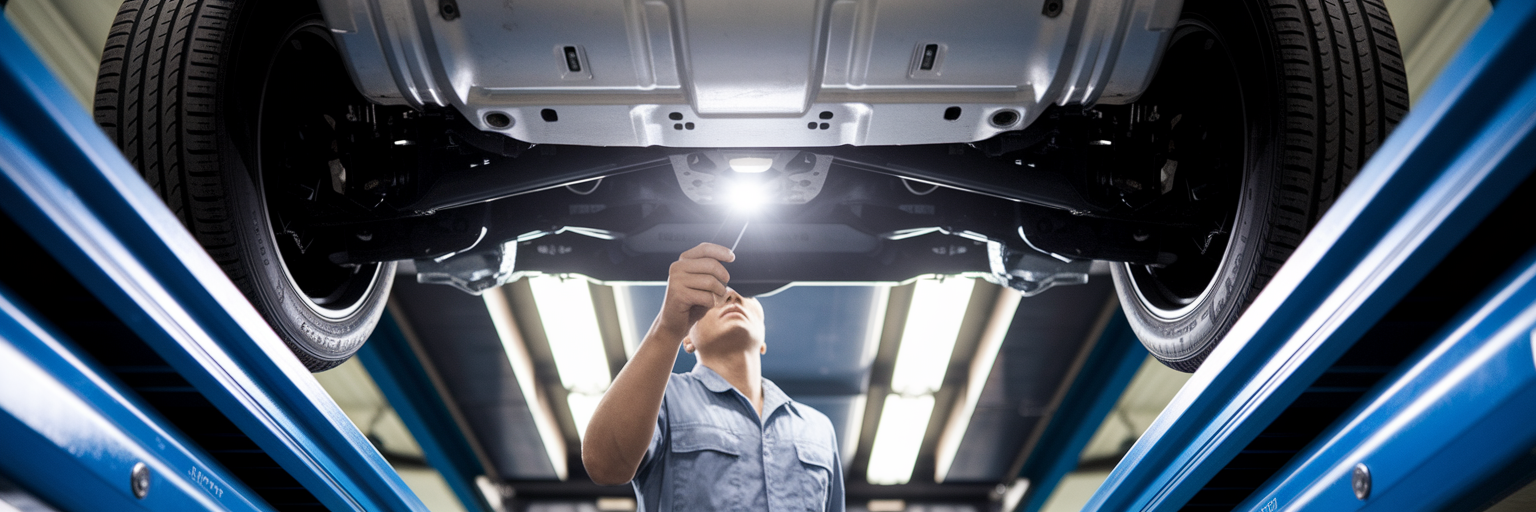
Finding the right model is only half the battle. This inspection is the most critical step to prevent a seemingly good deal from turning into a financial nightmare. A thorough check helps ensure your chosen rig is one of the truly affordable overlanding vehicles, not a hidden money pit.
- Inspect the Frame and Undercarriage: Get on the ground and look closely. Pay special attention to excessive rust, especially on vehicles from snowy climates where road salt is used. Look for bent frame rails, which indicate a past accident, and deep gouges on the skid plates or differentials. Scrapes are normal, but deep gashes suggest a history of hard abuse.
- Test All Mechanical Systems: On a loose surface like gravel or dirt, test the 4WD system. It should engage into both 4-Hi and 4-Lo smoothly, without loud clunks or grinding noises. Listen for any engine ticks or knocks. Check the transmission fluid; it should be reddish and not smell burnt. A strange noise can be a sign of trouble, and understanding why your car is squeaking when you drive can save you from a costly repair.
- Scrutinize the Maintenance History: A well-documented vehicle with 150,000 miles is often a much safer purchase than one with 90,000 miles and no service records. A thick folder of receipts is a beautiful sight. Look for records of key services like timing belt or chain replacements, transmission services, and differential fluid changes.
Budgeting Beyond the Sticker Price
The purchase price is just the beginning. A smart buyer accounts for the total cost of ownership to avoid financial strain down the road. It’s a crucial reality check.
First, budget for immediate expenses. A quality set of all-terrain tires is non-negotiable for safe and capable travel, and this can easily cost over $1,000. Second, be realistic about ongoing costs. These heavy, boxy vehicles have poor fuel economy, and insurance premiums can be higher than for a standard car. Finally, acknowledge the inevitable desire for future modifications. That lift kit, roof rack, or winch you’re already dreaming about needs to be factored into your overall financial plan.
Ultimately, finding the best off-road vehicle under 20k is an exercise in smart planning from start to finish. A well-chosen, thoroughly inspected vehicle will provide years of reliable adventure.