
The Enduring Quest for Better Fuel Mileage
Every driver knows the feeling of watching the fuel gauge dip, a feeling made more acute by fluctuating prices at the pump. The desire to stretch each litre of fuel is not a new concern. It is a constant quest for savings and a way to reduce our environmental footprint. Yet, the path to better mileage is often cluttered with outdated advice and persistent fuel efficiency myths passed down through generations of drivers.
Many of these “tips” are rooted in the mechanics of older vehicles and are simply irrelevant or even counterproductive for the cars we drive today. We have all heard them from a well-meaning parent or friend, but do they hold up to scrutiny? Modern automotive engineering has changed the rules of the game.
This article will dissect five of the most common misconceptions about how to save gas. We will look at the evidence behind why these beliefs persist and what you should be doing instead. Prepare to reconsider long-held habits related to idling, premium fuel, tank levels, aftermarket gadgets, and even your choice of transmission.
Myth 1: Warming Up Your Engine by Idling

The scene is familiar: on a cold morning, a driver starts their car and lets it sit for five to ten minutes before driving off, believing it is essential for the engine’s health. This myth, that you must warm up your engine by idling, comes from the era of carbureted engines. Those older systems needed time for the fuel and air mixture to stabilize, especially in the cold. Modern engines with electronic fuel injection, however, have made this practice obsolete.
Today’s fuel injection systems adjust the mixture automatically and instantly. The most effective way to warm up a modern engine is by driving it gently. An idling car waste fuel without moving a single metre. Depending on the engine size, a stationary vehicle consumes approximately one to two litres of fuel per hour. That is fuel spent going nowhere.
Letting your car idle for extended periods only warms the engine, leaving the transmission, wheel bearings, and other components cold. The correct approach is to start the engine, wait about 30 to 60 seconds for the oil to circulate properly, and then begin driving at a moderate pace. This allows all parts of the vehicle to warm up together, which is far more efficient and better for the car’s overall health. Understanding your vehicle’s basic functions is key, especially if you ever find yourself wondering why your car will not start in the first place.
Myth 2: Premium Fuel Boosts Efficiency for All Cars
Many drivers stand at the pump wondering if paying extra for premium will give them better mileage. The myth is that using higher-octane fuel improves performance and efficiency in any car. To understand why this is false, we need to clarify what “octane” actually means. An octane rating is a measure of a fuel’s resistance to premature detonation, a phenomenon known as engine knock. It is a measure of stability, not energy content.
So, does premium fuel save gas? For the vast majority of cars on the road, the answer is a firm no. These vehicles are designed to run perfectly on regular-grade fuel. Using a higher octane than recommended provides no benefit. As government sources like the U.S. Department of Energy confirm on platforms such as fueleconomy.gov, you are simply paying more for something your engine cannot use.
The exception is for cars with high-compression or turbocharged engines, which are common in performance and luxury vehicles like those from Genesis. For these specific engines, premium fuel is a requirement to prevent engine knock and potential damage. The higher octane rating ensures the fuel ignites at the correct time under intense pressure. The most reliable advice is also the simplest: check your owner’s manual. It will tell you exactly which fuel grade your car was engineered to use.
Myth 3: A Full Tank Is an Efficient Tank
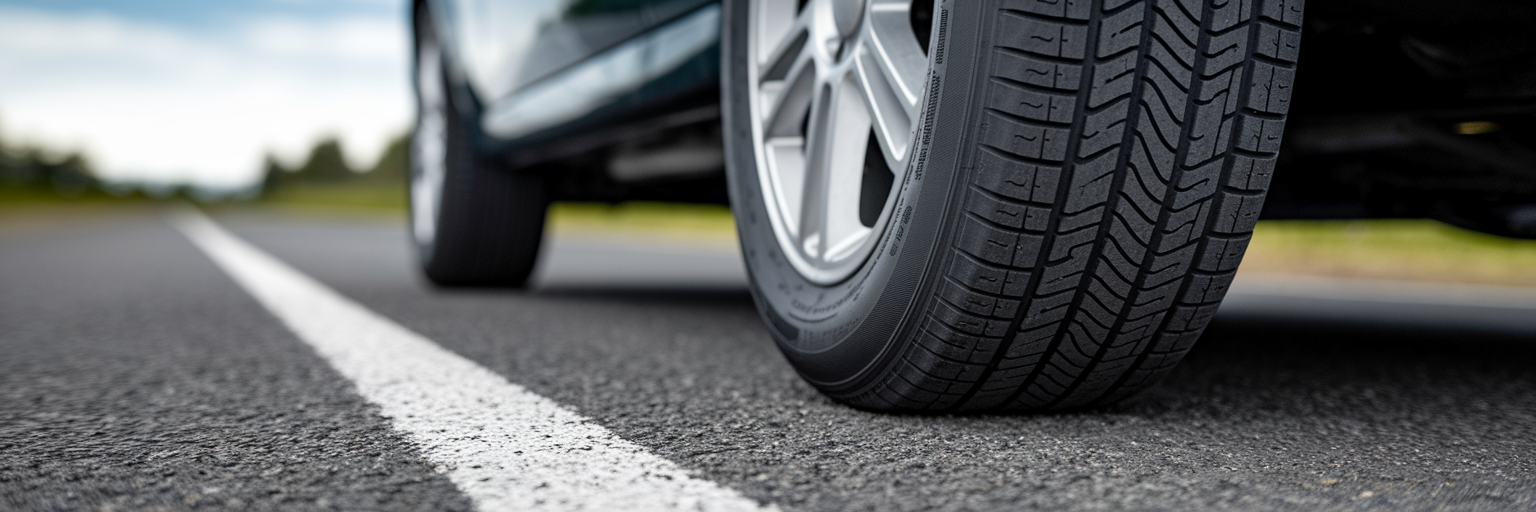
Another piece of long-standing advice suggests that keeping your fuel tank full is more efficient because it prevents fuel from evaporating. While this might have been a minor concern decades ago, it is no longer relevant. Modern cars are equipped with sealed fuel systems and evaporative emission control (EVAP) systems that capture fuel vapours and feed them back into the engine. Fuel loss from the tank is now negligible.
The real story here is about the physics of weight. Gasoline is heavy, weighing approximately 2.8 kilograms per gallon. A full 15-gallon tank adds over 40 kilograms of extra weight to your vehicle. Your engine must work harder to move that additional mass, which in turn slightly reduces your fuel economy. This principle is even more pronounced in heavier vehicles like the trucks that many people drive today.
Of course, you should never run your tank completely dry, as this can cause the fuel pump to overheat and fail. The most balanced strategy is to keep your tank between one-quarter and three-quarters full. This approach reduces unnecessary weight while ensuring the fuel pump remains submerged and cool, giving you a practical balance between efficiency and vehicle health.
Myth 4: Aftermarket Gadgets Offer a Miracle MPG Boost
The internet is filled with advertisements for cheap aftermarket devices and fuel additives that promise to dramatically increase your mileage. These products, from fuel line magnets that claim to “align” fuel molecules to intake vortex generators, are tempting because they offer a simple fix. The reality is that if these miracle solutions worked, car manufacturers would have already built them into their vehicles.
Independent and government bodies have tested countless such devices and have consistently found they provide no significant improvement in fuel economy. In some cases, they can even interfere with sophisticated engine sensors or disrupt airflow, potentially reducing performance or causing damage. The claims are based on pseudoscience, not sound engineering.
Instead of searching for a magic bullet, focus on what is proven to work. Real savings come from consistent maintenance and smart driving habits, not from unverified gadgets. It is wise to maintain a healthy skepticism toward any product that promises extraordinary results for a minimal investment. The contrast between these mythical fixes and genuine methods is clear.
| Mythical ‘Miracle’ Fix | Claimed Benefit | Reality & Proven Alternative |
|---|---|---|
| Fuel Line Magnets | ‘Aligns’ fuel molecules for better combustion | No scientific basis; provides no measurable MPG gain. |
| Intake Vortex Generators | Creates a swirling air effect for improved fuel mixing | Disrupts airflow designed by engineers; can reduce performance. |
| ‘Miracle’ Fuel Additives | Boosts octane or cleans engine for massive MPG gains | Most provide negligible benefits beyond basic detergents found in quality fuel. |
| Proven Alternative | Proper Maintenance & Driving Habits | Regularly check tire pressure, use correct oil, and drive smoothly for real, measurable savings. |
Myth 5: Manual Transmissions Always Beat Automatics
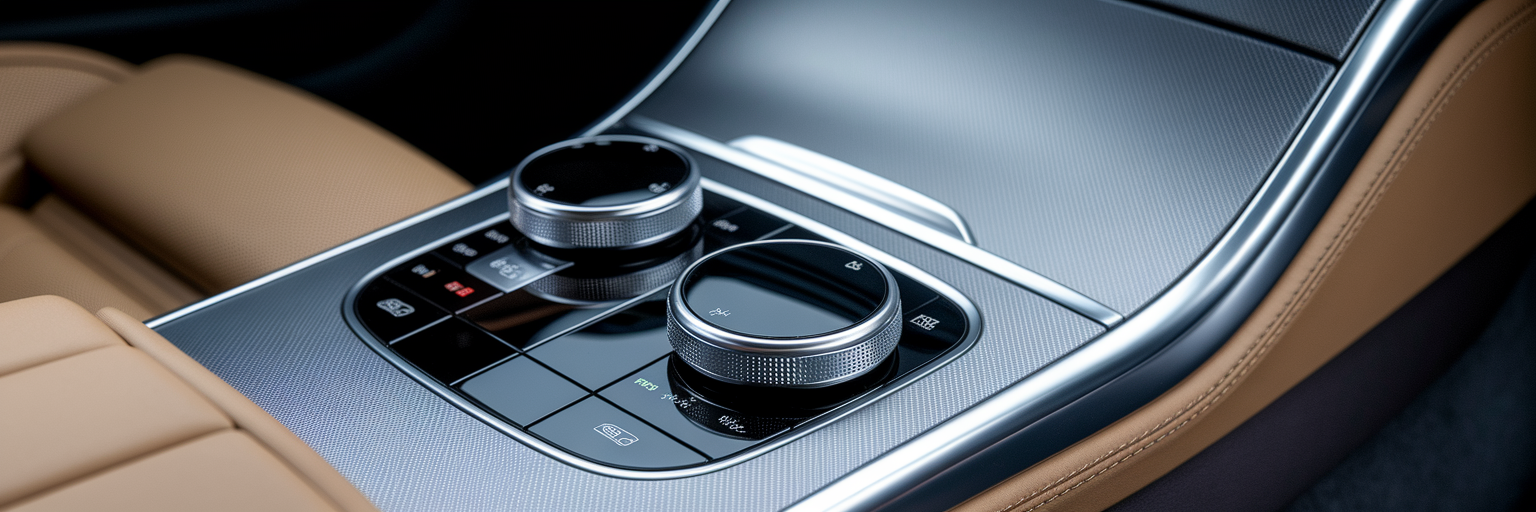
For decades, it was an accepted fact: a manual transmission is always more fuel-efficient than an automatic. This was certainly true in the past. Older automatic transmissions used power-sapping torque converters and were limited to just three or four gears, making them inherently less efficient than a skilled driver with a manual gearbox.
However, this is one of the fuel efficiency myths that has been completely overturned by technological progress. Modern automatic transmissions are marvels of engineering. Continuously Variable Transmissions (CVTs) keep the engine at its most efficient RPM, while dual-clutch systems shift instantly with no power loss. It is now common to see automatics with eight, nine, or even ten speeds, all designed to optimize engine performance far more precisely than the average driver can.
As a result, the automatic version of many new vehicles is now rated for equal or even better fuel economy than its manual counterpart. The old rule of thumb no longer applies. The choice between manual and automatic now comes down to driving preference and the specific engineering of the vehicle model, not a blanket assumption about efficiency. Keeping up with the latest automotive news reveals just how quickly this technology continues to advance.
Proven Strategies for Real Fuel Savings
Now that we have debunked some common myths, let’s focus on the actionable strategies that genuinely improve fuel economy. The best approach on how to save gas involves a combination of smart driving, regular maintenance, and practical planning. These proven methods may not sound as exciting as a miracle gadget, but they deliver real, measurable results at the pump.
Here are the key areas to focus on:
- Driving Behavior: This is where you have the most immediate control. Maintain a steady speed and use cruise control on highways. Avoid aggressive acceleration and hard braking, as these actions waste significant fuel. Anticipate traffic flow to coast more and brake less.
- Vehicle Maintenance: Following basic car maintenance tips for fuel economy is crucial. Ensure your tires are inflated to the correct pressure, as underinflated tires increase rolling resistance. Use the manufacturer-recommended grade of motor oil and replace clogged air filters regularly. Paying attention to your car’s health, such as investigating why your car is squeaking when you drive, is part of good upkeep.
- Weight and Aerodynamics: Reduce your vehicle’s workload. Remove unnecessary heavy items from the trunk or cabin. Take off roof racks and cargo boxes when they are not in use, as they create significant aerodynamic drag that forces your engine to work harder, especially at highway speeds.