
Defining Normal Engine Oil Consumption
The relationship between an engine and its oil is the foundation of its health and longevity. So, seeing the oil level drop on your dipstick can be an unsettling moment. It often triggers worries about expensive repairs, but the reality is more nuanced. The truth is, all internal combustion engines are designed to use a small amount of oil. This isn’t a design flaw. It’s a necessary part of lubrication, as a microscopic film of oil coats the cylinder walls to protect the piston rings. A tiny fraction of this film is inevitably burned away with each combustion cycle.
This brings up a critical question: what is normal engine oil consumption? There is no single answer. The acceptable amount varies significantly based on the engine’s design, its age, and even the manufacturer’s philosophy. For instance, some performance-focused or European models are engineered with looser tolerances to reduce friction at high RPMs, which can lead to higher oil use from the day they leave the factory. In fact, some of the best used German cars we’ve reviewed are known for this trait.
For most vehicles on American roads, a common benchmark for normal consumption is about one quart of oil for every 2,000 to 3,000 miles driven. In fact, a report from Cars.com confirms that while specifications vary, many manufacturers consider using up to a quart of oil between changes to be acceptable. However, if your car is using oil between oil changes at a rate of one quart in less than 1,000 miles, it almost always signals an underlying issue that needs attention. Factors like a new engine during its break-in period or the natural wear and tear on a high-mileage vehicle can also influence this baseline, but a sudden increase in consumption should never be ignored.
Consumption, Leaks, or Contamination: Identifying the Source of Oil Loss

Before you can address oil loss, you need to understand where it’s going. There are three distinct ways your car can lose oil, and each leaves a different clue. Pinpointing the right one can save you from unnecessary worry and point you toward the correct solution. Think of it as basic detective work you can do in your own garage.
The first possibility is internal consumption, where the engine is burning oil inside the combustion chamber. This is the most stealthy of the three because it often leaves no visible evidence on your driveway. The only initial sign is a consistently dropping oil level on the dipstick. The second, and most obvious, is an external leak. This is the classic scenario of finding dark, oily spots or puddles on the pavement where you park. These leaks typically come from aging gaskets, like the valve cover or oil pan gasket, or a poorly sealed oil filter.
The third and most serious issue is coolant contamination. This happens when a major internal failure, such as a blown head gasket, allows coolant and oil to mix. The telltale sign is a milky, tan, or “milkshake” like sludge on the dipstick or under the oil filler cap. This condition is often accompanied by engine overheating and clouds of white exhaust smoke. If you see this, stop driving immediately. To simplify your initial check, use this quick guide.
| Type of Oil Loss | Primary Symptom | Where to Look |
|---|---|---|
| Internal Consumption (Burning) | Dropping oil level with no visible drips; possible blue smoke from exhaust | Check the dipstick level regularly; observe the tailpipe during startup and acceleration |
| External Leak | Dark, oily puddles or spots on the ground under the engine | Inspect the garage floor or parking spot; look for oily residue on the engine block or oil pan |
| Coolant Contamination | Milky, frothy, or tan-colored oil | Check the oil on the dipstick and the underside of the oil filler cap |
Fourteen Common Reasons Your Engine Is Using Oil
Once you suspect your engine is burning oil internally, the next step is understanding why. There are numerous causes of engine burning oil, ranging from simple maintenance oversights to significant mechanical wear. Here are fourteen of the most common culprits.
1. Worn Piston Rings: Piston rings seal the combustion chamber. When they wear out, they allow oil from the crankcase to seep past and burn during combustion.
2. Stuck Oil-Control Rings: These specific rings are designed to scrape excess oil off the cylinder walls. If they get stuck with carbon deposits, they fail to do their job, leaving too much oil behind to be burned.
3. Worn Valve-Stem Seals: These small rubber seals prevent oil from the cylinder head from leaking down the valve stems into the combustion chamber. Over time, they harden and crack, losing their seal.
4. A Faulty PCV Valve: The Positive Crankcase Ventilation (PCV) system manages crankcase pressure. If the valve gets stuck open, it can create excessive vacuum in the intake manifold, pulling oil vapor directly from the crankcase into the engine.
5. Turbocharger Seal Problems: In turbocharged engines, seals prevent oil used to lubricate the turbo’s spinning shaft from entering the intake or exhaust. If these seals fail, the engine will burn oil rapidly.
6. Cylinder Wear: Over time, cylinders can wear into an oval shape or develop scoring, creating gaps that piston rings can no longer seal effectively.
7. Incorrect Oil Viscosity: Using an oil that is too thin for your engine can cause it to slip past seals and rings more easily, especially in older engines with wider tolerances.
8. Low-Quality or Overly Volatile Oil: Cheaper oils may have a lower flash point, meaning they vaporize and burn off more easily at normal operating temperatures.
9. Extended Oil-Change Intervals: Pushing oil changes too far allows the oil to break down and carbon deposits to form, which can lead to stuck rings and other issues.
10. High Engine Speeds: Consistently driving at high RPMs puts more stress on the engine and can lead to higher rates of oil consumption.
11. Towing or Heavy Loads: Placing the engine under heavy strain increases operating temperatures and pressures, which can cause more oil to be consumed. This is a key consideration when selecting one of the best used trucks for towing a camper we recommend.
12. Long Periods of Idling: Contrary to popular belief, extended idling can be hard on an engine. It can lead to incomplete combustion and carbon buildup on piston rings.
13. External Leaks: While not a form of burning, a slow, persistent leak can easily be mistaken for consumption if it’s not leaving obvious puddles.
14. Poor Maintenance History: A vehicle with a spotty service record is far more likely to have developed one or more of the issues listed above due to neglect.
The Case of the Missing Oil Without a Telltale Blue Cloud
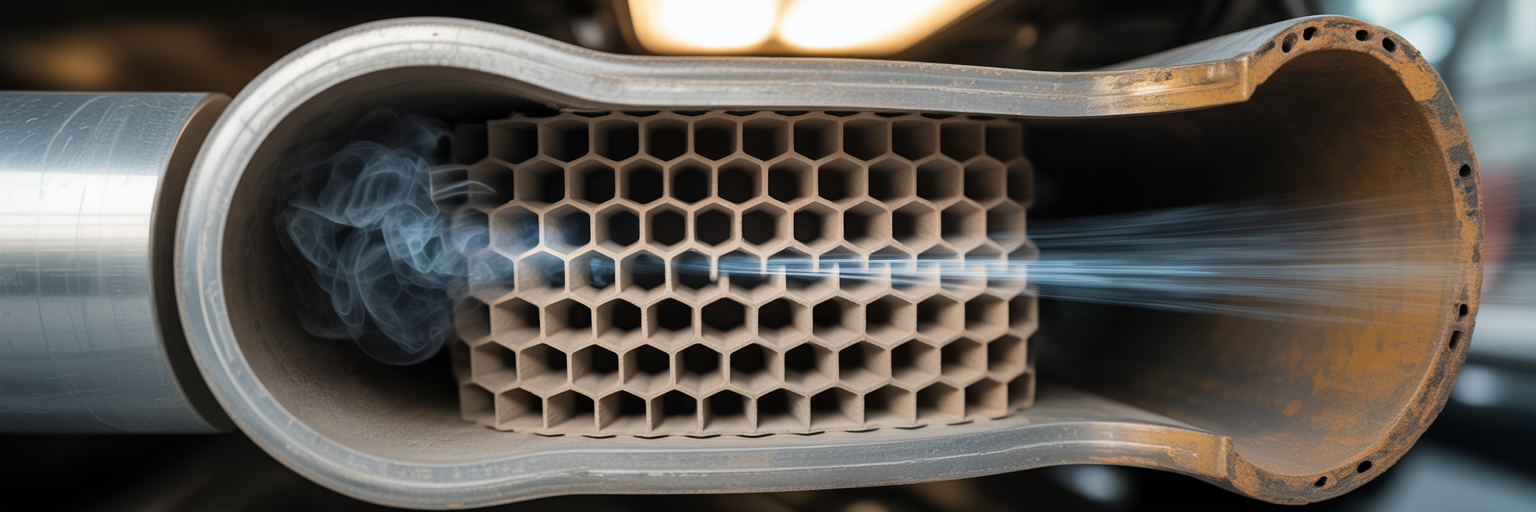
One of the most confusing scenarios for any car owner is a dropping oil level with no drips on the ground and no visible smoke from the tailpipe. You know the oil is disappearing, but where is it going? The answer often lies in a piece of modern emissions equipment: the catalytic converter.
Think of the catalytic converter as a superheated filter in your exhaust system. It operates at extremely high temperatures to burn off harmful pollutants. It is so effective that it can also burn away small to moderate amounts of oil particles before they ever have a chance to form the classic blue smoke cloud associated with oil consumption. In this way, a perfectly functioning catalytic converter can mask a developing engine problem, giving you a false sense of security.
Beyond the catalytic converter, very small amounts of oil may burn without ever producing enough smoke to be noticeable to the naked eye. However, there are specific moments when the symptoms of burning oil in car might briefly appear. Pay close attention during these situations:
On a cold start, a small puff of blue smoke that quickly disappears can indicate worn valve stem seals. Oil seeps past them overnight and is burned off when the engine first fires up. During sudden acceleration or deceleration, dramatic changes in engine vacuum can pull oil past worn piston rings or valve guides, creating a brief wisp of smoke that you might see in the rearview mirror. It is also important to know your smoke colors. A fleeting white puff is usually just water vapor. Thick, sweet-smelling white smoke points to a coolant leak. Only blue or grayish smoke means oil.
How to Accurately Measure Your Car’s Oil Consumption
If you suspect your car is using oil, guessing is not a strategy. To have a productive conversation with a mechanic or to simply understand the severity of the issue, you need hard data. The key to an accurate measurement is consistency. Following a methodical process for how to check for oil consumption will give you a reliable rate you can track over time.
1. Park on Level Ground. This is the most critical step and is non-negotiable. Even a slight incline can throw off the dipstick reading significantly, leading to an inaccurate measurement.
2. Follow the Manufacturer’s Procedure. Check your owner’s manual. Some manufacturers specify checking the oil when the engine is hot and has sat for a few minutes, while others recommend checking it cold. Following the correct procedure ensures a consistent baseline.
3. Fill to the ‘Full’ Mark. Top off the oil so the level is precisely on the “FULL” or “MAX” line on the dipstick. Be careful not to overfill, as this can cause the oil to foam up and may damage engine seals.
4. Record the Mileage. Write down the exact odometer reading. You can use a notes app on your phone or a small notebook kept in the glove box.
5. Drive and Recheck. Drive the car as you normally would for 1,000 miles. During this period, check the oil periodically to ensure it does not drop to a dangerously low level. After 1,000 miles, park in the exact same level spot and use the same procedure to check the level again.
6. Calculate the Rate. Now you can determine your consumption rate. If the dipstick, which typically represents one quart between the “ADD” and “FULL” marks, now reads halfway down, your engine has used half a quart in 1,000 miles. This concrete number is exactly what you need to monitor the problem or report it to a technician.
Key Symptoms That Accompany Excessive Oil Use
While a dropping oil level is the primary indicator, excessive oil consumption rarely happens in a vacuum. It is often accompanied by a host of other symptoms of burning oil in car that can help you confirm a problem exists. Recognizing these signs can help you catch an issue before it leads to more severe and expensive damage.
Low Oil Warnings: This is the most direct signal. It is important to know the difference between a low oil *level* light (often yellow) and a low oil *pressure* light (usually red). The pressure light is a critical warning that means you should stop the engine immediately to prevent catastrophic damage.
Visible Blue Exhaust Smoke: Although a catalytic converter can hide it, if you do see consistent blue or grayish smoke coming from the tailpipe, especially during acceleration, it is a definitive sign that oil is being burned.
Fouled Spark Plugs: Oil entering the combustion chamber can leave behind hard carbon deposits on the spark plugs. This can cause engine misfires, rough idling, and will likely trigger a check engine light.
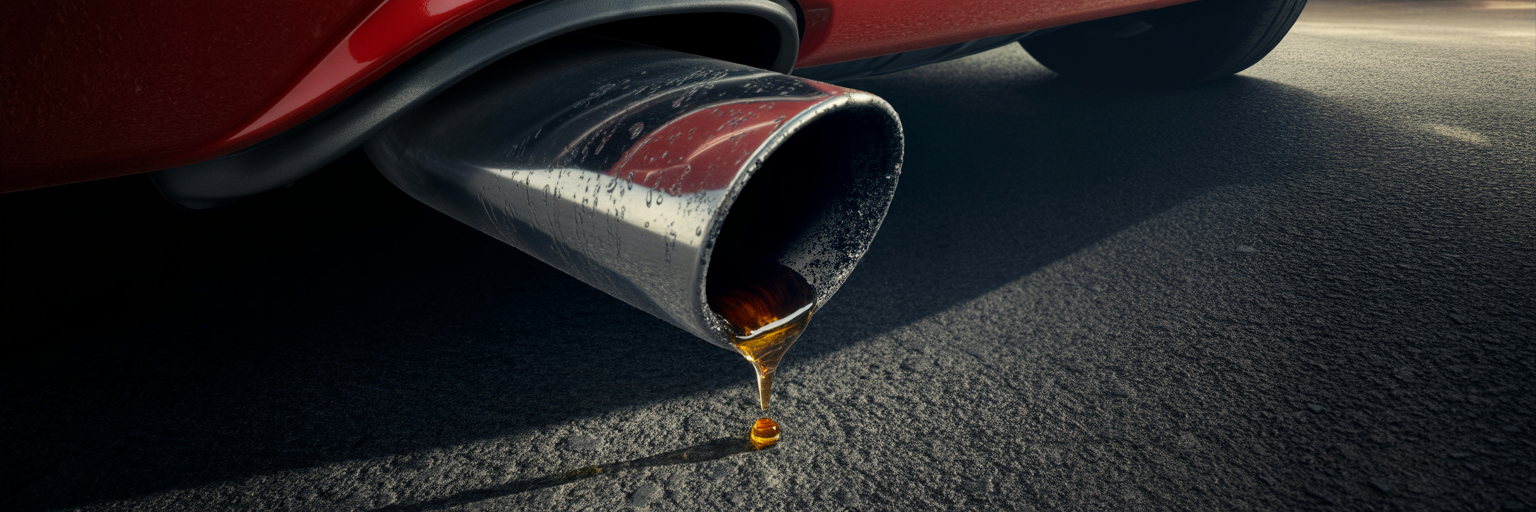
Oily Exhaust Deposits: Inspect the inside of your car’s tailpipe. Normal exhaust leaves a dry, black soot. If you find a wet, tar-like, or oily residue, it is evidence that oil is passing through the engine unburned.
Reduced Fuel Economy: The mechanical issues that cause oil consumption, like poor ring seal, also reduce engine efficiency. This means your engine has to work harder, leading to a noticeable drop in miles per gallon.
Catalytic Converter Damage: The oil that the converter burns off eventually clogs and damages it. This is an expensive repair, often signaled by a “P0420” diagnostic trouble code and a check engine light.
Engine Knocking or Ticking: These noises can be a sign of oil starvation. Ticking often comes from the valvetrain, while a deeper knocking sound can indicate worn engine bearings, a much more serious problem.
Professional Diagnostic Tests for Oil Consumption
Once your own checks point toward a significant oil consumption problem, the next step is a professional diagnosis. A qualified mechanic has specialized tools to move beyond symptoms and pinpoint the exact root cause. Understanding these tests can empower you to have a more informed conversation about your vehicle’s health and potential repairs. The process of excessive oil consumption diagnosis is methodical, starting with the simplest tests and moving to more complex ones.
The first step is always a thorough visual inspection for external leaks, which can sometimes be hidden or mimic the symptoms of internal consumption. If no leaks are found, a technician will likely proceed to a compression test. This test measures the pressure each cylinder can build. Low or uneven readings across cylinders often point to worn piston rings or cylinder walls, which are common causes of oil burning.
If the compression test suggests a problem, a leak-down test is often the next step. This is a more precise diagnostic tool. A mechanic will feed compressed air into each cylinder at the top of its stroke and listen for where the air escapes. Air hissing from the oil filler cap points to bad piston rings. Air escaping from the intake indicates a problem with an intake valve, and air from the tailpipe signals a bad exhaust valve. It is a highly effective way to isolate the failure.
For the most definitive look, a mechanic may use a borescope inspection. This involves inserting a tiny camera through the spark plug hole to get a direct visual of the inside of the cylinder. This allows the technician to see cylinder wall scoring, carbon buildup on the piston, or even pooling oil, providing undeniable evidence of the problem without having to disassemble the engine.
The Thicker Oil Debate: A Quick Fix or a Risky Gamble?
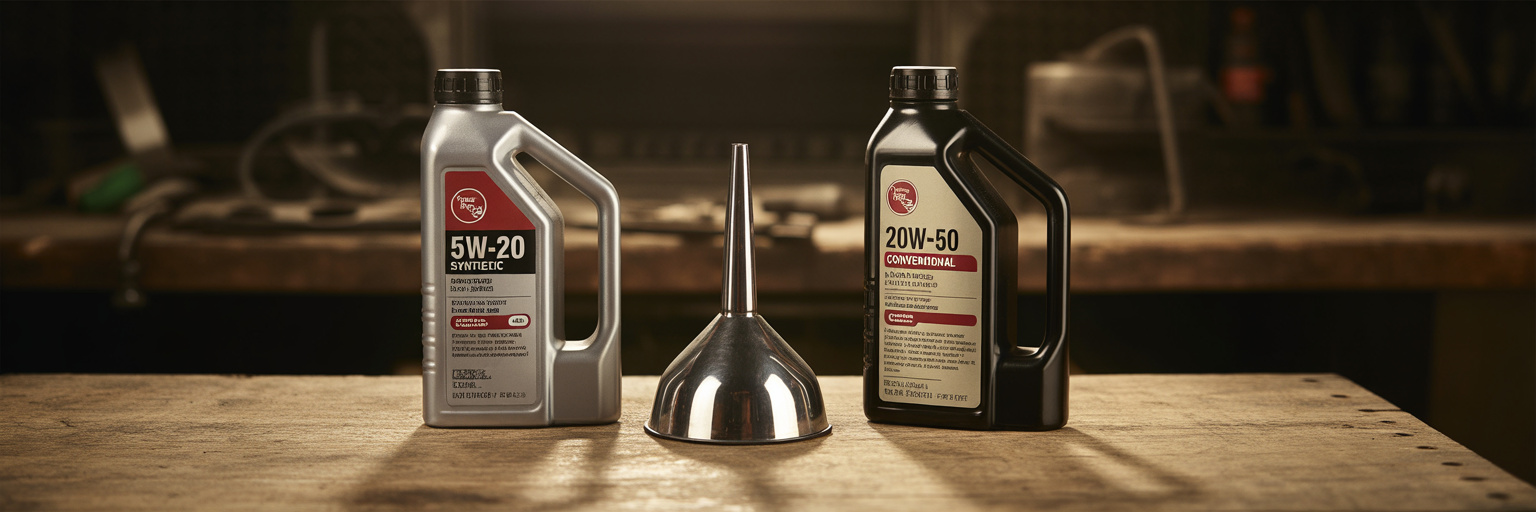
When faced with an older, oil-consuming engine, you will almost certainly hear this piece of advice: “Just switch to a thicker oil.” The logic seems sound. A higher viscosity oil, like a 10W-40 instead of a 5W-20, is heavier and flows more slowly, making it more difficult to slip past worn piston rings and failing valve seals. For decades, this was a common trick to quiet a noisy engine and reduce oil burning in high-mileage vehicles.
However, in most modern engines, this approach is a risky gamble. Engines built in the last twenty years are designed with extremely tight internal tolerances. They rely on thin, specific viscosity oils to properly lubricate critical components, especially during a cold start. Systems like variable valve timing (VVT) and turbochargers use oil pressure to function, and a thicker oil can impede their operation or starve them of lubrication entirely. You might slow the oil consumption, but you could be causing accelerated wear elsewhere.
Think of it as a bandage on a wound that needs stitches. The thicker oil does not fix the underlying mechanical problem. The worn rings or bad seals are still there, and they will continue to degrade over time. The thicker oil simply masks the symptom for a while. Our conviction is clear: always adhere to the manufacturer’s specified oil viscosity found in your owner’s manual. The engineers who designed your engine chose that specific weight for a reason. The only time to deviate is if a trusted, qualified mechanic recommends it after a complete and thorough diagnosis of your engine’s specific condition.
The High Stakes of Driving with Low Engine Oil
Engine oil is the lifeblood of your vehicle. It does more than just lubricate; it cools critical components, cleans away contaminants, and prevents corrosion. Allowing the oil level to run low is one of the most damaging things you can do to your engine. The consequences are not just inconvenient, they are financially catastrophic.
When the oil level drops too low, the oil pump can begin to suck in air, causing oil pressure to plummet. This starts a devastating cascade of damage. Without proper lubrication, friction and heat build up rapidly. The first components to suffer are usually the bearings and camshafts. This leads to accelerated wear, scoring, and eventually, complete engine seizure. At that point, the engine is often damaged beyond repair.
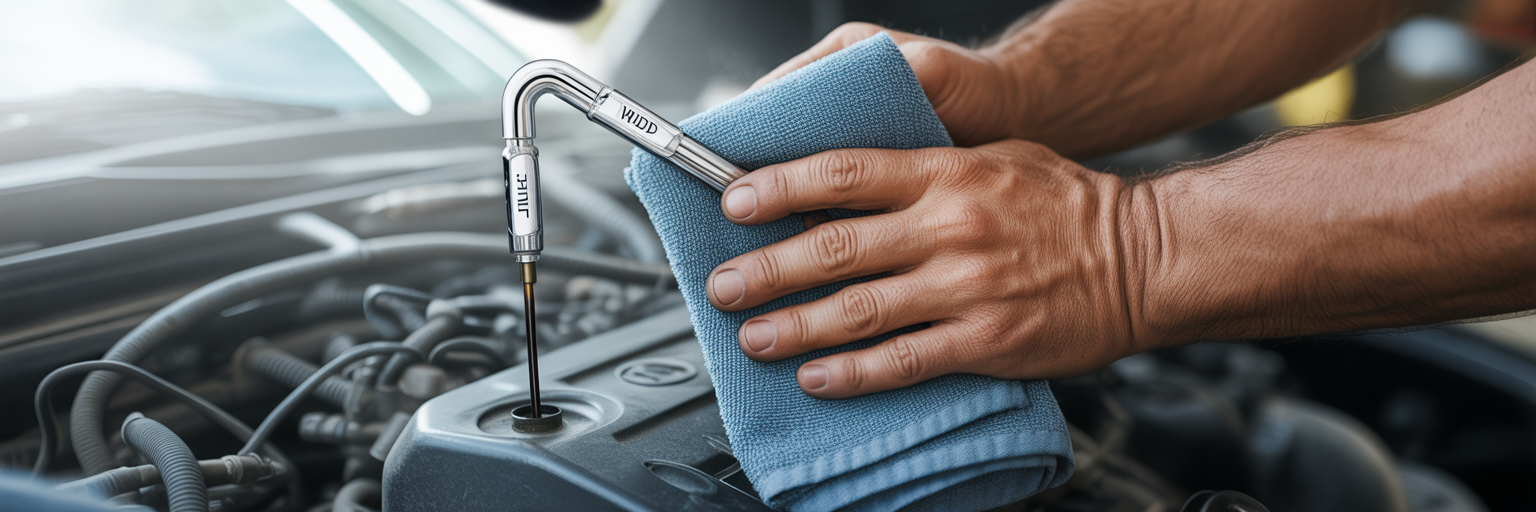
Consider the stark financial reality. A quart of oil costs a few dollars. A replacement engine can cost thousands. Regularly checking your oil is the cheapest and most effective form of engine insurance you can have. If you know your car is using oil between oil changes, this becomes even more critical. You cannot afford to be complacent. Make the dipstick your friend. We believe that developing the simple habit of checking your oil level at every other fuel stop is one of the most important things you can do to keep your car’s engine running for years. That two-minute task can save you from a four-figure repair bill.
Frequently Asked Questions About Engine Oil Consumption
Even with a good understanding of the issue, specific questions often arise. Here are answers to some of the most common queries about engine oil consumption.
Q: How much oil consumption is officially ‘too much’?
A: While the one quart per 1,000 miles rule is a strong red flag, the official answer lies with the manufacturer. Automakers publish Technical Service Bulletins (TSBs) that define acceptable consumption for specific models. If you are pursuing a warranty claim, a dealership will perform a formal, multi-step oil consumption test to verify the rate according to these official standards.
Q: Will switching to ‘high-mileage’ oil fix my problem?
A: It might help, but it is not a guaranteed fix. High-mileage oils contain special additives and seal conditioners designed to swell and soften old, hardened rubber seals. This can be effective at stopping minor seeps from valve seals or gaskets. However, it will not repair significant mechanical wear like worn-out piston rings. It is a great preventative step for cars over 75,000 miles, but it is not a cure-all for major consumption, which is a key reason why some high-mileage cars age better than others.
Q: Are oil additives that claim to ‘stop oil burning’ effective?
A: Approach these products with caution. Most “stop burn” additives are essentially viscosity improvers, meaning they thicken your existing oil. As discussed earlier, this is a temporary solution that masks the root cause and can be harmful to modern engines with tight tolerances and systems that rely on specific oil flow characteristics.
Q: Do turbocharged engines naturally use more oil?
A: Yes, they can. A turbocharger spins at incredibly high speeds and is lubricated by engine oil. The seals that contain this oil are under extreme heat and pressure, creating an additional potential point for consumption compared to a naturally aspirated engine. A small amount of consumption is often considered normal for these high-performance systems.
Q: My car is new and it’s using oil. Is that normal?
A: It can be. During the first few thousand miles of an engine’s life, known as the “break-in” period, components are still seating themselves. Piston rings, in particular, are wearing into the cylinder walls to create a perfect seal. This process can cause slightly higher oil consumption. You should monitor it closely and consult your dealer if it seems excessive or persists beyond the initial break-in period.