
The Enduring Appeal of a Classic SUV
The idea is tempting. For the price of a well-used hatchback, you could own a rugged, capable SUV. The GMC Jimmy, with its classic boxy shape and off-road promise, often appears on the shortlist for anyone seeking a budget friendly SUV. Its distinct, squared-off design has a nostalgic charm that stands out in a sea of modern, rounded crossovers. For many, the incredibly low entry price is the main attraction.
We have all seen them for sale online, listed for a price that seems too good to be true. This immediate affordability is what draws buyers in, promising adventure without a significant initial investment. But this raises the central question we need to answer. Does that low sticker price actually lead to an affordable ownership experience, or is it a gateway to a series of unforeseen and costly expenses? This article will provide a comprehensive used GMC Jimmy review to find out.
Understanding the True Cost of Owning a Jimmy
Moving past the initial appeal of the price tag, we must confront the reality of running costs. That low purchase price is not a market oversight. It is a direct reflection of the vehicle’s age and a widespread awareness of its high operating expenses. The financial picture of owning a Jimmy extends far beyond what you pay the seller.
Let’s start with fuel. With an engine that delivers fuel economy in the mid-teens, a Jimmy can easily cost nearly double to fuel compared to a modern compact SUV on the same weekly commute. That difference adds up quickly, turning a cheap vehicle into an expensive daily habit. Then there are the repairs. While individual parts might seem affordable, the sheer frequency of small fixes creates a financial drain. It is a classic case of being slowly worn down by constant, small expenses that deplete a tight budget.
Even insurance can hold surprises. You might assume an older vehicle would be cheap to insure, but the Jimmy’s lack of modern safety features like side airbags or stability control can sometimes lead to higher premiums than you would expect. To truly understand the investment, you have to look at the total cost, not just the price on the windscreen.
| Cost Factor | Used GMC Jimmy (c. 2000) | Modern Compact SUV (c. 2015) |
|---|---|---|
| Initial Purchase Price | $2,000 – $5,000 | $12,000 – $16,000 |
| Annual Fuel Cost (12,000 miles) | ~$3,300 (@ 15 MPG, $3.50/gal) | ~$1,750 (@ 24 MPG, $3.50/gal) |
| Estimated Annual Repair Budget | $1,000 – $2,500+ | $500 – $1,000 |
| Total First-Year Cost (Example) | $6,300 – $10,800+ | $14,250 – $18,000 |
Note: This table uses estimated figures to illustrate the financial trade-off. The Jimmy’s low entry price is quickly offset by significantly higher fuel and repair costs, potentially making a more expensive, modern vehicle cheaper to own over time.
Key Problem Areas to Inspect Before Buying
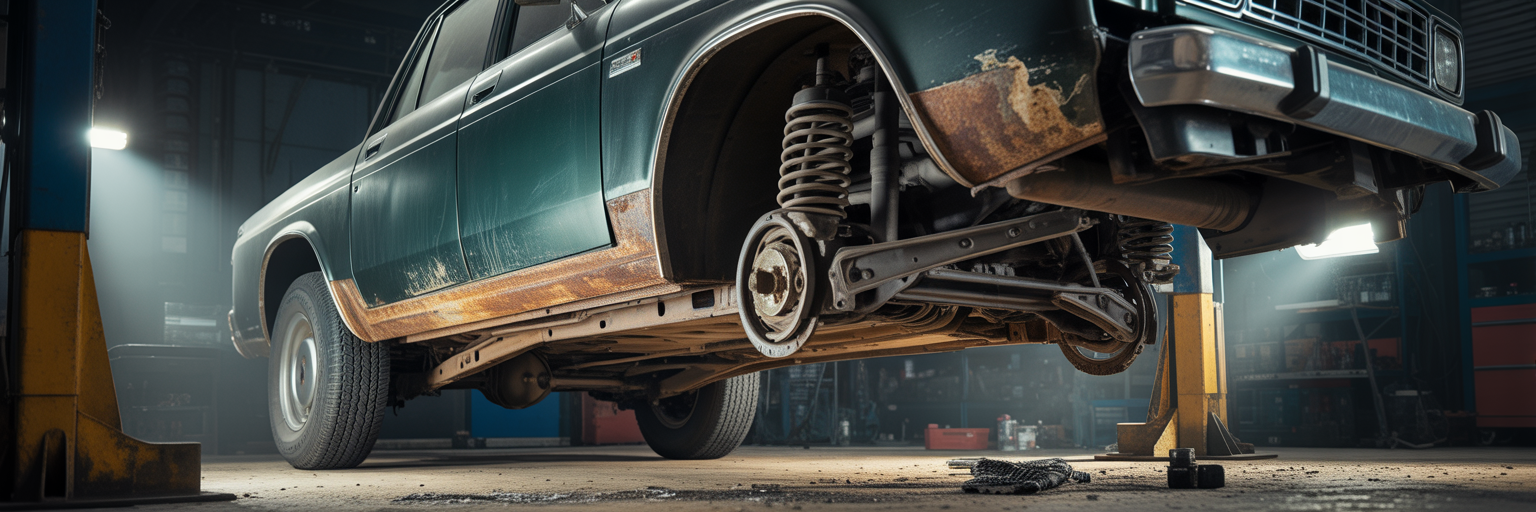
If you are still considering a Jimmy, a thorough inspection is your best defence against a bad purchase. This is not the time for a quick walk-around. You need to know exactly where to look for the most common and expensive failures. Here is a practical checklist of GMC Jimmy common problems to guide your inspection.
- Frame and Body Rust: This is the number one deal-breaker, especially for vehicles from regions where road salt is used. Look beyond the surface. Get on the ground and inspect the frame rails, paying close attention to the area near the rear leaf spring mounts. Check the rocker panels under the doors, the cab corners, and the bottoms of the doors. Significant rust here is a sign to walk away immediately.
- Automatic Transmission Failure: The automatic transmission is a notorious weak point. During your test drive, pay attention to how it shifts. Hesitation, slipping between gears, or harsh engagement are all red flags. Afterwards, check the transmission fluid. If it is dark brown or has a burnt smell, a costly rebuild is likely in the near future.
- Unreliable 4WD System: The Jimmy’s vacuum-actuated 4WD system is prone to failure. The plastic vacuum lines become brittle with age and crack, leaving you without four-wheel drive when you need it most. A blinking 4WD light on the dashboard is a common symptom of this exact issue.
- Braking and Electrical Faults: These smaller issues can be just as frustrating. Failing ABS control modules, erratic dashboard sensors, and faulty window switches are frequent complaints. While they may seem like minor annoyances, they can quickly become safety hazards and add up in repair costs.
Which GMC Jimmy Model Years Are Most Reliable?
Not all Jimmys were created equal. Understanding the production timeline can help you navigate the market, but it is important to remember that even the best model year is still a two-decade-old vehicle. A vehicle’s maintenance history will always be more important than its year of manufacture. Still, knowing the trends in GMC Jimmy reliability can give you an edge.
The Problematic Years: 1998-2001
These model years should be approached with the most caution. They are known for a high frequency of reported automatic transmission failures and severe electrical faults. Some models from this era were even subject to recalls for door panel wiring that could pose a fire hazard. The combination of mechanical and electrical weaknesses makes these years particularly risky for a buyer on a budget.
The Potential Sweet Spot: 1999
If you are determined to find one, the 1999 model year is often considered a relatively better choice. While not perfect, it seems to have avoided the worst of the transmission and electrical issues that plagued the surrounding years. This makes it a potential target for those searching for the best GMC Jimmy years to buy, but it still requires a rigorous inspection.
The Final Years: 2002-2005
The last few years of production saw some incremental improvements. General Motors had time to address some of the earlier flaws, but these models were not entirely problem-free. Lingering issues with cooling systems, fuel pumps, and other electrical components were still present. They represent a slight improvement in reliability but do not erase the fundamental design issues of the platform.
Daily Commuter or Weekend Project Vehicle?
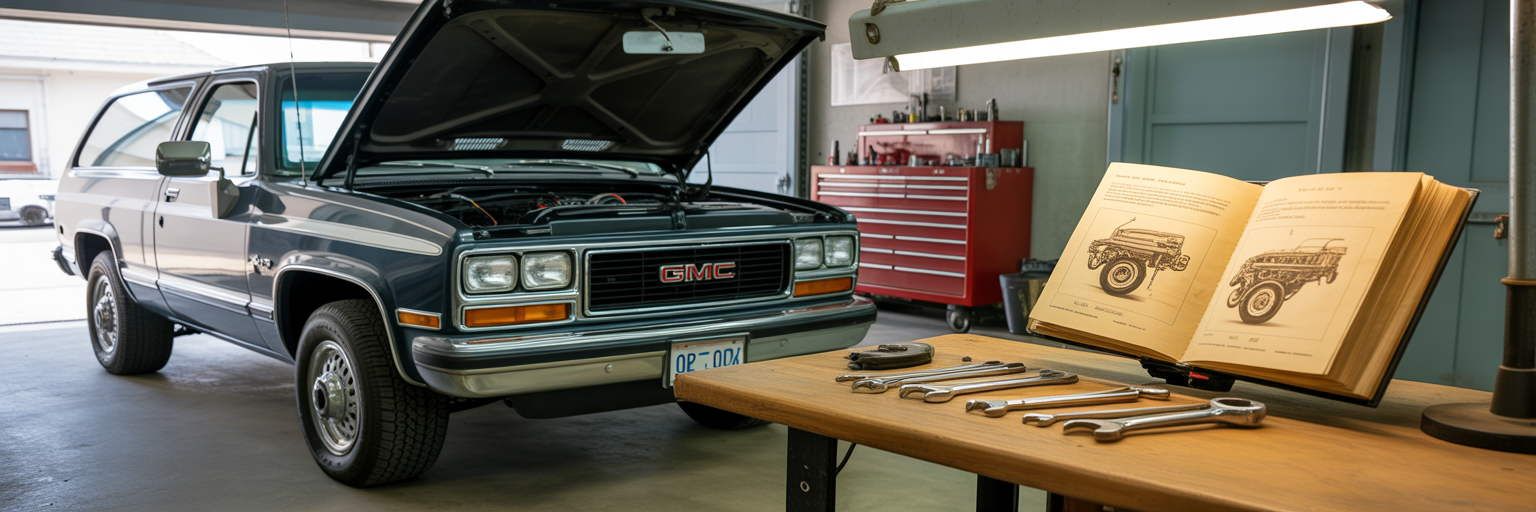
Before making a decision, it is essential to ask yourself a direct question: what role will this vehicle play in my life? The answer will determine if the GMC Jimmy is a reasonable choice or a recipe for frustration. Its suitability depends entirely on your needs and expectations.
As a primary daily driver, the Jimmy is a poor choice for most people. The reasons are clear and compelling:
- Poor Fuel Economy: The cost of fuelling a Jimmy for a daily commute can quickly erase any savings from its low purchase price.
- Lack of Modern Safety: With no side airbags, stability control, or modern crash protection, it falls far short of current safety standards.
- Questionable Reliability: The risk of being stranded on the way to work or an important appointment is significantly higher than with a more modern vehicle.
However, the narrative changes if you view the Jimmy as a secondary or project vehicle. In this context, its weaknesses become less critical and its strengths shine. The simple mechanics make it accessible for DIY repairs, a strong aftermarket provides plenty of parts and modification options, and its genuine off-road capability makes it a fun machine for weekend adventures. The ideal owner is someone with a reliable primary car, a separate fund for repairs, and the time and skills for maintenance. It is a rewarding vehicle for the right enthusiast, but a difficult partner for someone needing one dependable car.
Making Your Final Decision on the GMC Jimmy
So, is a used GMC Jimmy a smart buy? This complete GMC Jimmy buying guide leads to a clear conclusion. The core trade-off is undeniable: you get rugged charm and a low entry price in exchange for high running costs, poor fuel economy, and a high probability of frequent repairs.
For the average budget-conscious buyer who needs a reliable, low-stress vehicle for daily transportation, the GMC Jimmy is not a recommended purchase. A more modern, fuel-efficient used car, while more expensive upfront, will almost certainly be a wiser and cheaper long-term financial decision. The peace of mind that comes with dependable transportation is worth the higher initial cost.
If the appeal is simply too strong to ignore, proceed with extreme caution. Ensure you have a substantial repair fund set aside, perhaps 30% to 50% of the purchase price, ready for the inevitable. And most importantly, never buy one without a thorough pre-purchase inspection from a trusted mechanic who knows these vehicles.