
The Toyota Highlander didn’t just enter the SUV market in 2001; it redefined it. At a time when most SUVs were built on truck frames, resulting in a rough and bouncy ride, Toyota made a pivotal decision. They built the Highlander on the same platform as the smooth, predictable Toyota Camry. This created a vehicle with the space and versatility of an SUV but the comfortable road manners of a family sedan, setting a new standard for the modern crossover. This foundational choice is key to understanding its decades of success. But not all model years are created equal. This comprehensive used Toyota Highlander buying guide will walk you through each generation, highlighting the triumphs and the pitfalls.
Foundational Years: The First Generation (2001–2007)
The first-generation Highlander was a market disruptor. It offered families a practical alternative to the body-on-frame SUVs that dominated the early 2000s. Its car-based architecture delivered a driving experience that was less about rugged off-roading and more about comfortable, confident daily driving. This focus on usability made it an instant hit, but early adopters faced some significant mechanical hurdles.
The Car-Based SUV Pioneer
By sharing its underpinnings with the Camry, the Highlander provided a quiet and composed ride that competitors struggled to match. It was the perfect vehicle for families transitioning from sedans who needed more space for kids and cargo but dreaded the harshness of traditional SUVs. This generation established the core identity of the Highlander: reliability, practicality, and comfort. However, buyers looking at the earliest models need to be aware of some serious potential issues lurking under the hood.
Early Model Year Pitfalls (2001-2003)
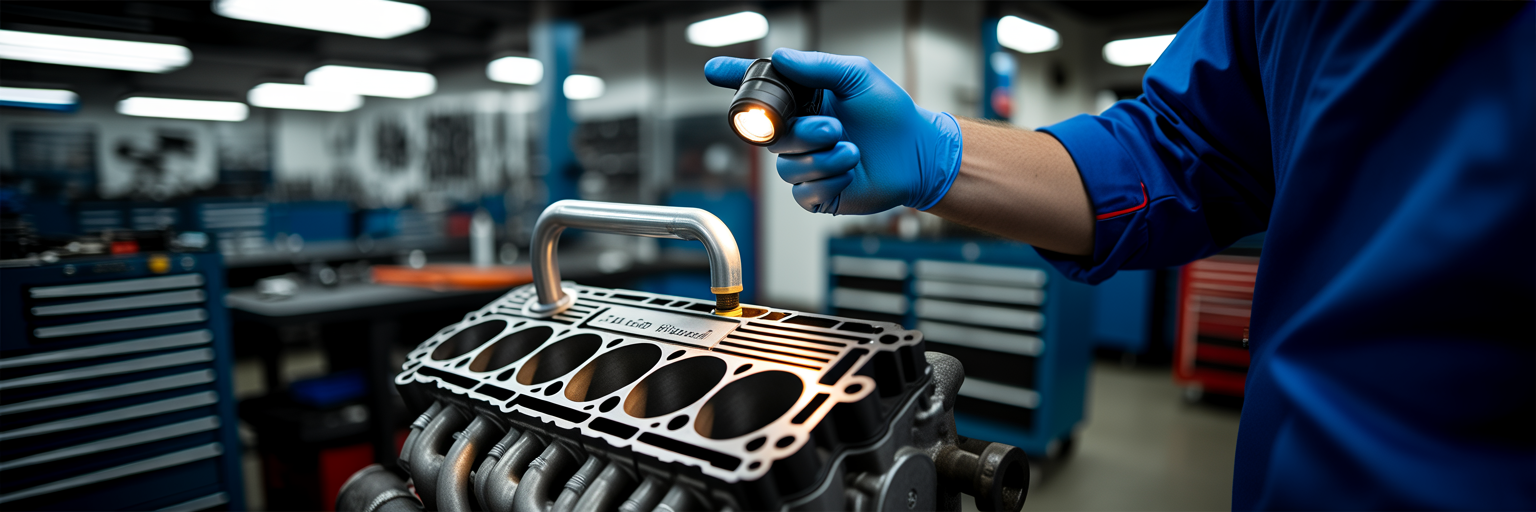
The first few years of any new model can be a proving ground, and the 2001-2003 Highlander was no exception. The 2.4-liter four-cylinder engine, while adequate, had a critical design flaw. The head bolts were prone to stripping their threads in the engine block, leading to head gasket failure and an extremely expensive repair that often exceeded the value of the vehicle. V6 models from this era weren’t without their own problems. The 3.0-liter V6 could develop a thick, damaging engine sludge if previous owners stretched their oil change intervals. This sludge restricts oil flow and can cause catastrophic engine failure. Another sneaky issue was a coolant leak that could develop from the rear of the engine block. It was difficult to spot during a casual inspection and could lead to overheating and severe engine damage if left unchecked.
Mid-Generation Improvements (2004-2005)
Toyota took these early criticisms to heart. The 2004 model year brought a significant update, including a more powerful 3.3-liter V6 engine that provided the performance many felt the original was missing. This engine was a welcome improvement for highway merging and carrying a full load of passengers and gear. Then, in 2006, Toyota made a landmark move by introducing the Highlander Hybrid. It was one of the first hybrid SUVs on the market, offering impressive fuel economy for its time and signaling the future direction of the brand. This move demonstrated Toyota’s commitment to efficiency without sacrificing the utility that buyers expected.
The Reliability Sweet Spot (2006-2007)
For buyers on a tight budget, the 2006–2007 models represent the sweet spot of this generation. By this point, Toyota had worked out the critical engine and cooling system problems that plagued the earlier years. The V6 engine was solid, and the overall build quality was what people had come to expect from Toyota. These last two years offer dependable, no-frills family transportation at a very accessible price point. That said, any vehicle of this age requires a thorough pre-purchase inspection. Pay close attention to age-related wear items like worn suspension components, brittle plastic parts in the engine bay, and the condition of the timing belt on V6 models, which requires periodic replacement.
Growth and Power: The Second Generation (2008–2013)
Building on the success of the original, the second-generation Highlander grew up. It became significantly larger, more powerful, and more focused on its role as a dedicated three-row family hauler. The standard 3.5-liter V6 engine gave it the muscle to match its bigger dimensions, moving it firmly into competition with other midsize family SUVs. This generation cemented the Highlander’s reputation, but the first model year is one to approach with extreme caution.
A Bigger, Bolder Family Hauler
The shift in size was immediately noticeable. The second-gen Highlander offered more room for passengers and cargo, with a more usable third-row seat. The interior felt more substantial, and the standard V6 engine provided confident acceleration that was a major step up from the previous generation. This was the Highlander fully embracing its identity as a suburban workhorse, ready for school runs, soccer practice, and family road trips. However, the very first year of this new design came with a critical flaw.
Warning: The Problematic 2008 Model Year
When considering Toyota Highlander years to avoid, the 2008 model stands at the top of the list for this generation. It suffered from two major, well-documented issues. The most severe was a rubber VVT-i oil line that was prone to rupturing without warning. This would cause a rapid and catastrophic loss of engine oil, potentially seizing the engine in a matter of minutes. The second issue was a faulty intermediate steering shaft that would develop a distinct “clunking” noise and create unnerving play in the steering wheel, a clear safety concern. While a recall was issued for the oil line, it’s safer to avoid this model year entirely.
The Path to Refinement (2009-2010)
Toyota quickly addressed the most pressing issues. By 2009, the steering shaft problem was largely resolved, and while the oil line issue was still a concern, awareness was growing. These models were a definite improvement over the 2008 version, but Toyota was still refining the platform. They represent a decent value if you can confirm the oil line has been replaced with the updated all-metal part, but the best of this generation was yet to come.
Peak Reliability: The 2011-2013 Models
The 2011 mid-cycle refresh marked the turning point for this generation. Along with updated styling, these models included the permanent fix for the oil line issue from the factory, replacing the rubber hose with a durable metal line. This change alone makes the 2011-2013 models the most desirable of the second generation. The 3.5-liter V6 in these later years is a legendary workhorse, known for its smooth power and incredible longevity. The Toyota Highlander reliability by year clearly points to these models as the pinnacle of the generation. The hybrid model also saw improvements in efficiency, though it adds a layer of complexity with its battery and electronics. For many, a well-maintained 2011-2013 V6 is a prime example of why some of our high-mileage cars age better than others and represents a fantastic value on the used market.
Modernization and Safety: The Third Generation (2014–2019)
The third generation marked the Highlander’s transition into the modern era. It shed its softer, rounded look for more aggressive exterior styling and, more importantly, received a vastly improved interior. Soft-touch materials, a more thoughtful layout, and upgraded technology made it feel more premium than ever before. This generation focused on refining the family SUV formula with a heavy emphasis on safety in its later years.
A Leap in Style and Interior Quality
The moment you stepped inside a 2014 Highlander, the difference was clear. The cheap-feeling plastics of the previous generation were replaced with higher-quality materials, and the dashboard design was more user-friendly and visually appealing. A clever storage shelf integrated into the dash was a small but brilliant touch that owners loved. This was a Highlander that wasn’t just practical; it was a genuinely nice place to spend time.
Early Tech and Transmission Woes (2014-2016)
While the interior was a huge step up, the early technology had some teething issues. The Entune infotainment system in 2014-2016 models was known to be frustrating, with reports of the screen freezing, lagging, or randomly losing its Bluetooth connection. Additionally, the 6-speed automatic transmission could exhibit some hesitation or occasional rough shifting, which could often be improved with dealer-installed software updates. These weren’t deal-breaking flaws, but they were annoyances in an otherwise solid vehicle.
The 2017 Turning Point: Safety as Standard
The 2017 model year was a pivotal moment for the Highlander and the industry. This is when Toyota made its Toyota Safety Sense P (TSS-P) suite of active safety features standard on every single trim level. This was a significant move that democratized safety technology. This suite included:
- Pre-Collision System with Pedestrian Detection
- Lane Departure Alert with Steering Assist
- Dynamic Radar Cruise Control
- Automatic High Beams
This decision instantly made the 2017-2019 models a top choice for families prioritizing safety. It was no longer a luxury option but a fundamental part of the vehicle’s design.
Powertrain Evolution: A New V6 and 8-Speed Auto
Coinciding with the safety update, 2017 also brought a new powertrain. A direct-injection 3.5-liter V6 was paired with a new 8-speed automatic transmission. This combination delivered more horsepower and better fuel economy than the outgoing setup. However, the new transmission wasn’t without its critics. Some drivers found the 8-speed could feel “busy,” frequently shifting as it hunted for the right gear, especially in city driving. Despite this, the 2017–2019 models are widely considered the best used Toyota Highlander years of this generation, offering an excellent mix of modern safety, proven power, and upscale features. This focus on technology extends to how modern drivers integrate their digital lives, from infotainment choices to choosing accessories that complement your style.
Efficiency and Technology: The Fourth Generation (2020–Present)
The current generation of the Highlander is the most sophisticated yet. Built on the Toyota New Global Architecture (TNGA-K) platform, it represents a significant leap forward in refinement, ride quality, and handling. In simple terms, this new foundation makes the vehicle feel more solid and composed on the road. It’s quieter, absorbs bumps better, and feels more responsive to driver inputs, giving it a premium feel that was absent in earlier models. This generation also saw a major shift in powertrain philosophy.
The Refined TNGA-K Platform
The benefits of the TNGA-K platform are felt from the driver’s seat. The ride is smoother, road and wind noise are greatly reduced, and the vehicle feels more agile than its size would suggest. This platform provides a stronger, more rigid base, which not only improves handling but also enhances crash safety. It’s the invisible upgrade that makes the fourth-generation Highlander feel like a more expensive vehicle than its predecessors.
Minor Launch Year Hiccups (2020)
As is common with a brand-new design, the 2020 launch year had a few minor issues. It’s important to be clear that these were not major mechanical failures but rather small annoyances. Some owners reported glitches with the new, larger infotainment system, and a poorly designed fuel-filler neck could cause the gas pump nozzle to click off prematurely before the tank was full. Toyota addressed these issues quickly, and they shouldn’t be a major deterrent for a well-priced 2020 model, but later years are a safer bet.
The Definitive Choice: 2021 and Newer Models
For those shopping for a nearly new Highlander, the 2021 and newer models are the definitive choice. The initial bugs from the 2020 launch were ironed out, resulting in a polished and highly reliable vehicle. This is also where the hybrid powertrain truly comes into its own. With its impressive fuel economy and seamless operation, the hybrid became a primary recommendation for many buyers, offering substantial long-term savings at the pump without any significant compromises in daily usability.
A Major Powertrain Shift: V6 Out, Turbo and Hybrid In
This generation marked the end of an era with the discontinuation of the beloved 3.5-liter V6 after the 2022 model year. This leaves buyers with three distinct powertrain personalities to consider. The smooth, linear power of the V6 is available in 2020-2022 models. The exceptional fuel economy of the 2.5-liter hybrid system is available from 2020 to the present. And starting in 2023, a 2.4-liter turbocharged four-cylinder offers strong low-end torque. This shift makes the Highlander hybrid vs gas used debate more relevant than ever, forcing buyers to weigh proven simplicity against modern efficiency and performance.
Choosing Your Powerplant: V6 vs. Hybrid vs. Turbo
The powertrain you choose will define your Highlander ownership experience. With the V6, hybrid, and turbo-four all available on the recent used market, it’s crucial to understand the distinct personality and priorities of each. This isn’t just about horsepower figures; it’s about how the vehicle feels in the real world and what it costs to run over the long term.
The Proven Workhorse: 3.5-Liter V6
The 3.5-liter V6, available through the 2022 model year, is the engine for buyers who prioritize long-term, proven reliability above all else. Its design has been refined over more than a decade, and it has a stellar reputation for durability. It delivers power in a smooth, linear fashion that feels effortless on the highway and is the best choice for those who plan to tow. Its primary weakness, however, is its fuel economy, which lags significantly behind its modern counterparts, especially in city driving.
The Efficiency Champion: 2.5-Liter Hybrid
For most drivers, the 2.5-liter hybrid system is the smartest choice. Its advantage in miles per gallon is undeniable, often delivering fuel economy in the mid-30s, which can translate to hundreds of dollars in fuel savings each year. A common concern is battery longevity, but Toyota’s hybrid batteries are designed to last the life of the vehicle. The most critical maintenance item is keeping the hybrid battery cooling fan and its filter clean. This fan, often located near the rear seats, prevents the battery from overheating, and a clog from pet hair or debris can lead to reduced performance and eventual degradation.
The Modern Contender: 2.4-Liter Turbo
Introduced in 2023, the 2.4-liter turbo-four was designed to provide V6-like torque with better fuel efficiency. It succeeds in delivering a punchy, responsive feel at low RPMs, making the Highlander feel quick off the line in city traffic. While its real-world fuel economy is only a slight improvement over the V6, its modern power delivery will appeal to some drivers. The crucial consideration here is long-term reliability. As a newer, more complex engine, its 200,000-mile durability is not as established as the V6, a key factor for risk-averse owners who plan to keep their vehicle for a decade or more. Knowing how we keep our car’s engine running for years is especially important with newer, turbocharged powerplants.
| Attribute | 3.5L V6 (pre-2023) | 2.5L Hybrid System | 2.4L Turbo I4 (2023+) |
|---|---|---|---|
| Power Delivery | Smooth, linear, strong at high RPM | Seamless, quiet at low speeds, adequate for daily driving | Punchy, strong low-end torque, responsive in city traffic |
| Fuel Economy (Combined MPG) | Low 20s | Mid 30s | Mid 20s |
| Long-Term Reliability | Excellent, proven over 15+ years | Very good, but requires battery cooling system maintenance | Good, but less long-term data available compared to the V6 |
| Best Use Case | Towing, highway cruising, prioritizing proven mechanics | City/suburban driving, maximizing fuel savings | Drivers wanting modern torque feel with better-than-V6 MPG |
This table summarizes the key characteristics of the three main Highlander powertrains available in recent generations. Data is based on EPA estimates and long-term owner reliability reports.
The Essential Pre-Purchase Inspection Guide
Finding the right model year is only half the battle. A thorough pre-purchase inspection is the single most important step in any used car purchase, and it’s what separates a great deal from a future headache. This practical, step-by-step guide will help you inspect a used Highlander like a pro.
- Start with the Paperwork: Before you even look at the car, ask for the service history. Consistent oil changes are the lifeblood of any engine, and records of transmission fluid services are a huge plus, especially on higher-mileage vehicles. A thick stack of receipts from a reputable shop is a great sign that a previous owner cared for the vehicle.
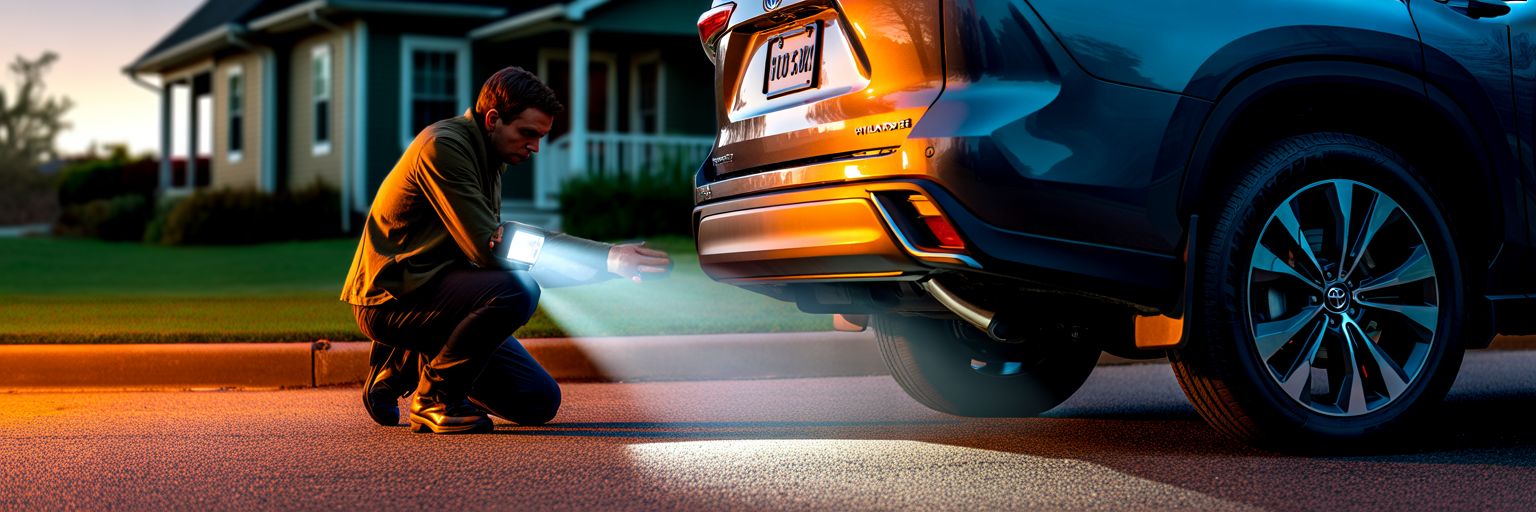
- Perform a Physical Inspection: Bring a good flashlight, even during the day. Get down on the ground and inspect the undercarriage, subframes, and the area behind the rear wheels for rust. This is especially critical if the vehicle spent its life in a Rust Belt state where road salt is used in winter. Check for any signs of fluid leaks on the engine, transmission, and around the axles.
- Make Hybrid-Specific Checks: If you’re looking at a hybrid, pay attention to two key areas. The main high-voltage battery is very robust, but the small 12-volt auxiliary battery that powers the electronics is a common wear item and should be tested. More importantly, listen for the hybrid battery cooling fan. Start the car, turn on the A/C, and listen for a small fan running, usually located near the rear passenger seats. A silent or noisy fan indicates a problem that must be addressed to protect the expensive hybrid battery.
- Check for Recalls and TSBs: Locate the Vehicle Identification Number (VIN) on the driver’s side dashboard or door jamb. Use the official NHTSA website to run a free check for any open safety recalls. Beyond recalls, it’s wise to research Technical Service Bulletins (TSBs). According to a report from CarGurus, being aware of TSBs for known issues like brake actuators or infotainment glitches can save a buyer from future headaches. This simple search provides you with powerful information to protect your investment.
This process is a vital part of our used Toyota Highlander buying guide. Never skip a professional inspection, but performing these initial checks yourself can help you quickly weed out neglected examples.
Final Verdict: The Right Highlander for You
After reviewing over two decades of models, it’s clear that the “best” used Highlander depends entirely on your priorities and budget. We’ve synthesized this guide into clear recommendations to help you make the right choice.
- For the Budget-Conscious Buyer: If your main goal is dependable transportation for the lowest possible cost, a thoroughly inspected 2006-2007 first-generation model is hard to beat. For a better balance of reliability and more modern features, a 2011-2013 second-generation V6 offers tremendous value for the money.
- For the Safety-Focused Family: The answer here is clear: a 2017-2019 third-generation model. The standard Toyota Safety Sense P suite makes this the undeniable choice for anyone prioritizing active safety features in a family vehicle. These models are also some of the best family road trip vehicles we’ve found that are not boring.
- For the Fuel Economy Maximizer: This is an easy decision. A 2021 or newer fourth-generation Hybrid is the unequivocal winner. Its class-leading MPG delivers significant long-term savings on fuel, making it the smartest financial choice for anyone who drives a lot, especially in suburban or city traffic.
- For the Long-Term Owner (10+ Years): This buyer faces a choice between two philosophies. The 2017-2019 V6 offers a fantastic blend of modern safety features with a mechanically simple, proven powertrain. Alternatively, a 2021+ Hybrid is for those who want maximum efficiency and are comfortable with modern, complex technology for the long haul. It’s a classic case of proven simplicity versus efficient modernity.