
For decades, families needing serious space and capability have turned to large, truck-based SUVs. They are the default choice for road trips, sports equipment, and the general chaos of daily life. In this segment, the decision between the 2026 Toyota Sequoia vs Nissan Armada highlights a fundamental split in automotive philosophy. This choice is more than just picking a brand; it’s about aligning a vehicle’s core strengths with your family’s priorities.
The Toyota Sequoia enters the ring as the modern contender, built around a powerful standard hybrid system that promises both efficiency and class-leading towing. It’s engineered for those who want advanced powertrain technology without compromise. On the other side, the Nissan Armada champions traditional virtues: immense interior volume and compelling upfront value. It focuses on maximizing space and comfort for every passenger. This full size SUV comparison will break down exactly what each vehicle offers in performance, utility, comfort, and cost, helping you decide which one truly fits your needs.
Engine Performance and Long-Term Fuel Costs
The conversation about these two SUVs begins under the hood, where their approaches diverge significantly. The 2026 Toyota Sequoia comes standard with its i-FORCE MAX powertrain, a twin-turbo V6 hybrid that produces a formidable 437 horsepower and 583 lb-ft of torque. This is not a mild hybrid for quietly restarting the engine at a stoplight. It’s a robust system where the electric motor provides instant torque for powerful acceleration and improved fuel economy.
In contrast, the 2026 Nissan Armada features a new 3.5-litre twin-turbo V6. While it forgoes a hybrid component, it is a potent and modern engine designed for smooth, linear power delivery that drivers of traditional SUVs will find familiar. The real difference emerges at the fuel pump. The impressive Sequoia hybrid mpg is projected to be around 22 mpg combined, while the Armada is expected to achieve about 18 mpg. For a family driving 15,000 miles a year, that 4 mpg difference translates into hundreds of dollars in annual fuel savings. The Sequoia’s immediate electric response makes it feel quick off the line, whereas the Armada builds power in a more conventional, steady manner.
Comparing Towing Strength and Cargo Space
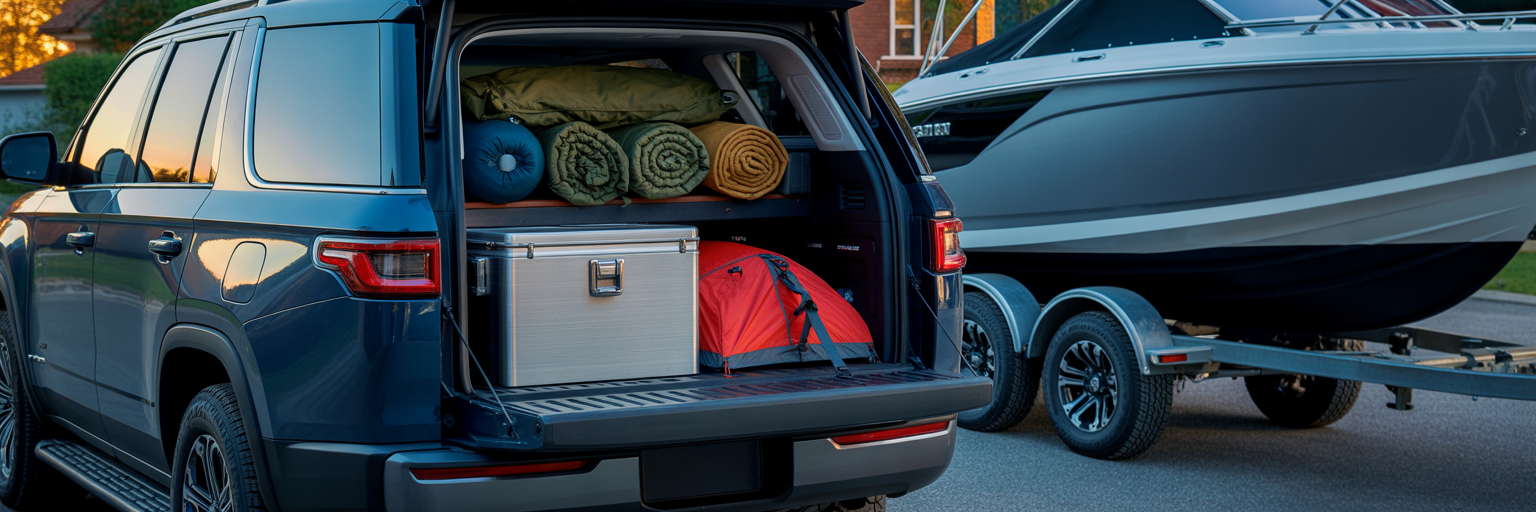
Beyond the engine, a large SUV’s worth is measured in its ability to haul people and their gear. When it comes to pulling a trailer, the Toyota Sequoia has a distinct edge. Its maximum SUV towing capacity is rated at an impressive 9,520 pounds. That extra muscle means the difference between towing a standard travel trailer and confidently handling a larger boat or a heavier camper for family adventures. The Nissan Armada is no slouch, with a respectable towing capacity of 8,500 pounds, but the Sequoia is the clear winner for those with serious towing needs.
However, the story flips when you look inside. The Armada offers a cavernous 97.1 cubic feet of cargo space with all seats folded down. This is where the Sequoia makes a compromise for its hybrid efficiency. Its battery pack is located under the rear cargo floor, which reduces total volume to 86.9 cubic feet. This is a critical trade-off to consider. If your weekends are filled with hockey bags, camping equipment, or large home improvement store runs, the Armada’s superior interior volume is a significant advantage. The choice is straightforward: the Sequoia prioritizes towing power, while the Armada prioritizes internal cargo capacity.
| Specification | 2026 Toyota Sequoia | 2026 Nissan Armada |
|---|---|---|
| Max Towing Capacity | 9,520 lbs | 8,500 lbs |
| Max Cargo Volume (All Seats Folded) | 86.9 cu. ft. | 97.1 cu. ft. |
| Third-Row Legroom (Approx.) | 33.7 inches | ~36 inches (projected) |
| Powertrain Type | Twin-Turbo V6 Hybrid | Twin-Turbo V6 |
This table summarizes the core functional differences between the two SUVs. Data is based on manufacturer specifications and industry projections for the 2026 model year. Legroom figures can vary slightly by trim.
Evaluating Interior Room and Passenger Comfort
While cargo volume tells part of the story, passenger experience defines how a family SUV feels on a long journey. Here, the focus shifts to the third row, a space that often feels like an afterthought. The superior Armada third row space is its standout feature. With more headroom and legroom, it’s a space where teenagers and even adults can sit comfortably without feeling cramped. It transforms the Armada into a genuine eight-passenger vehicle for more than just short trips around town.
The Sequoia’s third row, by comparison, is better suited for younger children or occasional use by adults. The seating position is lower to the floor due to the packaging of the hybrid components beneath it. This difference in passenger accommodation reflects their distinct interior design philosophies. The Armada’s cabin, drawing inspiration from its Infiniti QX80 sibling, leans toward a more luxurious and sophisticated feel. In contrast, the Sequoia’s interior is rugged and functional, sharing its durable design with the Tundra pickup truck. For families who consistently use every seat, the Armada’s practical passenger-focused layout is hard to ignore.
A Look at Onboard Technology and Safety Aids
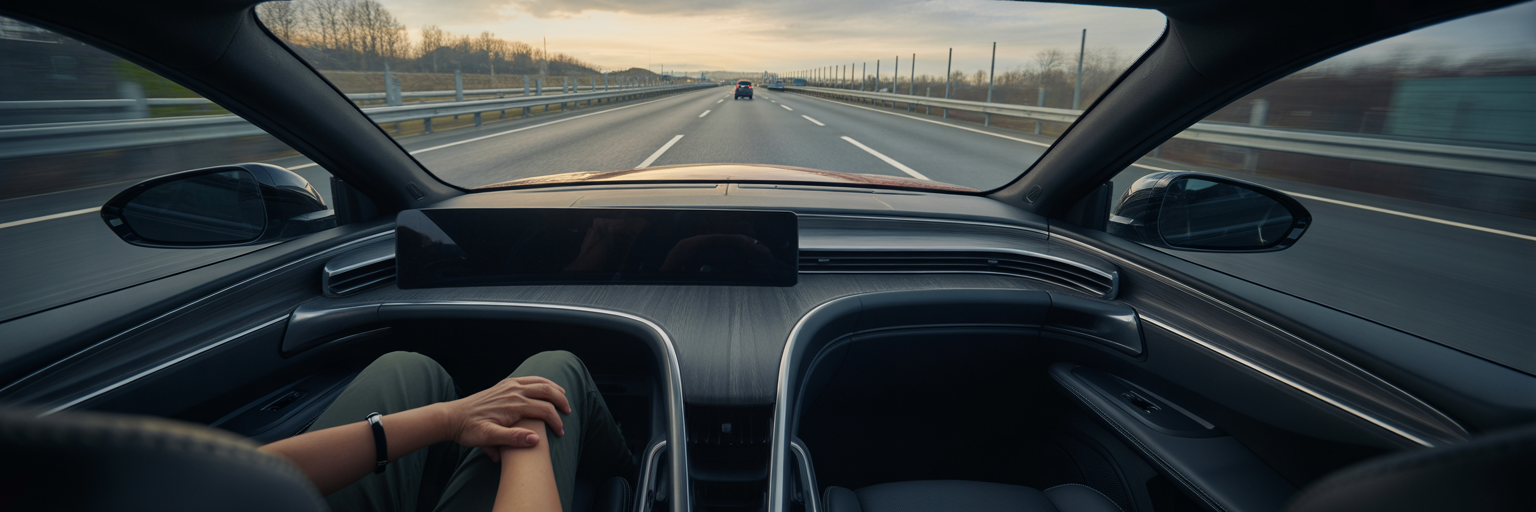
Technology in a family vehicle is about more than just screen size; it’s about reducing driver fatigue and enhancing safety. The Nissan Armada makes a strong statement with its available ProPILOT Assist 2.1 system. This advanced feature allows for hands-free driving on designated highways, a significant step forward in driver-assistance technology. For families who frequently embark on long highway road trips, this system can make the journey substantially more relaxing and less stressful.
The Toyota Sequoia takes a different but equally valid approach. It comes equipped with a large standard touchscreen and the comprehensive Toyota Safety Sense suite. This package includes a full array of active safety features like adaptive cruise control, lane-keeping assist, and automatic emergency braking. While it doesn’t offer a hands-free driving mode, its technology is robust, user-friendly, and standard across most trims. The decision comes down to what you value more. The Armada appeals to the tech-forward buyer who wants the latest in driver assistance, while the Sequoia caters to the pragmatic buyer who wants a strong, proven set of safety features included from the start.
Analyzing Cost of Ownership and Long-Term Value
The financial aspect of buying a large SUV extends far beyond the initial sticker price. The Nissan Armada typically holds a significant advantage here, with an estimated upfront cost that is around $6,000 less than a comparable Toyota Sequoia. For many families, that immediate saving is a major factor and can make the Armada the more accessible option right out of the gate.
However, the story changes when you consider the total cost of ownership. The Sequoia’s higher purchase price is often balanced by two key factors: Toyota’s well-earned reputation for reliability and its historically strong resale value. A vehicle that holds its value better means you lose less money to depreciation over time, which can make the Sequoia a smarter long-term financial investment. The choice presents a clear financial trade-off. Do you prefer the immediate savings offered by the Armada, or do you favor the potential long-term value retention of the Sequoia? Specialized trims, like the off-road-focused Sequoia TRD Pro or the performance-oriented Armada NISMO, can further influence this calculation, allowing buyers to align their spending with their specific passions.
Making the Final Decision for Your Family
Choosing between the 2026 Toyota Sequoia and Nissan Armada isn’t about finding the “perfect” SUV, but about finding the one that best matches your family’s unique demands. Each vehicle excels in different areas, making this a decision based on priorities. By focusing on how you will actually use your vehicle day-to-day, you can confidently select the best family SUV 2026 for your household.
Choose the 2026 Toyota Sequoia if:
- You prioritize long-term fuel savings from a standard hybrid engine.
- You frequently tow a heavy boat, camper, or trailer.
- Strong resale value is a key factor in your purchasing decision.
Choose the 2026 Nissan Armada if:
- A lower initial purchase price is a top priority for your budget.
- You need maximum interior cargo space for sports gear or equipment.
- You regularly use the third row for teenagers or adults on long trips.