
Discovering a puddle under your vehicle can immediately trigger a sense of concern. Your mind might race through a list of expensive potential repairs. Before you worry, it is important to know that seeing a small amount of water to drip under my car is often a completely normal and harmless occurrence. This is especially true on warm, humid days when your car’s systems are working to keep you comfortable and the engine is running efficiently. Most of the time, this clear, odorless liquid comes from one of two sources: condensation from your air conditioning system or water vapor expelled by the exhaust.
Think about how a cold glass of iced tea “sweats” on a summer afternoon. Your car’s A/C system works in a very similar way. At the same time, the process of burning fuel in your engine naturally creates water as a byproduct. This article will guide you through understanding these normal processes. More importantly, it will empower you to confidently distinguish between a harmless drip of condensation and the warning signs of a more serious fluid leak, so you know exactly what to look for and when to take action.
Why You Might See Water to Drip Under My Car
That small puddle of clear water you see under your car is most often a sign that your air conditioning system is doing its job perfectly. The process is a simple matter of physics, turning your car into a dehumidifier on wheels. Inside your dashboard is a component called the evaporator core. Its function is to become extremely cold, allowing it to cool the air that is then blown into the cabin to keep you comfortable.
When you run your A/C, warm, humid air from outside is pulled into the system and passes over this frigid evaporator. Just like moisture from the air condenses on a cold drink can, the moisture in the cabin air condenses into water droplets on the surface of the evaporator core. If this water were allowed to just sit there, it would quickly lead to musty odors and potential mold growth inside your ventilation system. To prevent this, automotive engineers designed a simple but effective solution: the A/C drain tube.
This small rubber or plastic hose is specifically designed to collect the condensed water from the evaporator housing and channel it safely out of the vehicle and onto the ground below. This is why a car leaking water A/C drip is so common. You can typically find this drip spot under the front of the car, usually on the passenger side. The fluid will be clear, odorless, and feel just like water. If the puddle you see matches this description, you can rest assured it is just harmless condensation and a sign that your A/C is working as intended.
Understanding Condensation from the Exhaust System
While the A/C system is the most frequent source of a water puddle, your car’s exhaust is another common and equally harmless culprit. This type of condensation is distinct from an A/C drip and is directly related to the process of internal combustion. In simple terms, when your engine burns gasoline, it creates several byproducts, including carbon dioxide and water in the form of hot vapor. This water vapor is a natural part of the exhaust gases leaving your engine.
So why does this vapor turn into liquid water dripping onto the pavement? The reason is temperature difference. When you first start your car, especially on a cool morning, the entire exhaust system from the engine back to the tailpipe is cold. As the hot, moisture-laden exhaust gases travel through these cool pipes, the water vapor condenses back into liquid. This is why you might see clear water dripping from the very end of your tailpipe shortly after starting the engine.
Some mufflers are even designed with a small “weep hole” for this exact purpose, allowing condensed water to escape instead of pooling inside and causing rust over time. This phenomenon is most noticeable during short trips, as the exhaust system may not get hot enough to evaporate all the accumulated moisture. The key differentiator from a more serious issue is that this dripping should slow down and stop entirely once the car has been running for a while and the exhaust system is fully heated. If you notice a persistent flow of water from the exhaust, it could signal a different problem.
A Guide to Identifying Problematic Fluid Leaks

Once you have ruled out A/C and exhaust condensation, it is time to investigate other possibilities. If the puddle under your car has a distinct color, smell, or texture, it is a clear signal that you are dealing with a fluid leak that needs attention. Learning what fluid is leaking from my car is a matter of simple observation. The color, odor, and location of the drip are the primary clues that will help you identify the source and understand the severity of the issue. For example, a drip of clear fluid leaking from car might be harmless A/C condensation, but if it is found near a wheel and feels slippery, it could be brake fluid, which is a critical safety concern.
Understanding your car’s condition is essential for its longevity, and identifying leaks early is a major part of that. This is particularly true for older vehicles, which is one of the reasons why some high-mileage cars age better than others. To help you become a more informed car owner, we have created a chart to guide your diagnosis. Use a clean white paper towel to soak up some of the fluid to get a clear look at its color.
| Fluid Type | Common Colors | Distinct Smell | Feel & Consistency | Typical Leak Location |
|---|---|---|---|---|
| Engine Oil | Amber (new) to dark brown or black (old) | Oily, somewhat burnt | Slippery and moderately thick | Under the engine, front or middle of the car |
| Coolant / Antifreeze | Bright green, pink, orange, blue, or yellow | Distinctly sweet, syrupy | Slightly slimy, watery | Under the engine, radiator, or from hoses in the engine bay |
| Transmission Fluid | Red or reddish-brown (can be dark brown if old) | Slightly sweet or tart, oily | Oily and very slippery | Middle or front of the car, further back than engine oil |
| Power Steering Fluid | Amber, reddish, or light brown | Slightly burnt, like burnt marshmallow | Thin and oily | Front of the car, near the steering components |
| Brake Fluid | Clear to yellowish-brown | Slight, almost odorless to slightly oily | Very slippery, similar to cooking oil | Near the wheels or along the chassis lines |
| Windshield Washer Fluid | Blue, green, or orange | Soapy or like window cleaner | Thin, like water | Front of the car, near the washer fluid reservoir |
Note: Fluid colors can vary by manufacturer and can change with age and contamination. Always consult your vehicle’s owner’s manual and, when in doubt, have a professional mechanic diagnose the leak.
Diagnosing and Addressing a Coolant Leak
Among all potential fluid leaks, a coolant or antifreeze leak is one of the most critical to address immediately. This brightly colored, sweet-smelling liquid is the lifeblood of your engine’s cooling system, and losing it can lead to severe consequences.
Why Coolant Leaks Are Critical
Your engine’s cooling system is responsible for maintaining a stable operating temperature. When coolant leaks out, the system loses its ability to dissipate heat effectively. This can quickly lead to engine overheating, a condition that can cause catastrophic and expensive damage, such as a warped cylinder head or a completely seized engine. Properly addressing coolant issues is a cornerstone of long-term engine health, which is why we created a guide on how to keep your car’s engine running for years.
Common Coolant Leak Sources
Coolant can escape from several points in the system as components age and wear out. A visual inspection can often reveal the source. Common failure points include:
- Cracked or brittle radiator hoses
- A leaking radiator, especially at the plastic end tanks where they meet the aluminum core
- A failing water pump, often identified by drips from its weep hole
- A simple loose hose clamp that just needs tightening
You can perform a basic check by looking for colorful stains or a chalky residue around hoses and the radiator when the engine is completely cool. You should also check the coolant level in the overflow reservoir.
Symptoms of a Blown Head Gasket
The most severe scenario is an internal coolant leak caused by a blown head gasket. This means coolant is leaking into the engine’s combustion chambers. The primary car leaking coolant symptoms for this issue are unmistakable and require immediate professional attention. Look for profuse white smoke with a sweet smell coming from the exhaust, a milky or frothy appearance in the engine oil on the dipstick, or constant bubbling in the radiator or coolant reservoir. If you see any of these signs, do not continue to drive the vehicle.
Pinpointing Oil and Transmission Fluid Leaks
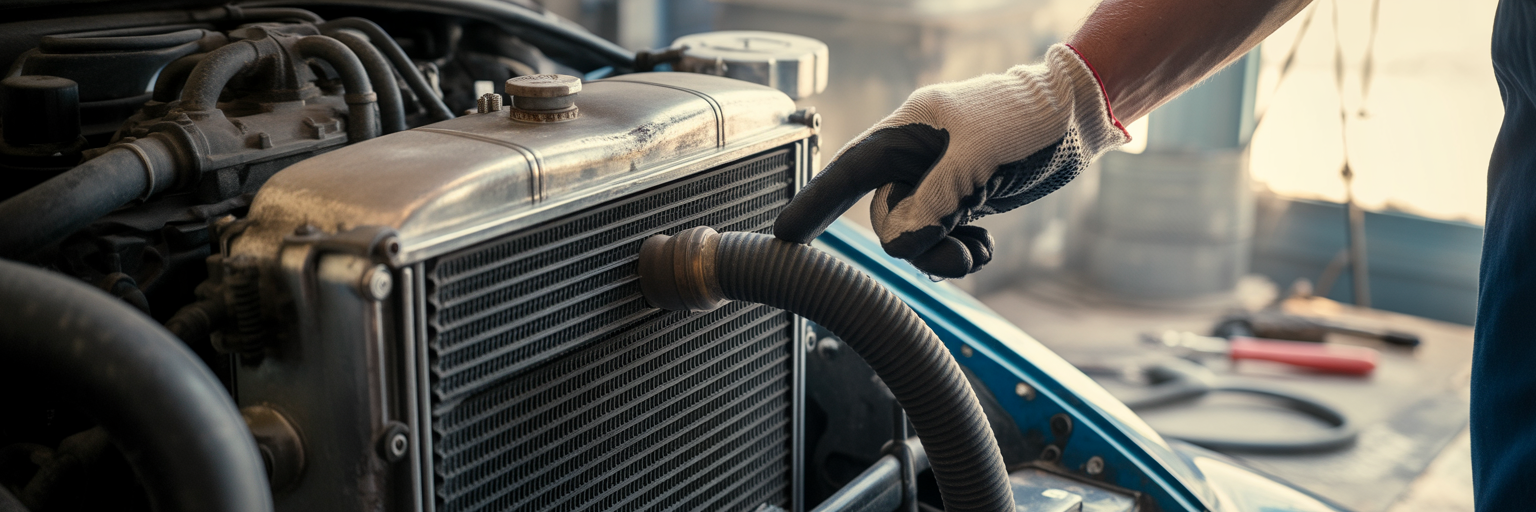
Leaks involving engine oil or transmission fluid are also serious, as these fluids are essential for lubricating and cooling critical moving parts. While they may not cause the immediate overheating associated with a coolant leak, ignoring them will lead to premature wear and costly failures down the road.
Common Engine Oil Leak Locations
Engine oil leaks are very common as vehicles age and gaskets become hard and brittle. With a flashlight, you can often spot the source of the leak. The most frequent culprits include:
- A degraded oil pan gasket, causing drips from the bottom of the engine.
- A hardened valve cover gasket, which allows oil to leak from the top of the engine and run down the side.
- A loose oil filter or drain plug, which is a common issue right after an oil change if not tightened correctly.
Risks of Low Engine Oil
Engine oil creates a protective film between moving metal parts, preventing friction and heat buildup. Even a slow, persistent leak can cause the oil level to drop dangerously low. This leads to low oil pressure, increased friction, and accelerated wear on vital components like bearings, pistons, and camshafts. Eventually, it can result in complete engine failure.
Identifying Transmission Fluid Leaks
Automatic transmission fluid is typically red and has a very slippery feel. Leaks often originate from the transmission pan gasket, the cooler lines that run to the radiator, or the seals where the axles connect to the transmission. A key diagnostic clue is the location; a transmission fluid leak is usually found further back toward the middle of the car, compared to an engine oil leak. The consequences of low transmission fluid are severe, including hard or delayed shifting, slipping gears, and ultimately, complete transmission failure, which is one of the most expensive repairs a car owner can face.
The Clogged A/C Drain: When Water Leaks Inside
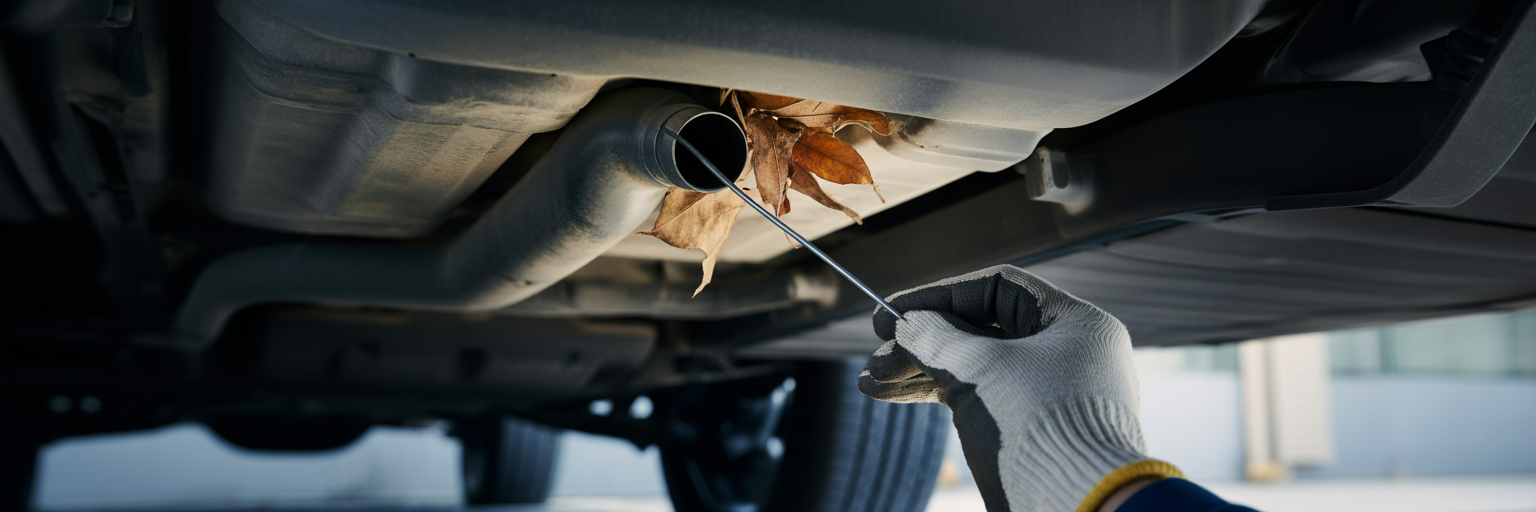
We have established that water dripping under your car from the A/C is normal. But what happens when that normal process goes wrong? The A/C drain tube, while simple, can become clogged with road debris, dirt, leaves, or even insects. When this happens, the water has nowhere to go, leading to a problem that can be alarming for any car owner.
The primary symptom of a clogged A/C drain is a wet passenger-side floorboard. The collected condensation backs up in the evaporator housing inside the dashboard and eventually overflows, spilling directly into the cabin. This is more than just an inconvenience. A persistently wet carpet will inevitably lead to a musty, mildew smell and can promote the growth of mold, which can be a health concern for you and your passengers.
Beyond the smell, this water can cause significant damage to sensitive electronic components. Many vehicles have control modules, wiring harnesses, and fuse boxes located under the dashboard or beneath the carpet. Soaking these components in water can lead to short circuits and mysterious electrical problems that are difficult and expensive to diagnose and repair. For a handy owner, clearing the clog can sometimes be a simple fix. You can try to locate the end of the drain tube on the vehicle’s firewall in the engine bay or on the underside of the car and gently use compressed air or a flexible wire to clear the obstruction. However, you must be cautious to avoid damaging the tube or the evaporator core itself. If the clog is stubborn or difficult to access, it is best to seek professional help.
An Expert’s View on Diagnosing Fluid Drips
While a car owner can perform many initial checks, professional mechanics rely on a systematic approach to diagnose leaks with speed and accuracy. They have seen thousands of drips and can often identify a fluid by its look and smell in seconds. To get a professional perspective, we spoke with an industry veteran who has spent decades pinpointing the source of mysterious puddles.
This expert insight helps reinforce the diagnostic process. “From the shop side, the key is that true condensation is clear, odorless, and time-limited; if it keeps coming when the system isn’t running or the car shows temperature/AC warnings, it’s a diagnostic priority,” says R. Delaney, Senior ASE-Certified Automotive Diagnostics Manager. This statement provides a powerful framework for any car owner.
Let’s break down what this means for you. The phrase “clear and odorless” confirms the visual and scent checks we have discussed. If it looks and smells like water, it probably is. The term “time-limited” is crucial; it highlights the difference between normal drips that stop (like exhaust condensation after warmup) and persistent leaks that continue to drip long after the car is parked. Finally, the mention of “warnings” underscores the importance of heeding your vehicle’s communication system. Dashboard lights like the check engine light or a temperature gauge climbing into the red are your car’s way of telling you that a leak has become a critical problem that requires immediate attention.
A Practical Approach to Fixing Common Leaks
Once you have identified a leak, the next question is whether you can fix it yourself. While some repairs are best left to professionals, several common leaks are well within the grasp of a determined DIYer. Before you begin any work, safety must be your top priority. Always secure the vehicle on level ground with jack stands, never relying on a jack alone. Wear safety glasses to protect your eyes from dirt and dripping fluids, and ensure the engine is completely cool before touching any components.
Knowing how to fix car fluid leak can save you significant money. Here are a few simple fixes:
- A loose hose clamp is often the cause of a slow coolant leak. Simply use a screwdriver or socket to tighten it until it is snug.
- A loose oil drain plug or oil filter after a recent service can be gently tightened. Be careful not to over-tighten, as this can strip the threads.
For a slightly more involved repair, like replacing a leaking oil pan or valve cover gasket, the process generally involves draining the relevant fluid, unbolting the component, meticulously cleaning both mating surfaces to remove all old gasket material, installing the new gasket, and reinstalling the component, tightening the bolts to the manufacturer’s recommended torque specifications. The ease of these repairs can vary greatly between vehicles, which is a key consideration for budget-conscious owners looking for their next car. In fact, some of the best used cars for first-time buyers under $12,000 are known for being more accessible to work on. However, it is vital to know your limits. Any leak involving critical safety systems like brakes or steering, complex components like the transmission or A/C system, or major engine work like a water pump or head gasket should be handled by a certified mechanic.
Preventative Maintenance to Keep Your Car Leak-Free

The best way to deal with fluid leaks is to prevent them from happening in the first place. Shifting your focus from reactive problem-solving to proactive prevention can save you money, time, and stress. The most effective habit you can develop is performing regular visual inspections. Make a point to glance under your car where you normally park. A new spot on the pavement is an early warning sign that something has changed.
Periodically, open the hood and take a look around. You do not need to be a mechanic to spot a hose that looks cracked, swollen, or degraded. A few key preventative actions can make all the difference:
- Regularly check all fluid levels, including engine oil and coolant, as recommended in your owner’s manual. A level that is consistently dropping, even without a visible puddle, indicates a slow leak or consumption issue that needs to be addressed.
- Adhere to your vehicle’s scheduled maintenance plan. This includes replacing hoses, belts, and fluids at the manufacturer-recommended intervals. Old, brittle rubber and degraded fluid seals are primary causes of leaks.
- Keep the engine bay relatively clean. A clean engine makes it much easier to spot the source of a new leak.
This vigilance is just as important for a family SUV as it is for a work truck. For example, the maintenance needs for large vehicles like those in our Chevrolet Tahoe vs. Ford Expedition comparison are critical to their longevity. The same principles apply to all vehicle segments, including the popular midsize truck category detailed in our analysis of the Nissan Frontier vs. Chevrolet Colorado. Ultimately, while a clear water drip is usually fine, being observant about the color, smell, and consistency of any fluid under your car is the key to catching serious problems early and ensuring a long, reliable life for your vehicle.