
Every driver relies on the immediate and predictable response of their brake pedal. It is a fundamental point of trust between you and your vehicle. But what about the unseen liquid that makes this critical action possible? The question of whether this essential component degrades over time is a common one, so let’s get right to it: does brake fluid go bad? The answer is an unequivocal yes, and understanding why is essential for the safety and longevity of your car. This fluid is not just a simple liquid; it is a highly engineered substance performing a demanding job under extreme conditions.
Understanding What Brake Fluid Is and Why It Matters
At its core, brake fluid is the lifeblood of your vehicle’s braking system. It is a specialized type of hydraulic fluid designed to operate within a sealed environment, withstanding immense pressure and significant temperature fluctuations. Its primary purpose is to transfer the force you apply with your foot on the brake pedal into the powerful clamping action that stops your wheels from turning. Without this fluid, your brake pedal would be nothing more than a disconnected lever.
The magic behind this process lies in a fundamental principle of physics. Brake fluid is virtually incompressible, meaning it cannot be squeezed into a smaller volume. When you press the brake pedal, you are pushing a small piston inside a component called the master cylinder. This action pressurizes the fluid, and because it cannot be compressed, that pressure is transmitted instantly and equally throughout the entire network of brake lines. This hydraulic force is multiplied at the wheels, where larger pistons use that pressure to generate the immense force required to slow down a vehicle weighing thousands of pounds. It is a simple yet brilliant system that turns a light touch from your foot into a powerful stopping force.
To perform this job reliably, brake fluid must possess several key properties. First and foremost is a high boiling point. The friction from braking generates a tremendous amount of heat, especially during heavy use like descending a steep hill or in stop-and-go traffic. The fluid must resist boiling, because if it turns to vapor, it becomes compressible and can lead to a sudden loss of braking power. It must also maintain a consistent viscosity, flowing smoothly and predictably whether you are starting your car on a frigid winter morning or driving through a summer heatwave. This ensures your brake pedal feels the same and responds consistently in all conditions.
Beyond its hydraulic duties, the fluid also plays a protective role. It contains a sophisticated package of additives that prevent rust and corrosion from forming on the internal metal surfaces of your brake lines, calipers, and master cylinder. These additives also lubricate the various seals and moving parts within the system, preventing them from wearing out prematurely and ensuring they operate smoothly. In its ideal state, brake fluid is a silent, hardworking hero ensuring your safety every time you drive.
The Mechanics of a Hydraulic Braking System
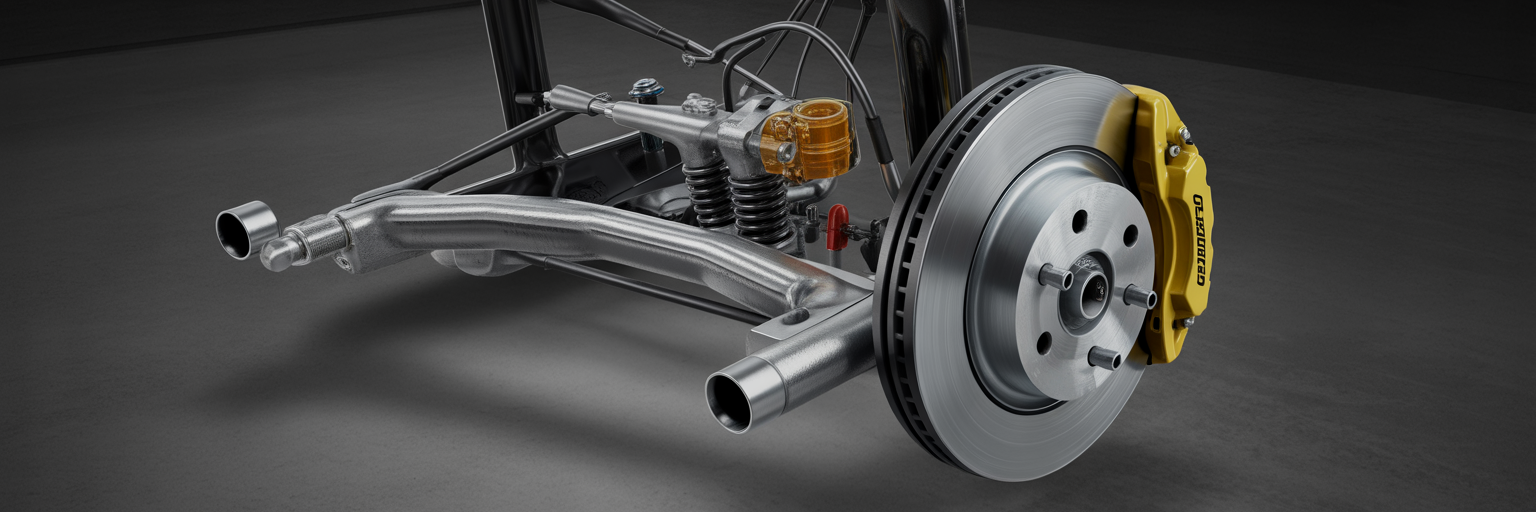
To appreciate why old brake fluid is a problem, it helps to follow its journey through the system. The entire sequence begins the moment your foot touches the brake pedal, initiating a precise chain of events that relies entirely on the integrity of the fluid. This process is a perfect example of hydraulic engineering at work, converting a simple mechanical motion into powerful, controlled force.
The Master Cylinder: Converting Motion to Pressure
Think of the master cylinder as the heart of the braking system. Mounted on the firewall in the engine bay, directly in front of the driver, this component is where the process begins. When you press the brake pedal, a pushrod connected to the pedal moves forward into the master cylinder. Inside, it actuates one or two pistons that slide within a bore filled with brake fluid, which is fed from the reservoir sitting on top of it. As these pistons move, they seal off a port from the reservoir and begin to pressurize the fluid trapped in front of them. This is the critical point of conversion, where the mechanical force from your leg is transformed into the hydraulic pressure that will be sent to all four wheels.
The Network: Brake Lines and Hoses
Once pressurized, the brake fluid leaves the master cylinder and embarks on its journey through an intricate network of tubes. This network consists of two main types of conduits. The first is rigid, double-walled steel brake lines that are carefully routed along the vehicle’s frame and underbody. These lines are strong and durable, designed to withstand the high pressures of the system and resist damage from road debris. However, your wheels need to be able to move up and down with the suspension and turn left and right for steering. To accommodate this movement, the rigid lines connect to flexible, reinforced rubber brake hoses at each corner of the vehicle. These hoses provide the necessary flexibility while still containing the immense hydraulic pressure, ensuring an unbroken connection from the master cylinder to the brake assembly at each wheel.
The Final Action: Calipers, Pads, and Rotors
The final stage of the journey is where the stopping happens. When the pressurized fluid reaches the wheel, it enters a component called a brake caliper. Inside the caliper are one or more pistons. The incoming fluid pushes these pistons outward with tremendous force. This action squeezes a pair of brake pads against a large, spinning metal disc called the brake rotor, which is attached to and spins with the wheel. The intense friction created between the pads and the rotor converts the car’s kinetic energy into heat, rapidly slowing the rotor and, consequently, the wheel. While most modern cars use this disc brake setup, some vehicles, particularly on the rear axle, may use drum brakes. In that system, the fluid pushes brake shoes outward against the inside of a spinning drum to create friction. In either case, it is the pressurized fluid that delivers the final, critical command to stop the car. Knowing how these parts work together is crucial for understanding why maintaining them is so important, a concept that ties into many of our guides on how to keep your car’s engine running for years and other long-term maintenance topics.
The Inevitable Decline of Brake Fluid Degradation
Now we return to the central question, and the answer is definitive. Yes, brake fluid absolutely goes bad. This is not a matter of opinion or a potential issue; it is a scientific certainty rooted in the chemical composition of the fluid itself. Over time, every drop of glycol-based brake fluid in your car will degrade, losing its essential properties and putting your braking system at risk. This decline happens in two primary ways: through moisture contamination and the depletion of its protective additives.
The Core Problem: Hygroscopicity and Moisture Contamination
The main culprit behind brake fluid failure is a property called hygroscopicity. This means that common brake fluids, specifically DOT 3, DOT 4, and DOT 5.1, are designed to absorb and hold moisture from the surrounding atmosphere. It is an inherent trait of their glycol-ether chemistry. This brake fluid contamination occurs through several pathways. Moisture can permeate through microscopic pores in the flexible rubber brake hoses, seep past seals in the calipers and master cylinder, and enter the system every time the reservoir cap is removed for an inspection. You can think of the fluid like a dry sponge that slowly but surely soaks up humidity from the air. This process is slow, silent, and invisible, but its effects are profound.
Vapor Lock: The Dangerous Consequence of a Low Boiling Point
The most dangerous consequence of moisture absorption is its dramatic effect on the fluid’s boiling point. Fresh, new DOT 3 fluid has a “dry” boiling point of over 400°F (205°C), which is more than enough to handle the heat generated by normal braking. However, as the fluid absorbs water, that boiling point plummets. With as little as 3% water content, the fluid’s boiling point can drop below 300°F (149°C). This might not seem like a problem during a routine trip to the grocery store, but it becomes critical under demanding conditions. Imagine you are driving down a long, steep mountain pass, using your brakes frequently to control your speed. The calipers and rotors get extremely hot, and that heat transfers directly to the fluid. If the fluid’s temperature exceeds its now-lowered boiling point, the water within it will turn to steam. Unlike liquid, steam is a gas and is highly compressible. The result is a phenomenon known as vapor lock. Your brake pedal will suddenly feel soft and “spongy,” and it may sink all the way to the floor with little to no braking effect. This can cause a sudden and terrifying loss of braking ability when you need it most.
The Silent Damage: Additive Depletion and Internal Corrosion
While vapor lock is the most immediate danger, a second, more insidious form of degradation is happening simultaneously. The chemical additives that protect the metal components of your brake system do not last forever. Over time and through exposure to heat cycles, these corrosion inhibitors are consumed and break down. Once they are depleted, the moisture that the fluid has absorbed is free to attack the bare metal of the brake lines, master cylinder, and calipers from the inside out. This creates rust and sludge that can circulate through the system. This debris can clog the tiny, precise passages within the brake components, causing pistons to stick and seals to fail. The most vulnerable component is the Anti-lock Braking System (ABS) modulator. This is a highly complex and expensive part filled with tiny solenoids and valves that are easily jammed or destroyed by contaminated fluid, leading to a costly repair that could have been easily prevented.
A Guide to DOT 3, 4, 5, and 5.1 Fluids
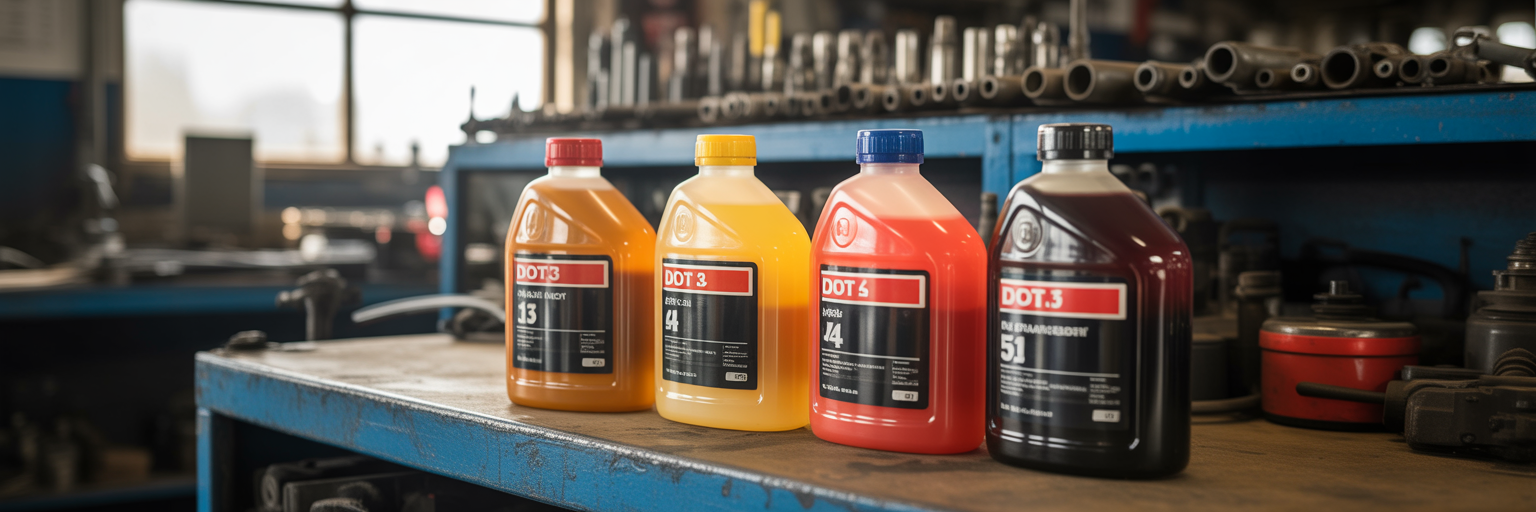
Navigating the world of brake fluid can seem confusing, with different “DOT” numbers listed on the shelf. These ratings are established by the Department of Transportation and define a set of minimum performance standards that a fluid must meet to be sold in the United States. The primary standards relate to the fluid’s minimum “dry” boiling point (when it is new and clean) and its “wet” boiling point (when it has absorbed about 3.7% water by volume). The wet boiling point is arguably the more important real-world figure, as some level of moisture absorption is inevitable over the fluid’s service life.
| Fluid Type | Chemical Base | Minimum Dry Boiling Point | Minimum Wet Boiling Point | Key Characteristics & Compatibility |
|---|---|---|---|---|
| DOT 3 | Glycol Ether | 401°F (205°C) | 284°F (140°C) | Standard for most cars. Hygroscopic. Compatible with DOT 4 and 5.1. |
| DOT 4 | Glycol Ether | 446°F (230°C) | 311°F (155°C) | Higher performance than DOT 3. Hygroscopic. Compatible with DOT 3 and 5.1. |
| DOT 5 | Silicone | 500°F (260°C) | 356°F (180°C) | Non-hygroscopic (does not absorb water). NOT compatible with any other type. Not for ABS. |
| DOT 5.1 | Glycol Ether | 500°F (260°C) | 356°F (180°C) | High-performance version of DOT 4. Hygroscopic. Compatible with DOT 3 and 4. |
Boiling points represent the minimum standards set by the U.S. Department of Transportation. ‘Dry’ refers to fresh, uncontaminated fluid, while ‘Wet’ refers to fluid that has absorbed approximately 3.7% water by volume, simulating real-world service conditions.
The Glycol-Based Family: DOT 3, DOT 4, and DOT 5.1
The vast majority of vehicles on the road use one of these three types of brake fluid. They all share a glycol-ether chemical base, which makes them hygroscopic. DOT 3 has been the standard for decades and is specified for most passenger cars and light trucks. DOT 4 is a higher-specification fluid, featuring higher dry and wet boiling points. It is often required for vehicles with more demanding brake systems, such as those used for towing, performance driving, or in many European cars. DOT 5.1 offers the highest performance of the glycol family, with boiling points that match DOT 5 but in a glycol-based formula. It is typically used in racing or other extreme-duty applications. Because they share the same chemical base, these three fluids are generally compatible with one another. You can safely top off a DOT 3 system with DOT 4, for example, which would slightly raise its boiling point. However, you should never use a lower-spec fluid (like DOT 3) in a system that requires a higher one (like DOT 4).
The Silicone Outlier: DOT 5
It is critical to understand that DOT 5 fluid is completely different from the others. It is silicone-based, not glycol-based. Its main advantage is that it is non-hygroscopic and hydrophobic, meaning it does not absorb water. This gives it a very stable boiling point over its life and means it will not damage your car’s paint if spilled. However, it has significant disadvantages. Because it repels water, any moisture that enters the system will not be absorbed. Instead, it will pool in the lowest points of the system, typically the brake calipers, where it can cause severe, concentrated corrosion. Water is also heavier than DOT 5 fluid, so it will sink. Furthermore, DOT 5 is slightly more compressible than glycol fluids, which can result in a pedal that feels slightly less firm. For these reasons, and because it is generally not compatible with the seals used in modern ABS systems, it is almost exclusively used in classic cars or custom applications. You must NEVER mix DOT 5 fluid with DOT 3, 4, or 5.1, as it will cause the fluids to gel and can lead to total brake system failure.
How to Choose the Right Fluid for Your Vehicle
With all these different types of brake fluid available, the choice is simple: use what your vehicle’s manufacturer specifies. The definitive source for this information is printed directly on the cap of your brake fluid reservoir or listed in your owner’s manual. Using the wrong fluid can have serious consequences, from damaging rubber seals to compromising the performance of your ABS and traction control systems. There is no benefit to second-guessing the engineers who designed your car. For those looking into vehicle specifics, comparing models like the Jeep Gladiator vs Toyota Tacoma can reveal how off-road capabilities might influence brake system requirements and the specified fluid. According to a technical service guide from automotive experts, the wet boiling point is the most critical measure for fluid in service, as moisture absorption is inevitable in open brake systems.
Recognizing the Symptoms of Contaminated Fluid
While the degradation of brake fluid often happens silently, it will eventually produce noticeable symptoms that a driver can feel and observe. Recognizing these signs of bad brake fluid is a critical skill that can alert you to a problem before it becomes a serious safety hazard. Paying attention to how your brake pedal feels is the first line of defense.
Here are the most common symptoms that indicate your brake fluid is old, contaminated, and in need of service:
- A ‘Spongy’ or ‘Mushy’ Brake Pedal: This is the classic and most telling symptom. Instead of feeling firm and responsive underfoot, the pedal will feel soft, and you may have to push it much further toward the floor before the brakes begin to engage. This sensation is caused by compressible air or vapor bubbles in the hydraulic lines. These bubbles get squeezed when you press the pedal, absorbing the force that should be going directly to the brake calipers.
- Increased Stopping Distances: A spongy pedal directly leads to this dangerous consequence. If the hydraulic force is being lost to compressing air or vapor, the brake pads are not clamping down on the rotors with their full, intended pressure. This means your vehicle will take longer and travel a greater distance to come to a complete stop, which can be the difference between a close call and a collision.
- ABS or Brake Warning Light Illumination: Modern vehicles are equipped with systems that monitor the health of the braking system. A warning light on your dashboard is a clear signal to pay attention. The ABS light can be triggered if sludge and debris from internal corrosion clog the delicate valves within the ABS modulator, causing a system fault. A general brake warning light is often triggered by a low fluid level, which could indicate a leak that old, degraded fluid may have contributed to by causing seals to fail.
- Unusual Noises or Smells: While less common, your other senses can sometimes pick up on a problem. A distinct, acrid burning smell coming from the wheels after a period of heavy braking can be a sign that the fluid is getting hot enough to boil. While grinding or squealing noises are typically associated with worn-out brake pads, they can also be a secondary effect if a malfunctioning hydraulic system is causing uneven or incomplete pad engagement.
How to Inspect Your Brake Fluid
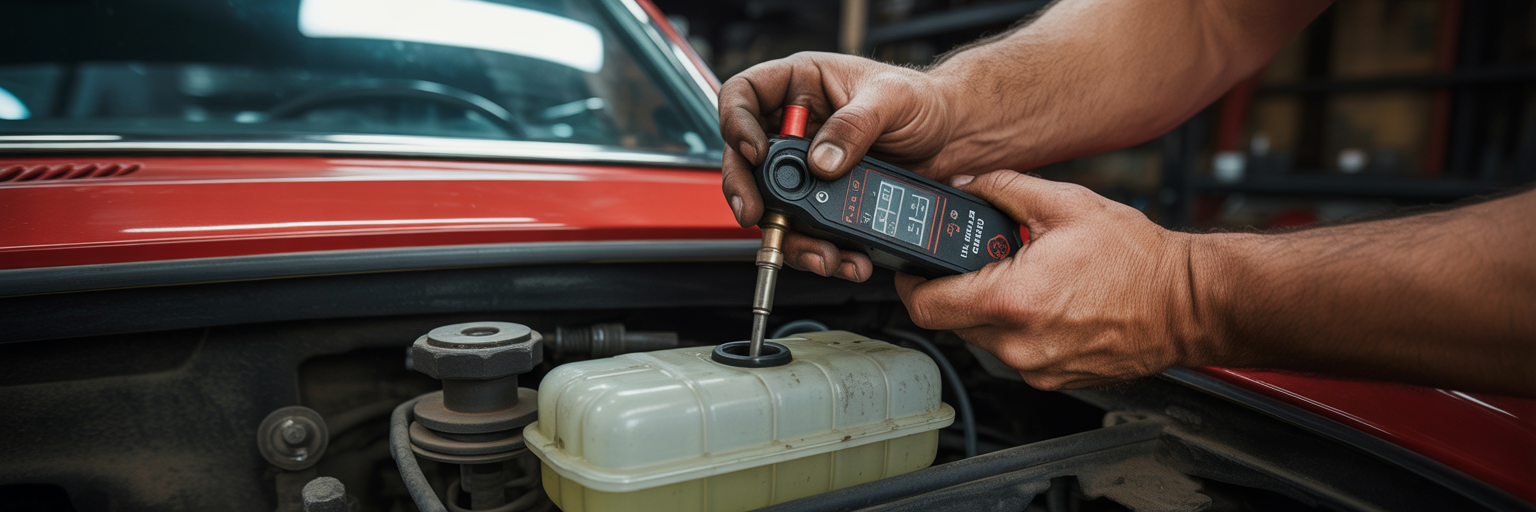
Moving from recognizing symptoms to proactive maintenance, a regular inspection of your brake fluid is a simple but important task for any car owner. While a definitive diagnosis requires specialized tools, a basic visual check can give you an initial idea of your system’s health. This is a great first step in learning how to check brake fluid, but it is crucial to understand its limitations.
The Basic Visual Inspection (and Its Critical Limitations)
You can perform a quick visual check in your own driveway. First, ensure your vehicle is parked on a level surface and the engine is off. Open the hood and locate the brake fluid reservoir. It is typically a small, semi-transparent plastic container with a black screw-on cap, mounted on the firewall on the driver’s side of the engine bay. Once you have found it, here is what to look for:
- Level: The side of the plastic reservoir will have ‘MIN’ and ‘MAX’ lines molded into it. The fluid level should be clearly between these two marks. If it is at or below the ‘MIN’ line, it could indicate a leak in the system or that your brake pads are extremely worn.
- Color: Wipe any dirt off the outside of the reservoir to see the fluid clearly. New brake fluid is typically clear with a slight yellowish or amber tint. Over time, as it ages and accumulates contaminants, it can darken to a murky brown or even black.
After performing this check, it is vital to understand its biggest flaw: color is not a reliable indicator of brake fluid condition. This is a common and dangerous misconception. The fluid can absorb a critical amount of moisture and have its boiling point dangerously lowered long before it ever changes color. The water it absorbs is invisible to the naked eye. A fluid that looks clean and golden can still be saturated with moisture and unsafe for service.
Professional Tools for an Accurate Diagnosis
For a truly accurate assessment of your brake fluid’s health, you need to use the same tools that professionals do. These devices go beyond a simple visual check to provide a quantitative measurement of the fluid’s condition.
- Electronic Brake Fluid Testers: These are often pen-style tools that provide a quick and precise diagnosis. Some common types work by measuring the electrical conductivity of the fluid; as the water content increases, the fluid becomes more conductive. More advanced testers will heat a small sample of the fluid directly to measure its actual boiling point, giving a pass or fail result based on manufacturer specifications.
– Chemical Test Strips: This is another effective method used by many repair shops. A disposable test strip is dipped into the brake fluid reservoir for a moment. The strip then changes color based on the concentration of dissolved copper in the fluid, measured in parts per million (PPM). High copper levels are a direct sign that the anti-corrosion additives in the fluid have been depleted and the internal metal components, like the steel brake lines, are actively corroding into the fluid. This test assesses the chemical health of the fluid, not just its moisture content.
Knowing these basic checks is essential for anyone considering a pre-owned vehicle, as it helps evaluate how well it was maintained, a key factor when looking at the best used cars for first time buyers under 12000.
When and Why You Should Change Your Fluid
The evidence is clear: brake fluid degrades over time, and its failure can have serious consequences. This brings us to the final, actionable conclusion. A brake fluid change is not an optional upsell from your mechanic; it is a critical piece of preventative maintenance that is essential for your safety and the health of your vehicle.
As a general industry standard, a complete brake fluid flush and replacement should be performed every two to three years, or approximately every 30,000 to 45,000 miles, whichever comes first. This interval should be followed regardless of the fluid’s appearance or how many miles you drive, as the primary cause of degradation, moisture absorption, happens over time. It is important to distinguish between “bleeding” the brakes and “flushing” the system. Bleeding is a procedure to remove trapped air bubbles from the lines, but it only replaces a small fraction of the old fluid. A full flush involves using pressure equipment to push all of the old, contaminated fluid out of the entire system—including the master cylinder, all brake lines, calipers, and the ABS unit—while simultaneously replacing it with new, clean fluid.
Neglecting this service means accepting significant risks. You are driving with a reduced margin of safety, vulnerable to a spongy pedal or complete brake failure from vapor lock in a panic stop. At the same time, silent and expensive damage is occurring inside your braking system. The cost of a brake fluid flush, typically between $100 and $200, is inexpensive insurance against the failure of components like the master cylinder or, most notably, the ABS control module, which can easily cost over a thousand dollars to replace. Regular fluid changes ensure maximum braking performance, protect expensive components from corrosion, and provide peace of mind every time you get behind the wheel. For more in-depth automotive knowledge, readers can explore the wide range of topics on Car Phanatics.