More Than Just a Truck: an American Icon
For over four decades, the Ford F-150 has been the best-selling vehicle in America. That’s not just a sales statistic; it’s a cultural footprint. But this isn’t a sales brochure. This is a mechanic’s guide, designed to cut through the marketing and give you a straight-talk breakdown of every generation. We’re going to get our hands dirty and look at the nuts and bolts that define each era of this legendary truck.
When we get into the Ford F-150 generations explained from a hands-on perspective, you see a story of evolution, innovation, and a few serious missteps. We’ll cover the bulletproof engines that earned the brand its reputation and the problematic ones that nearly ruined it. We’ll talk about transmission quirks, frame designs, and the specific year-to-year changes that matter to owners and buyers.
This journey takes us from a simple post-war farm tool to the high-tech, luxury-appointed workhorse of today. Forget the glossy photos and horsepower figures for a moment. Let’s talk about what keeps these trucks on the road, what sends them to the scrapyard, and what you need to know before you buy one.
The Foundation: First Generation (1948-1952)
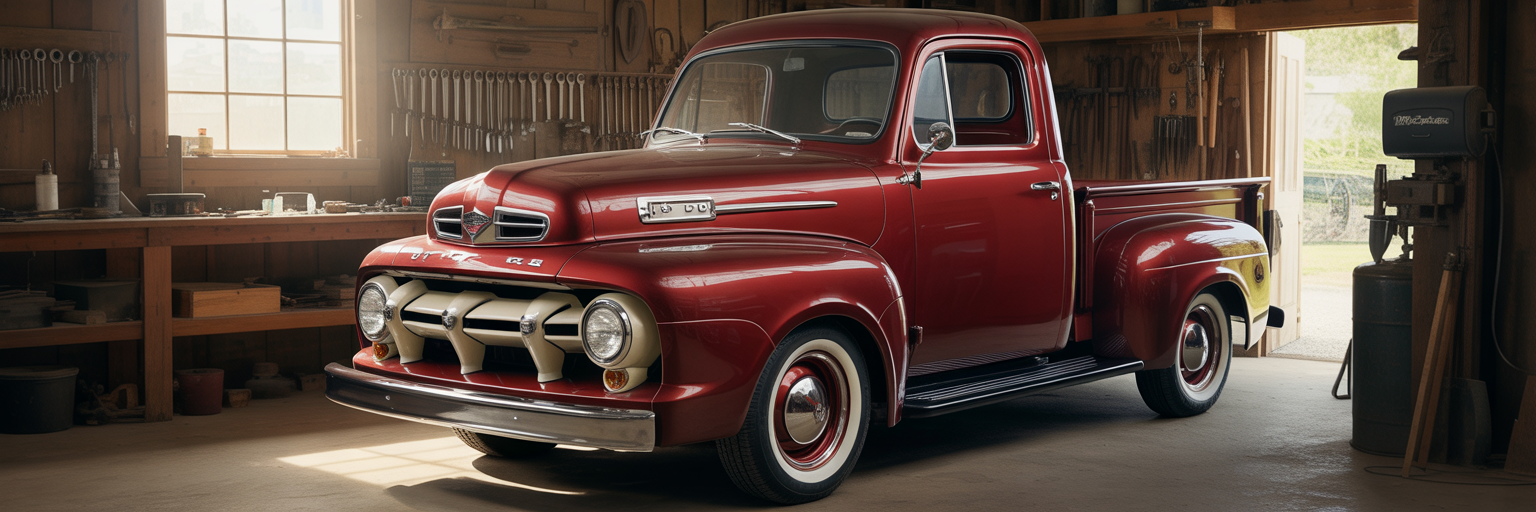
After World War II, America was building, and it needed tools. Ford’s answer was the “Bonus-Built” F-Series, a line of trucks that were pure, unapologetic workhorses. There was no thought of comfort or style. These were designed with one purpose: to get a job done. The construction was simple and rugged, with a thick steel body bolted to a ladder frame.
Under the hood, you had two main choices: the venerable “Flathead” V8 or a basic inline-six. By today’s standards, their power output was minimal, but they were generally reliable for the time. From a mechanic’s viewpoint, their biggest weakness was a primitive cooling system. These engines ran hot, and overheating was a constant battle for owners who pushed them hard. You had to keep a close eye on the temperature gauge on a hot day with a heavy load.
The ride was punishing. With solid axles and stiff leaf springs on all four corners, you felt every single bump in the road. The transmissions were often non-synchromesh manuals, known as “crash boxes.” Shifting required skill and timing, almost like a dance between the clutch and the shifter, to avoid the cringe-inducing sound of grinding gears. These first-generation trucks are historical artifacts. They are fantastic project vehicles for dedicated enthusiasts, but they are not practical daily drivers without significant and expensive modifications to the brakes, steering, and powertrain.
Finding Comfort: Second and Third Generations (1953-1960)
Building on the rugged foundation of the first generation, Ford began to realize that even truck owners appreciated a little comfort. The second generation (1953-1956) introduced a complete redesign with a wider, more integrated body and a larger cab. The iconic wraparound windshield wasn’t just for looks; it dramatically improved visibility, making the truck feel less like a piece of farm equipment.
The biggest mechanical change was the introduction of the overhead-valve “Y-Block” V8. It was a significant step up in power from the old Flathead, but it came with an infamous engineering flaw: top-end oiling problems. In simple terms, the system struggled to get enough oil to the valvetrain at the top of the engine. This oil starvation would lead to premature wear on the rocker arms and shafts, creating a distinct ticking noise that was a telltale sign of trouble.
The third generation (1957-1960) continued this trend with wider, more car-like styling. This era also marked a landmark moment: the first factory-offered 4×4 system. No longer a third-party conversion, this made the F-Series a true all-terrain vehicle from the factory. Transmissions were also improving, with options like the Ford-O-Matic automatic making the truck easier to drive in town. While still very basic by modern standards, these generations represent a clear shift. They are still collector’s items, but their improved drivability makes them a more approachable classic than their predecessors.
A Smoother Ride: Fourth and Fifth Generations (1961-1972)
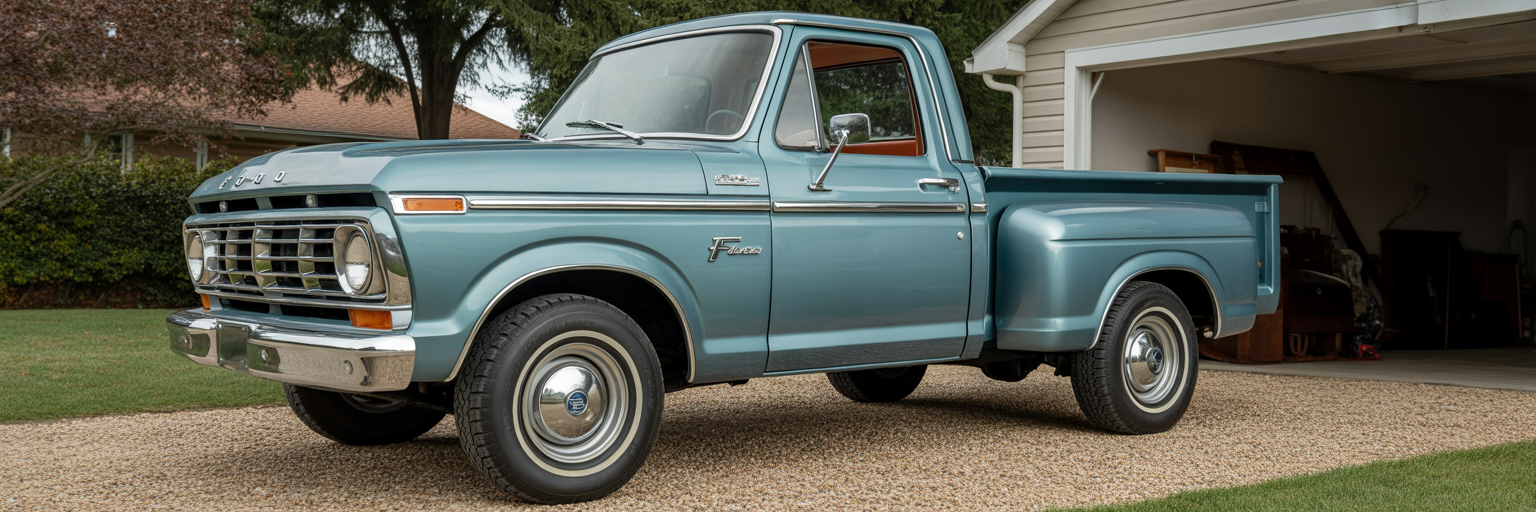
The defining innovation of this era arrived in 1965: the Twin I-Beam independent front suspension. For decades, this design became a signature of Ford trucks. The concept was brilliant. It used two parallel axles that could move independently, offering a smoother, more car-like ride than a traditional solid axle without sacrificing toughness. It was Ford’s way of giving drivers the best of both worlds.
This period also gave us one of the most durable engines ever built: the 300 cubic inch inline-six. Its legendary status is well-deserved. From a mechanical standpoint, its toughness came from its gear-driven timing system. Unlike a timing chain or belt that can stretch or break, the 300’s timing was handled by a set of stout gears, making it almost indestructible. Its low-end torque made it a favorite for hard work. This was a stark contrast to the thirstier FE series V8s like the 360 and 390, which offered more power but were known for their poor fuel economy.
Enthusiasts know these trucks by their nicknames: the “Slick” (1961-1966) for its smooth body lines and the “Bumpside” (1967-1972) for the distinctive body line running down its side. As a mechanic, it’s important to note that the revolutionary Twin I-Beam suspension had its own quirk. If the bushings and kingpins weren’t properly maintained, it could cause unique and uneven tire wear patterns. Despite this, the combination of a smoother ride and the indestructible 300 inline-six makes these generations a fantastic choice for anyone wanting a reliable, classic American truck.
The Legend is Born: Sixth Generation (1973-1979)
This is the generation where the F-150 nameplate was officially born. The 1975 introduction of the “F-150” model was a clever piece of engineering and marketing. It was designed to fit into a specific Gross Vehicle Weight Rating (GVWR) class just above the half-ton F-100. This subtle shift allowed it to bypass certain emissions regulations, particularly the need for a catalytic converter and unleaded gasoline in its first year.
Known affectionately as the “Dentside” for the prominent concave body line, these trucks had a rugged look that many still love. Ford also began using more galvanized steel panels, which offered significantly better rust resistance than previous generations, a huge plus for longevity. The common V8s of this era, the 351M and 400, were known for being durable, but they were also victims of the times. Hampered by early emissions control equipment, they often felt underpowered and inefficient for their size. Many owners spent years trying to wake them up with aftermarket parts.
Despite the choked-down engines, this generation is a sweet spot for many enthusiasts. It combines classic, tough looks with improved durability and a massive availability of parts. The introduction of the SuperCab extended cab also signaled Ford’s recognition that trucks were becoming more than just work vehicles; they were starting to serve as family haulers, too. The growing popularity of these classics has created a vibrant community, and you can find great information on all kinds of various trucks from this era and beyond.
Aerodynamics and Efficiency: Seventh Generation (1980-1986)
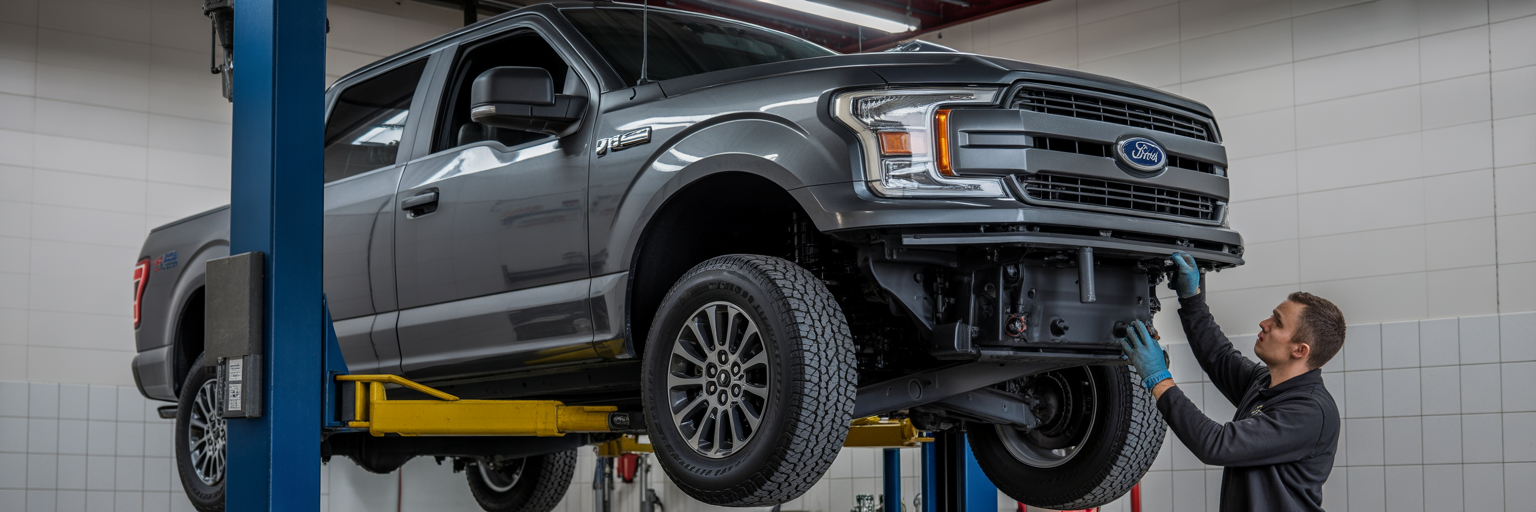
The fuel crises of the 1970s sent shockwaves through the auto industry, and the F-150 was no exception. The 1980 redesign, known as the “Bullnose,” was a direct response. Its flatter, more aerodynamic body was a clear attempt to improve fuel economy, a concept that was almost foreign to truck design before this. This was the first F-150 that spent significant time in a wind tunnel.
The engine lineup reflected this shift. While the ultra-reliable 4.9L (300) inline-six remained the base workhorse, Ford began phasing out the older, less efficient V8s in favor of the more modern Windsor family, like the 5.0L (302). The most important mechanical advancement, however, was the 4-speed AOD (Automatic Overdrive) transmission. An overdrive gear is essentially a higher gear that allows the engine to turn at a much lower RPM at highway speeds. This simple addition dramatically improved fuel economy and made for a much quieter, more pleasant experience on long drives.
This generation is also known for the infamous “Swiss cheese” frame. To reduce weight and improve efficiency, Ford drilled large holes in the frame rails. This became a point of ridicule for competitors, but from a practical standpoint, it rarely caused structural failures in typical use. For anyone looking at a “Bullnose” F-150, this is a critical piece of information. The frames were not weak, despite their appearance, and they marked a turning point in Ford’s focus on efficiency.
The Modern Era Begins: Eighth and Ninth Generations (1987-1997)
This ten-year span represents the peak of the simple, tough, and incredibly reliable F-150 formula. The era began with the eighth-gen “Bricknose” (1987-1991), which brought one of the single most important upgrades in the truck’s history: the universal adoption of electronic fuel injection (EFI). For drivers, the benefits were immediate and obvious. Gone were the days of pumping the gas on a cold morning or adjusting a carburetor. EFI meant reliable cold starts, smoother idling, and better overall efficiency.
The ninth generation, known as the “OBS” (Old Body Style) from 1992 to 1997, was a stylistic refinement that perfected the platform. This generation is celebrated for its legendary powertrain trio: the 4.9L (300) inline-six, the 5.0L (302) V8, and the 5.8L (351W) V8. These engines are famous for their ability to run for hundreds of thousands of miles with just basic maintenance. They are simple, easy to work on, and parts are cheap and plentiful. As highlighted in a 2020 article from MotorTrend, the near-indestructible nature of the 4.9L engine was a key part of the F-150’s historical success.
Paired with these engines was the robust E4OD 4-speed automatic transmission. It was a strong unit, though it required proper fluid changes and cooling to avoid issues, especially when towing. For many, the ninth generation is considered the best used Ford F-150 year for those who value simplicity and ultimate reliability. It represents the last of the truly easy-to-fix trucks before the digital age took over. For those interested in the broader landscape of automotive excellence, exploring a general resource like CarPhanatics can provide more context on what makes certain vehicles iconic.
A Controversial Curveball: Tenth Generation (1997-2003)
After decades of square-jawed toughness, Ford threw a radical curveball. The tenth-generation F-150, with its rounded, aerodynamic “Jellybean” body style, was a shock to the system. It alienated many traditional truck buyers who felt it looked too soft and car-like. This was a deliberate strategic move by Ford. The F-150 was now aimed at being a more comfortable, light-duty personal truck, while the heavy-duty F-250 and F-350 models were split off into the separate “Super Duty” line.
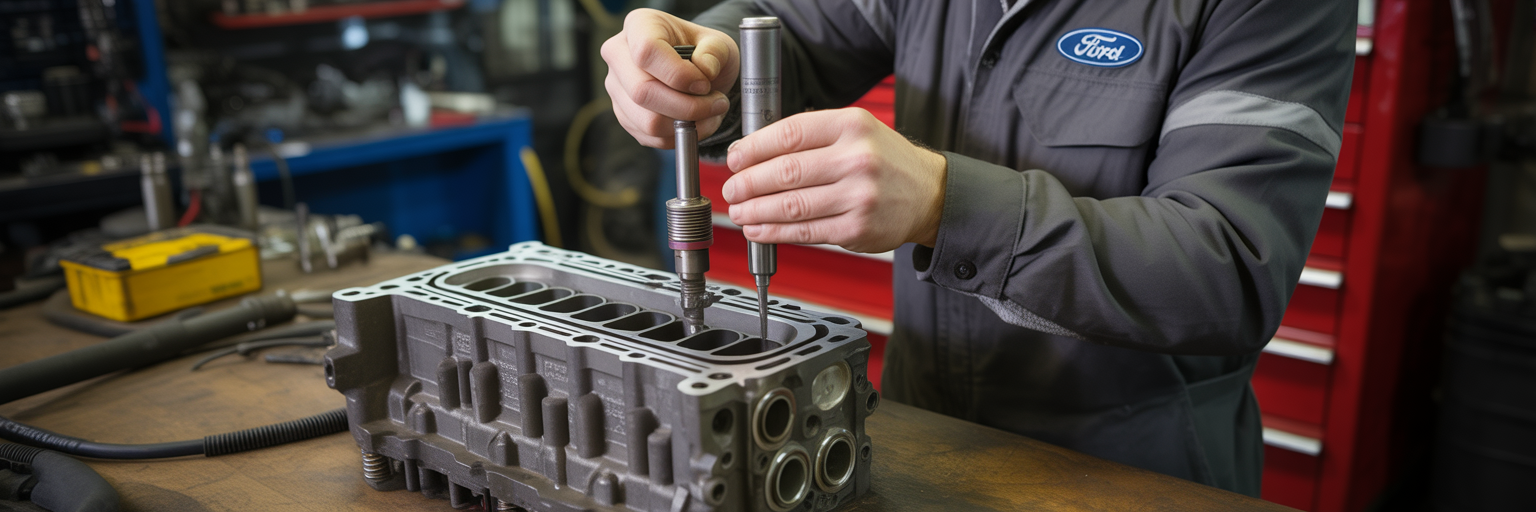
The changes were more than skin deep. This generation saw a complete powertrain overhaul with the new overhead cam “Triton” engines, the 4.6L 2V and 5.4L 2V. They offered smoother power delivery than the old pushrod V8s, but they introduced one of the most significant Ford F-150 engine problems of the modern era. The aluminum cylinder heads had a tendency to eject spark plugs. The threads were too shallow, and over time, the pressure of combustion could literally blow a spark plug right out of the engine, stripping the threads in the process. This required a costly and specialized repair using a thread insert like a Heli-Coil.
The suspension also changed, with 2WD models getting a fully independent front suspension that gave a much better ride but was seen as less rugged than the old Twin I-Beam. The buyer’s advisory for this generation is clear: it can be a good value, but a mechanic absolutely must inspect the spark plug holes for signs of previous repairs or damaged threads. In these years, the 4.6L V8 is generally considered the safer bet over the more problematic 5.4L.
Bigger, Bolder, and Full of Problems: Eleventh Generation (2004-2008)
If you’re shopping for a used F-150, this is the generation that requires the most caution. The aggressive, blocky redesign was a direct answer to the criticism of the “Jellybean” F-150, and it looked fantastic. Unfortunately, its most common engine, the 5.4L 3V Triton V8, was plagued with serious, expensive issues. The list of F-150 5.4 Triton issues is long and well-documented by mechanics everywhere.
There were three primary, complex failure points:
- Variable Cam Timing (VCT) System: The cam phasers, which adjust valve timing, were prone to failure. This created a loud ticking or knocking sound at idle, often compared to a diesel engine. This “phaser knock” was a clear sign of impending, expensive engine work.
- Two-Piece Spark Plugs: In a baffling design choice, the spark plugs were made in two pieces. Carbon would build up between the pieces, causing them to seize in the cylinder head. When a mechanic tried to remove them, they would break, turning a routine tune-up into a multi-hour extraction job requiring special, expensive tools.
- Timing Components: The timing chain guides and tensioners were made of plastic that would become brittle, break apart, and fall into the oil pan. This would cause the timing chain to slap around, eventually leading to catastrophic engine failure if not addressed.
On top of these engine woes, frame rust is a very significant problem on these trucks, especially in states that use road salt. According to an analysis by TopSpeed, the cost and reliability of this generation are heavily impacted by these design flaws. While major engine issues can happen to any brand, as seen with the GM 6.2L engine recall, the problems with the 5.4L 3V were exceptionally common. This is arguably the most problematic F-150 generation to own.
A Return to Form: Twelfth Generation (2009-2014)
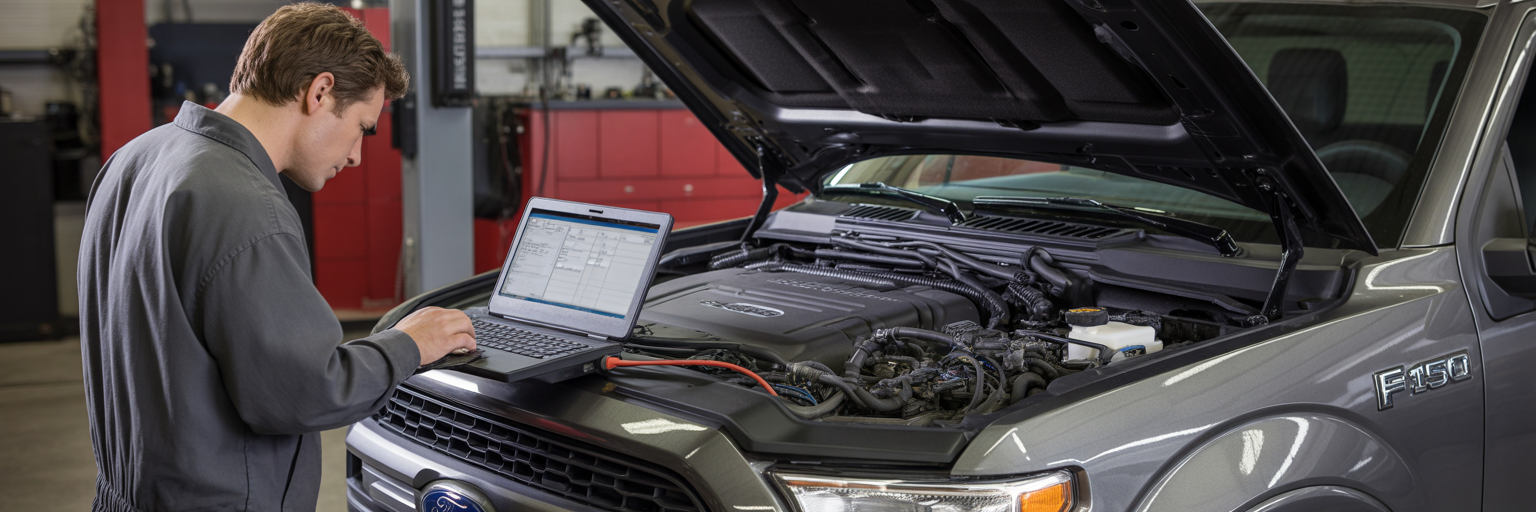
After the disaster of the 5.4L 3V, the twelfth generation was Ford’s redemption story. The styling was inspired by the tough Super Duty trucks, and under the skin was a new, fully boxed frame that dramatically increased rigidity and capability. This truck felt solid and ready for work.
The New Engine Lineup
The most important change came in 2011 with a complete powertrain update that finally retired the problematic Triton engines. The new lineup included a capable base 3.7L V6 and the brawny 6.2L V8 (borrowed from the Super Duty), but the two stars of the show were the 5.0L “Coyote” V8 and the 3.5L EcoBoost twin-turbo V6.
The Rise of EcoBoost
The 5.0L Coyote quickly became a fan favorite, offering a fantastic blend of power, sound, and modern reliability. The 3.5L EcoBoost was a different animal. It delivered the power and torque of a large V8 with the theoretical fuel economy of a V6. However, early models (2011-2012) had some teething issues, including intercooler condensation that could cause the engine to misfire under hard acceleration and timing chain stretch that required costly replacement.
Transmission Improvements
This generation also introduced the 6R80 6-speed automatic transmission across most of the lineup. It was a massive upgrade over the old 4-speeds, offering smooth shifts, better fuel economy, and excellent reliability. Overall, this generation is a solid used buy. The Ford F-150 reliability by year improved dramatically from 2011 onward. The 5.0L V8 is a safe and powerful bet, while later EcoBoost models (2013-2014) had many of the early kinks worked out.
The Aluminum Revolution: Thirteenth Generation (2015-2020)
This generation marked another revolutionary shift for the F-150: a move to an all-aluminum alloy body. The primary motivation was to shed weight—up to 700 pounds—to meet tightening fuel economy standards while simultaneously increasing payload and towing capacities. It was a massive gamble that paid off.
The EcoBoost engine family continued to evolve. The smaller 2.7L EcoBoost V6 was introduced and proved to be a surprisingly powerful and generally reliable option for most users. The second-generation 3.5L EcoBoost arrived with both direct and port injection, a combination designed to solve some of the carbon buildup issues of earlier direct-injection-only engines. In 2017, Ford introduced its new 10-speed automatic transmission, co-developed with GM. It offered more gears to keep the engine in its optimal power band, improving both performance and fuel economy.
However, early versions of the 10-speed were a source of owner complaints, with reports of harsh or erratic shifting as the adaptive learning software struggled to adjust. There were also initial fears about the cost of repairing the aluminum body. While it does require shops with specialized equipment and training, the repair costs have not proven to be as prohibitively expensive as many first feared. As these trucks prove their capability, it makes you wonder which 2025 trucks offer the best towing and fuel economy to compete. For buyers, this generation is packed with technology, so a thorough check of all electronic features is just as important as a mechanical inspection.
The High-Tech Workhorse: Fourteenth Generation (2021-Present)
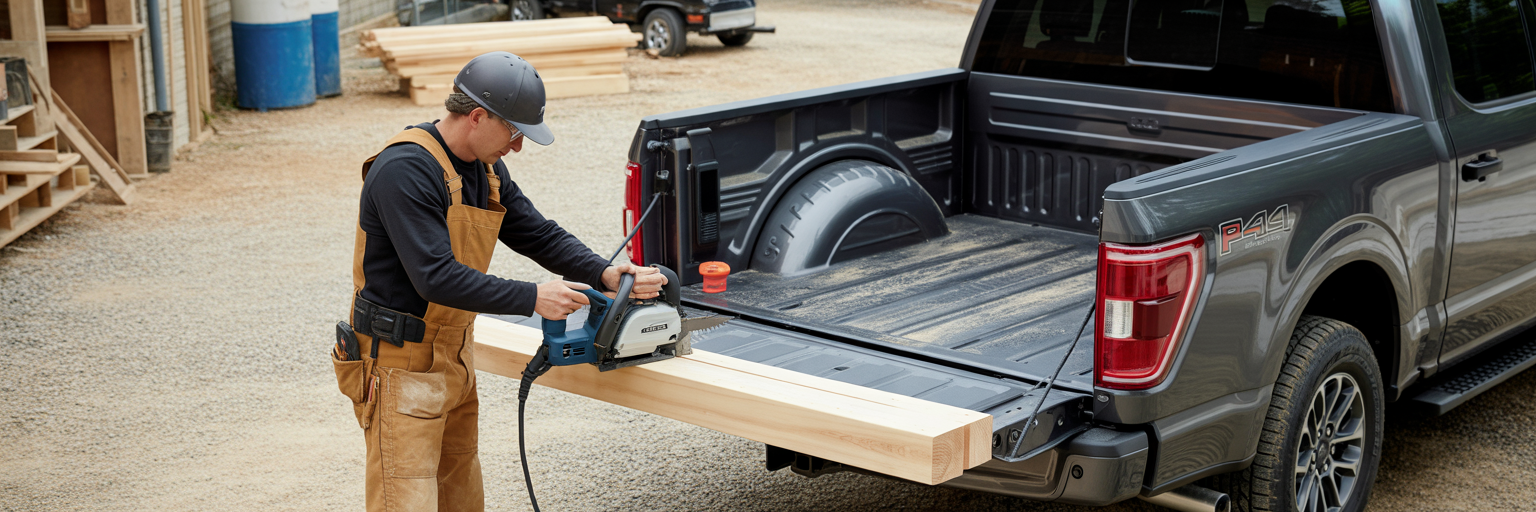
The latest F-150 is an evolution of the thirteenth generation, with the primary focus shifting from materials to technology and productivity. The star innovation is the Pro Power Onboard system. This is not just a couple of outlets in the bed; it’s a fully integrated mobile generator. Available in different power levels, the most impressive is the 7.2kW system available with the PowerBoost Hybrid powertrain.
The PowerBoost Hybrid is another major development. It combines the proven 3.5L EcoBoost V6 with an electric motor integrated into the transmission. The result is impressive horsepower and torque, along with excellent fuel efficiency for a full-size truck, all without sacrificing towing or hauling capability. From a mechanic’s perspective, the system’s complexity is a potential long-term maintenance question mark. It adds another layer of components that could require specialized service down the road.
Inside, the upgrades are significant, with many models featuring a large central touchscreen, a fully digital instrument cluster, and a clever fold-flat shifter that turns the center console into a work surface. While mechanically similar to the previous generation, the advanced technology truly defines this era. The long-term Ford F-150 reliability by year for this generation, especially concerning the hybrid system and its many electronic modules, is still being evaluated by owners and mechanics in the real world.
Which F-150 Generation is Right for You?
So, after this deep dive, which F-150 generation is best? The honest answer is that it depends entirely on your budget, your needs, and your tolerance for potential repairs. The “best” truck for a classic enthusiast is a nightmare for someone who just needs a reliable daily driver. The table below breaks down our recommendations for different types of buyers.
| Buyer Profile | Recommended Generation(s) | Best Engines | Key Things to Check |
|---|---|---|---|
| The Classic Project Enthusiast | 6th (1973-1979) or 9th (1992-1997) | 4.9L I6, 5.0L V8, 5.8L V8 | Frame rust, body rust, signs of farm abuse, transmission health. |
| The Reliable Budget Workhorse | 9th (1992-1997) or 12th (2011-2014) | 4.9L I6 (9th), 5.0L V8 (12th) | Maintenance records, transmission fluid condition, rust (9th), early EcoBoost issues (12th). |
| The Modern Daily Driver | 12th (2011-2014) or 13th (2015-2020) | 5.0L V8, 2.7L EcoBoost, 3.5L EcoBoost (2017+) | 10-speed transmission behavior (13th), infotainment system functionality, any water leak evidence. |
The findings are clear: for pure, simple reliability, the ninth generation is hard to beat. For a modern truck with a great balance of features and proven dependability, the twelfth generation with the 5.0L V8 is a fantastic choice. The generation that requires the most caution is, without a doubt, the eleventh (2004-2008) due to the 5.4L 3V Triton engine. For those who enjoy working on their vehicles, a reliable older model can be a rewarding project, and our resources for DIY repairs can be invaluable. No matter which generation you choose, the single most important piece of advice is this: get a comprehensive pre-purchase inspection from a trusted, independent mechanic. It’s the best money you’ll ever spend.