Working in a shop, you get a feel for vehicles that goes beyond spec sheets. You learn their personalities, their quirks, and what makes them last or what sends them to the scrapyard early. When it comes to trucks, the conversation has always been dominated by the American “Big Three.” For decades, if you wanted a full-size pickup, you bought a Ford, a Chevy, or a Dodge. It was that simple. A proper truck had to have a rumbling V8, a frame that could handle abuse, and the presence to look like it owned the road. Anything less was just playing in the minor leagues.
Setting the Stage: Before the Tundra
Before the Tundra ever rolled into a showroom, Toyota tried to crack this code with the T100, which they sold from 1993 to 1998. We still see these come into the shop, and they are a testament to Toyota’s build quality. The problem was, the T100 wasn’t quite a full-size truck. It was a well-built, reliable pickup that earned a reputation for being a “7/8ths scale” truck. It was physically smaller than an F-150 or a Silverado, and that was its first mistake.
The second, and more critical mistake, was under the hood. The T100 never got a V8. It came with a four-cylinder or the venerable 3.4L V6, the same one found in the Tacoma and 4Runner. That V6 is one of the most dependable engines Toyota ever made, but it was out of its league in a truck trying to compete with American iron. It just didn’t have the grunt. American truck buyers didn’t just want capability; they wanted the sound and feel of a V8. The T100 was a good truck, but it wasn’t the right truck for the market. Toyota learned a hard lesson: if you want to compete in the American full-size arena, you have to show up with the size and the power they expect. The T100 was the quiet opening act, but the Tundra was being prepared backstage as the V8-powered headliner everyone was waiting for.
The First Generation (2000-2006): Toyota’s V8 Arrival
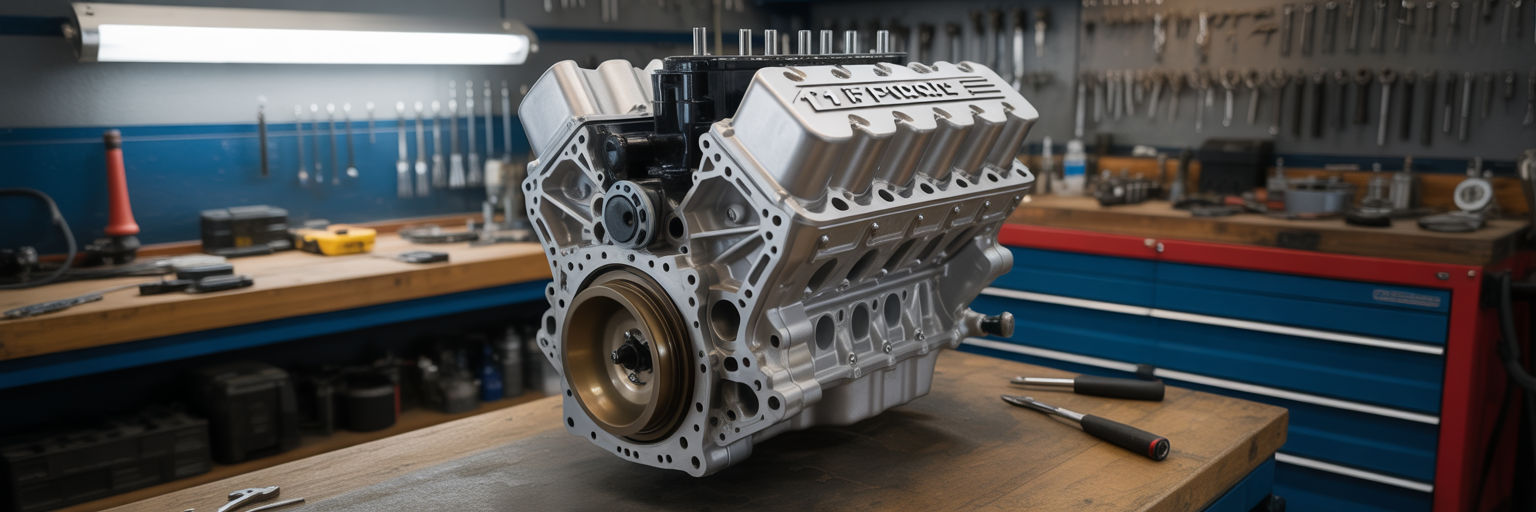
When the first of the Toyota Tundra generations appeared for the 2000 model year, it was a clear statement. This was Toyota’s direct answer to the feedback from the T100. It was bigger, bolder, and most importantly, it finally offered a V8 engine. According to MotorTrend, the first-generation Tundra was a pivotal step for Toyota in establishing a real foothold in the North American full-size truck market. It wasn’t just a new model; it was the company’s first serious contender, a truck designed to meet American expectations head-on. While it still wasn’t as massive as its domestic rivals, it was a huge leap forward and laid the groundwork for the brand’s reputation in the full-size segment. For those looking at the landscape of modern trucks, the first-gen Tundra is where Toyota’s story truly begins.
The Powertrain: The Arrival of the i-FORCE V8
Under the hood, buyers had two choices. The base engine was the 3.4L 5VZ-FE V6, a direct carryover from the T100. It was a reliable motor, but it was still underpowered for a truck of this size. Let’s be honest, nobody was buying a Tundra for the V6. The real news was the optional 4.7L V8, which Toyota branded the “i-FORCE.” This engine, the 2UZ-FE, was the Tundra’s heart and soul.
What gave this V8 instant credibility among mechanics and knowledgeable buyers was its pedigree. This wasn’t some brand-new, unproven design. It was the same basic engine used in the Land Cruiser and the Lexus LX 470, vehicles already legendary for their durability and ability to run for hundreds of thousands of miles with basic care. It was smooth, quiet, and delivered power in a refined way that was very different from the gruff, agricultural feel of some domestic V8s at the time. It produced 245 horsepower and 315 lb-ft of torque, which were respectable numbers for the era.
However, the best was yet to come. In 2005, Toyota updated the 4.7L V8 with VVT-i, or Variable Valve Timing with intelligence. This was a significant upgrade. The engine’s computer could now adjust the timing of the intake valves, which improved performance and efficiency across the RPM range. This update bumped the output to a much healthier 282 horsepower and 325 lb-ft of torque. While the torque gain was modest, the horsepower increase was noticeable, giving the truck a much-needed sense of urgency. For this reason, the 2005-2006 models are often considered the most desirable of the first generation.
Transmissions: Simple and Strong
Paired with these engines were transmissions that followed the Toyota philosophy of prioritizing durability over cutting-edge technology. The early V8 models came with a 4-speed automatic, the A340F. This is a transmission we’ve seen in countless Toyota trucks and SUVs. It’s simple, it’s tough, and it just works. It’s not the quickest-shifting unit, but it’s incredibly resilient to abuse.
When the engine was updated in 2005, the transmission was too. The new 5-speed automatic, the A750F, was a welcome improvement. That extra gear helped keep the VVT-i engine in its powerband and made for slightly more relaxed highway cruising. Like the 4-speed before it, the A750F proved to be exceptionally reliable. These transmissions didn’t have the complexities of later 6-speed or 10-speed units, which meant there were fewer things to go wrong. They were a perfect match for the Tundra’s workhorse identity.
From the Shop Floor: Common First Gen Tundra Problems
No truck is perfect, and the first-gen Tundra had its share of well-documented issues. The biggest and most serious of all the first gen Tundra problems was frame rust. This was especially bad in states that use a lot of road salt in the winter. The issue stemmed from the frame’s design. Moisture and salt would get trapped inside the boxed sections of the frame and couldn’t get out, causing the frame to rust from the inside out. We’ve seen trucks come in that looked clean on the outside, but a few taps with a hammer on the frame would reveal softball-sized holes. The problem was so widespread that Toyota initiated a massive recall and frame replacement program that cost the company billions. If you are ever looking at a first-gen Tundra, a thorough frame inspection is not optional, it’s mandatory.
The second major item on the list is the timing belt on the 4.7L V8. This is an interference engine. In simple terms, this means that the pistons and the valves occupy the same space in the cylinder, just at different times. The timing belt keeps them from hitting each other. If that belt snaps, the pistons will slam into the valves, causing catastrophic and very expensive engine damage. Toyota recommends replacing the timing belt and water pump every 90,000 miles. It’s not a cheap service, but it’s a lot cheaper than a new engine. When a customer asks if they can stretch it, we tell them it’s a gamble they don’t want to take.
Other less severe but common issues include premature wear on the front lower ball joints, which could lead to a wheel separating from the truck if ignored. Toyota also issued a recall for this. We also see cracked exhaust manifolds. You’ll often hear a ticking noise when the engine is cold that goes away as it warms up. It’s an annoyance, but not a critical failure. Despite these issues, the core powertrain was so solid that a well-maintained first-gen Tundra remains a great light-duty truck.
The Second Generation (2007-2021): A True Heavyweight
If the first-gen Tundra was Toyota dipping its toes in the full-size pool, the second generation was a cannonball off the high dive. Launched for the 2007 model year, this truck was an absolute monster. It was a shock and awe campaign aimed directly at Detroit. The size, the power, the capability—everything was scaled up dramatically. This was no longer a “7/8ths” truck; this was a full-fledged, unapologetically American-sized heavyweight. It was clear Toyota had done its homework and was now ready to compete on every level, especially towing. The power of this generation set a new standard, and it’s interesting to see how that compares to modern trucks and which 2025 trucks offer the best towing and fuel economy today.
A New Era of Power: The Legendary 5.7L V8
The centerpiece of this new generation was its flagship engine: the 5.7L i-FORCE V8, known as the 3UR-FE. This engine was a game-changer. With 381 horsepower and 401 lb-ft of torque, it was a powerhouse that put the Tundra at the top of the class for standard V8 power in 2007. It featured dual VVT-i, controlling both the intake and exhaust camshafts for a broad, flat torque curve. This engine made the Tundra a towing legend. It felt effortless, pulling heavy loads without the straining and drama of lesser powertrains. For a short time, Toyota also offered a new 4.0L V6 and carried over the 4.7L V8 from the previous generation, but let’s be clear: the 5.7L was the engine everyone wanted. It defined the truck.
Paired with this new V8 was an equally robust 6-speed automatic transmission built by Aisin. This was a stout, intelligent gearbox that was perfectly matched to the 5.7L’s output. It was quick to downshift when power was needed for passing or climbing a grade, and it held gears properly when towing. The combination of the 5.7L V8 and the 6-speed automatic is the primary reason for the incredible second gen Tundra reliability. This powertrain was overbuilt, and it proved to be one of the most durable and long-lasting combinations ever put in a half-ton truck.
Pre-Facelift (2007-2013) vs. Post-Facelift (2014-2021)
The second generation had an incredibly long production run of 15 years, which can be split into two distinct phases. The early models, from 2007 to 2013, are known for their “bubbly” or rounded exterior styling. The interior from this era was highly functional, with huge knobs you could operate with gloves on, but it was also a sea of hard plastic. It felt durable but also a bit cheap compared to the increasingly luxurious cabins of its American competitors.
In 2014, Toyota gave the Tundra a major facelift, and it was a huge improvement. The exterior was resculpted with a more chiseled, aggressive look, featuring a bold new grille and squared-off fender flares. The interior, however, was the biggest transformation. The dashboard was completely redesigned with a much more modern layout and significantly better materials. While the powertrain and frame remained identical, this 2014 refresh was so effective that it kept the truck feeling competitive for another seven years. When people talk about the best Tundra model years, the post-facelift 2014-2021 models are almost always at the top of the list for combining the proven powertrain with modern aesthetics and a much-improved interior.
In the Bay: Common Tundra 5.7 V8 Issues and Repairs
Despite its reputation for being bulletproof, the mighty 5.7L V8 is not without its quirks. Over the years, we’ve seen a consistent pattern of specific Tundra 5.7 V8 issues come through the shop. While generally reliable, CarBuzz notes that certain model years like 2007 and 2008 had a higher number of owner complaints, particularly around things like the air injection system. Here’s a breakdown of what we see most often:
| Issue | Common Symptom(s) | Typical Cause | Mechanic’s Note on Repair |
|---|---|---|---|
| Cam Tower Leak | Oil weeping/dripping from the top of the cylinder head, often onto the exhaust manifold causing a burning smell. | Failure of the factory-applied liquid sealant between the cylinder head and the cam housing. | Highly labor-intensive. Requires removal of camshafts. Not an urgent failure, but messy and should be addressed. |
| Secondary Air Injection Pump Failure | Check engine light with codes P2440/P2442. Truck may go into ‘limp mode’. | Moisture intrusion causes the air pumps or switching valves to seize. | Expensive OEM replacement. Many owners opt for more affordable aftermarket bypass kits to eliminate the system. |
| Water Pump Failure | Coolant leak from the front of the engine (weep hole), potential for overheating. | The bearing or seal inside the pump wears out over time. | A known wear item, typically needs replacement around 100k miles. It’s wise to replace the thermostat at the same time. |
| Starter Motor Failure | Clicking sound but no engine crank, especially when the engine is hot. | The starter is located in the engine ‘V’ under the intake manifold, exposing it to significant heat soak. | Labor-intensive replacement due to location. Requires removal of the entire intake manifold assembly. |
Another non-engine issue worth mentioning is the “bed bounce.” On certain highway surfaces, particularly concrete expansion joints, an unloaded Tundra can develop a jarring vertical oscillation. It’s not a safety issue, but it can be very annoying. Better shocks can help mitigate it, but it’s an inherent characteristic of the chassis. Even with these known problems, the trade-off is clear: you accept a few well-documented, repairable quirks and terrible fuel economy in exchange for a powertrain that can reliably handle immense stress for hundreds of thousands of miles.
The Third Generation (2022-Present): The Turbocharged Gamble
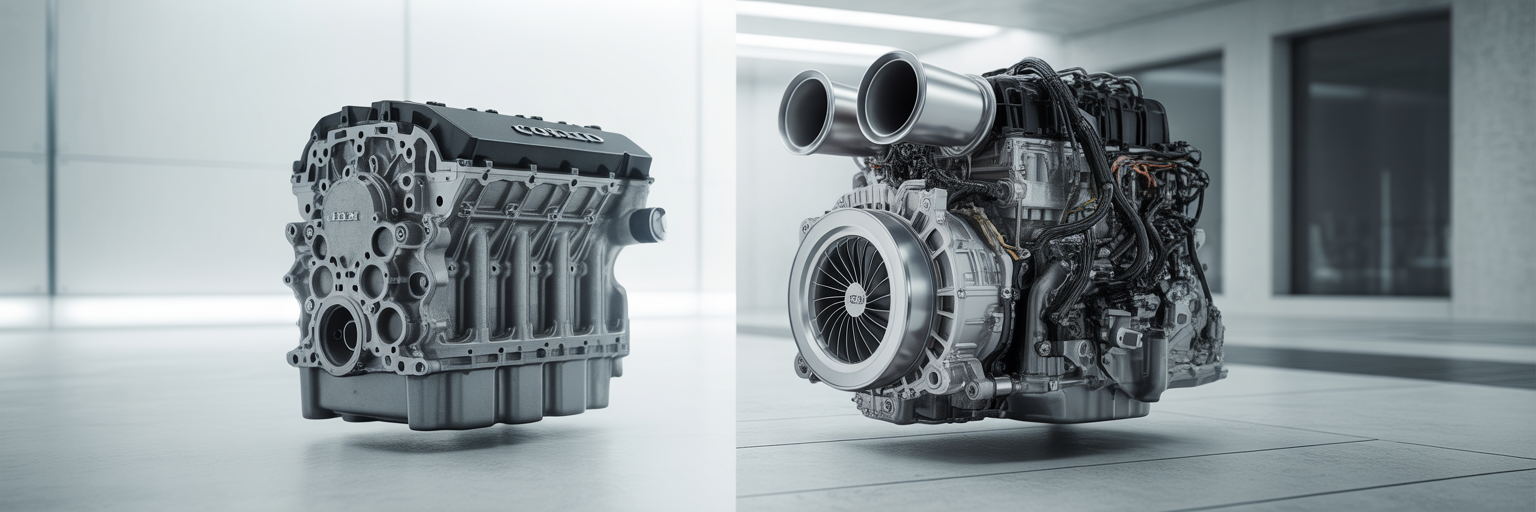
After 15 years, the arrival of the third-generation Tundra in 2022 was a seismic shift. Everything was new: the frame, the suspension, the interior, and most controversially, the powertrain. Toyota retired its legendary V8s and went all-in on a twin-turbocharged V6 platform. This move was met with a lot of skepticism from loyal owners who had come to equate the Tundra with V8 reliability. It was a bold gamble, driven by forces outside of customer demand. The latest developments and owner feedback on this new platform are constantly evolving, and it’s worth keeping up with automotive news to stay informed on its long-term performance.
The End of an Era: Why the V8 Disappeared
So, why did Toyota ditch its most beloved engine? The answer has little to do with performance and everything to do with government regulations. The primary driver was the push for better fuel economy, specifically the federal CAFE (Corporate Average Fuel Economy) standards. These regulations require automakers to meet a progressively higher average MPG across their entire fleet of vehicles. A thirsty, large-displacement V8 makes hitting that average incredibly difficult. To keep the Tundra viable for the future and avoid hefty fines, Toyota had to make a drastic change. The move to a smaller, turbocharged engine was an engineering pivot necessary to meet emissions and fuel efficiency targets. It wasn’t a choice made lightly; it was a choice made out of necessity.
The New Powertrains: i-FORCE and i-FORCE MAX Explained
The new Toyota Tundra engine lineup consists of two versions of the same 3.4L twin-turbo V6. The standard engine, called the “i-FORCE,” produces an impressive 389 horsepower and 479 lb-ft of torque. That’s more power and significantly more torque than the outgoing 5.7L V8, and it’s available much lower in the RPM range thanks to the turbos. This gives the new truck a quick, responsive feel off the line.
The flagship powertrain is the “i-FORCE MAX.” This is a hybrid system, but it’s crucial to understand what kind of hybrid it is. This is not a Prius. It’s a performance-oriented hybrid designed for power. Toyota placed a powerful electric motor between the engine and the 10-speed automatic transmission. This motor provides an instant surge of torque, filling in the gap before the turbos fully spool up. The combined system output is a massive 437 horsepower and 583 lb-ft of torque. The goal here isn’t maximum fuel economy; it’s maximum, instantaneous torque for towing and acceleration. It turns the Tundra into a seriously fast truck.
Platform Overhaul: Coil Springs and Modern Tech
Beyond the engine, the entire platform was redesigned. The old 6-speed automatic was replaced with a modern 10-speed unit, which helps keep the twin-turbo V6 in the sweet spot of its powerband and improves efficiency. But the most significant change to the chassis was at the rear. Toyota finally ditched the traditional leaf spring suspension that trucks have used for a century and replaced it with a multi-link rear suspension with coil springs. For the driver, this translates to a dramatically improved ride quality. The truck feels more stable and planted, and the notorious “bed bounce” of the second generation is completely gone. It handles less like a traditional pickup and more like a large, comfortable SUV.
The interior also received a massive technological upgrade, centered around a huge optional 14-inch touchscreen. The system is a vast improvement over the old Entune infotainment, with crisp graphics and responsive controls. The new Tundra is packed with modern driver-assist features, making it a much more refined and tech-forward vehicle than its predecessor.
Teething Issues: Early Third Gen Problems
A completely new design is bound to have some initial problems, and the third-gen Tundra has been no exception. The 2022 model year, in particular, saw a number of “teething issues.” The most widely reported problem involved the electronic wastegate actuators for the turbochargers. Some owners experienced a loss of power when the wastegates would get stuck, leading to a recall. There were also other minor recalls for software glitches and trim pieces. These early issues have created some hesitation among loyalists who are used to the second generation’s near-flawless reliability. While many of these problems seem to have been addressed in later models, it’s a reminder that being an early adopter of any all-new vehicle platform comes with a degree of risk.
A Mechanic’s Final Take on the Tundra Legacy
Looking back at the complete history of the Toyota Tundra generations, you see a story in three distinct acts. It started with the first generation, a cautious but well-built entry that proved Toyota could build a V8 truck. Then came the second generation, the dominant, beloved heavyweight that cemented the Tundra’s reputation for brute strength and unwavering reliability. Now, we have the third generation, a technologically advanced and efficient machine that represents a gamble on the future of trucks. Through it all, the common thread has been Toyota’s core philosophy: using overbuilt components to prioritize long-term durability. The Tundra has never been the best-selling truck or the one with the most flashy features. Its legacy is built on something far more valuable to a truck owner: peace of mind.
So, which one should you buy? From a mechanic’s perspective, it breaks down like this:
- First Gen (2005-2006 with VVT-i V8): These are among the best Tundra model years for someone on a budget who wants a simple, incredibly reliable light-duty truck. The powertrain is fantastic. The only major catch is finding one with a clean, rust-free frame. If you can, you’ve got a truck that will run for a very long time with basic maintenance.
- Second Gen (2014-2021 with 5.7L V8): This is the sweet spot for most people. It offers the proven, powerful 5.7L V8 with the updated, modern interior. It’s a true workhorse that can tow heavy loads without breaking a sweat. You have to accept its dismal fuel economy, but in return, you get one of the most dependable trucks ever made.
- Third Gen (2023-onward): This is the truck for the buyer who values modern technology, a comfortable ride, and better fuel efficiency. The power from the new twin-turbo engines is undeniable, and the coil spring suspension makes it a pleasure to drive daily. The trade-off is the unproven long-term reliability of the new platform. We recommend sticking to 2023 and newer models to avoid the initial teething issues.
Ultimately, the Tundra’s legacy isn’t about winning sales charts. It’s about being the smart, sensible choice. It’s the truck you buy when you value resale value and the confidence that it will start every single morning, ready to work. That pragmatic, no-nonsense appeal is the heart of what makes a Tundra a Tundra. If you’re still exploring your options, you can continue your research across our entire site at CarPhanatics.com.