Defining Two Icons of the Sport Sedan World
For decades, the battle between Italian and German automotive engineering has been defined by two distinct philosophies: raw, emotional engagement versus calculated, engineered perfection. Nowhere is this rivalry more apparent than in the compact sport sedan segment. The Alfa Romeo Giulia and BMW 3 Series are the modern standard bearers, each representing the soul of its nation’s approach to performance. This is more than a simple Alfa Romeo Giulia vs BMW 330i showdown; it’s a choice that reflects a driver’s fundamental priorities.
The 2026 models continue this legacy. The BMW 330i carries the weight of a dynasty, a car that has spent generations as the benchmark for the daily drivable sport sedan. It promises competence in all areas. The Alfa Romeo Giulia, on the other hand, arrives with the spirit of its racing heritage, a design philosophy centered on “cuore sportivo,” or the sporting heart. It promises an experience, not just transportation. Choosing between them means deciding what you value most when you get behind the wheel, making them perennial contenders for the title of best luxury sport sedan.
This detailed Giulia vs 330i comparison follows our tradition of analyzing top contenders in the market. For those interested in seeing how other vehicles stack up, you can explore more in our dedicated section for vehicle showdowns. To understand which of these two sedans is right for you, we will examine them across five key areas:
- Powertrain character
- Handling dynamics
- Daily comfort
- Interior and technology
- The practical realities of ownership
Engine Character and Acceleration
On paper, the powertrains of the 2026 Giulia and 330i seem closely matched. The Alfa Romeo features a 2.0L turbocharged four cylinder engine producing 280 horsepower, while the BMW uses a 2.0L turbo four making 255 horsepower. However, these numbers fail to capture the profound difference in their personalities. The experience of accelerating in each car is worlds apart, revealing their core philosophies.
The Giulia’s engine is fiery and eager. It has an aggressive character, with an audible turbo whistle and a palpable sense of urgency as it chases the redline. Power delivery is not a gentle swell; it’s a sharp, visceral punch that encourages you to drive with spirit. It feels like it’s constantly straining at the leash, ready to leap forward. In contrast, the BMW’s engine is a masterclass in refinement. Its power arrives in a smooth, linear wave of torque that starts low in the rev range. It’s deceptively quick, building speed with an effortless and discreet composure that masks the true pace.
Both sedans utilize the excellent ZF 8 speed automatic transmission, but their programming tells different stories. In the Giulia, the shifts are intentionally quick and perceptible, especially in Dynamic mode. Each gear change adds a small kick to the drama of acceleration. The 330i’s transmission is engineered for invisibility. Shifts are so smooth and seamless that they often go completely unnoticed, contributing to a serene and uninterrupted flow of power. The sensations are distinct:
- Giulia: Sharp throttle response, an exciting turbo spool, and aggressive gear changes that connect you to the mechanics.
- 330i: Buttery smooth power delivery, quiet operation at all speeds, and nearly imperceptible gear changes for ultimate refinement.
| Specification | Alfa Romeo Giulia | BMW 330i |
|---|---|---|
| Engine | 2.0L Turbocharged Inline-4 | 2.0L Turbocharged Inline-4 |
| Horsepower | 280 hp | 255 hp |
| Torque | 306 lb-ft | 295 lb-ft |
| Transmission | 8-Speed Automatic (ZF) | 8-Speed Automatic (ZF) |
| 0-60 MPH (Est.) | ~5.1 seconds | ~5.4 seconds |
Note: Performance figures are based on manufacturer claims and independent tests for rear-wheel-drive models. These numbers provide a quantitative baseline for the qualitative differences in power delivery discussed.
Steering Feel and Chassis Dynamics
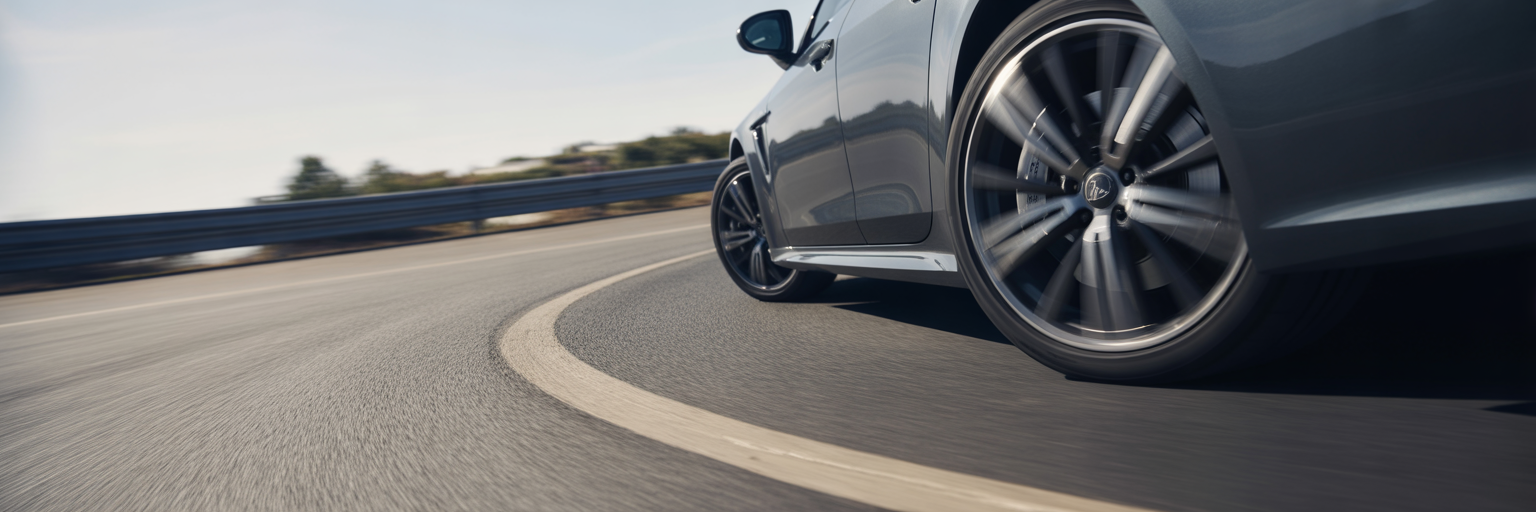
While the engines set the tone, the steering and chassis are where these two sedans truly diverge. This is the heart of the matter for any enthusiast, defining the connection between the driver and the road. The Giulia’s steering rack is its party piece. It is hyper quick and almost telepathic, responding to the smallest inputs with immediate effect. It feels like a surgeon’s scalpel, offering an unfiltered stream of information from the front tires directly to your fingertips. This creates an incredible sense of agility and makes the car feel like it pivots around you.
The BMW’s steering, by comparison, is precise and weighty, inspiring confidence at any speed. However, it is intentionally more isolated. BMW’s engineers have filtered out the minor jitters and imperfections of the road surface to create a less demanding and more stable experience, particularly on long highway journeys. It does exactly what you ask, but it doesn’t chatter back the way the Alfa does. This difference in handling philosophy is consistently noted in professional reviews. According to an analysis by MotorTrend, the Giulia’s chassis and steering set it apart for pure driving pleasure.
This contrast extends to the chassis. The exceptional Giulia driving dynamics come from a chassis that is incredibly rigid and communicative. It’s tuned for minimal body roll and an immediate, sharp turn in, making the car feel alive and playful on a winding road. The BMW 330i’s chassis is built on a philosophy of balance. It is perfectly competent and composed when pushed hard, but its primary mission is to blend capable handling with a secure, compliant feel that works in all conditions, not just on a perfect stretch of asphalt. The advanced engineering in these sedans is a far cry from the rugged simplicity found in other vehicle classes. For a look into that world, you can read about which 2025 trucks offer the best towing and fuel economy, where priorities are entirely different.
Ride Quality and Daily Commuting Comfort
The thrilling handling dynamics just discussed come with real world trade offs, which become apparent the moment you leave the smooth canyon road for a typical city commute. The Giulia’s ride is firm and constantly communicative. While this is a virtue for spirited driving, it translates to a busier and sometimes jittery experience over the broken pavement, potholes, and expansion joints that litter American highways. You feel connected to the road, for better or for worse. This constant feedback, combined with a bit more road and wind noise, can lead to a higher level of driver fatigue on long road trips.
This is where the BMW 330i stakes its claim as the superior daily companion. It is the master of compliance in this comparison. Its sophisticated damping works wonders to absorb bumps and isolate the cabin from harsh impacts. Where the Giulia would transmit a sharp jolt, the 330i smothers it into a distant thud. It glides over imperfections that would unsettle the Alfa, creating a far more serene environment for both driver and passengers.
When evaluating cabin serenity, the 330i is the clear winner. Its quieter interior, combined with its more relaxed and composed ride, makes it the obvious choice for anyone whose driving life primarily consists of commuting, running errands, or embarking on long distance journeys. The BMW is engineered to reduce the stresses of driving, while the Alfa is engineered to amplify the sensations of it.
Interior Design and Cabin Ambiance
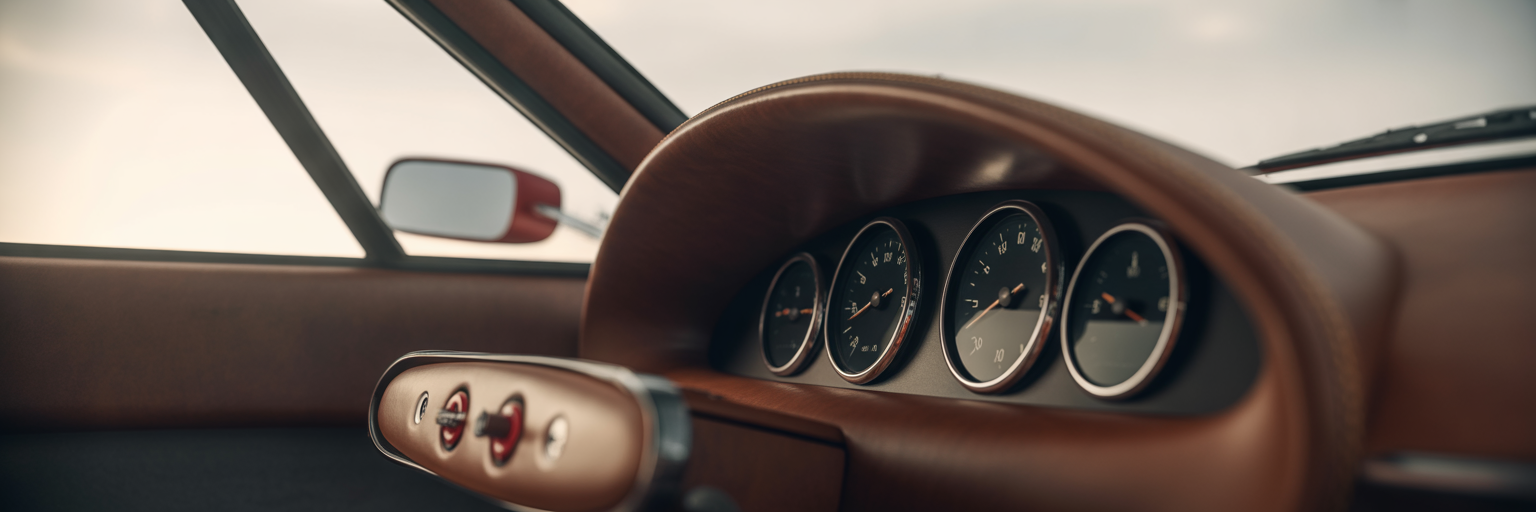
Stepping inside these two sedans reveals their opposing design philosophies as clearly as their driving dynamics do. The Alfa Romeo Giulia’s interior is an expression of Italian passion and flair. The entire cabin is oriented toward the driver, with deeply cowled gauges that mimic classic sports cars, a theatrical steering wheel mounted start button, and sweeping, organic lines across the dashboard. It’s a cockpit designed to evoke emotion and make every drive feel like an occasion. This focus on form does come with functional trade offs, such as smaller storage cubbies and less intuitive placement for some secondary controls.
In stark contrast, the BMW 330i’s interior is a masterclass in ergonomic logic and sober, Teutonic quality. There is an immediate sense of solidity and precision. Every button, switch, and screen is placed exactly where your hand expects to find it. The materials feel substantial, and the fit and finish are impeccable. It’s an interior engineered from the ground up for ease of use and long term satisfaction. It may not have the Alfa’s dramatic flair, but its quiet competence is a different kind of luxury.
This difference extends to passengers. The BMW generally offers slightly more rear seat legroom and a greater sense of airy spaciousness, making it a more comfortable place for four adults. The Giulia’s cabin is a special place for the person behind the wheel, but the 330i’s is a more user friendly and accommodating environment for everyone inside.
Onboard Technology and Infotainment Systems
When it comes to onboard technology, the gap between the two cars becomes more defined. BMW’s iDrive system has long been an industry benchmark, and the latest iteration in the 330i continues that tradition. It features a large, brilliantly crisp screen, lightning fast software, and an intuitive rotary controller that allows for easy operation without taking your eyes off the road. It seamlessly integrates all vehicle functions into one cohesive and polished package.
The Alfa Romeo’s infotainment system has improved significantly in recent years, now featuring a responsive touchscreen and cleaner software. However, when used back to back with iDrive, it can still feel less comprehensive and a step behind in polish. The menu structure may be less intuitive for some, and it lacks the sheer depth of customization found in the BMW. The instrument clusters also highlight this difference. The 330i boasts the highly configurable Live Cockpit Professional, a fully digital display that can be tailored to the driver’s preference. The Giulia sticks to a more classic, driver focused approach with a central screen flanked by beautiful physical gauges for the tachometer and speedometer.
Both sedans offer a full suite of Advanced Driver Assistance Systems (ADAS), including adaptive cruise control and lane keeping assist. However, BMW’s systems are generally regarded as more refined and smoother in their operation. The semi autonomous highway driving functions in the 330i feel more natural and confidence inspiring. The technology in these cars is impressive, but keeping them running requires a different kind of knowledge. For those interested in DIY car care, you can learn about simple fixes like how to clean headlights with toothpaste, a world away from the complex electronics discussed here.
Comparing the Audio and Sound Systems
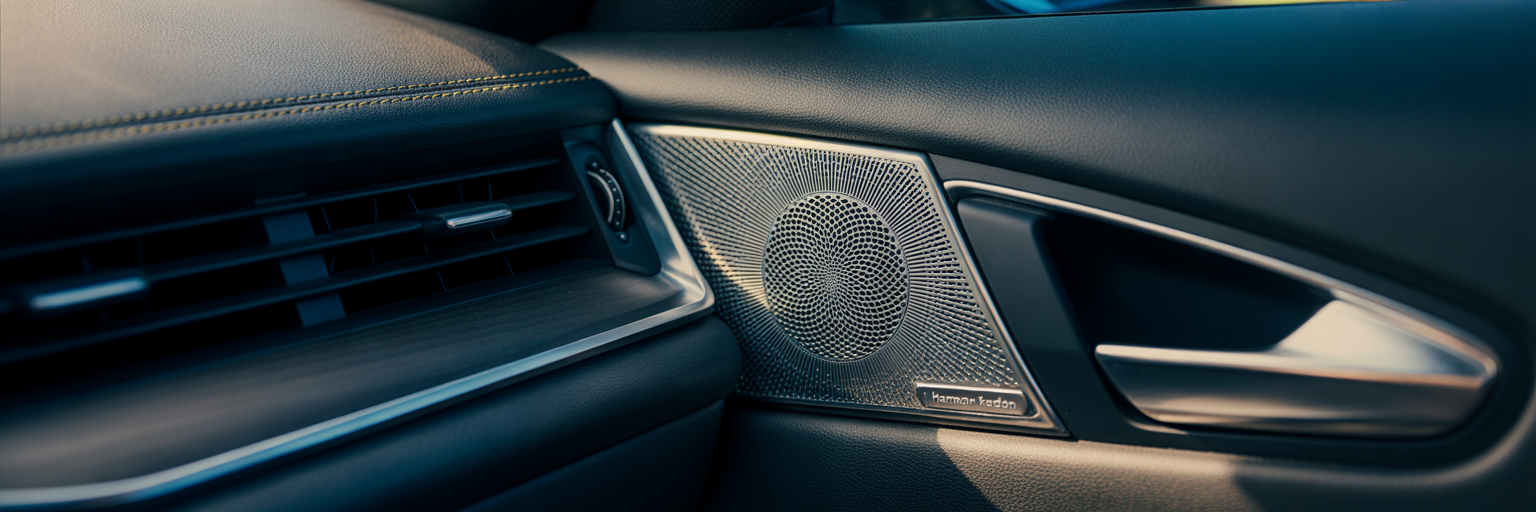
The auditory experience inside these premium sedans goes beyond engine notes. Both cars offer standard audio systems that are adequate for casual listening, but the optional premium systems are where the real comparison lies. The BMW 330i can be equipped with a powerful Harman Kardon surround sound system. It is known for creating a clear, immersive soundstage with deep bass and crisp highs. The system’s extensive customization through the iDrive equalizer allows you to fine tune the audio to your exact preference, making it a fantastic choice for audiophiles.
The Alfa Romeo Giulia also offers an excellent Harman Kardon premium system. It is tuned specifically for the Giulia’s unique cabin acoustics and tends to have a punchy, energetic character that complements the car’s spirited nature. It delivers a rich and powerful sound that can easily fill the cabin. While both systems are high quality upgrades, their role within the car feels different.
The BMW’s audio system is an integral part of its comprehensive luxury technology package. It is designed to be a centerpiece of the in cabin experience. In the Giulia, the premium audio often feels like an excellent supporting actor. For many Alfa drivers, the preferred soundtrack will always be the evocative sound of the engine and the feedback from the road. The choice comes down to whether you want a concert hall on wheels or a system that complements an already engaging mechanical symphony.
Long-Term Reliability and Ownership Peace of Mind
It’s impossible to discuss these two brands without addressing the elephant in the room: reliability. The reputation for poor Alfa Romeo Giulia reliability, stemming from issues in earlier model years, still colors buyer perception in the US. It’s important to approach this with a balanced perspective. The current generation Giulia has seen significant improvements in build quality, and many of the initial electronic gremlins have been sorted out. Ownership is far less of a gamble than it once was. However, it is fair to say that you might still experience more minor, quirky dealer visits for electronic hiccups than you would in its German rival.
BMW’s record is more of a known quantity. While generally solid, modern BMWs are immensely complex machines. There is a well documented pattern of potentially expensive post warranty repairs related to the cooling system, oil leaks from plastic components, and sophisticated electronics. The risk is less about frequent, minor frustrations and more about the possibility of a few significant repair bills down the line. Concerns over long term reliability are not unique to Italian cars. As recent issues like the GM 6.2L engine recall show, problems can arise in any vehicle, making it a key part of the ownership consideration.
Ultimately, the choice comes down to your risk profile. The Giulia represents a diminishing but still present perceived risk of minor issues, while the 330i represents a more predictable path with a potentially high but well understood long term repair cost trajectory.
Analyzing Maintenance and Running Costs
Beyond unexpected repairs, the predictable, ongoing costs of ownership are a crucial factor. Both the Giulia and 330i are premium European cars, and their service bills reflect that. Routine maintenance like oil changes, brake jobs, and new tires will be more expensive than on a non luxury vehicle. The conversation around BMW 330i maintenance costs is a common one. Dealer labor rates and parts prices in the US are notoriously high. While the initial complimentary maintenance period is an attractive perk, costs can escalate sharply once that coverage expires.
The Alfa Romeo’s cost profile presents a different challenge. While the actual cost of routine services can be comparable to or even slightly less than the BMW’s, finding a trusted independent mechanic with Alfa specific expertise can be difficult outside of major metropolitan areas. This can tether owners to more expensive dealership service centers. The most significant financial differentiator is often depreciation. Alfa Romeos have historically depreciated faster than their German counterparts, though the Giulia’s strong desirability has helped stabilize its value. The BMW 3 Series, however, benefits from traditionally strong residuals, making it a safer financial bet over a typical five year ownership period.
| Cost Factor | Alfa Romeo Giulia | BMW 330i |
|---|---|---|
| Depreciation (5-Year Est.) | Moderate to High | Moderate |
| Routine Maintenance (5-Year Total) | $3,500 – $5,000 | $4,000 – $5,500 |
| Average Annual Insurance | Slightly Higher | Average for Class |
| Fuel Costs (Annual, 15k miles) | Comparable | Comparable |
| Post-Warranty Repair Fund (Recommended) | $2,000 – $3,000 | $2,500 – $4,000 |
Note: These figures are estimates based on industry data for the US market. Actual costs will vary based on location, driving habits, and specific vehicle condition. The ‘Post-Warranty Repair Fund’ is a suggested budget for common issues that may arise after the factory warranty expires.
The Verdict: The Enthusiast’s Heart or The Pragmatist’s Mind
After comparing these two exceptional sedans, the choice becomes a question of philosophy. Each car excels in its own mission, appealing to a different set of priorities. To make the decision clear, let’s recap their core strengths.
- Alfa Romeo Giulia: Unmatched steering feel, an agile and playful chassis, and an emotive engine and design that stir the soul.
- BMW 330i: Superior ride comfort, a refined and powerful engine, class leading technology, and a more practical, user friendly cabin.
For the driver who prioritizes the visceral sensation of driving above all else, the verdict is clear. If you crave feedback, connection, and a car that feels alive in your hands, and you are willing to trade some daily comfort for that passion, the Alfa Romeo Giulia is the undeniable choice. It is a car you buy with your heart.
For the driver seeking a supremely competent, comfortable, and technologically advanced sedan that excels as a daily driver but is still enjoyable on a good road, the BMW 330i is the smarter, more well rounded decision. It is a car you buy with your mind. Whether you choose the passion of Alfa Romeo or the precision of BMW, exploring different automotive brands is part of the enthusiast journey. To discover more about the history and offerings of various manufacturers, you can visit our brands page.