A successful off-road trip is decided long before your tires touch the dirt. The quiet moments in your garage, checking fluid levels and testing connections, are what separate a memorable adventure from a costly recovery mission. Preparation is not just a step in the process; it is the foundation of every safe and enjoyable journey into the backcountry.
Essential Pre-Trip Preparations and Gear
Before you even think about which trail to conquer, you must ensure your vehicle and gear are ready for the challenge. This isn’t about being overly cautious; it’s about being self-sufficient miles from the nearest paved road or cell signal. Think of this as your non-negotiable pre-launch checklist.
- Vehicle Readiness Check: A thorough inspection is the most critical part of your preparation. Go beyond a simple walk-around. Check your tire pressure and inspect the sidewalls for cuts or bulges. Engage your 4WD system, testing both high and low ranges to confirm they work smoothly. Look for any fluid leaks around the suspension and engine. A minor drip in your driveway can become a major failure on a remote trail. These basic off road vehicle requirements are your first line of defense.
- Assembling Your Recovery Kit: Getting stuck is an inevitable part of off-roading, not a sign of poor driving. Your recovery kit is your insurance policy. It must include a kinetic recovery rope, which stretches to smoothly pull a vehicle free, unlike a static tow strap. Also pack soft shackles, a winch dampener for safety, and ensure your vehicle has clearly marked, frame-mounted recovery points. Traction boards are another invaluable tool for self-recovery in sand, mud, or snow.
- Navigation and Communication Essentials: You cannot rely on your phone’s cell service. Download offline maps using an app like onX Offroad or Gaia GPS before you leave. For communication, a personal satellite messenger allows you to send emergency alerts from anywhere, while a GMRS or CB radio is essential for staying in contact with your group on the trail.
- Safety and Survival Basics: Your own well-being is as important as your vehicle’s. Pack a comprehensive first-aid kit, more water than you think you need, with a minimum of one gallon per person per day. Bring non-perishable food and layered clothing to adapt to changing weather. Most importantly, always leave a detailed itinerary with a reliable person who is not on the trip with you.
Beginner-Friendly Trails for Scenic Adventures
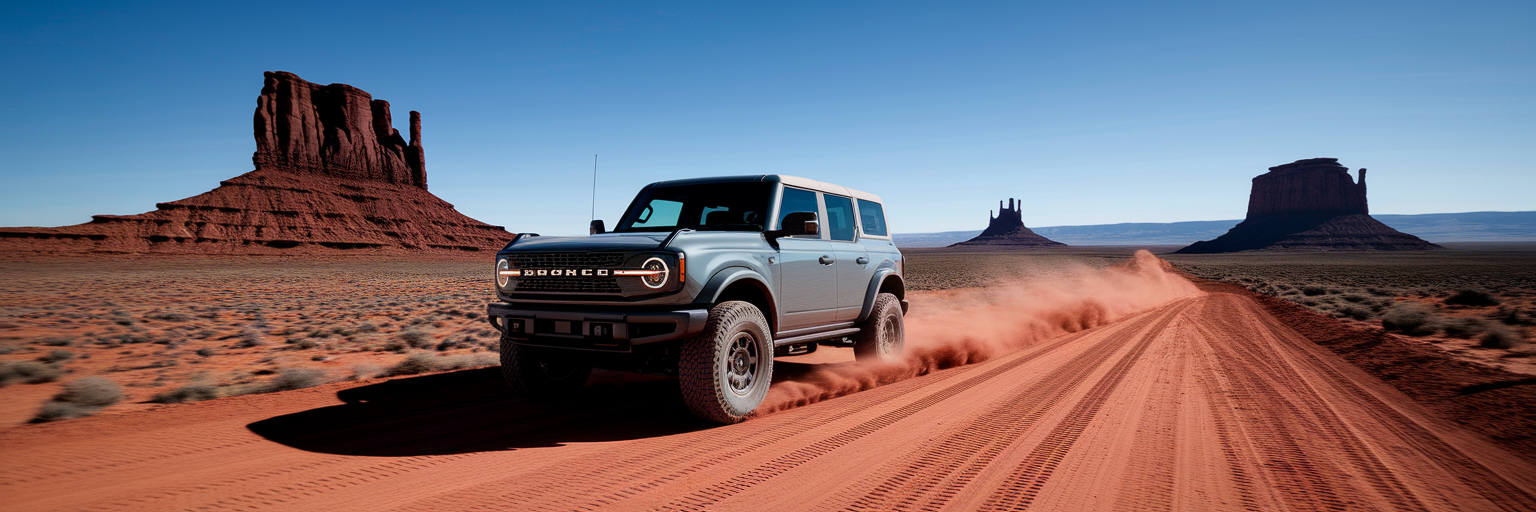
For those new to the hobby, the world of off-roading can seem intimidating. The good news is that you don’t need a heavily modified rig to start exploring. The best 4×4 trails for beginners are less about conquering obstacles and more about enjoying the journey. These routes typically feature graded roads, minimal technical challenges, and a low risk of vehicle damage, making them perfect for building confidence while soaking in incredible scenery.
Trail Example: Little Sahara Recreation Area, Utah
Imagine a massive sandbox for your 4×4. That’s Little Sahara. This area offers a forgiving environment to learn how your vehicle behaves on a loose surface. Driving on sand is all about physics. You need to create a larger tire footprint to “float” on top rather than digging in. Here are a few tips to get you started:
- Air down your tires to 20 PSI or even lower. This increases the contact patch and provides flotation.
- Maintain steady momentum. Slowing down or stopping on an incline will likely get you stuck.
- Use a whip flag. This tall, flexible flag is mandatory for visibility over the dunes, preventing collisions.
Trail Example: Geology Tour Road, Joshua Tree National Park, California
This trail is the quintessential scenic dirt road adventure. The 18-mile route takes about two hours and guides you through some of Joshua Tree’s most unique desert landscapes and rock formations. It’s a prime example of off roading in national parks where the main challenge is simply paying the park entry fee. The road is generally well-maintained, though it can have sandy spots and washboard sections. A reliable vehicle and a slow, observant driving style are far more important than aggressive tires or a big lift kit. Many of today’s factory-built trucks are more than capable of handling these scenic routes right off the showroom floor.
Intermediate Routes to Build Your Skills
Once you’ve mastered the basics and feel comfortable on graded dirt roads, you might start looking for a greater challenge. This is where intermediate trails come in. The step up is noticeable. You’ll encounter steeper grades that demand the use of 4-Low, rocky sections that require careful tire placement, and the possibility of water crossings. This is the point where you transition from being a passive driver to an active problem-solver on the trail.
Trail Example: White Rim Road, Canyonlands National Park, Utah
The White Rim Road is an epic, 100-mile loop where the primary challenge is not a single obstacle but rather its sheer remoteness and the endurance required to complete it. This multi-day journey features stunning views and iconic obstacles like the steep Murphy Hogback switchbacks. Planning is critical. Permits from the National Park Service are required for overnight trips and are extremely competitive, often booking out months in advance. This is not a spontaneous weekend trip.
Trail Example: Red Canyon (Peelem-Get-Em-Up), Utah
If the White Rim is a marathon, Red Canyon is a technical sprint. This day-trip trail near Kanab tests specific skills with its mix of deep sandy washes and challenging rock ledges. You will need to deliberately use 4-Low and practice precise throttle control to navigate the obstacles without damage. On a trail like this, vehicle modifications like all-terrain tires and a modest suspension lift move from being “nice to have” to highly recommended. It’s here you learn the importance of your vehicle’s dimensions, especially its approach and departure angles. For instance, a vehicle like the upcoming 2026 Jeep Grand Cherokee is designed with this level of capability in mind.
| Factor | Beginner Trails | Intermediate Trails |
|---|---|---|
| Typical Terrain | Graded dirt/gravel roads, sand flats | Rocky sections, steep inclines/declines, minor water crossings |
| 4WD Usage | Often optional; 4-High may be used | 4-Low is frequently necessary |
| Required Driver Skill | Basic vehicle control, situational awareness | Tire placement (line selection), throttle/brake modulation |
| Vehicle Recommendation | Stock high-clearance 4×4 or AWD SUV | High-clearance 4×4 with all-terrain tires; minor lift recommended |
| Primary Risk | Getting lost, minor cosmetic scratches | Getting stuck, potential for minor mechanical or body damage |
This table illustrates the key differences in terrain, vehicle demands, and driver skill required when moving from beginner to intermediate off-road trails. Data is based on common trail rating systems used by off-road clubs and land management agencies.
Expert-Only Trails for the Ultimate Test
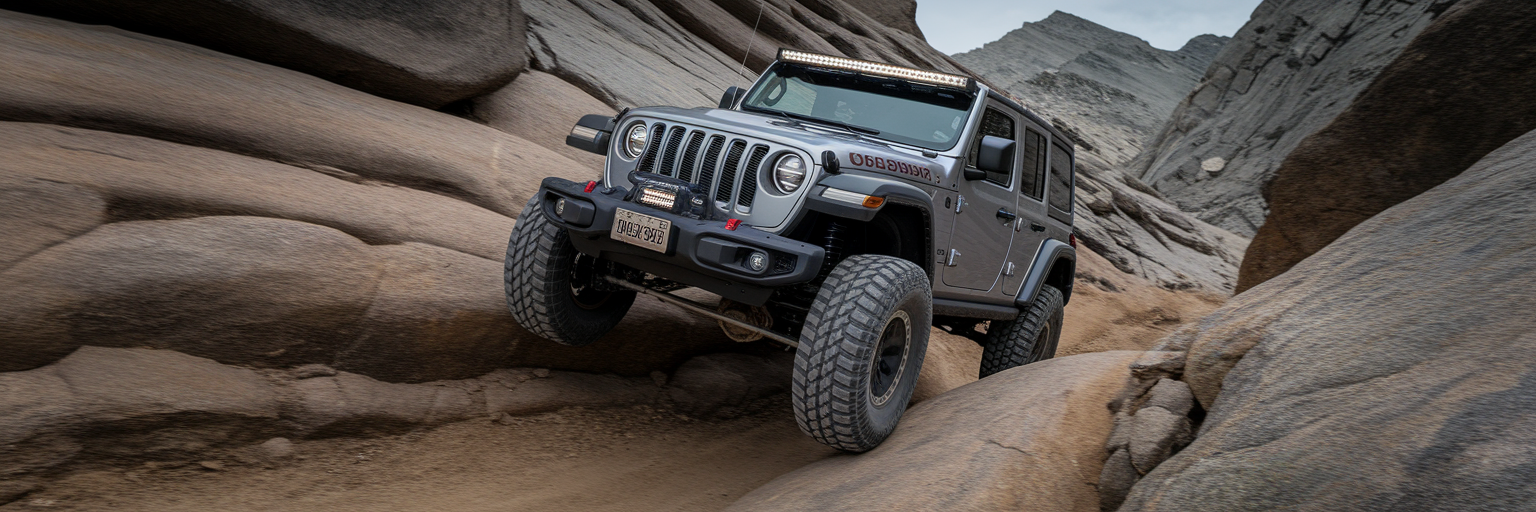
Some trails are not just difficult; they are consequential. An expert-only trail presents a significant and unavoidable risk of major vehicle damage, demanding advanced driving techniques and a purpose-built vehicle. These routes are aspirational for many but are a serious undertaking for a small, dedicated group of enthusiasts. This is not the place for a stock truck on a weekend whim.
Trail Example: Imogene Pass, Colorado
When people talk about expert off road trails Colorado is famous for, Imogene Pass is always in the conversation. The challenge here is as much environmental as it is technical. At over 13,000 feet, the altitude saps engine power and driver energy. The trail itself is a narrow shelf road with severe, unforgiving drop-offs. Add in the region’s notoriously unpredictable alpine weather, which can bring snow in August, and you have a recipe for disaster if you are unprepared. According to a guide by Cliffhanger Jeep Rental, the San Juan Mountains are packed with these kinds of technical routes, demanding peak performance from both driver and machine.
Trail Example: Black Gap 4×4 Trail, Big Bend National Park, Texas
While Imogene tests your nerve against heights, Black Gap tests your commitment to self-sufficiency. Located in one of the most remote corners of the country, the trail’s namesake obstacle, “The Gap,” is a formidable rock ledge that requires a capable vehicle and a skilled spotter. But the true difficulty is the profound isolation. Help is not just a phone call away; it is hours, or even a full day, away. A required park permit does little to mitigate the risk. You are entirely on your own.
Attempting these trails requires specific modifications and experience. There is no room for compromise.
- Vehicle Must-Haves: A suspension lift of at least three inches, oversized mud-terrain tires (35 inches or larger), locking differentials for both front and rear axles, full underbody skid plates, and a reliable winch are mandatory.
- Driver Experience: You need extensive time behind the wheel on difficult terrain, proficiency with advanced recovery techniques like winching, and the mental fortitude to remain calm and make smart decisions in high-risk situations. While many platforms are capable, a truck like the 2025 Ford F-150 often serves as a solid base for these expert-level builds.
Rules of the Road in National Parks and Forests
Exploring public lands is a privilege, and it comes with a clear set of rules. Understanding the legal framework is just as important as knowing how to navigate a rocky incline. When it comes to off roading in national parks and forests, the regulations are there to protect both the environment and public access for years to come.
First, it is important to know the difference between National Parks (managed by the NPS) and National Forests (managed by the USFS). National Forests generally offer more dispersed trail opportunities, which are detailed on Motor Vehicle Use Maps (MVUMs). These maps are the definitive guide to what is legally open to vehicles. National Parks, on the other hand, are far more restrictive. As onX Offroad highlights, only a handful of National Parks permit off-roading, and only on specific, named routes.
Permits and passes vary widely. Some trails, like the White Rim, require a highly competitive, park-specific backcountry permit. Others may have a daily fee payable at the entrance. An annual “America the Beautiful” pass can cover entry fees for many federal lands. The most critical rule is to always check the official park or forest website before you leave home. Rules, conditions, and closures can change without notice. Staying on designated trails is not a suggestion; it is the law. Driving off-trail causes erosion, destroys fragile habitats, and is the fastest way to get a trail permanently closed. For the latest on land use policies, it is always a good idea to follow automotive and public land news.
Responsible Trail Use and Off-Roading Etiquette

Beyond the official regulations lies a set of unwritten rules that govern the off-road community. This trail etiquette is about respect for the land and for fellow enthusiasts. The Tread Lightly! principles provide an excellent philosophy for responsible recreation.
- Travel Responsibly: Stay on designated routes and travel only in areas open to your type of vehicle.
- Respect the Rights of Others: This includes yielding to uphill traffic. The vehicle traveling uphill has the right-of-way because it is much harder to regain momentum after stopping on an incline.
- Educate Yourself: Know the regulations for the area you are visiting and plan your trip accordingly.
- Avoid Sensitive Areas: Stay out of meadows, lakeshores, and wetlands.
- Do Your Part: The core of this principle is to leave the trail better than you found it. Pack out all your trash, and if you can, pick up any litter left by others.
Simple courtesies go a long way. When traveling in a convoy, leave enough space between vehicles for dust to settle. When you encounter hikers or horseback riders, slow down or stop and turn off your engine to be courteous. Protecting access to the best off road trails US has to offer is a shared responsibility. Being a true enthusiast means being a good steward of the wild places we love to explore. For those who want to continue their automotive journey, there is always more to discover on our homepage.