Beyond Point A to B: What Makes a Road Trip Car Great in 2026
For decades, the family car was treated like a household appliance, chosen for utility and little else. The journey was something to be endured, not enjoyed. Today, that mindset has shifted. The trip itself is now a core part of the vacation experience, and the vehicle has transformed from mere transport into a mobile base camp for adventure. It’s the setting for conversations, the quiet space for naps, and the window to a changing landscape.
The best family road trip cars of 2026 are defined by a successful balance of three critical elements: deep passenger comfort, genuine driver engagement, and intelligent practicality. A vehicle that isn’t boring creates a positive experience for everyone, not just the person behind the wheel. It’s about more than just getting there; it’s about how you feel when you arrive. Did the kids sleep soundly? Did the driver feel fatigued after eight hours? Was there a place for every snack, tablet, and water bottle?
Technology has fundamentally reshaped the modern road trip. Advanced infotainment systems that seamlessly stream content from personal devices have made the dreaded “Are we there yet?” a little less frequent. Driver-assistance systems that manage speed and lane position on the highway act as a helpful co-pilot, significantly reducing the mental strain of long-distance driving. These are not just features on a spec sheet; they are direct solutions to the common pain points of family travel, like boredom and driver stress.
Finally, let’s redefine “driving enjoyment” in a family context. This isn’t about blistering acceleration or track-day lap times. It’s about a vehicle that feels confident, responsive, and composed. It’s the difference between a car you simply operate and one you actually enjoy piloting. A well-engineered family hauler makes 500 miles feel less like a chore because it responds predictably, rides smoothly, and gives the driver a sense of command, not anxiety.
The Core Features for an Unforgettable Journey
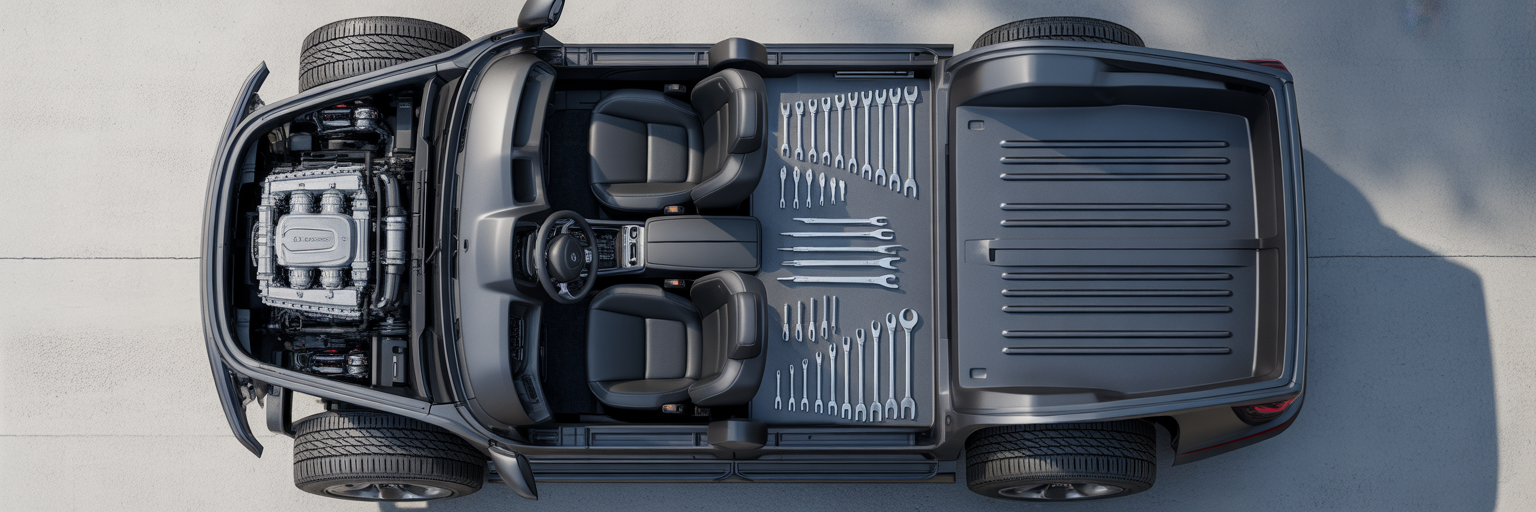
Identifying the perfect road trip vehicle means looking past the brochure and focusing on the details that truly matter over hundreds of miles. It’s about the subtle engineering choices and thoughtful features that turn a long drive from an ordeal into a pleasure. These are the core attributes that separate a good family car from a great one.
All-Day Comfort and Cabin Quietness
Long-haul comfort is a science. It starts with ergonomic seat design that provides proper spinal support, preventing the aches and stiffness that set in after a few hours. Multi-zone climate control is another unsung hero, ending the arguments over temperature by giving front and rear passengers their own settings. But the real secret to a peaceful journey is a quiet cabin. Automakers now use acoustic glass, active noise cancellation, and extensive sound-deadening materials to filter out wind and road noise, creating a serene environment where conversations can happen at a normal volume and kids can actually sleep.
Intelligent Cargo and Passenger Space
Cargo capacity is more than just a number. While ample three row suv cargo space is important, its usability is what counts. A flat load floor makes sliding in heavy coolers and suitcases effortless, while hidden under-floor storage is perfect for stashing valuables or emergency gear. The third row itself is a critical point of inspection; some are only suitable for small children, while the best can comfortably accommodate teenagers on a multi-hour drive. Just as important is the small-item storage. Well-placed cubbies, deep door pockets, and seat-back organizers are essential for keeping snacks, charging cables, and toys from taking over the cabin.
Powertrain Range and Real-World Efficiency
The ultimate goal on a road trip is to minimize unplanned or frequent stops. For gasoline-powered vehicles, this means a combination of a large fuel tank and an efficient engine, delivering a total range that comfortably exceeds 400 or even 500 miles. For electric vehicles, the benchmark is a real-world range of over 300 miles, paired with fast-charging capability that can replenish the battery from 10% to 80% in under 30 minutes. This turns a charging stop into a well-timed leg stretch or snack break, not a lengthy delay.
The Rear-Seat Experience
A happy back seat makes for a happy road trip. The best family vehicles treat rear passengers like first-class citizens, not an afterthought. Key features to look for include:
- Ample legroom and headroom, even for growing teens.
- Reclining and sliding seat adjustments to find the perfect position for napping or watching a movie.
- Dedicated USB-C ports for every passenger, ending the battle for the charger.
- Integrated window sunshades to block harsh light and help kids sleep.
- Rear-seat entertainment systems that allow streaming from personal devices.
Defining Driving Enjoyment for Families
A satisfying drive is about feeling connected and in command. It comes from responsive steering that makes the vehicle feel agile, not cumbersome. It’s about controlled body roll, where the car stays flat and stable through corners, preventing the swaying motion that can cause carsickness. Confident braking and smooth, predictable power delivery round out the experience, giving the driver the assurance needed to navigate unfamiliar roads with a car full of precious cargo.
| Attribute | Three-Row SUV | Minivan | Wagon / Large Sedan |
|---|---|---|---|
| Primary Strength | All-weather versatility, commanding view | Unmatched interior space and access | Superior driving dynamics and efficiency |
| Passenger Space | Good to excellent; third row varies | Excellent; most usable third row | Good for 4-5 passengers; no third row |
| Cargo Versatility | High vertical space for bulky items | Cavernous with seats folded/removed | Long, but limited vertical space |
| Driving Dynamics | Can feel heavy; some are surprisingly agile | Stable and smooth; not sporty | Engaging, car-like handling |
| Ideal Use Case | Families needing AWD and maximum flexibility | Families prioritizing ease of access and maximum interior room | Families who value the driving experience over maximum capacity |
The Enduring Appeal of the Three-Row SUV
The three-row SUV has become the default choice for American families, and for good reason. It projects an image of security, capability, and readiness for any adventure, whether it’s a trip to the grocery store or a journey into the mountains. Models like the Kia Telluride and Ford Explorer have come to define the segment, offering a compelling blend of style, space, and technology that resonates with modern buyers.
Much of this appeal comes from their engineering evolution. Gone are the days of rough, truck-based SUVs that handled like farm equipment. Today’s most popular models are built on unibody platforms, delivering a ride comfort and sophistication that rivals that of a large car. This is often paired with advanced all-wheel-drive (AWD) systems that provide an extra layer of confidence for trips that might involve snowy passes, rainy highways, or gravel roads. It’s the peace of mind that comes with knowing your vehicle is prepared for changing conditions.
A key part of the modern SUV experience is the suite of advanced driver-assistance systems. Features like adaptive cruise control with lane-centering are more than just conveniences; they are effective co-pilots on long highway stretches. By automatically maintaining a set distance from the car ahead and making subtle steering adjustments, these systems dramatically reduce the mental workload on the driver. This means arriving at your destination feeling less drained and more present for your family.
It’s time to challenge the stereotype that all family haulers are dull. Many automakers have proven that you can build fun to drive family suvs without sacrificing practicality. The Mazda CX-90 is a prime example, engineered with a clear focus on responsive handling and a connected feel. Technologies like torque vectoring, which intelligently sends power to individual wheels to improve cornering, and adaptive suspensions that adjust to the road in real-time, help these large vehicles feel surprisingly agile and enjoyable to pilot on a winding road.
Of course, the defining feature is the third row, and its usability varies dramatically across the market. Some are strictly for occasional use by small children, while others can comfortably accommodate adults for extended periods. When test-driving, have your family climb in the back. Can your teenager sit upright without their head hitting the ceiling? Are there air vents and cupholders back there? According to U.S. News, the best models offer spacious configurations and family-friendly tech, making them ideal for long journeys. For those considering a luxury hybrid option, the differences between models can be significant, as seen in detailed comparisons like the one between the Lexus RX Hybrid and Toyota Highlander Hybrid, which you can explore further here.
Why Modern Minivans Are Still Road Trip Royalty
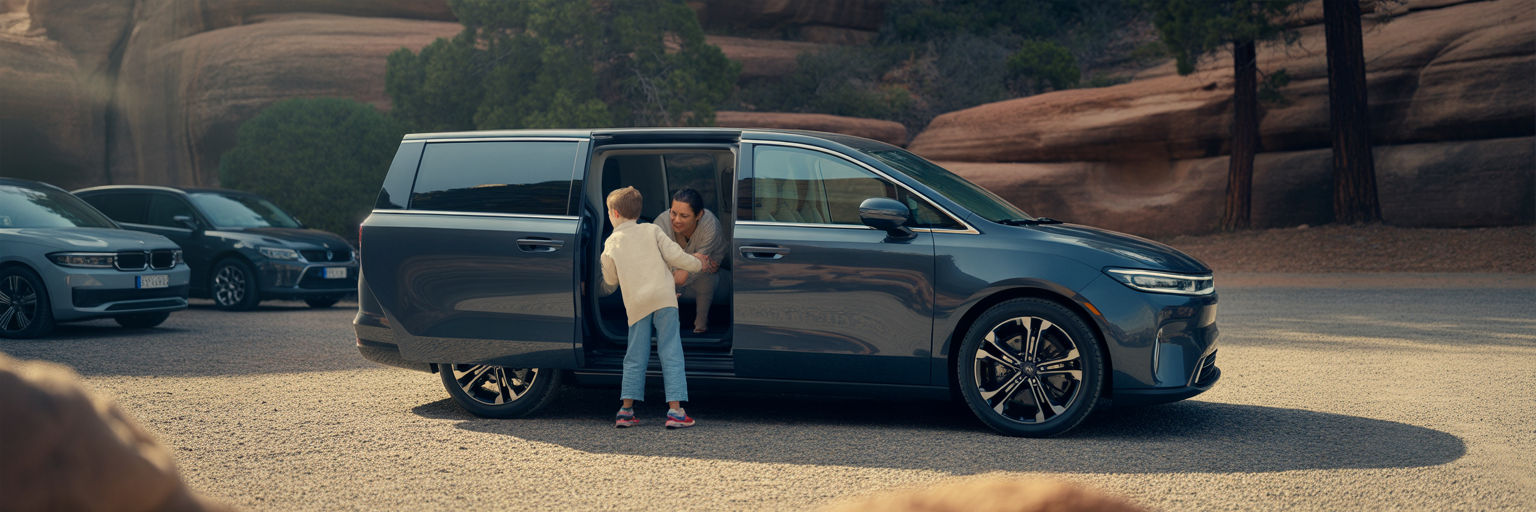
Let’s be direct: if maximum space, comfort, and practicality are your top priorities, the modern minivan is unbeatable. For years, it has battled an “uncool” image, but for families who value function over form, the minivan is the most logical and intelligent choice for a road trip. It is, without a doubt, the best minivan for road trips.
The minivan’s superiority lies in its unique, purpose-built design. Anyone who has tried to wrangle a child into a car seat in a tight parking garage will understand the magic of power sliding doors. The low, flat floor makes it incredibly easy for small children and older grandparents to get in and out, a detail no tall SUV can match. The Chrysler Pacifica’s Stow ‘n Go seating, which allows the second and third rows to disappear completely into the floor, offers a level of cargo versatility that is simply in a class of its own.
These practical advantages are rooted in engineering. A minivan’s longer wheelbase and lower center of gravity give it an inherent stability that most SUVs can’t replicate. This translates to a smoother, more composed ride on the highway and less of the side-to-side body motion that can contribute to carsickness. As MotorTrend notes, few vehicles can rival a minivan for “outright road-trip mastery.” It’s a vehicle designed from the ground up to move people in maximum comfort.
The cabin is a masterclass in family-centric design. Innovations like Chrysler’s FamCAM, an in-cabin camera that lets parents check on rear-facing infants without turning around, show a deep understanding of family needs. Features like built-in vacuums, an abundance of USB ports, and countless clever storage solutions are not gimmicks; they are thoughtful tools designed to manage the controlled chaos of family life on the road.
Modern minivans also deliver surprising efficiency and a relaxing driving experience. Many now offer advanced hybrid powertrains that achieve excellent fuel economy, extending the range between fuel stops. Their driving character isn’t sporty, but rather effortlessly smooth. The steering is light, the ride is plush, and the power delivery is seamless, creating the perfect, low-stress demeanor for covering hundreds of miles with a full car. While a hybrid minivan focuses on efficiency, it’s interesting to see how that same goal is approached in other vehicle classes, such as in the classic sedan rivalry detailed in the 2026 hybrid sedan showdown.
The Stylish Alternatives: Wagons and Large Sedans
For the family that appreciates the art of driving and refuses to follow the SUV crowd, there are compelling and stylish alternatives. The station wagon and the large sedan offer a different kind of road trip experience, one that prioritizes driving pleasure and refined comfort over maximum capacity.
The wagon is the enthusiast’s family car. Among family station wagons US buyers can choose from, vehicles like the Subaru Outback have carved out a loyal following by blending SUV-like utility with car-like handling. They offer generous cargo space and all-weather capability without the tall, top-heavy feel of a traditional SUV. The advantage is pure physics: a lower center of gravity provides a more direct connection to the road, significantly less body roll in corners, and more responsive steering. This makes a wagon inherently more enjoyable on the scenic, winding roads that make a road trip memorable.
Don’t overlook the full-size sedan as a premium road trip machine for a family of four. For long highway journeys, a large sedan often provides a level of cabin quietness and ride comfort that similarly priced SUVs struggle to match. Their interiors can feel more luxurious and cocooning, creating a first-class travel experience for everyone on board.
Of course, these alternatives come with clear trade-offs. They seat five people at most, and they lack the vertical cargo space needed for bulky items like large coolers or camping gear. This makes them the ideal choice for families who pack efficiently and place a higher value on the quality of the drive itself. You don’t need tire-shredding power, but the engineering principles that make performance cars exciting often translate to confident handling in a well-designed wagon. The spirit of American power is being redefined in 2026, and for families, that spirit is found in a vehicle that feels responsive and secure.
These vehicles shine in specific scenarios. A large, quiet sedan is perfect for a cross-country trek where highway comfort is paramount. A sporty wagon is the ultimate companion for a trip to a mountain cabin, turning the drive up the twisting roads into part of the fun.
The Electric Revolution on the Open Road
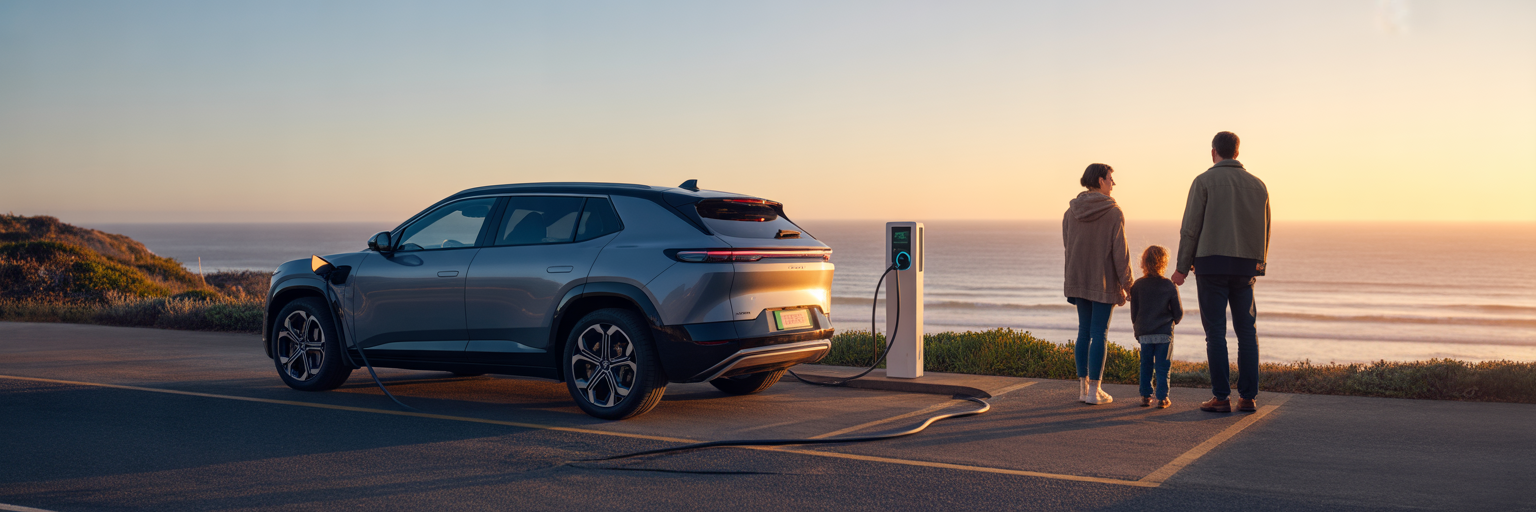
The idea of an all-electric road trip is no longer a futuristic concept; it’s a 2026 reality. The primary concern, range anxiety, is rapidly fading as a new generation of EVs makes long-distance travel more practical than ever. An electric suv for long distance travel, like the Kia EV9 or Chevrolet Equinox EV, now offers real-world ranges comfortably approaching 300 miles on a single charge. This capability is supported by the rapid expansion of the DC fast-charging network along major US interstates.
Driving an EV on a long trip offers a unique kind of serenity. The near-silent operation of the electric motor dramatically reduces driver fatigue, creating a calm and quiet cabin environment that feels distinctly premium. There’s no engine vibration, just smooth, effortless acceleration thanks to the instant torque. Merging onto a busy highway or passing slower traffic becomes a seamless and stress-free maneuver.
That said, a successful EV road trip does require a slight shift in mindset toward planning. Here is a simple guide:
- Map Your Route: Before you leave, use an app like A Better Routeplanner. It will map your entire journey, including charging stops, and estimate charging times based on your specific vehicle.
- Understand Charging Speeds: Not all chargers are created equal. Look for DC fast chargers rated at 150kW or higher. These can typically charge your battery from 10% to 80% in about 20-30 minutes, the perfect amount of time for a bathroom break and a snack.
- Embrace the Break: Instead of viewing a charging session as an inconvenience, treat it as a planned, welcome break. It’s a chance for everyone to stretch their legs, grab a coffee, and reset before the next leg of the journey.
EVs also appeal to modern families with their tech-forward interiors, dominated by large, responsive touchscreens and over-the-air software updates that keep the vehicle feeling fresh and new. The choice between top electric SUVs can be complex, with models like the Tesla Model X and Rivian R1S offering different philosophies on luxury and utility, a topic you can explore in our guide on choosing your 2026 electric SUV.
Our 2026 Road Trip Awards: The Final Verdict
After exploring the best options for family travel, it’s time for some clear recommendations. The “best” vehicle is always personal, but these picks represent the top of their class for specific road trip priorities.
The Comfort King Award: The Modern Minivan
For pure, uncompromised passenger comfort and practicality, nothing beats a premium minivan like the Chrysler Pacifica Hybrid. Its smooth ride, cavernously quiet cabin, and family-focused features like Stow ‘n Go seating and easy-access sliding doors make it the undisputed champion of serene, low-stress travel. It’s designed from the inside out for happy passengers.
The Fun-to-Drive Champion Award: The Driver-Focused SUV
This award goes to the vehicle that proves practicality and driving pleasure can coexist. The Mazda CX-90 earns this title by delivering sharp handling, a responsive powertrain, and a connected feel that makes it genuinely enjoyable on a winding road. It’s the perfect choice for the parent who still loves to drive but needs space for the whole family.
The Best Overall Value Award: The Mainstream SUV
Identifying the smartest all-around choice means finding the best blend of space, features, safety, and efficiency for the money. The Kia Telluride continues to be a standout, offering near-luxury features and immense practicality at a mainstream price. For those ready to go electric, the Chevrolet Equinox EV provides modern tech, ample space, and the long-term savings of EV ownership, making it another excellent value proposition.
Ultimately, the perfect road trip vehicle is the one that best fits your family’s unique needs. We encourage you to test drive options across these different categories to discover what you value most. To continue your research, you can find more in-depth reviews and comparisons on platforms like Carphanatics.com.