The Allure and Apprehension of German Engineering
Picture an American driver on a wide, open interstate. The car feels impossibly composed, tracking straight and true at speeds that would make lesser vehicles feel nervous. This is the core promise of a machine bred for the German autobahn. It’s a feeling of substance, from the precision in the steering to the solid, reassuring ‘thunk’ of the doors closing. Brands like BMW, Mercedes, and Audi have built their reputations on this symphony of engineering, a sense of quality that you can feel through your fingertips.
Yet, for every story of driving bliss, there is a counter-narrative whispered in online forums and at local repair shops. It’s the terror of a single, illuminated check engine light, a symbol of potentially crippling repair bills. This is the central conflict for anyone considering one of the best used German cars. You are drawn to the prestige and the superior driving dynamics, but you are held back by a legitimate fear of financial ruin. Your desire and your hesitation are both completely valid.
This article serves as a practical guide for buyers in 2026. We are moving beyond the tired stereotypes to identify specific models where that engineering promise is not overshadowed by financial risk. The truth is, a well-maintained German car can be a deeply rewarding and reliable partner. The key isn’t luck. It’s knowing exactly which model years, engines, and service histories to seek out. With the right knowledge, you can find a vehicle that delivers that coveted driving experience without the accompanying financial anxiety, turning a potential gamble into a calculated and satisfying investment.
Foundational Rules for Buying a Used German Car
Before you even start browsing listings for your dream car, you need to internalize a few non-negotiable rules. Think of this as the essential groundwork. Ignoring these principles is the fastest way to turn a great car into a terrible experience. Adhering to them is your best defense against the horror stories.
Rule 1: Service History is Non-Negotiable
A thick binder of receipts from a reputable independent shop or a dealership is the car’s resume. It tells a story of consistent oil changes, preventative maintenance, and addressed issues. A missing or patchy service history is a massive red flag. It suggests neglect, and with these cars, neglect is the precursor to catastrophic failure. If a seller says, “I always had my buddy do the oil changes,” but has no receipts to prove it, walk away. No exceptions.
Rule 2: The Specialist Pre-Purchase Inspection (PPI)
Taking a potential purchase to a general mechanic is not enough. You need a specialist who lives and breathes German cars. Why? Because they will connect a brand-specific diagnostic tool like a VCDS for Audis or an ISTA for BMWs to check for “shadow faults” that a generic OBD-II scanner will miss. They know to look for the tell-tale signs of a slow leak from a BMW’s plastic cooling system or the early symptoms of a failing Mercedes air suspension compressor. This inspection, which might cost a few hundred dollars, is the single best investment you can make. It can save you thousands.
Rule 3: Budget for Total Cost of Ownership
The sticker price is just the entry fee. The real cost is the total cost of ownership (TCO). You must set aside a dedicated maintenance fund, separate from your purchase budget. A safe figure is between $1,500 and $2,500 annually. This isn’t for a worst-case scenario. It’s for the predictable, higher costs of parts and labor. Performance tires, synthetic fluids, and specialized components all cost more than their Japanese or American equivalents. The “German car tax” is paid in maintenance, not at the dealership.
| Cost Category | Used German Sedan (e.g., BMW 328i) | Used Japanese Sedan (e.g., Honda Accord) | Notes |
|---|---|---|---|
| Purchase Price | $15,000 | $15,000 | The starting point is the same, but the journey differs. |
| Scheduled Maintenance (Oil, Filters, Fluids) | $1,200 – $1,800 | $700 – $1,000 | German cars require specific, often more expensive, fluids and parts. |
| Predictable Wear Items (Brakes, Tires) | $1,800 – $2,500 | $1,200 – $1,600 | Performance-oriented brakes and tires carry a premium. |
| Anticipated Repairs (e.g., Water Pump, Gaskets) | $1,500 – $3,000 | $500 – $1,000 | Budgeting for known failure points is critical for German cars. |
| Estimated 3-Year TCO (Excluding Fuel/Insurance) | $19,500 – $22,300 | $17,400 – $18,600 | The ‘German car tax’ is paid in maintenance, not at purchase. |
Note: Figures are estimates for illustrative purposes. Actual costs depend on vehicle condition, location, and whether work is performed at a dealer, independent specialist, or DIY.
Rule 4: Seek Out Enthusiast Owners
Where you buy is as important as what you buy. A car from an anonymous auction lot or a corner used car dealer is a gamble. A car sold by an active member of a brand-specific forum like Bimmerpost or Audizine is a much safer bet. These owners are often meticulous about maintenance, perform preventative repairs, and can provide a detailed history of the car’s life. They cared for the car as a passion project, not just an appliance.
BMW Models That Deliver on the Driving Promise
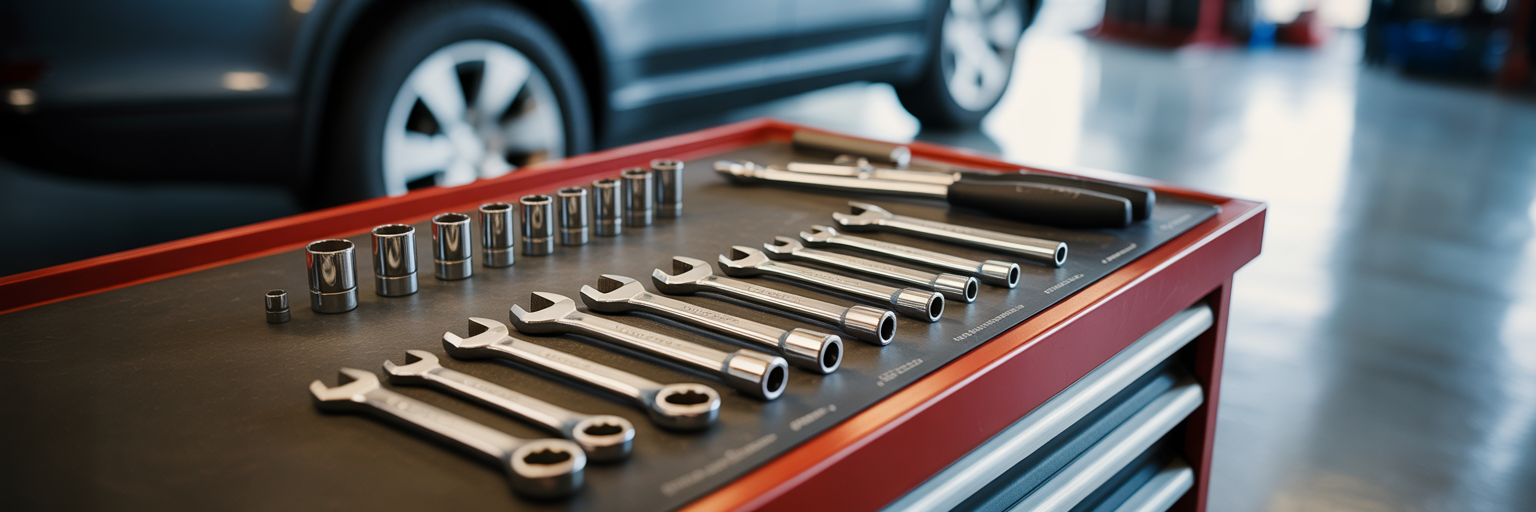
For decades, BMW has been synonymous with the “Ultimate Driving Machine.” The brand’s reputation was built on cars that connect the driver to the road with an almost telepathic feel. While some modern BMWs have strayed from this path, several used models offer that legendary experience without the legendary repair bills. Finding these reliable used bmw models is about targeting specific engines and generations.
The Sweet Spot: E90 3 Series with the N52 Engine
The E90 generation 3 Series, sold from 2005 to 2013, is considered by many purists to be a high point. The key is to find one equipped with the N52 inline-six engine. This naturally aspirated powerplant is the last of its kind from BMW and is celebrated for its buttery-smooth power delivery, iconic sound, and relative simplicity compared to the complex turbocharged units that followed. It delivers a responsive, linear feel that is increasingly rare. The hydraulic power steering in these models offers a level of feedback that modern electric racks simply cannot replicate. It’s a car you feel, not just operate.
Predictable Maintenance Items
The N52 is robust, but it’s not invincible. The beauty of this platform is that its common failure points are well-documented and predictable. An informed owner sees these not as a warning, but as a manageable maintenance schedule.
- Electric water pump and thermostat: These are designed to fail. Budget for their replacement every 60,000 to 80,000 miles as a preventative measure. Waiting for it to fail will leave you stranded.
- Oil filter housing and valve cover gaskets: These gaskets will eventually become brittle and leak oil. It’s a rite of passage for any owner. When you see the first signs of seepage, get them replaced.
- Suspension bushings: As a performance-oriented car, the suspension bushings are a wear item. Replacing them after 100,000 miles can dramatically restore the car’s tight, responsive steering feel.
The Modern Alternative: F30 3 Series Caution
If you want a more modern interior and better fuel efficiency, the F30 generation 3 Series (2012-2019) is a compelling option. However, you must be cautious. Early models equipped with the four-cylinder N20 engine suffered from a critical flaw with their plastic timing chain guides, which could disintegrate and lead to catastrophic engine failure. For this reason, you should only consider post-2015 models where the issue was rectified, or a car that has documented proof of the timing chain assembly being replaced with the updated parts. The ideal owner for a BMW is a driving purist, someone who appreciates the balanced, communicative chassis. While some seek the raw power found in a track-focused muscle car, as seen in a comparison of American V8s, the BMW enthusiast finds joy in the conversation between car and driver on a winding road.
Mercedes-Benz Models Combining Luxury and Durability
While BMW focused on the driver, Mercedes-Benz perfected the art of isolation, comfort, and unwavering build quality. The brand’s ethos is about creating a serene, bank-vault-like environment that shields you from the outside world. For buyers who prioritize a calm and composed ride over razor-sharp handling, certain used Mercedes models represent outstanding value and surprising durability.
The Modern Classic: W204 C-Class (2008-2014)
The W204 generation C-Class is widely regarded as a high-water mark for modern Mercedes reliability, built during a time when the company was actively trying to win back its reputation for over-engineering. We specifically recommend the 2012-2014 facelift models. These cars benefit from a much-improved interior and, most importantly, the robust and reliable M276 V6 engine found in the C300 and C350. Common issues are known and manageable, such as the electronic steering lock on earlier models and the importance of regular transmission fluid changes every 40,000 miles. Understanding these predictable used mercedes maintenance costs and sticking to the service schedule is the key to preventing much larger, more complex bills down the road. As noted in a 2025 analysis by Yahoo Autos, certain C-Class model years are frequently recommended by auto experts for their longevity.
The Highway Cruiser: W212 E-Class (2010-2016)
For those who need more space and long-distance comfort, the W212 E-Class is the logical step up. It offers a supremely quiet and stable ride, making it an exceptional highway cruiser. Once again, the sweet spot is the E350 model equipped with the same dependable M276 V6 engine. However, there is one piece of crucial advice when shopping for a W212: seek out a model with the standard steel spring suspension. While the optional Airmatic air suspension provides a sublime, cloud-like ride when new, it is a significant liability on a used vehicle. The failure of a single air strut or compressor can easily lead to a repair bill of $1,500 or more. The standard suspension is still exceptionally comfortable and removes a massive potential point of failure. The ideal owner for one of these cars is someone who values a serene driving experience above all else. They see their car as a sanctuary, a safe and comfortable place to spend time, whether commuting to work or crossing state lines.
The Smart Buys from Audi and Volkswagen
The shared engineering DNA between Volkswagen and its premium counterpart, Audi, is a massive advantage for the savvy used car buyer. This relationship means broader parts availability, a larger pool of specialist mechanics, and extensive community knowledge. For the hands-on enthusiast or the budget-conscious buyer, certain VW and Audi models offer a fantastic blend of performance, practicality, and premium feel, provided you know what to look for.
The People’s Champion: Mk6 Volkswagen Golf/GTI (2010-2014)
The Mk6 GTI is the quintessential “do-it-all” hot hatch. It’s practical enough for a grocery run, comfortable enough for a daily commute, and genuinely fun on a back road. The 2.0T TSI engine (engine codes CCTA/CBFA) is a gem, offering punchy performance and a huge potential for tuning. When considering the best volkswagen golf reliability years, the Mk6 is a strong contender, but it comes with one major condition. The single most critical issue is the timing chain tensioner. The original design was prone to failure, which could destroy the engine. Any Mk6 GTI you consider must have documented proof of the updated tensioner being installed. If there’s no proof, you must budget for the job immediately. Other known items, like carbon buildup on the intake valves and occasional water pump failures, are manageable by comparison. With that one major issue addressed, the Mk6 GTI is a brilliant and versatile machine.
The Upscale Cousin: B8.5 Audi A4 (2013-2016)
For those wanting a more luxurious package, the Audi A4 is the answer. However, it is crucial to steer clear of the early B8 generation models (2009-2012), which were notorious for excessive oil consumption issues. The smart money is on the B8.5 facelift models, sold from 2013 to 2016. These cars received revised piston rings that largely resolved the oil-burning problem. When looking at audi common problems to check on a B8.5, the main concern is the same timing chain tensioner found in the GTI, so proof of replacement is highly recommended. A pre-purchase inspection should also include a check for any leaks from the water pump and thermostat housing. The strong aftermarket and DIY community for these VW and Audi platforms makes them ideal for the hands-on owner. While VW is known for these fun, tunable combustion engines, it’s also worth noting their broader portfolio, which includes a significant push into electric vehicles, as can be seen in comparisons of their modern electric SUVs.
Porsche Ownership for the Savvy Enthusiast
This is the expert level of used German car ownership. For many, the Porsche crest represents the pinnacle of sports car engineering, a brand steeped in motorsport heritage. For a long time, that prestige came with an unattainable price tag. However, the market has made some older models surprisingly accessible. The 986 generation Boxster and the 996 generation 911 are the most affordable entry tickets into this exclusive club, offering one of the most rewarding driving experiences available for the money.
The Entry Ticket: 986 Boxster and 996 911
The 986 Boxster, with its mid-engine balance, and the 996 911, the first of the water-cooled 911s, deliver pure, unfiltered driving pleasure. Their hydraulic steering is full of feedback, their chassis are communicative, and their flat-six engines produce a sound that is utterly intoxicating. They are true hobby cars, designed for the joy of driving. But their accessibility comes with a famous caveat that must be addressed head-on.
Addressing the IMS Bearing Elephant in the Room
So, is a used porsche a good idea? The answer hinges on one acronym: IMS. The Intermediate Shaft (IMS) bearing in these M96 engines is a well-known potential failure point. It supports the intermediate shaft which drives the camshafts, and if the bearing fails, it can lead to catastrophic engine damage. This single issue has created immense fear, but it needs to be put into perspective. The actual failure rate is estimated to be relatively low, often cited as 5-8% for the most problematic early bearings, and permanent, robust aftermarket solutions exist.
The advice is clear and simple: any candidate car should either have documented proof of an upgraded IMS bearing solution already installed or be priced low enough for you to have the work done immediately for peace of mind. A car with a solved IMS issue is a fantastic sports car. Beyond that, a thorough PPI should focus on a few other key areas:
- Rear Main Seal (RMS) leaks: A common oil leak that is often addressed at the same time as an IMS or clutch replacement.
- Coolant expansion tank and radiators: The plastic tanks can become brittle and crack with age, and the front-mounted radiators are susceptible to damage from road debris.
- Suspension ‘clunks’: Listen for noises over bumps, which often indicate worn control arms or “coffin arms,” a common wear item that restores handling precision when replaced.
This is not a car for daily commuting. It is a weekend toy for a true driving enthusiast who understands that preventative investment is the price of admission.
German Cars and Engines to Approach with Caution

Just as important as knowing which cars to buy is knowing which ones to avoid. Some models and engines have earned their fearsome reputations for a reason, representing a level of complexity and potential expense that makes them unsuitable for all but the most dedicated and well-funded mechanics. This is not an exhaustive list, but a guide to recognizing the types of red flags that should have you walking away from a potential purchase, no matter how tempting the price.
- Range-Topping, Complex Engines: Be extremely wary of early-to-mid 2000s flagship models. This includes BMW’s V10 and V12 engines, Mercedes’ early twin-turbo V8 and V12 powerplants, and Audi’s 4.2L V8s with their infamous plastic timing chain guides located at the back of the engine. The core problem is that major services, like a timing chain replacement on that Audi V8, can cost $5,000 to $10,000, a figure that often exceeds the entire value of the car.
- First-Year Models: The first year of any all-new generation is effectively a public beta test. The manufacturer is still working out the kinks, and early adopters are the ones who discover the flaws. A much safer approach is to target a model from the middle or end of its production run, especially after a mid-cycle refresh (often called an LCI by BMW or a “facelift” by Mercedes and Audi). These later models benefit from years of revisions and improvements.
- Aging, Proprietary Technology: Groundbreaking technology from 15 years ago can be a maintenance nightmare today. Systems like Mercedes’ Active Body Control (ABC) hydraulic suspension or early versions of BMW’s iDrive infotainment system are prime examples. When they fail, they require dealer-level diagnostic tools, and the replacement parts are often scarce, discontinued, or shockingly expensive.
- Specifically Notorious Engines: Some engines have such a poor track record that they should be avoided entirely unless you are prepared for a full engine rebuild. The prime example is the BMW N63 V8, found in many 5, 6, 7, and X Series models from the late 2000s and 2010s. It is legendary for its catastrophic oil consumption, timing chain failures, and a host of other expensive problems. This reinforces the need to do engine-code-level research before you even schedule a test drive.
A Self-Check Before You Commit
We have spent this time focused on the cars, but the most critical component of a successful ownership experience is you, the owner. Owning a used German car is as much about mindset and preparation as it is about the vehicle itself. Before you sign any paperwork, it is vital to perform an honest self-assessment to determine if this path is truly right for you.
Who Should Avoid a Used German Car?
This is not a judgment, but a practical reality check. You should probably look elsewhere if you fit into one of these categories. If your budget is stretched thin by the purchase price alone, you are setting yourself up for failure. If you need absolute, appliance-like, “gas-and-go” reliability for a critical daily commute with no backup plan, this is a risky choice. And if you are someone who views a “service due” light as a suggestion to be dealt with later, you will quickly find yourself with very expensive problems. These cars demand and reward proactive attention.
The Profile of a Successful Owner
The happiest German car owners share a few common traits. They genuinely value the superior driving experience and see it as a worthwhile trade-off for the higher running costs. They have a separate and funded maintenance budget ready to be deployed. They have either already identified a trusted, independent specialist mechanic or are eager to learn DIY skills themselves. They find a certain joy in researching solutions on forums and becoming an expert on their own vehicle.
Ask yourself these questions honestly:
- Do I have a car emergency fund of at least $2,500 that I will not miss if I have to spend it tomorrow?
- Am I buying this car for the way it drives and feels, or am I just chasing the prestige of the badge on the hood?
- Does the idea of reading through forum threads to diagnose a strange noise sound like an interesting challenge or a frustrating chore?
Honest self-assessment is the most important step. For enthusiasts who find they fit the ideal profile and are ready to begin their search, a resource like the Carphanatics homepage can be a great starting point for their journey.
Making an Informed and Rewarding Choice

Owning one of the best used German cars is not about luck. It is the direct result of deliberate, informed choices. The path to a rewarding experience is paved with research, patience, and a healthy dose of realism. By avoiding the well-known problem models and focusing on the celebrated sweet spots, you can acquire a vehicle that delivers genuine driving pleasure and surprising durability.
Remember the three golden rules that form the foundation of a smart purchase:
- Demand a comprehensive service history.
- Always invest in a specialist pre-purchase inspection.
- Budget for the total cost of ownership, not just the sticker price.
By following this guidance, you leave nothing to chance. You equip yourself with the knowledge to navigate the market with confidence, not fear. The ultimate satisfaction comes when you are holding the keys, knowing you made a smart choice, ready to enjoy a car that delivers on its promise and proves the skeptics wrong every time you get behind the wheel.