The 2026 Midsize Truck Standoff
The American midsize truck market has always been a battleground of fierce loyalty and relentless innovation. For 2026, that fight is defined by two titans: the Toyota Tacoma and the Chevrolet Colorado. This isn’t just a choice between two nameplates; it’s a decision between two deeply ingrained philosophies. On one side, you have the Tacoma, the undisputed benchmark for indestructible reliability and off-road heritage. It’s the truck you buy with the confidence that it will outlast just about anything.
On the other side stands the Chevrolet Colorado, a powerful challenger built around modern engineering, class-leading power, and a refined, spacious cabin. It represents a shift in what a midsize truck can be, blending rugged capability with daily comfort. These two models represent the pinnacle of modern engineering in a category filled with capable vehicles, which you can explore further in our comprehensive guide to the latest trucks.
So, which one is right for you? To answer that, we will break down how they perform on the trail, how they feel on the daily commute, what’s under the hood, and their potential for customization. We will finish with a critical look at the truck resale value comparison to help you make a decision that fits both your lifestyle and your wallet.
Hitting the Trail: Off-Road and Suspension Showdown
When the pavement ends, the true character of these trucks emerges. The Toyota Tacoma, especially in TRD Off-Road and TRD Pro trims, is engineered for slow-speed articulation and resilience. Its suspension is built to crawl over technical, rocky terrain with predictable control. Think of it as a mountain goat, methodical and sure-footed. Features like its robust skid plates and Crawl Control system are designed for one purpose: getting you through the harshest environments without fail. It’s a philosophy centered on proven toughness when you are miles from anywhere.
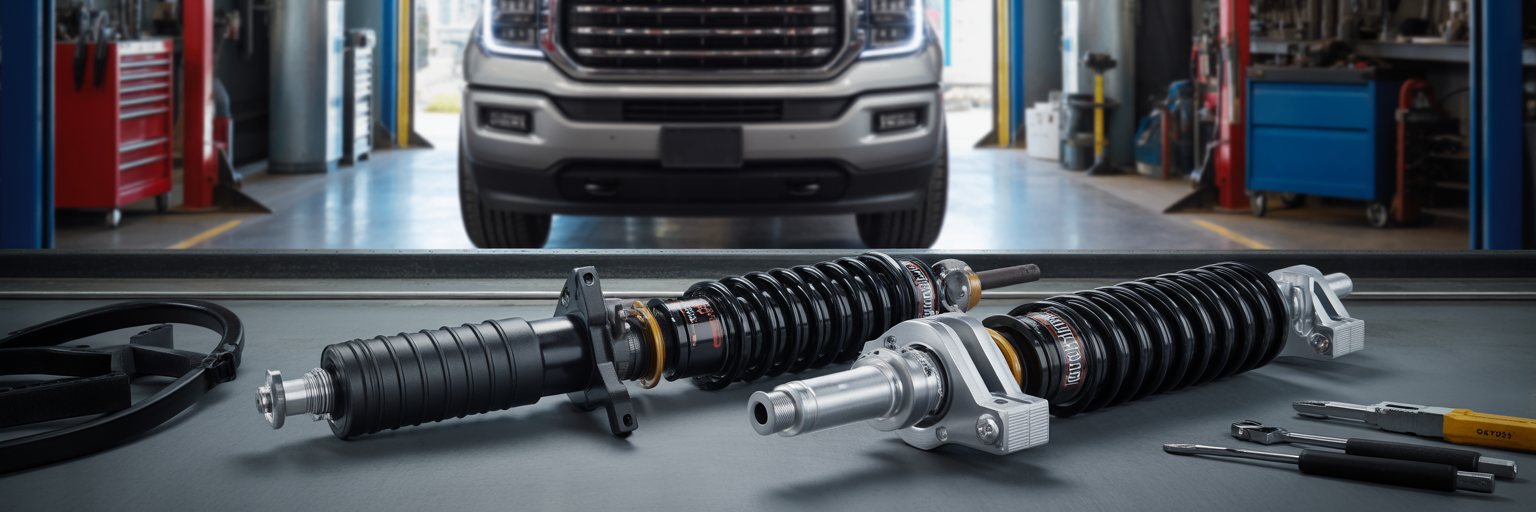
The Chevrolet Colorado ZR2 takes a different approach. Its secret weapon is the advanced Multimatic DSSV dampers, a technology born from motorsports. This system is tuned for high-speed desert running, allowing the truck to seemingly float over fast, rough terrain where the Tacoma might feel unsettled. According to a head-to-head test by Car and Driver, the Colorado ZR2’s dampers provide a distinct advantage in high-speed scenarios. This gives the Colorado a dual personality: a high-performance off-roader that remains surprisingly compliant for daily driving.
The choice in the Tacoma TRD vs Colorado ZR2 debate comes down to your adventure style. If your weekends involve methodical rock crawling and exploring tight trails where absolute reliability is paramount, the Tacoma is the best off road midsize truck for the job. But if you prefer blasting down washboard roads and want a rig that balances high-speed trail performance with on-road comfort, the Colorado’s modern suspension presents a very compelling argument.
| Feature | Toyota Tacoma (TRD Off-Road/Pro) | Chevrolet Colorado (ZR2) |
|---|---|---|
| Suspension Philosophy | Durability and low-speed articulation | High-speed stability and on-road compliance |
| Key Technology | Bilstein shocks (TRD Off-Road), FOX QS3 shocks (TRD Pro), Crawl Control | Multimatic DSSV Spool-Valve Dampers |
| Ideal Terrain | Technical rock crawling, tight forest trails | Open desert running, fast washboard roads |
| Primary Strength | Proven reliability and ruggedness | Versatility and high-impact absorption |
This table summarizes the core engineering differences in each truck’s off-road approach. The data reflects the intended use case for each model’s top-tier off-road trims, helping buyers align their choice with their preferred style of adventure.
The Daily Grind: Cabin Space and On-Road Comfort
While both trucks prove their mettle on the trail, the story changes dramatically on the Monday morning commute. Here, the Chevrolet Colorado establishes a clear advantage in interior refinement and space. Stepping inside, the cabin feels larger and more modern. The most significant difference is the superior rear-seat legroom, a non-negotiable factor if you plan on carrying passengers regularly. We’ve all been in that cramped back seat on a road trip, and the Colorado works hard to avoid that feeling. Its dashboard layout and car-like ergonomics create a more relaxing driving experience, especially on long highway stretches.
The Toyota Tacoma’s cabin, in contrast, is functional and purpose-built. It’s not that it lacks modern technology, but the design prioritizes durable materials and a rugged feel over plush comfort. The driving position feels more traditionally truck-like, and the compact rear seating remains a point of criticism for those looking for a primary family vehicle. The interior feels like it was designed by people who expect it to get muddy, which is great for its intended purpose but less ideal for a comfortable daily driver.
The Colorado’s cabin design borrows cues from the crossover and SUV world, where passenger comfort is paramount, a trend also seen in some of the best hybrid SUVs under $35k. For buyers who need their truck to double as a family hauler or a comfortable commuter, the Colorado is the obvious winner. The Tacoma is perfectly capable of daily duties, but its interior unapologetically reflects its off-road-first priorities.
Power and Performance: Under the Hood
A truck’s heart is its engine, and this is another area where these two competitors diverge. The Chevrolet Colorado makes a bold statement with its high-output 2.7-liter TurboMax engine, which produces a class-leading 430 lb-ft of torque. That number isn’t just for bragging rights. In the real world, it translates to strong, immediate acceleration from a stoplight and confident power for merging onto the highway or towing a heavy load. It’s the kind of effortless performance that makes the truck feel smaller and more agile than it is.
Toyota offers a more strategic powertrain lineup for the Tacoma, featuring a standard 2.4-liter turbo and the advanced i-FORCE MAX hybrid. These options are engineered for a balance of modern performance and efficiency. While the hybrid’s combined 465 lb-ft of torque is impressive, the standard engine’s 317 lb-ft is significantly lower than the Colorado’s high-output variant. The Tacoma’s powertrains are smooth and refined, with the hybrid offering the unique benefit of instant electric torque for quiet, low-speed maneuvering on the trail or in a parking lot.
- Chevrolet Colorado (High-Output 2.7L TurboMax): 310 Horsepower, 430 lb-ft of Torque, 8-speed Automatic Transmission
- Toyota Tacoma (i-FORCE 2.4L Turbo): 278 Horsepower, 317 lb-ft of Torque, 8-speed Automatic Transmission
- Toyota Tacoma (i-FORCE MAX Hybrid): 326 Horsepower, 465 lb-ft of Torque (combined), 8-speed Automatic Transmission
In the Toyota Tacoma vs Chevrolet Colorado powertrain matchup, the verdict depends on what you value. For buyers who prioritize raw power and maximum towing muscle, the Colorado is the decisive winner. This power advantage is a key factor for anyone wondering which 2025 trucks offer the best towing and fuel economy. The Tacoma, however, offers technologically advanced and efficient options that appeal to those seeking a different blend of power and economy.
Building Your Dream Rig: Aftermarket Ecosystem
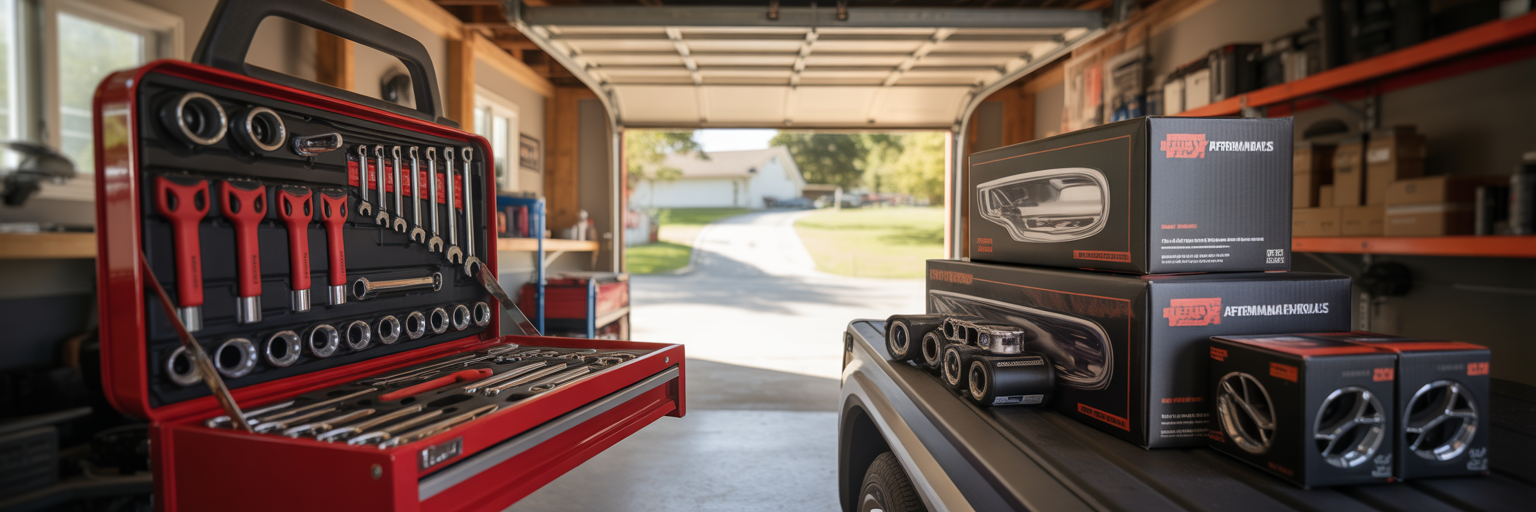
For many truck owners, the day they buy their vehicle is just the beginning. The ability to customize and personalize is a huge part of the ownership experience, and here, the Toyota Tacoma is the undisputed king. Decades of popularity have created an unparalleled aftermarket ecosystem. Whether you’re looking for suspension lifts, steel bumpers, roof racks, or specialized overlanding gear, there are countless options from hundreds of manufacturers. This vast selection, combined with a massive community knowledge base, makes it incredibly easy to build a Tacoma for any purpose.
The Chevrolet Colorado’s aftermarket is younger but expanding rapidly. Since its recent redesign, major brands have invested heavily in developing high-quality components for it. While you won’t find the sheer volume of options available for the Tacoma, there is excellent support for performance and suspension upgrades from top-tier companies. The advantage here is that many of these parts are designed with the latest technology and manufacturing techniques.
This makes both trucks a fantastic starting point for any DIY project, from simple bolt-ons to full overland builds. The Tacoma offers unmatched depth and variety built over generations. The Colorado provides a fresh, modern canvas with access to the newest innovations from leading brands eager to support the new platform.
The Long Game: Resale Value and Ownership
A vehicle is a major purchase, and its long-term cost is a critical factor. In any midsize truck comparison 2026, the conversation about value has to start with the Toyota Tacoma. It holds a legendary, class-leading reputation for retaining its value. This isn’t by accident; it’s a direct result of its proven reliability, desirability in the off-road community, and unwavering brand loyalty. This trend is consistently tracked by industry experts, with sources like Edmunds confirming the Tacoma’s historical edge in long-term value retention. Buying a Tacoma is one of the safest financial bets in the automotive market.
The Chevrolet Colorado has made significant strides in this area. The latest generation’s modern features, powerful engine, and improved reliability have made it far more competitive in the used market. However, it historically still depreciates more quickly than the Tacoma. Perceived reliability is directly tied to this financial outcome; the Toyota brand is synonymous with durability, which boosts used buyer confidence and keeps resale prices high.
For the buyer most concerned with the truck resale value comparison and minimizing depreciation, the Tacoma is the clear champion. However, you might reasonably conclude that the Colorado’s superior power, comfort, and modern technology offer more upfront value for your money, justifying the potential for a slightly lower resale price years down the road. The question is: do you want to pay less now or lose less later?