Vehicle maintenance mistakes can significantly affect the performance, safety, and longevity of your car. Many car owners unintentionally overlook essential maintenance tasks, leading to expensive repairs and reduced vehicle lifespan. Understanding these common errors and addressing them proactively helps maintain optimal vehicle performance and saves money in the long run.
Ignoring the Check Engine Light
One of the most frequent vehicle maintenance mistakes is ignoring the check engine light. This warning indicator is designed to alert drivers of potential issues in the vehicle’s systems, including engine misfires, faulty sensors, or emissions problems. Many drivers disregard this alert, assuming it’s a minor issue or hoping it will resolve itself.
However, ignoring the check engine light can lead to:
- Increased fuel consumption
- Serious engine damage
- Higher emissions, failing regulatory inspections
To avoid these problems, promptly address the check engine light by:
- Using an OBD-II scanner to identify the problem
- Visiting a professional mechanic for diagnosis and repair
Timely action saves you from costly repairs and maintains your vehicle’s reliability.
Skipping Regular Oil Changes
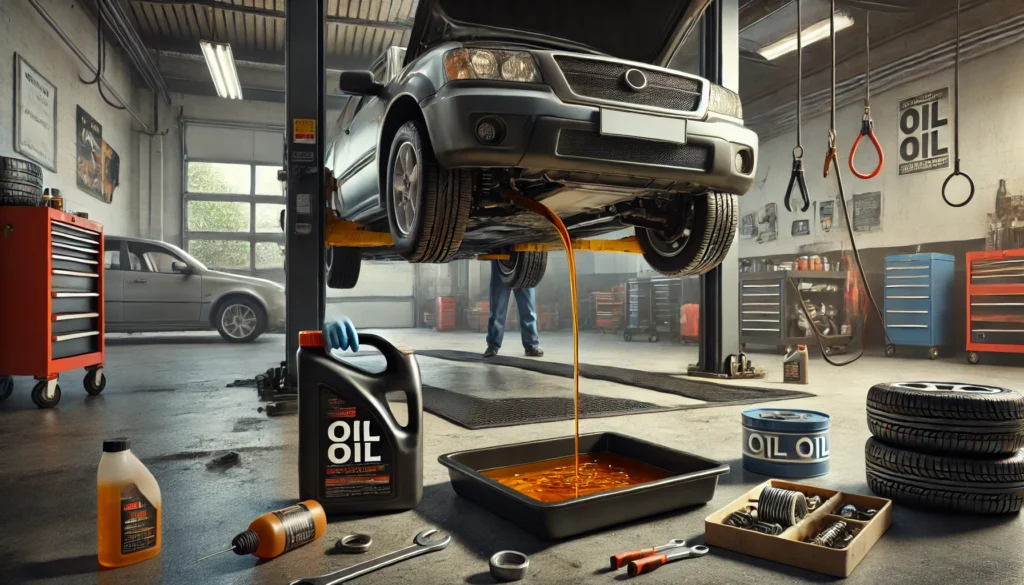
Another widespread vehicle maintenance mistake is neglecting regular oil changes. Engine oil lubricates critical components, reduces friction, and prevents overheating. Over time, oil breaks down and accumulates debris, making it less effective.
Consequences of skipping oil changes include:
- Engine overheating and increased wear
- Reduced fuel efficiency
- Potential engine failure
To ensure your engine runs smoothly, follow these best practices:
- Change engine oil every 3,000 to 7,500 miles, depending on your manufacturer’s recommendations
- Regularly check oil levels and quality
- Use high-quality engine oil recommended by your vehicle manufacturer
Adhering to a consistent oil change schedule significantly extends your vehicle’s life and performance.
Neglecting Tire Pressure and Alignment
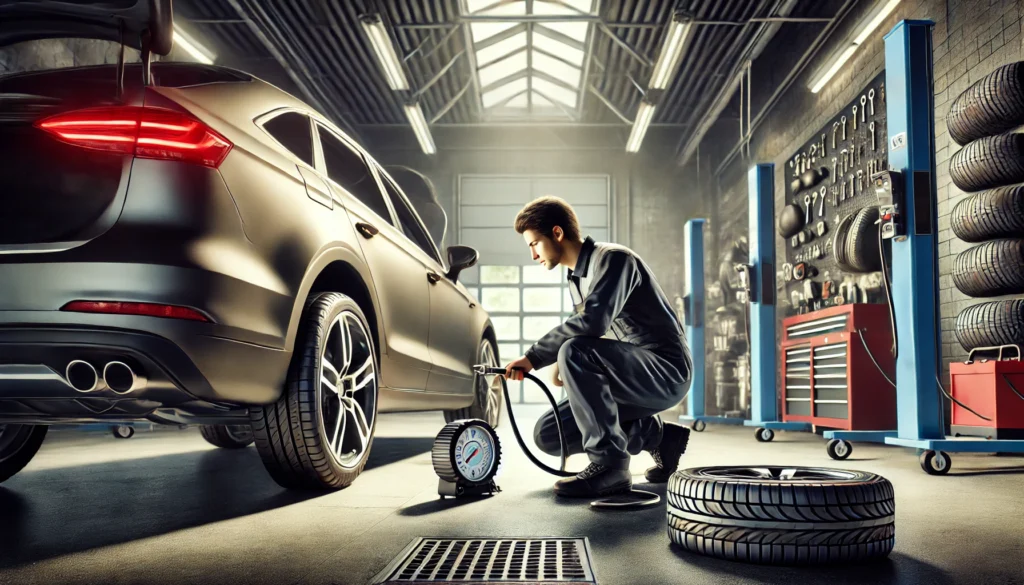
Proper tire maintenance is critical for vehicle safety, fuel efficiency, and tire longevity. Yet, many car owners neglect to regularly check tire pressure and alignment, making this one of the most common vehicle maintenance mistakes.
Improper tire pressure and alignment can lead to:
- Uneven tire wear
- Poor handling and increased accident risk
- Reduced fuel efficiency
To maintain optimal tire conditions, follow these guidelines:
- Check tire pressure monthly and inflate tires according to manufacturer guidelines
- Schedule professional tire alignment checks annually or when you notice uneven wear or handling issues
- Rotate tires every 5,000 to 7,500 miles to promote even wear
Proper tire care ensures safety and maximizes tire lifespan.
Using Incorrect Fluids
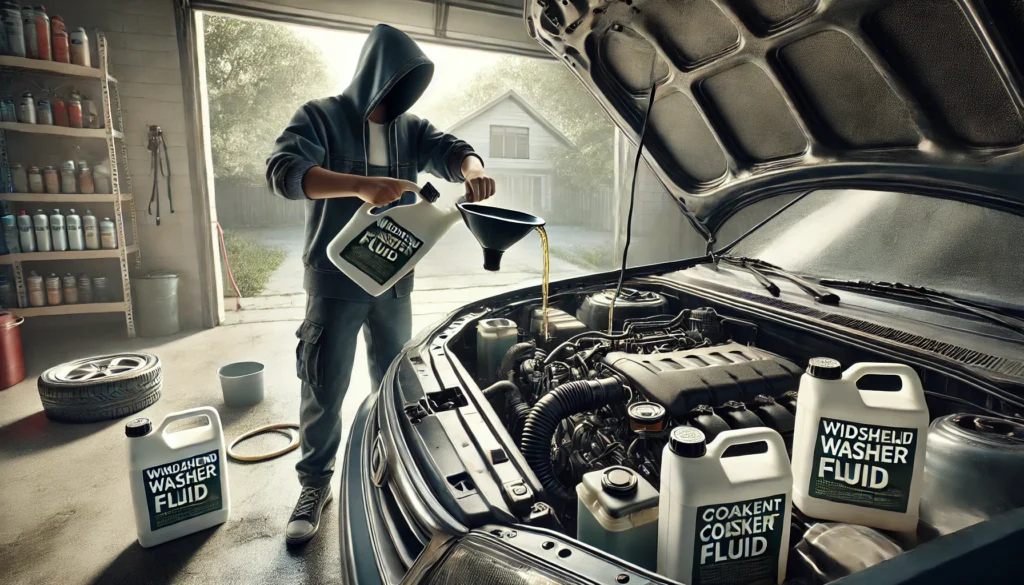
Vehicle fluids—including engine oil, coolant, transmission fluid, and brake fluid—are specifically formulated to meet your vehicle’s needs. Using incorrect or low-quality fluids is a common vehicle maintenance mistake that can severely damage vehicle components.
Risks associated with incorrect fluid usage include:
- Overheating and engine damage
- Reduced braking performance and safety concerns
- Transmission failure or reduced lifespan
To avoid these issues, always:
- Consult your vehicle’s owner manual for recommended fluid types
- Regularly check fluid levels and condition
- Replace fluids at the intervals recommended by your manufacturer
Using the correct fluids protects your vehicle and ensures optimal performance.
Avoiding Professional Servicing for Complex Issues
While basic vehicle maintenance can be performed by car owners, complex issues require professional attention. Attempting to fix complicated problems without appropriate expertise or equipment is a significant vehicle maintenance mistake.
Consequences of DIY repairs for complex issues include:
- Incorrect diagnosis leading to further damage
- Safety hazards from improper repairs
- Voided vehicle warranties
To prevent these problems, follow these recommendations:
- Recognize your limits and seek professional help for complex issues
- Regularly schedule professional inspections and servicing
- Choose reputable mechanics with proper certifications
Professional servicing ensures that complex problems are accurately diagnosed and effectively resolved.
Additional Common Vehicle Maintenance Mistakes
Besides the primary errors above, car owners often commit other minor yet impactful mistakes:
- Neglecting air filters: Dirty air filters reduce engine efficiency and fuel economy. Replace air filters every 15,000 to 30,000 miles.
- Ignoring brake maintenance: Regularly inspect brake pads, rotors, and fluids to maintain safety and performance.
- Overlooking battery health: Check battery terminals and replace the battery every 3 to 5 years to prevent unexpected breakdowns.
Practical Checklist for Proper Vehicle Maintenance
To avoid common vehicle maintenance mistakes, follow this practical checklist:
- Regularly monitor dashboard warning lights and address them immediately.
- Schedule regular oil changes and fluid checks.
- Maintain proper tire pressure, alignment, and rotation.
- Use manufacturer-recommended fluids and parts.
- Schedule professional inspections and servicing for complex issues.
Consistent adherence to these practices significantly improves vehicle performance, safety, and longevity.
Conclusion
Recognizing and avoiding common vehicle maintenance mistakes is essential for every car owner. Ignoring warning signals, skipping routine tasks, and attempting DIY repairs without proper knowledge can lead to expensive repairs and compromised safety. By following recommended maintenance schedules, using appropriate fluids, and seeking professional assistance when needed, you can maximize your vehicle’s performance, reduce overall costs, and extend its lifespan. Being proactive in vehicle care is an investment that pays off in reliability, efficiency, and peace of mind.